
- English
- Español
- Português
- русский
- Français
- 日本語
- Deutsch
- tiếng Việt
- Italiano
- Nederlands
- ภาษาไทย
- Polski
- 한국어
- Svenska
- magyar
- Malay
- বাংলা ভাষার
- Dansk
- Suomi
- हिन्दी
- Pilipino
- Türkçe
- Gaeilge
- العربية
- Indonesia
- Norsk
- تمل
- český
- ελληνικά
- український
- Javanese
- فارسی
- தமிழ்
- తెలుగు
- नेपाली
- Burmese
- български
- ລາວ
- Latine
- Қазақша
- Euskal
- Azərbaycan
- Slovenský jazyk
- Македонски
- Lietuvos
- Eesti Keel
- Română
- Slovenski
- मराठी
- Srpski језик

China Washers Manufacturer, Supplier, Factory
Understanding Washers: The Unsung Heroes of Fastening Systems
Washers are simple yet vital components in countless mechanical and structural assemblies. Their primary function is to distribute the load of a threaded fastener, such as a screw or bolt. Without a washer, the fastener head can dig into the material, leading to loosening, damage, or failure. By providing a larger bearing surface, washers help prevent this, ensuring a secure and long-lasting connection. They also serve to seal against leaks, act as spacers, reduce friction, and protect surfaces from damage during tightening.
Common Types of Washers and Their Applications
The specific application dictates the type of washer required. Here is a breakdown of the most common varieties:
- Flat Washers (Plain Washers): The most basic type, used to distribute load and protect surfaces. They are simple, flat discs with a central hole.
- Spring Washers (Lock Washers): Designed to prevent fasteners from loosening due to vibration or thermal expansion. They apply a continuous spring force against the fastener and the bearing surface.
- Belleville Washers (Conical Spring Washers): A type of spring washer with a conical shape, capable of supporting high loads with small deflections. Ideal for applications requiring high spring force in a compact space.
- Wave Washers: Feature a wave-like shape, providing a light spring force and compensating for tolerance variations in assemblies.
- Fender Washers: Characterized by a small hole and a very large outer diameter. They are used to spread load over a wide area on soft materials, like sheet metal or wood.
- Shoulder Washers: Used for insulation, they have a cylindrical "shoulder" that isolates a bolt or screw from the surrounding material, often used in electrical applications.
- Torque Washers: Feature tabs or keys that prevent the washer from rotating during tightening, commonly used with wood screws to prevent the head from sinking.
Material and Finishing Options
Choosing the right material is critical for performance, especially in harsh environments. Washers are manufactured from a wide range of materials.
- Steel: The most common material, known for its high strength and durability. Often coated with zinc, cadmium, or nickel for corrosion resistance.
- Stainless Steel: Offers excellent corrosion resistance, making it ideal for outdoor, marine, and food-grade applications. Common grades are 304 and 316.
- Brass: Provides good corrosion resistance and is non-magnetic. Often used in plumbing, electrical, and decorative applications.
- Copper: Highly conductive and corrosion-resistant. Used in electrical grounding and as a sealing gasket.
- Aluminum: Lightweight and corrosion-resistant, but with lower strength than steel. Suitable for lightweight structures and non-critical applications.
- Nylon/Plastic: Excellent electrical insulators and highly resistant to corrosion. Ideal for lightweight applications and protecting delicate surfaces.
- Rubber/Silicone: Used primarily as sealing washers to create a watertight or airtight seal, often found in plumbing.
Key Technical Specifications and Dimensions
To ensure compatibility and optimal performance, it is essential to understand the key specifications of a washer. The following table outlines the critical dimensions for standard flat washers, which form the basis for many other types.
| Nominal Screw Size | Inside Diameter (ID) [in/mm] | Outside Diameter (OD) [in/mm] | Thickness [in/mm] | Common Material Standards |
|---|---|---|---|---|
| #4 | 0.125 in / 3.18 mm | 0.312 in / 7.92 mm | 0.024 in / 0.61 mm | ASTM F844, SAE J773 |
| #8 | 0.172 in / 4.37 mm | 0.391 in / 9.93 mm | 0.030 in / 0.76 mm | ASTM F844, SAE J773 |
| #10 | 0.203 in / 5.16 mm | 0.469 in / 11.91 mm | 0.038 in / 0.97 mm | ASTM F844, SAE J773 |
| 1/4" | 0.281 in / 7.14 mm | 0.625 in / 15.88 mm | 0.049 in / 1.24 mm | ASME B18.22.1 |
| 5/16" | 0.344 in / 8.73 mm | 0.750 in / 19.05 mm | 0.065 in / 1.65 mm | ASME B18.22.1 |
| 3/8" | 0.406 in / 10.32 mm | 0.875 in / 22.23 mm | 0.065 in / 1.65 mm | ASME B18.22.1 |
| 1/2" | 0.531 in / 13.49 mm | 1.125 in / 28.58 mm | 0.083 in / 2.11 mm | ASME B18.22.1 |
| M3 | 3.2 mm / 0.126 in | 7.0 mm / 0.276 in | 0.5 mm / 0.020 in | ISO 7089, DIN 125 |
| M4 | 4.3 mm / 0.169 in | 9.0 mm / 0.354 in | 0.8 mm / 0.031 in | ISO 7089, DIN 125 |
| M5 | 5.3 mm / 0.209 in | 10.0 mm / 0.394 in | 1.0 mm / 0.039 in | ISO 7089, DIN 125 |
| M6 | 6.4 mm / 0.252 in | 12.0 mm / 0.472 in | 1.6 mm / 0.063 in | ISO 7089, DIN 125 |
| M8 | 8.4 mm / 0.331 in | 16.0 mm / 0.630 in | 1.6 mm / 0.063 in | ISO 7089, DIN 125 |
Load Distribution and Surface Pressure
The effectiveness of a washer is often measured by its ability to distribute the clamp load. A larger outside diameter (OD) provides a greater bearing area, which reduces the surface pressure on the material. The surface pressure (P) can be calculated using the formula: P = F / A, where F is the clamp force and A is the bearing area. For a flat washer, the bearing area A = π/4 * (OD² - ID²). Using a washer that is too small can result in a surface pressure that exceeds the material's yield strength, causing permanent deformation and joint failure.
Standards and Compliance
Washers are manufactured according to established international standards to ensure consistency and reliability. In the United States, standards from organizations like ASME (American Society of Mechanical Engineers), ASTM (American Society for Testing and Materials), and SAE (Society of Automotive Engineers) are prevalent. In Europe and many other parts of the world, ISO (International Organization for Standardization) and DIN (Deutsches Institut für Normung) standards are common. Adherence to these standards guarantees that the washers meet specific dimensional, material, and performance criteria, ensuring they will function as intended in their designated applications.
Selecting the correct washer involves a careful analysis of the application's requirements, including the fastener size, the materials being joined, environmental conditions, and the types of loads (static, dynamic, vibrational) the joint will experience.
Related Products




Hot Products
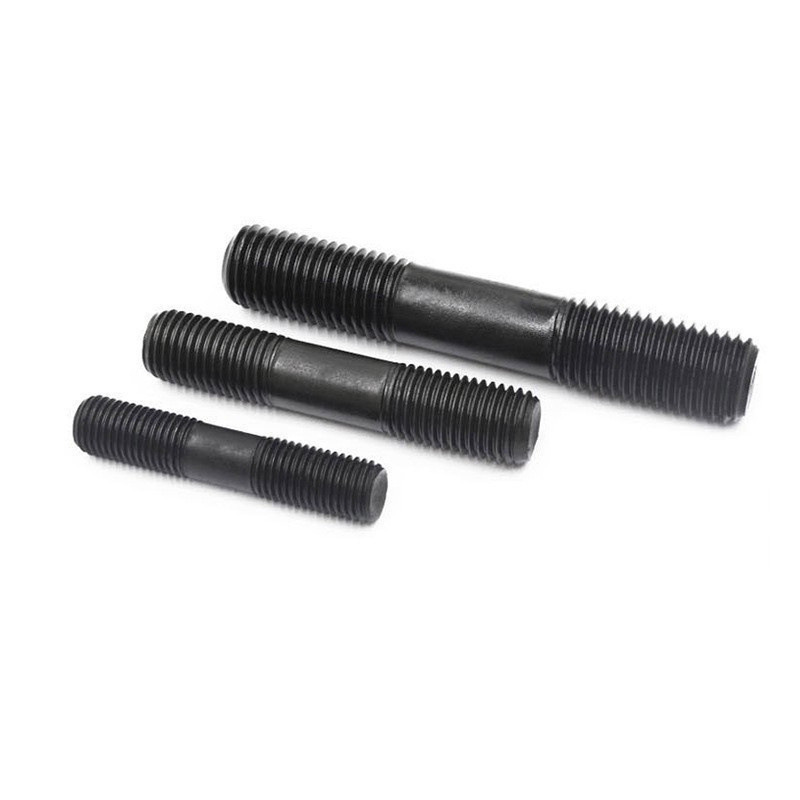
Extended Equal Length Double End Stud
Extended equal length double end studs can be used in projects that require extra length with even threads on both ends, enabling the joining of thicker materials or spanning larger gaps. Xiaoguo® factory provides studs that comply with the GB/T 953-1988 standard.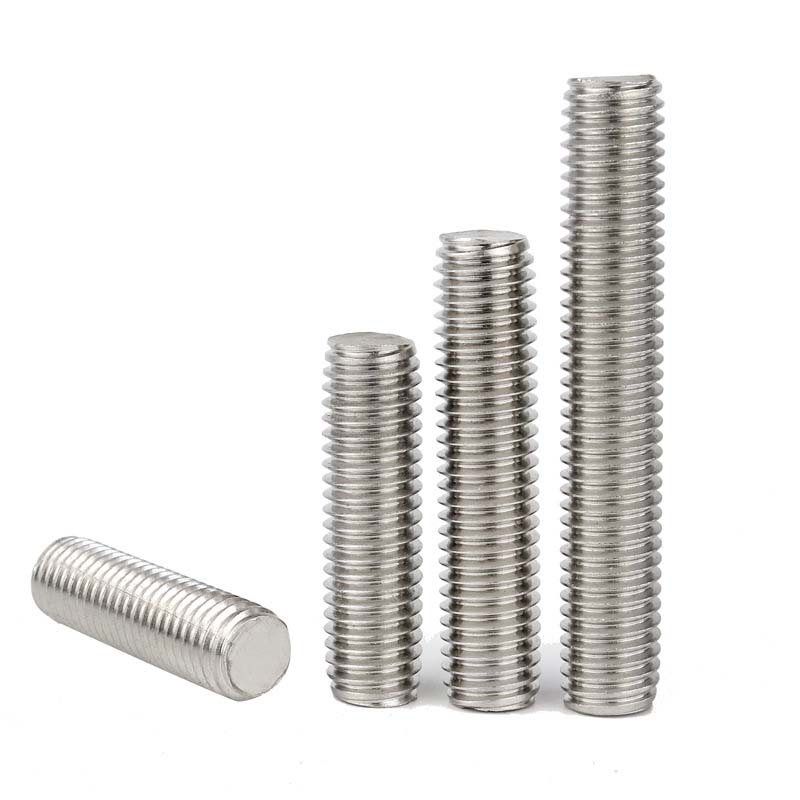
Continuous Thread Studs Coarse Teeth
Continuous thread studs coarse teeth is suitable for projects that require firm and quick connections. These stud threads run through and have thick teeth, making it easy to screw in materials such as wood or thick metal. The inventory of Xiaoguo® factory is sufficient.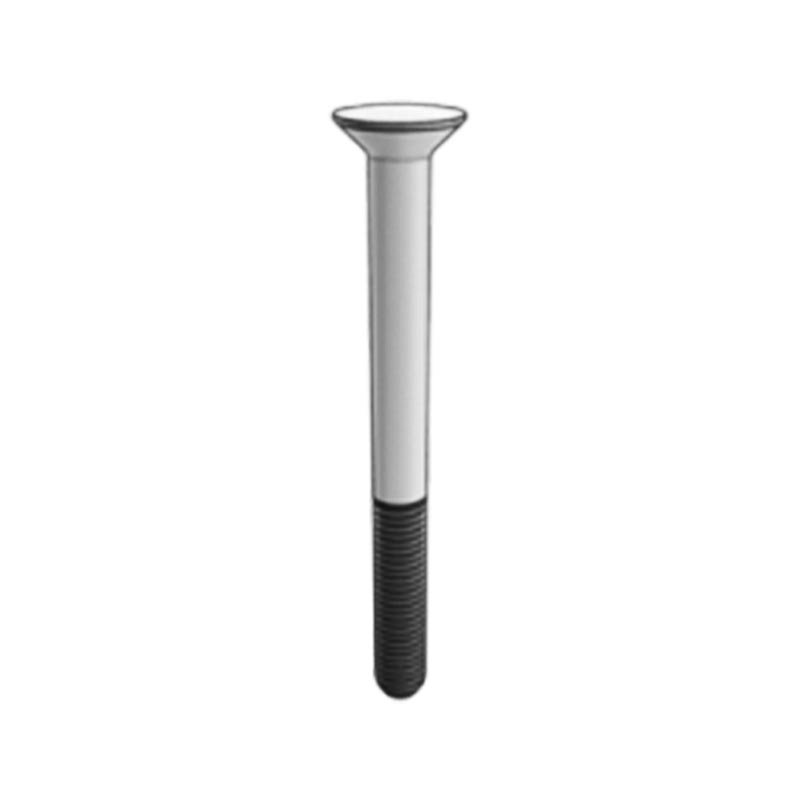
DIN529 Type G Anchor Bolts
DIN529 type G anchor bolts are essential items for any masonry or foundation project. It can be firmly embedded in concrete and bricks, ensuring the stability of your structure. Xiaoguo® Factory has a large amount of stock available and can arrange for shipment at any time.
Reliable Headed studs
Reliable Headed Studs are products of Xiaoguo®, a professional manufacturer that focuses on durable materials and strict quality control in every product. These fasteners feature a welded end and a formed head for secure structural connections.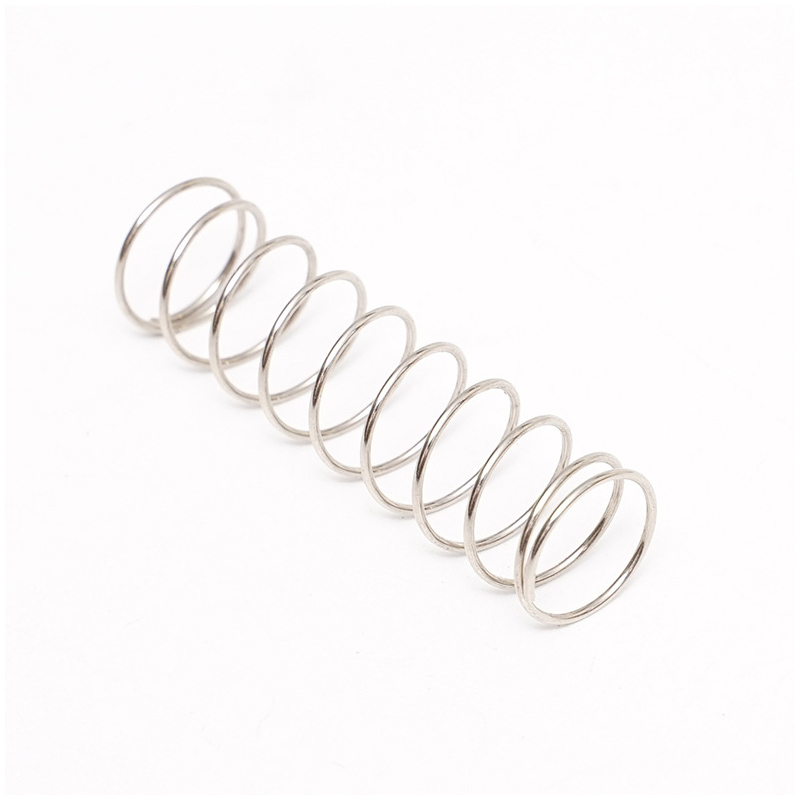
Enduring Compression Spring
Enduring Compression Spring’s primary function is to absorb shock, maintain force between surfaces, or return a component after being pushed down. As a manufacturer, Xiaoguo® ensures superior performance and corrosion resistance using premium materials like chrome silicon and stainless steel.
Rubber Plugs
Baoding Xiaoguo Intelligent Equipment Co., LTD. was set up formally in 2012, as one of the professional China Rubber plugs manufacturer and China Rubber plugs factory, we are strong strength and complete management. Also, we have own exporting license. We mainly deal in making a series of Rubber plugs and so on. We stick to the principal of quality orientation and customer priority, we sincerely welcome your letters, calls and investigations for business cooperation. We assure you of our high quality services at all time.
- Related Blog
- Reviews

Related Search
Coil Spring Lock WashersCoil Spring WashersCurved Spring WashersFlat WashersGalvanized Coating Washersinternal teeth lock washersInternal tooth lock washersLarge flat washersLarge WashersLight Type Single Coil Spring Lock WashersLight Type Spring Lock WashersLock WashersOther Washersoversized washersPlain WashersSerrated Lock WashersSingle Coil Spring Lock Washerssplit lock washersSplit spring lock washersSplit Spring WashersSpring Lock WashersSpring WashersSquare WashersStructural WashersWave Saddle Spring Washers