
- English
- Español
- Português
- русский
- Français
- 日本語
- Deutsch
- tiếng Việt
- Italiano
- Nederlands
- ภาษาไทย
- Polski
- 한국어
- Svenska
- magyar
- Malay
- বাংলা ভাষার
- Dansk
- Suomi
- हिन्दी
- Pilipino
- Türkçe
- Gaeilge
- العربية
- Indonesia
- Norsk
- تمل
- český
- ελληνικά
- український
- Javanese
- فارسی
- தமிழ்
- తెలుగు
- नेपाली
- Burmese
- български
- ລາວ
- Latine
- Қазақша
- Euskal
- Azərbaycan
- Slovenský jazyk
- Македонски
- Lietuvos
- Eesti Keel
- Română
- Slovenski
- मराठी
- Srpski језик

China Spring Washers Manufacturer, Supplier, Factory
Understanding Spring Washers and Their Critical Role in Fastening Systems
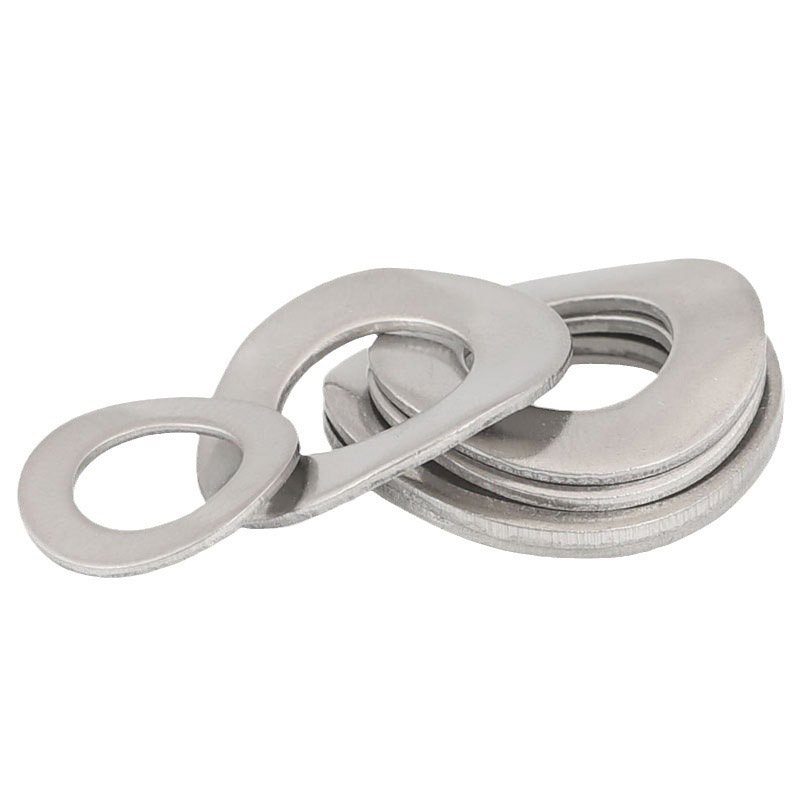
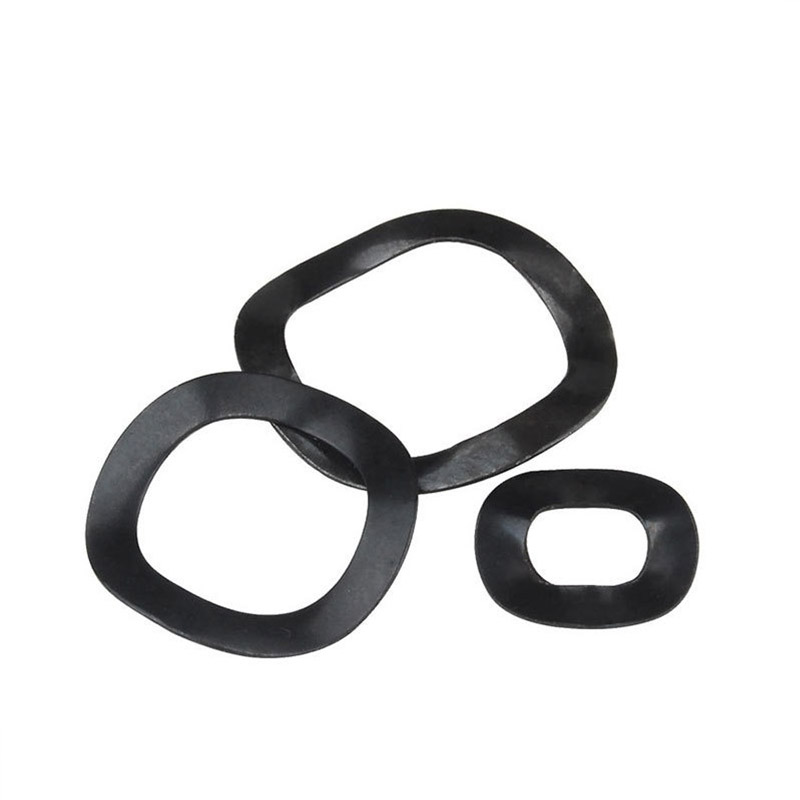
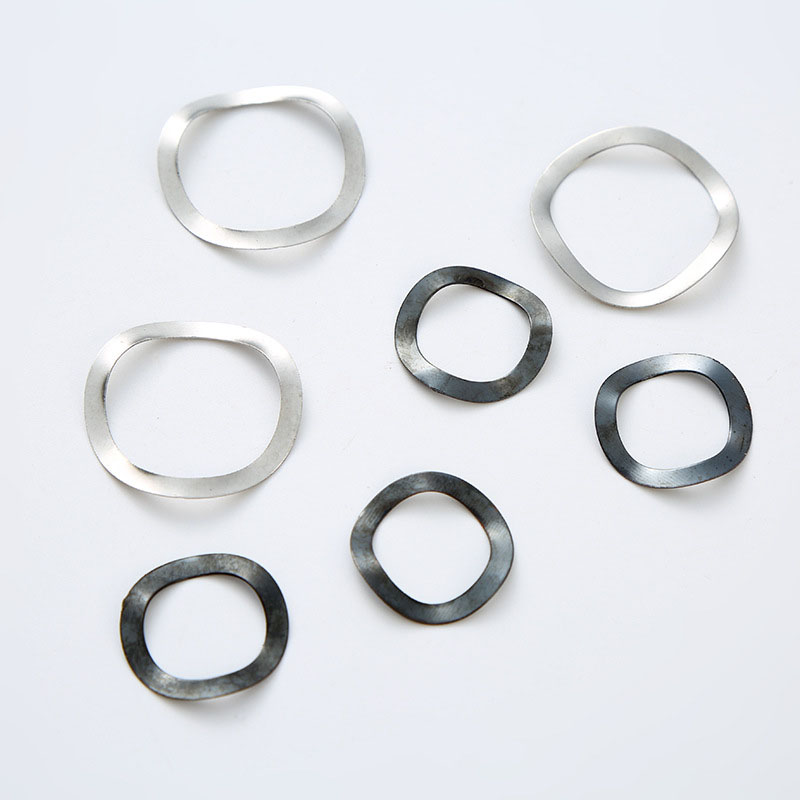
In the world of industrial fasteners, maintaining a secure and reliable connection is paramount. Spring washers are indispensable components designed to prevent the loosening of bolted joints due to vibration, thermal expansion, or other dynamic forces. These washers work by applying a continuous spring force against the nut or bolt head, which compensates for any slack that might develop. Among the various types available, Split Spring Washers are a popular choice due to their helical cut design that creates a sharp edge to bite into the bearing surface and the bolt head, providing excellent resistance to rotation. Similarly, split lock washers function on the same principle, often used interchangeably in many applications to maintain preload. For scenarios demanding higher spring action and load distribution, Split spring lock washers combine the features of both split and spring washers, offering superior locking performance. When a more uniform pressure distribution is required across a larger surface area, a Corrugated Spring Washer, with its waved or curved design, is the ideal solution, effectively handling varying loads and gaps.
Detailed Technical Specifications of Spring Washers
A Spring Washer is characterized by its specific design parameters that dictate its performance in an assembly. The material, dimensions, load capacity, and working temperature range are all critical factors to consider for optimal selection and application. Below is a detailed breakdown of the standard specifications for our high-quality spring washers.
- Primary Function: To prevent loosening of fasteners under vibration and thermal cycling.
- Working Principle: Applies a continuous spring force to maintain bolt tension and clamp load.
- Common Applications: Automotive assemblies, aerospace components, heavy machinery, electronics, and construction.
| Parameter | Description | Standard Range / Value |
|---|---|---|
| Material | The base metal used for manufacturing, determining strength and corrosion resistance. | Carbon Steel (Grade 1050, 1065), Stainless Steel (302, 316), Inconel, Phosphor Bronze |
| Surface Finish | Coating or plating applied to enhance durability and environmental resistance. | Zinc Plated, Galvanized, Black Oxide, Cadmium Plated, Passivated |
| Size (Nominal Diameter) | The internal diameter that fits the bolt shaft. | #2 to 1 inch (or M2 to M24 metric equivalents) |
| Load Capacity (Spring Rate) | The force exerted by the washer per unit of deflection. | Varies by size and material; typically 10 N/mm to 500 N/mm |
| Operating Temperature | The temperature range within which the washer performs reliably. | -60°C to +300°C (dependent on material; higher for Inconel) |
| Standards Compliance | International standards governing dimensions and performance. | ANSI B18.21.1, DIN 127, DIN 128, ISO 10683 |
Related Products


Hot Products

High Strength Flat Head Hex Screw
High strength flat head hex screws is a suitable for the fastening force requirements are relatively high and need a certain anti-loosening effect of the occasion.Xiaoguo® as a manufacture dedicated to the professional production of various types of metal fasteners to our potential customers.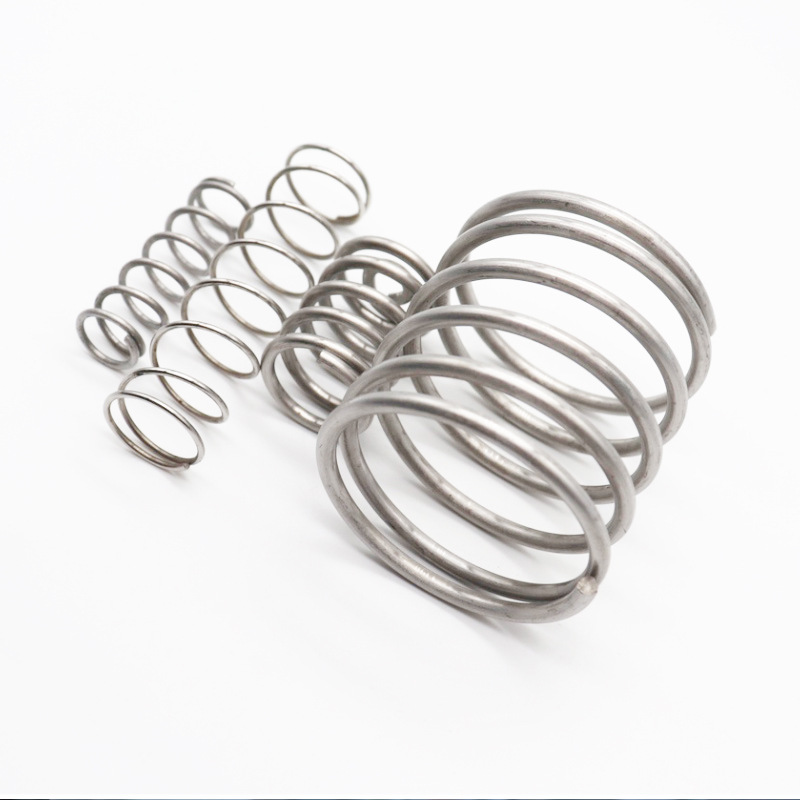
Smooth Unwinding Spiral Spring
Smooth Unwinding Spiral Spring is most often the main power source in mechanical clocks, watches, and even some antique music boxes—where steady power delivery is critical. When it comes to reliable helical springs that hold consistent performance under pressure, global partners and suppliers all turn to Xiaoguo®’s technical expertise.
Stainless Steel Curved Spring Washer
The Stainless Steel Curved Spring Washer in the Xiaoguo® inventory have a wide range of applications and offer high cost-effectiveness. They help numerous customers save costs and provide effective usage guidance.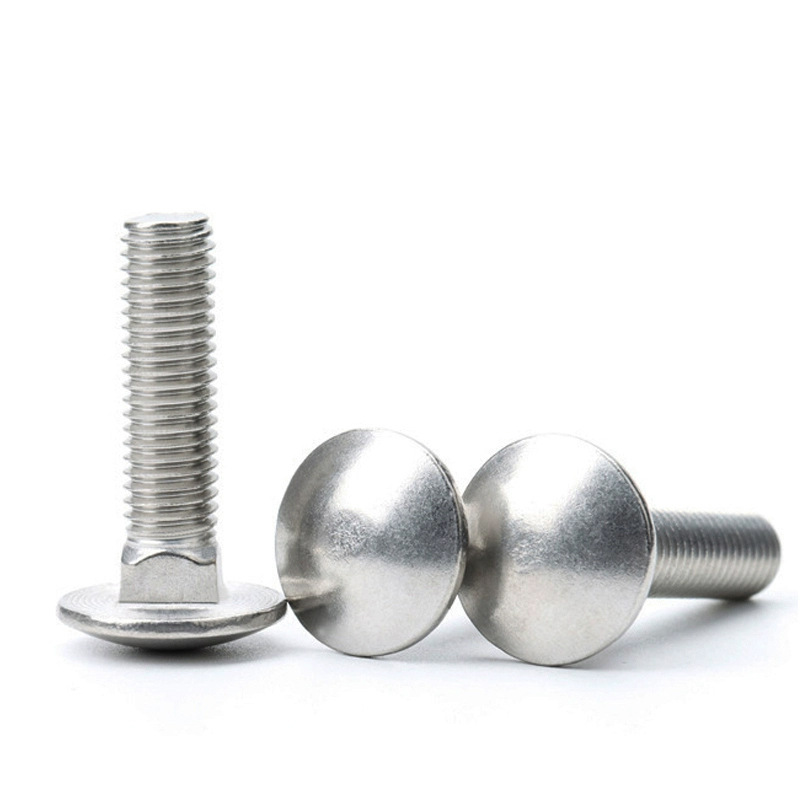
Cup Head Nib Bolts
The Cup head nib bolts produced by Xiaoguo® Company can firmly clamp soft materials such as wood or plastic. The cup-shaped head provides a larger tightening surface area, and the pointed tip at the bottom can penetrate deep into the bolt to prevent it from slipping or rotating during operation.
Mission Critical Aircraft Steel Wire Rope
The exceptional strength-to-weight ratio and fatigue resistance of its Mission Critical Aircraft Steel Wire Rope are critical for flight control systems and other safety-critical assemblies. Specializing in aerospace-grade fasteners and aircraft cable, Xiaoguo®, a seasoned manufacturer in the aviation supply chain, meets the stringent demands of the aviation industry.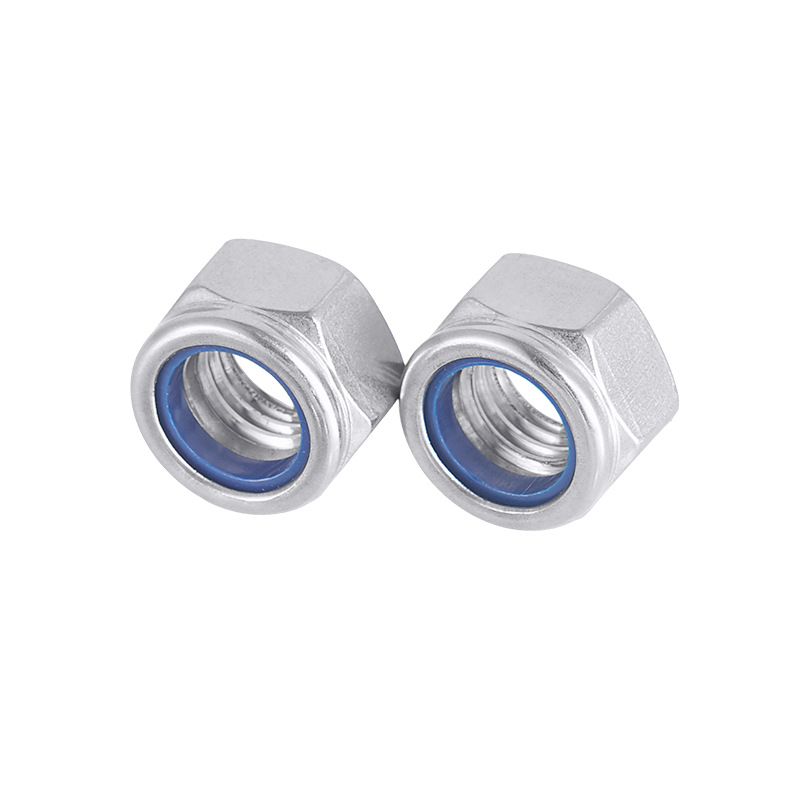
Metric Nylon Lock Nut
Metric nylon lock nuts rely on the friction between the nylon collar and the bolt threads to provide a secure hold. Xiaoguo offers the latest nylon locknuts in stock.
- Related Blog
- Reviews