- English
- Español
- Português
- русский
- Français
- 日本語
- Deutsch
- tiếng Việt
- Italiano
- Nederlands
- ภาษาไทย
- Polski
- 한국어
- Svenska
- magyar
- Malay
- বাংলা ভাষার
- Dansk
- Suomi
- हिन्दी
- Pilipino
- Türkçe
- Gaeilge
- العربية
- Indonesia
- Norsk
- تمل
- český
- ελληνικά
- український
- Javanese
- فارسی
- தமிழ்
- తెలుగు
- नेपाली
- Burmese
- български
- ລາວ
- Latine
- Қазақша
- Euskal
- Azərbaycan
- Slovenský jazyk
- Македонски
- Lietuvos
- Eesti Keel
- Română
- Slovenski
- मराठी
- Srpski језик

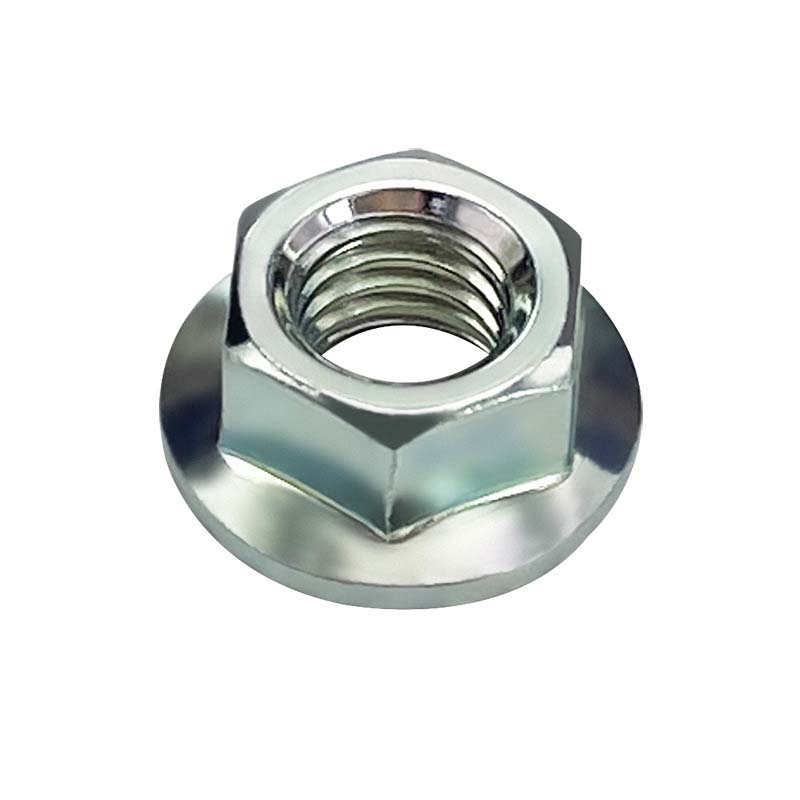
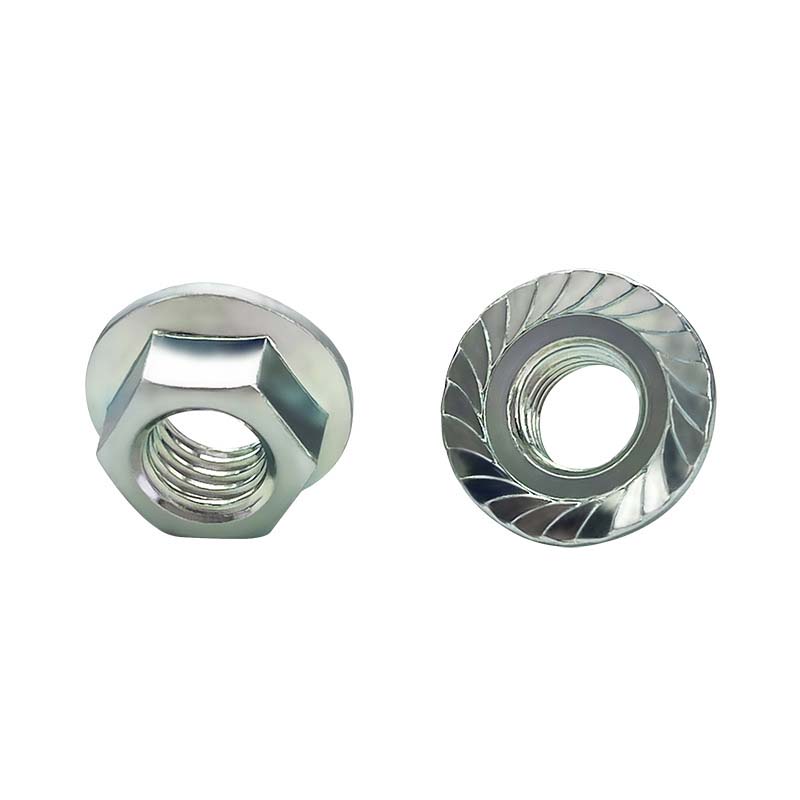
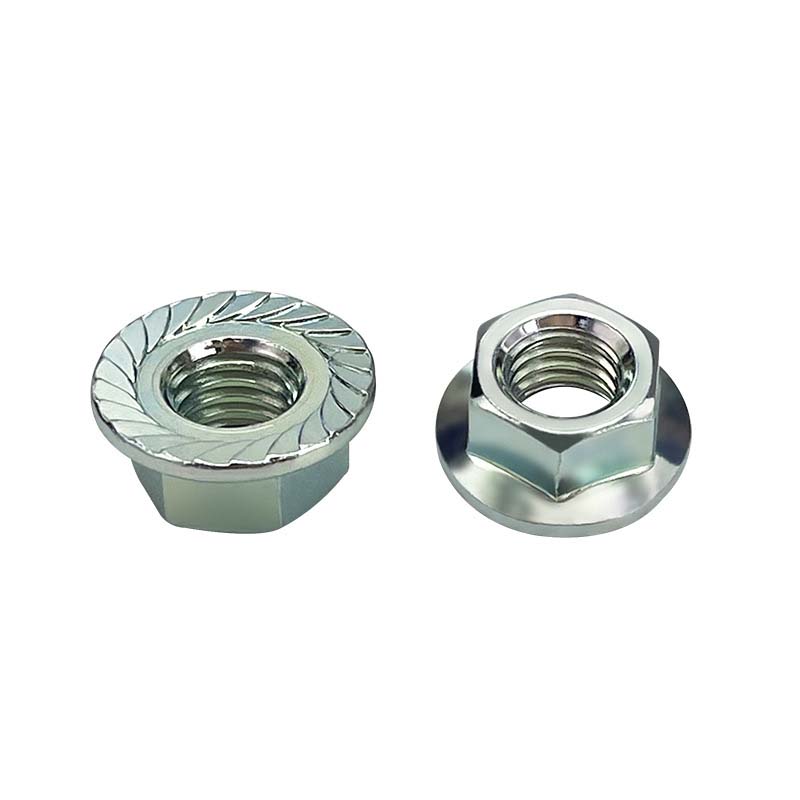
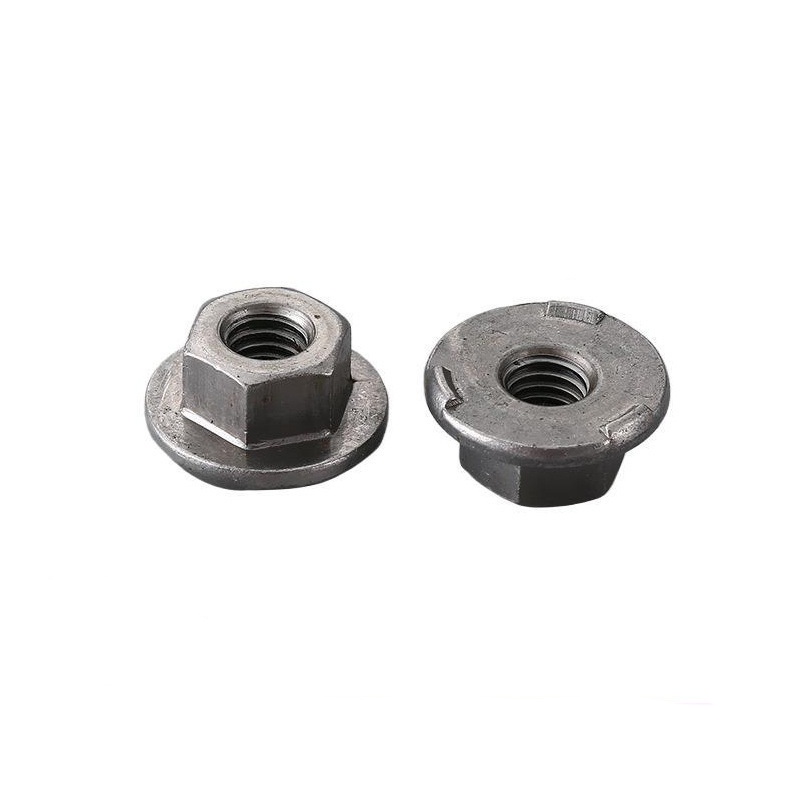
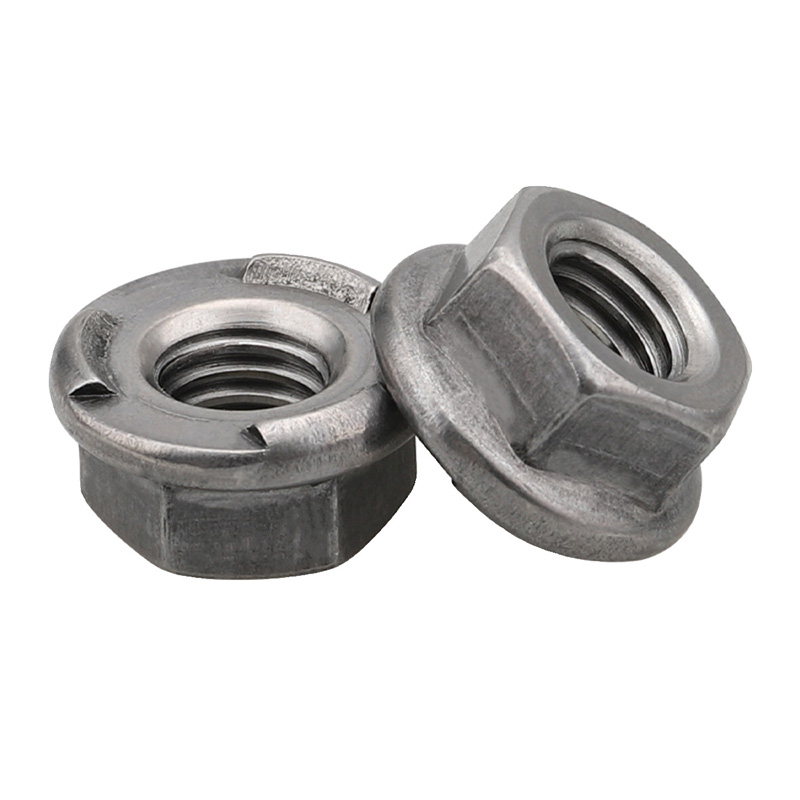
Type 2 Hexagon Nuts With Flange
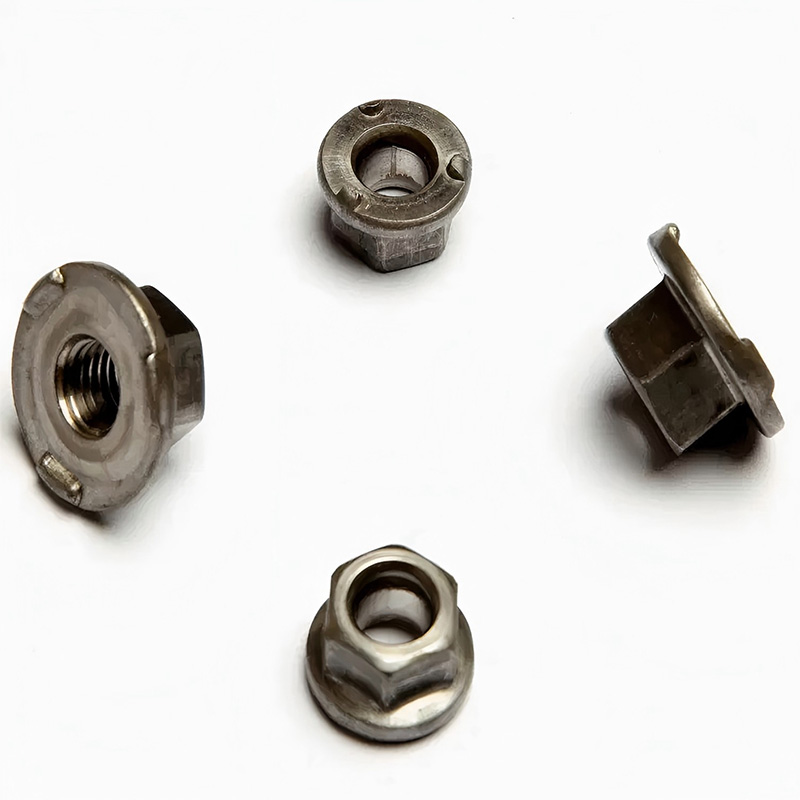
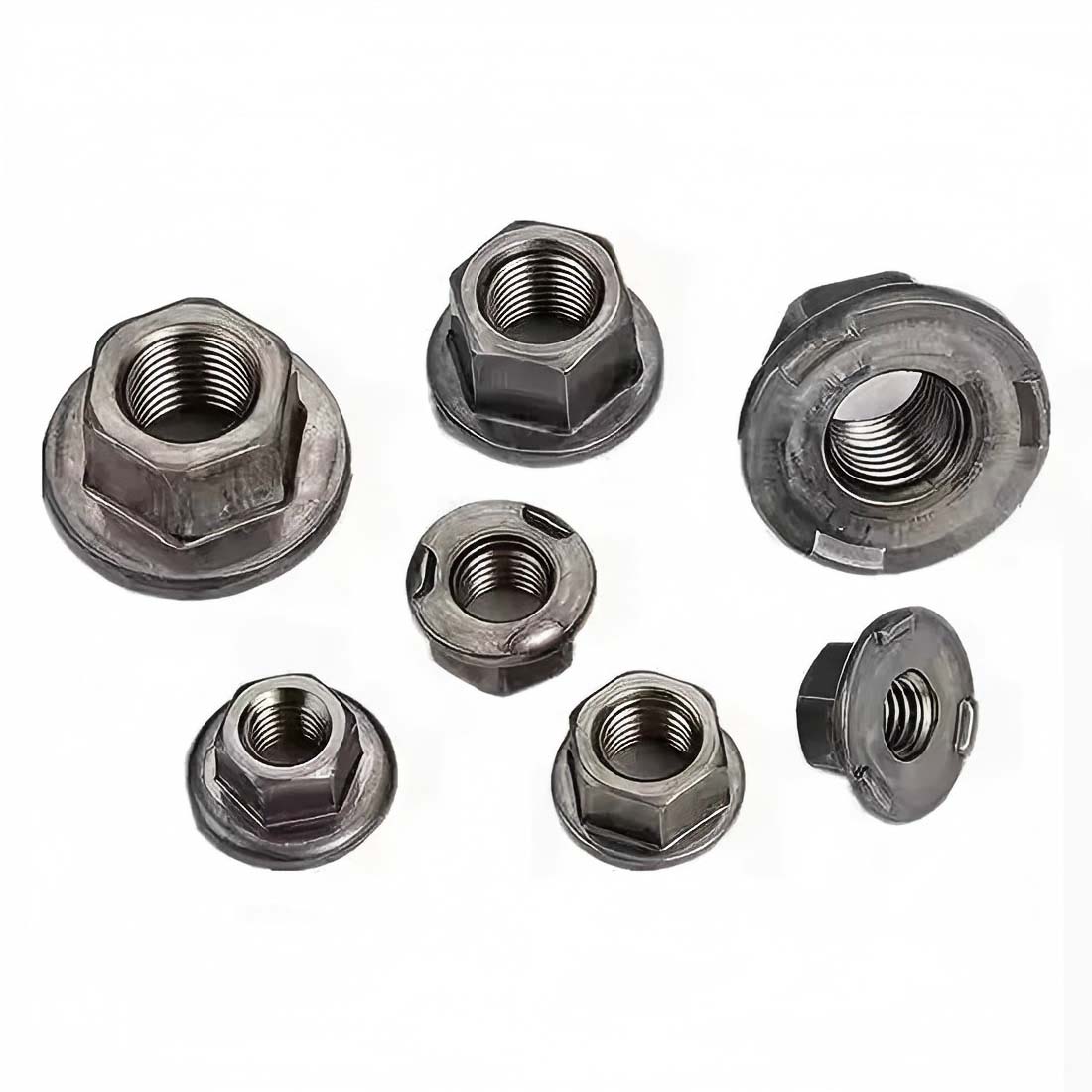
Source precision fasteners directly. As a professional ChinaType 2 Hexagon Nuts With Flange factory, XIAO GUO manufactures durable screws with precise socket and head dimensions, ensuring reliable engagement and a clean, countersunk appearance in your products.
Model:GB/T 6177.1-2000
Send Inquiry
Product Description
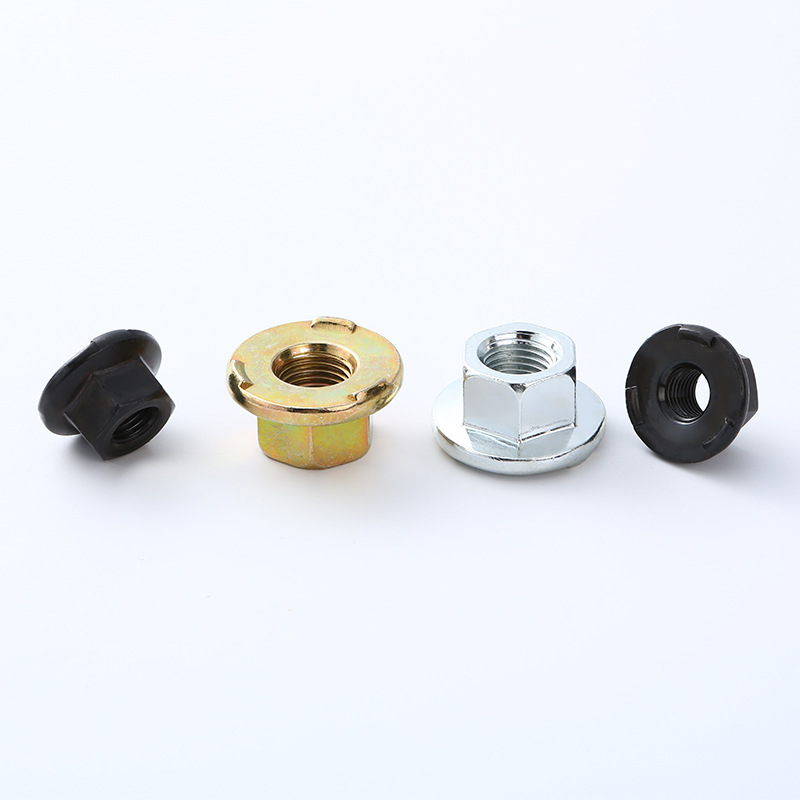
Okay, so when we talk about the surface treatment for Type 2 Hexagon Nuts With Flange, it's really about two things: stopping them from rusting and making them a bit tougher against wear and tear. There's no decorative reason behind it—it's all practical.
The most common and affordable option is zinc plating. This basically puts a thin layer of zinc on the surface of the nut. It's a good, budget-friendly choice for places that are mostly dry, like inside a machinery workshop, on indoor equipment, or on outdoor structures that aren't exposed to constant dampness. That zinc layer acts like a barrier against moisture, so the nut doesn't start to rust under normal use.
Another standard option is nickel plating. Compared to zinc, nickel handles corrosion a bit better, so it's a more suitable pick for places that might be a little damp—like workshops where water is used often, or industrial areas near the coast. It also leaves the surface feeling smoother, which can make the nut easier to tighten down since there's less friction. For really tough spots, like right on the ocean or in places with chemicals, you can get stainless steel nuts with a passivation treatment. This process just boosts the stainless steel's natural ability to resist corrosion, helping it stand up to things like salt spray or chemical exposure over time.
Product specifications and grades
Alright, so the specs and grades for Type 2 Hexagon Nuts With Flange are pretty clearly laid out—there's no guesswork involved, which helps match them to different kinds of industrial jobs. In terms of sizing, they follow common international standards, like DIN 6923 and ISO 4162. You can usually find them in sizes from M4 up to M24, and the flange around the nut is sized to match—so an M8 nut, for example, would have a flange diameter of about 16mm. They mostly come with standard metric coarse threads, since that's what's used most often out there, but you can also get them with metric fine threads if you need a tighter, more precise fit for certain equipment.
When it comes to material strength, the two main grades you'll see are 4.8 and 8.8. These numbers tell you how strong and hard the nut is. Grade 4.8 nuts are made from regular carbon steel. They're the more affordable option and work fine for lighter jobs—think putting together furniture, attaching panels on appliances, or fastening parts that don't carry much weight. They get the basic fastening job done without any extra cost.
Q&A Session
Q: What are its minimum order quantity and delivery time?
A: The MOQ for Type 2 Hexagon Nuts With Flange is 500 pieces per size. Standard sizes have a 2–3 week lead time, including production and quality checks. For customized specs like special surface treatment or non-standard sizes, MOQ goes up to 1000 pieces, and lead time extends to 4–5 weeks depending on customization complexity.
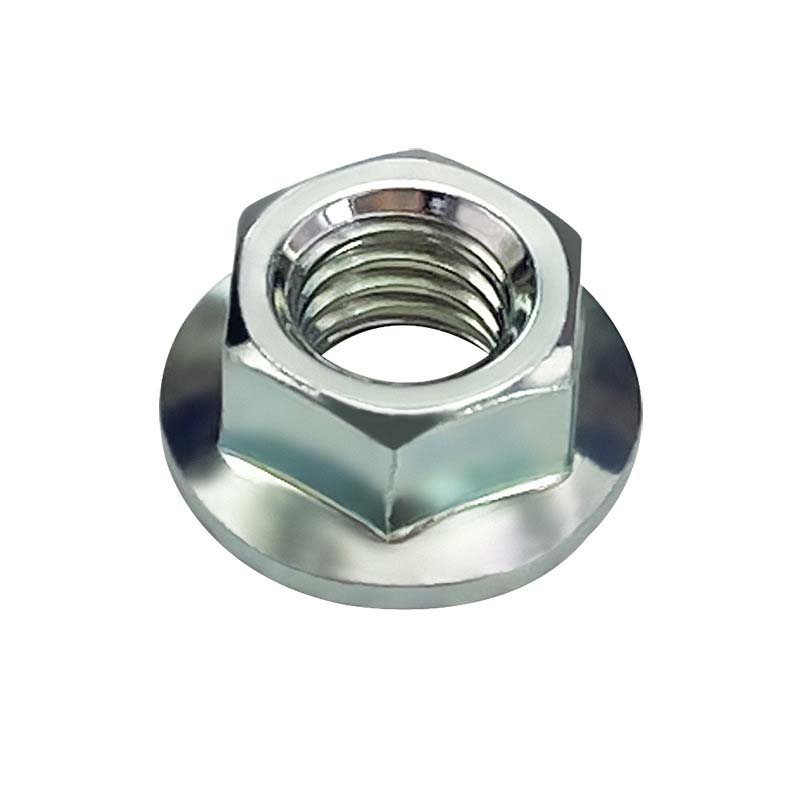

Hot Tags: Type 2 Hexagon Nuts With Flange, China, Manufacturer, Supplier, Factory
Product Tag
Related Category
Hexagon Nut
Square Nut
Hexagon Flange Nut
Lock Nut
Cap Nut
Hexagon Slotted Nut
Hand Screw The Nut
Round Nut
Hubs Nuts
T-nut
Reed Nut
Other Nuts
Send Inquiry
Please Feel free to give your inquiry in the form below. We will reply you in 24 hours.