- English
- Español
- Português
- русский
- Français
- 日本語
- Deutsch
- tiếng Việt
- Italiano
- Nederlands
- ภาษาไทย
- Polski
- 한국어
- Svenska
- magyar
- Malay
- বাংলা ভাষার
- Dansk
- Suomi
- हिन्दी
- Pilipino
- Türkçe
- Gaeilge
- العربية
- Indonesia
- Norsk
- تمل
- český
- ελληνικά
- український
- Javanese
- فارسی
- தமிழ்
- తెలుగు
- नेपाली
- Burmese
- български
- ລາວ
- Latine
- Қазақша
- Euskal
- Azərbaycan
- Slovenský jazyk
- Македонски
- Lietuvos
- Eesti Keel
- Română
- Slovenski
- मराठी
- Srpski језик

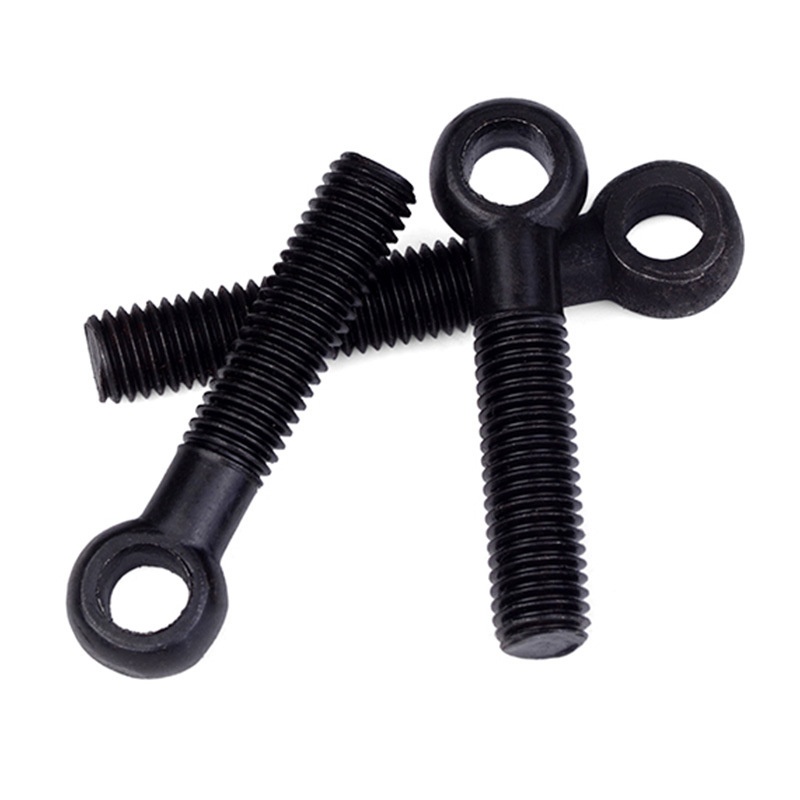
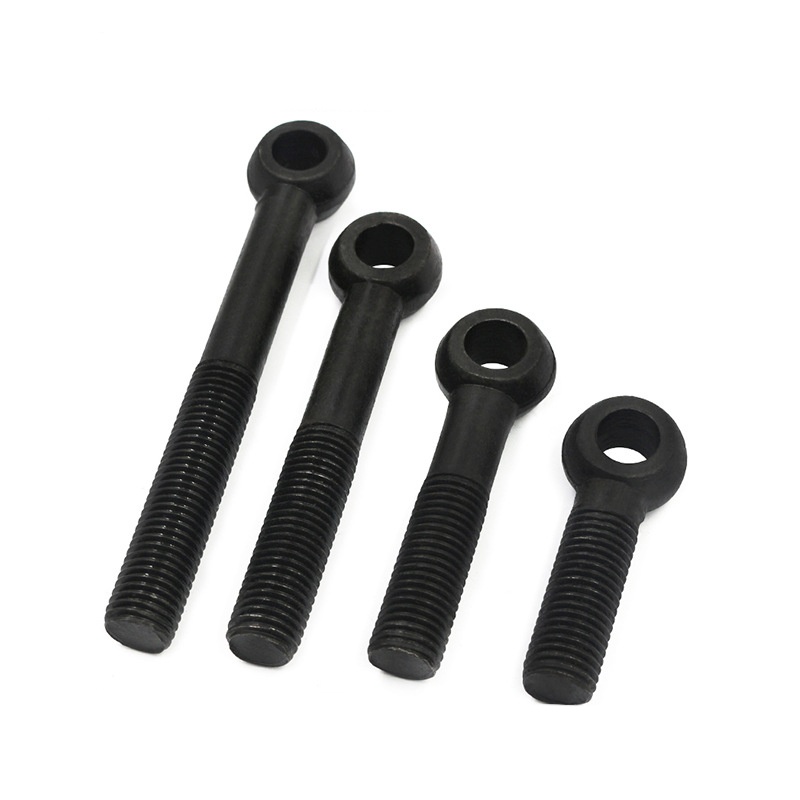
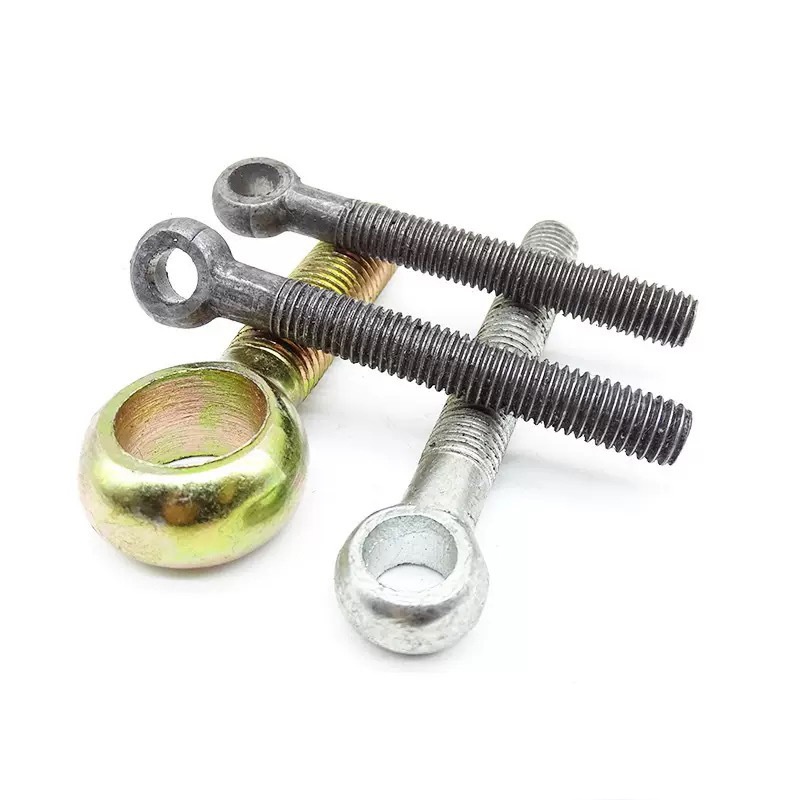
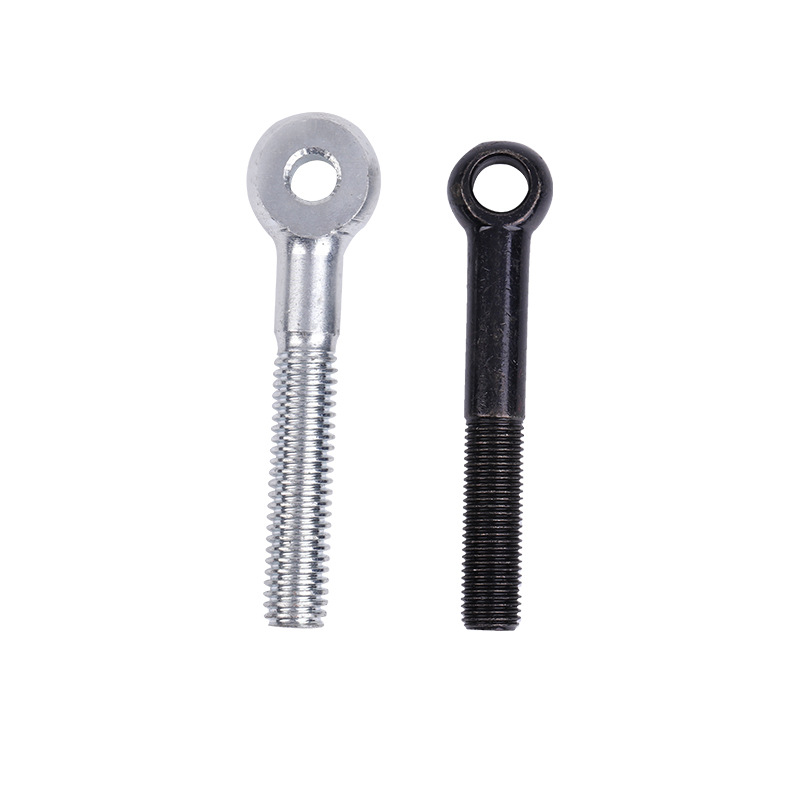
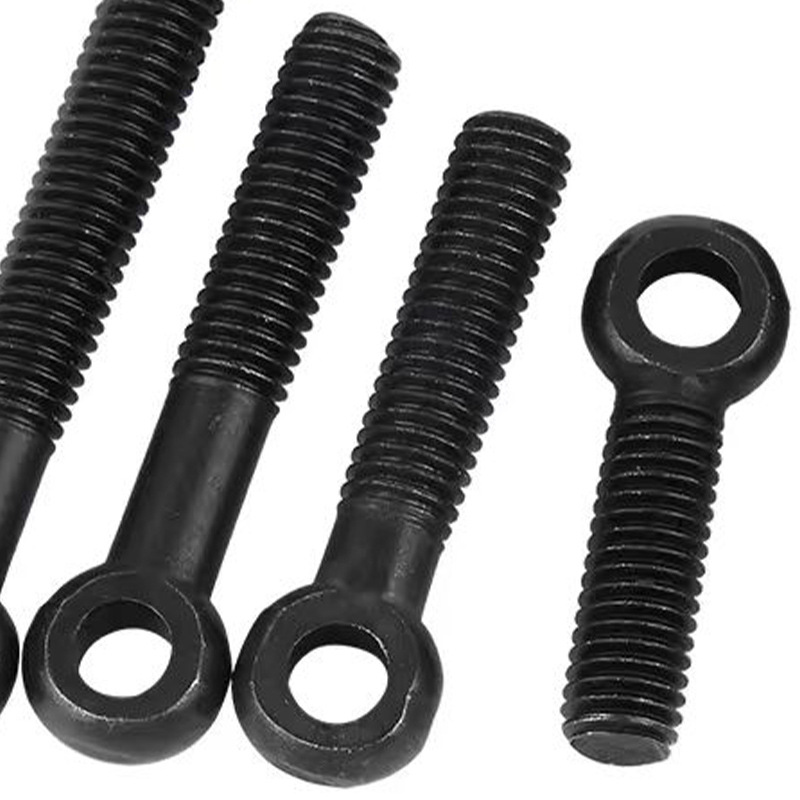
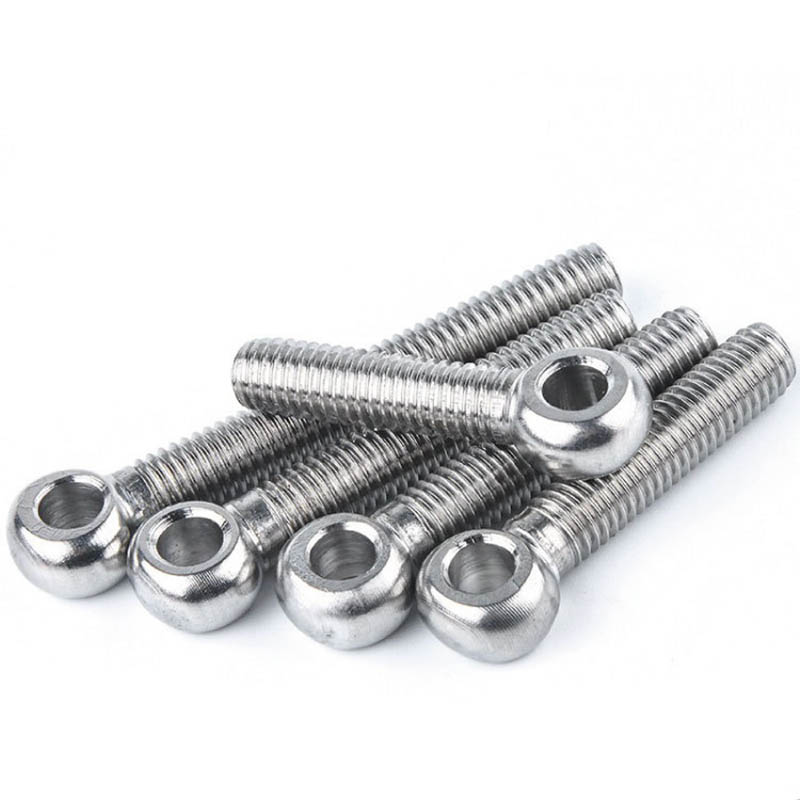
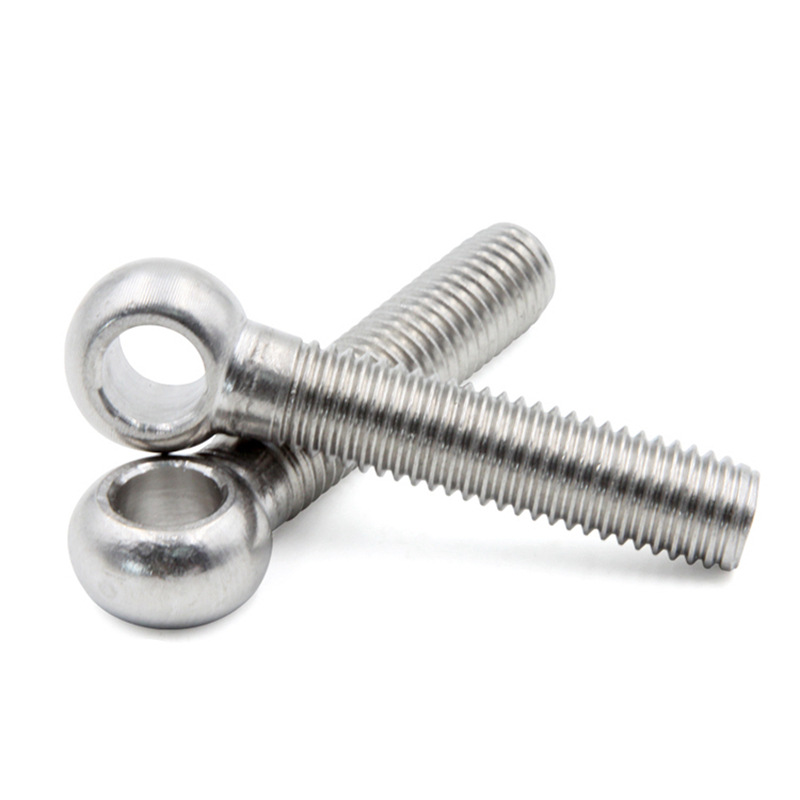
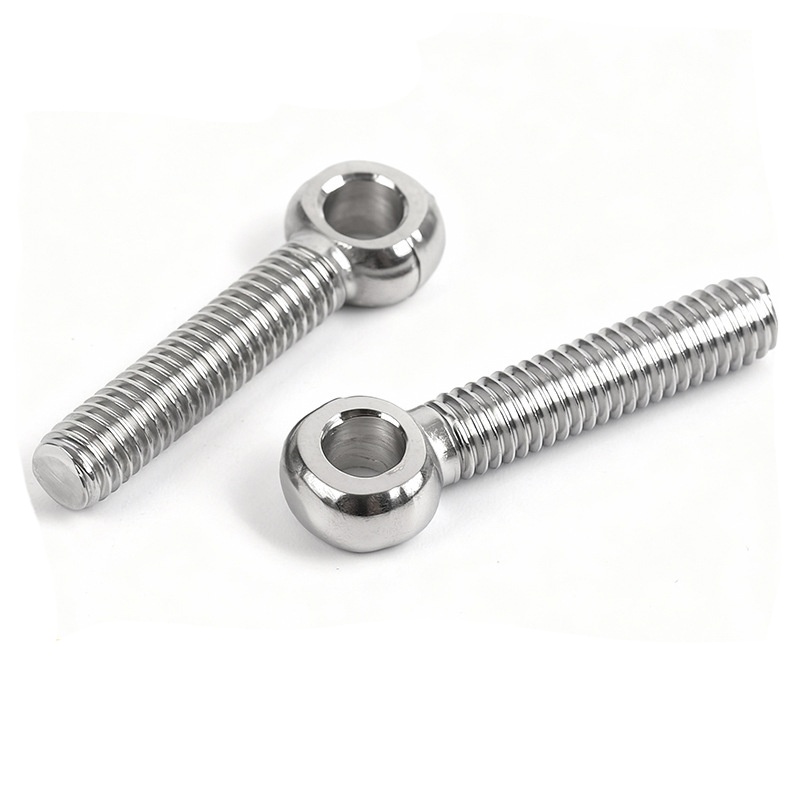
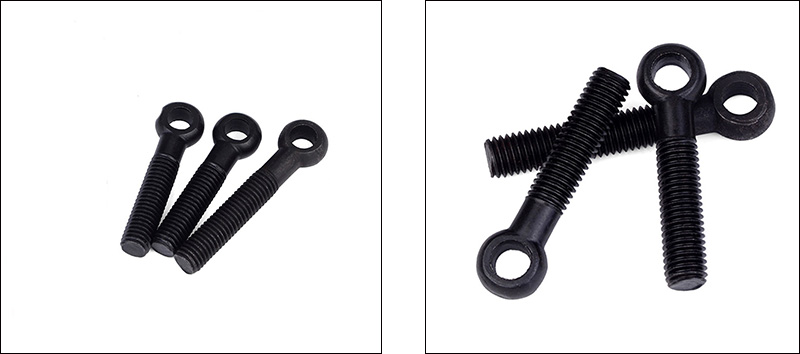
Threaded Rod Eye Bolt
The China Xiaoguo® Threaded Rod Eye bolt is made of 42CrMo material with modified heat treatment, and its fatigue life can reach 2 million cycles. Before placing an order, free samples can be provided, along with a third-party fatigue test report and related inspection reports.
Send Inquiry
Product Description
Surface Treatment Introduction
The following is an introduction and comparison of the main surface treatment processes for Threaded Rod Eye bolt.
(1)Electro-galvanizing
Electro-galvanizing is a process that deposits a layer of zinc on the surface of Threaded Rod Eye bolt through electrolysis, and it is the most common and economical method of corrosion prevention.
Color: Exhibits a blue-white, multicolored or black lustrous appearance.
Salt spray test: Does not develop red rust after being maintained for 48 to 72 hours.
Advantages: Low cost, bright appearance and can meet general indoor rust prevention requirements.
Disadvantages: Limited corrosion resistance, not suitable for outdoor or high-humidity environments.
(2)Hot-dip galvanizing
Hot-dip galvanizing involves immersing the bolts in molten zinc at approximately 450°C, resulting in a thicker layer of zinc-iron alloy.
Color: Silver-gray
Salt spray test: Can last for over 500 to 1000 hours
Advantages: Excellent corrosion resistance, thick and durable coating
Disadvantage: Rough appearance
(3)Dacromet
Dacromet is a coating process that attaches zinc and aluminum sheet-like powders to the surface of Threaded Rod Eye bolt through sintering.
Color: Matte silver-gray
Salt spray test: Over 1000 hours.
Advantages: Excellent corrosion resistance, no hydrogen embrittlement, stable torque
Disadvantages: Contains hexavalent chromium (subject to environmental restrictions); high price
(4)Mechanical galvanizing
Mechanical galvanizing is a process that involves "cold welding" zinc powder onto the surface of bolts through mechanical impact. The entire process does not require heating or acid washing.
Color: Silver Grey
Salt spray test: 1000 hours +
Advantages: No hydrogen embrittlement, uniform coating (50-85 µm)
Disadvantages: High cost, difficult to process small specifications
(5)Black Oxide
A magnetic tricobalt ferrite film with a thickness of 0.5 to 2 micrometers is formed on the surface of the bolt through chemical oxidation, without significantly altering the size.
Color: Black
Salt spray test: 3 - 5 hours
Advantages: Lowest cost, no impact on size
Disadvantages: Extremely weak corrosion resistance, must be coated with oil
How to choose the surface treatment?
How to choose the surface treatment? Please specify the usage environment, strength grade and budget of the Threaded Rod Eye bolt. Here are the common options. If you need any assistance, we will communicate with you and provide precise advice.
(1)Indoor dry environment, below grade 8.8 → Electro-galvanizing.
(2)Outdoor environments with moisture or salt spray → Hot-dip galvanizing (for carbon steel) or 304 stainless steel.
(3)High strength (≥ 10.9 grade) and requiring strict anti-corrosion → Dacromet or mechanical galvanization.
(4)Highly corrosive environment (marine/chemical) → 316 stainless steel in its natural color.
Just need temporary rust prevention or a black finish → Stain removal + Rust inhibitor.
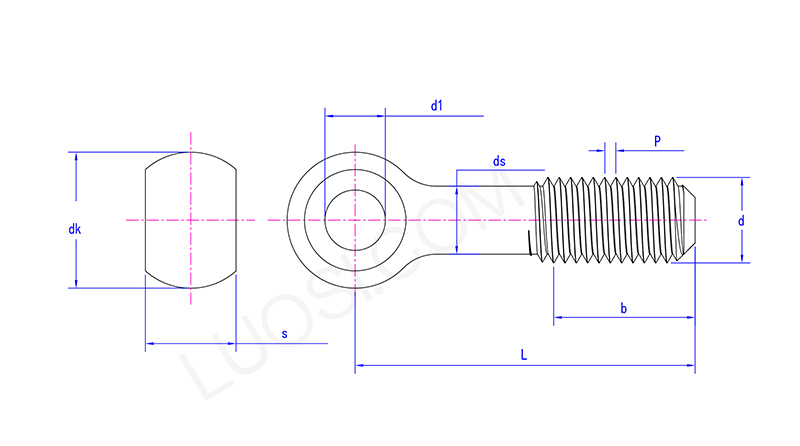
| Mon | M8 | M10 | M12 | M16 | M20 | M24 | M27 | M30 | M33 | M36 | M39 |
| P | 1.25 | 1.5 | 1.75 | 2 | 2.5 | 3 | 3 | 3.5 | 3.5 | 4 | 4 |
| d1 max | 8.036 | 10.036 | 12.043 | 16.043 | 18.043 | 22.052 | 25.052 | 28.052 | 30.052 | 32.062 | 35.062 |
| d1 min | 8 | 10 | 12 | 16 | 18 | 22 | 25 | 28 | 30 | 32 | 35 |
| dk max | 18 | 20 | 25 | 32 | 40 | 45 | 50 | 55 | 60 | 65 | 70 |
| dk min | 16.9 | 18.7 | 23.7 | 30.4 | 38.4 | 43.4 | 48.4 | 53.1 | 58.1 | 63.1 | 68.1 |
| s max | 11 | 14 | 17 | 19 | 24 | 28 | 30 | 34 | 38 | 41 | 46 |
| s min | 10.3 | 13.3 | 16.3 | 18.16 | 23.16 | 27.16 | 29.16 | 33 | 37 | 40 | 45 |
| ds max | 8 | 10 | 12 | 16 | 20 | 24 | 27 | 30 | 33 | 36 | 39 |
Hot Tags: Threaded Rod Eye Bolt, China, Manufacturer, Supplier, Factory
Related Category
Hexagon Head Bolt
Hexagon Head Flange Bolt
Square Head Bolt
Round Head Bolt
Countersunk Bolt
Knuckle Bolt
T-bolt
U Bolt
Foundation Bolts
Anchor Bolt
Hub Bolt
Hexalobular Socket Pan Head Bolt
Twelve Angle Bolt
Send Inquiry
Please Feel free to give your inquiry in the form below. We will reply you in 24 hours.