- English
- Español
- Português
- русский
- Français
- 日本語
- Deutsch
- tiếng Việt
- Italiano
- Nederlands
- ภาษาไทย
- Polski
- 한국어
- Svenska
- magyar
- Malay
- বাংলা ভাষার
- Dansk
- Suomi
- हिन्दी
- Pilipino
- Türkçe
- Gaeilge
- العربية
- Indonesia
- Norsk
- تمل
- český
- ελληνικά
- український
- Javanese
- فارسی
- தமிழ்
- తెలుగు
- नेपाली
- Burmese
- български
- ລາວ
- Latine
- Қазақша
- Euskal
- Azərbaycan
- Slovenský jazyk
- Македонски
- Lietuvos
- Eesti Keel
- Română
- Slovenski
- मराठी
- Srpski језик

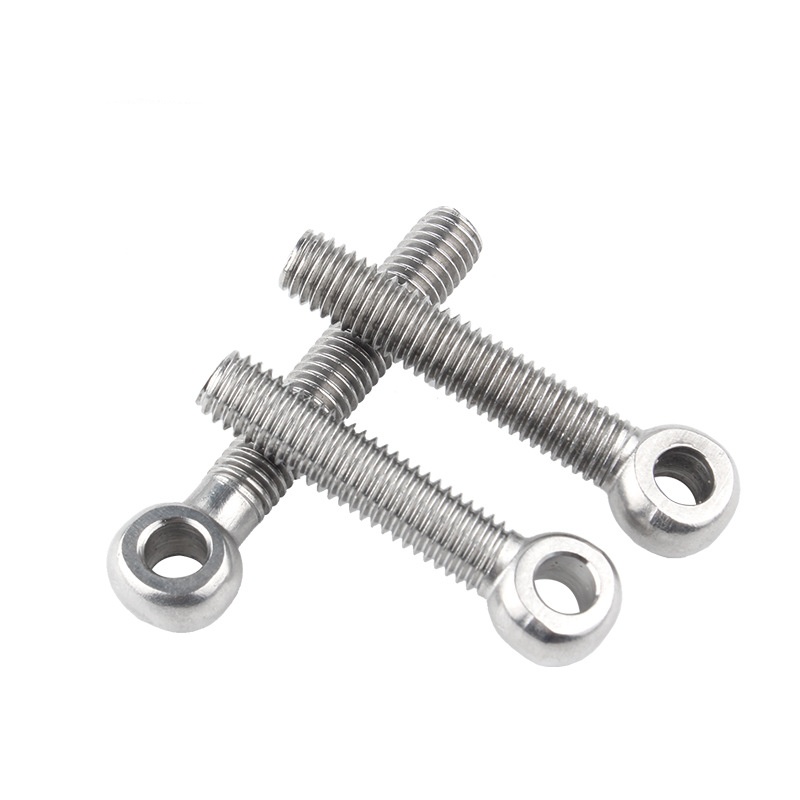
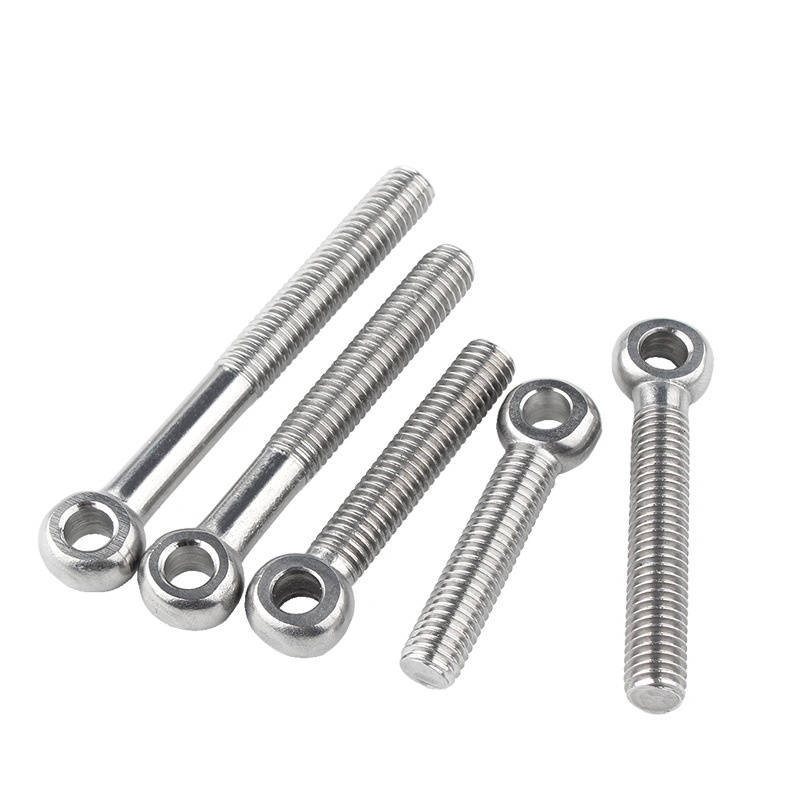
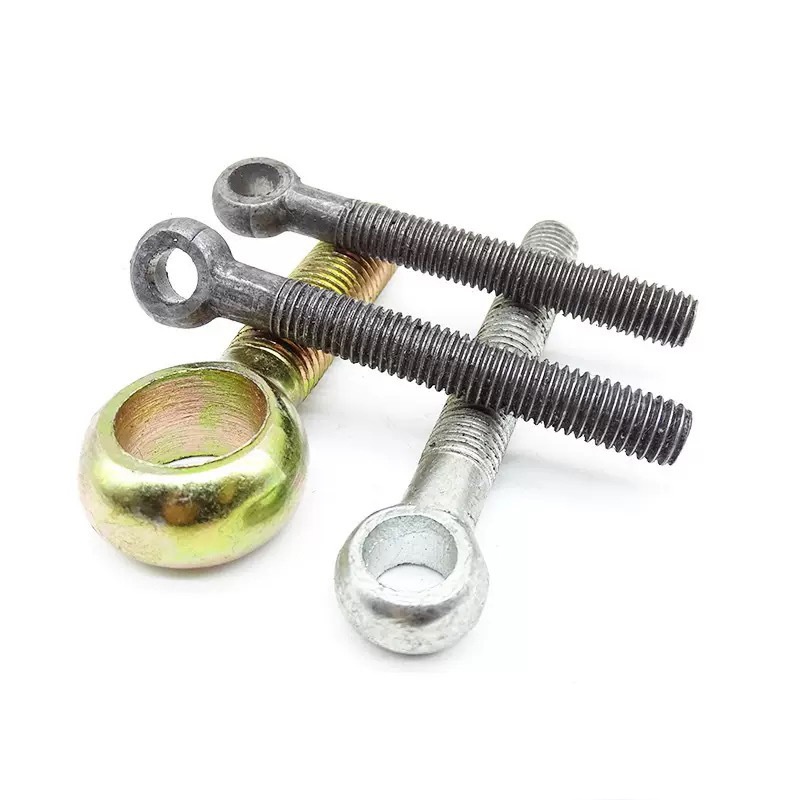
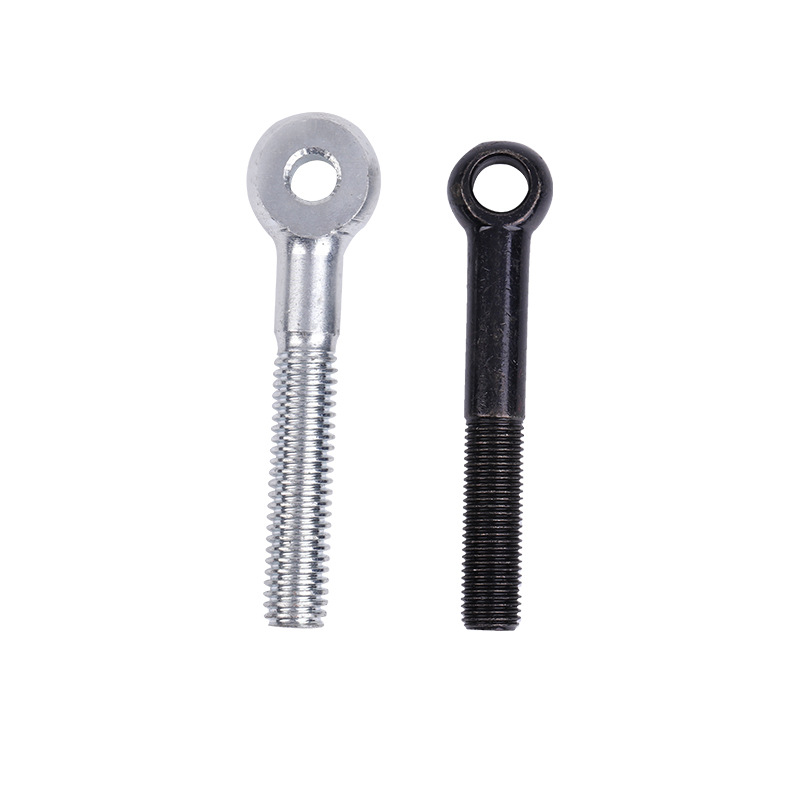
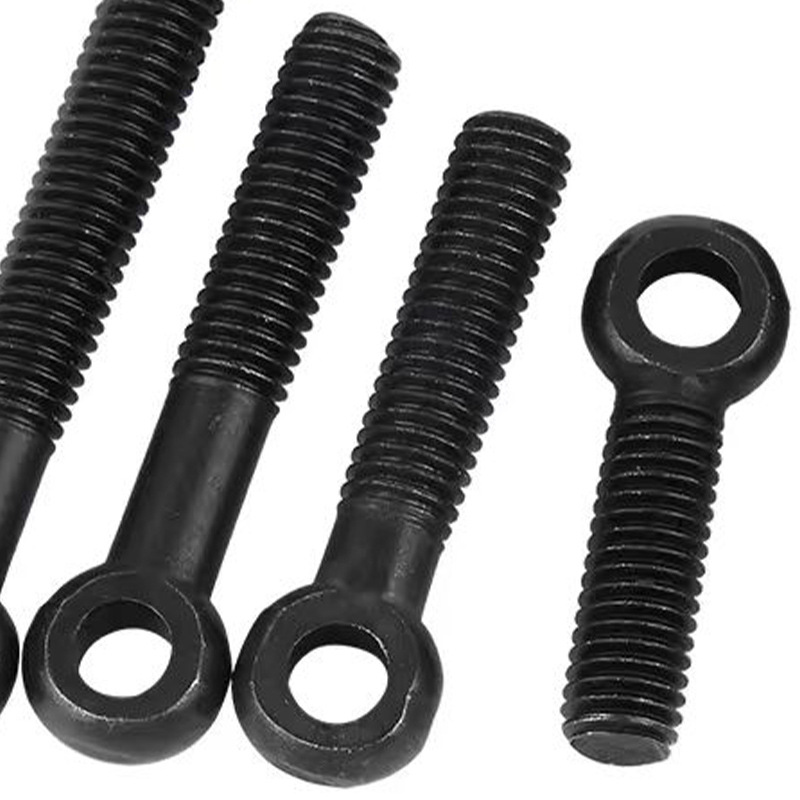
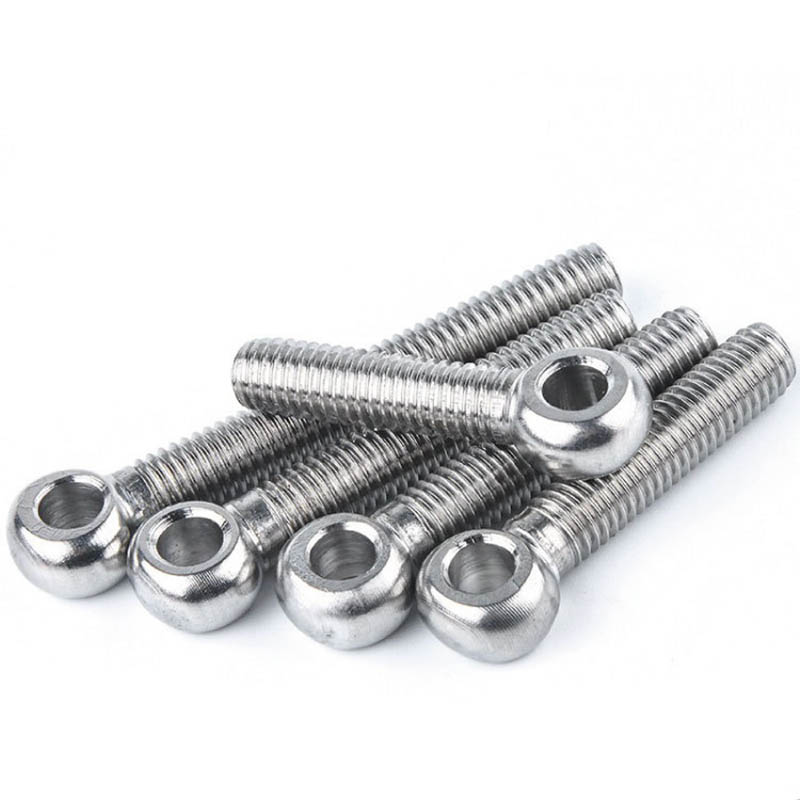
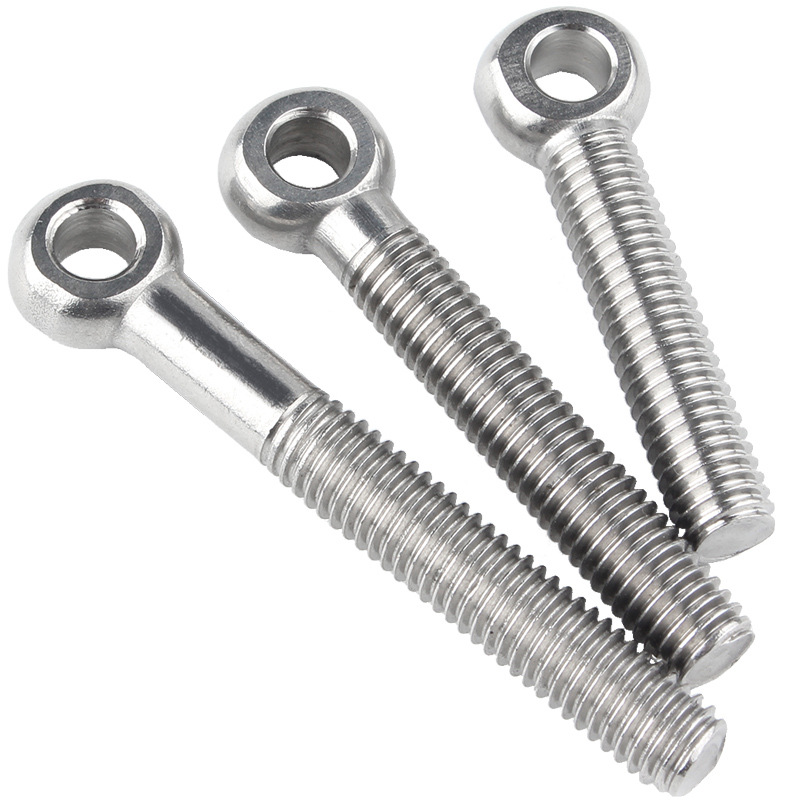
Forged Eyebolt
Boats, docks, coastal facilities - Severe salt fog corrosion! Xiaoguo® offers a stock of 316 stainless steel Forged Eyebolt, suitable for ships, docks and coastal environments, resistant to salt fog corrosion, with salt fog test duration exceeding 1000 hours.
Send Inquiry
Product Description
Process flow
The core of manufacturing the Forged Eyebolt is "Hot Forging", which reshapes the internal crystal structure of the metal, thereby endowing the products with outstanding strength and durability. The following is the complete process flow:
(1)Selecting High-Quality Raw Materials
Different standards have specific regulations for materials
(2)Precise Cutting
According to the Forged Eyebolt specifications required by the customer, the raw materials are precisely cut into short blocks of a certain volume through calculation.
(3)Material Heating
The cut steel billets are sent into the induction heating furnace and heated rapidly to approximately 1150°C. The steel billets turn into a glowing orange state. The high temperature makes the metal soft, facilitating shaping.
(4)Key Process: Hot Forging
This process completely reshapes the internal structure of the metal, making it denser and stronger. The entire process is usually completed in one impact on a press with a capacity of 2000 tons.
Pre-forming: Through processes such as forward extrusion, the heated billet is subjected to initial volume distribution and rough shaping.
Final Forging: The pre-formed billet is placed into a precise closed die that precisely matches the shape of the final product. Under immense pressure, the ring-shaped head and the tapered rod section of the bolt are forged in one go.
(5)Edge Trimming
After the final forging, the bolts usually have flash (excess burrs) which need to be removed.
(6)Heat Treatment
After forging, the Forged Eyebolt must undergo heat treatment to achieve the required strength and toughness.
Normalizing: Heat the forging to a specific temperature and then cool it slowly in the air to refine the grain structure and achieve a uniform microstructure.
Quenching and Tempering / Q+T: This is a crucial process for high-strength bolts (such as those with a grade of 8.8 or above).
Quenching: Heat the bolts to approximately 850-900°C and then rapidly cool them in oil or water to achieve extremely high hardness.
Tempering: The bolts that have undergone quenching are extremely hard and brittle. Subsequently, they need to be reheated to approximately 425-500°C for tempering to enhance their toughness.
(7)Thread processing
The threads are processed using the Thread Rolling technique.
(8)Surface Treatment
To prevent corrosion and enhance the appearance, the finished bolts will undergo surface treatment.
(9)Quality Inspection
Material Inspection: During the incoming inspection, the chemical composition and mechanical properties of raw materials are tested.
Dimension and appearance inspection: Check all the size tolerances of the Forged Eyebolt and inspect the surface for any defects, such as cracks or burnt areas.
Mechanical performance test: Conduct tensile tests to measure tensile strength and yield strength; as well as hardness tests.
Safety load test: Conduct Proof Load test, Breaking Test and Fatigue Test on the finished products.
(10)Packaging and Delivery
Products that pass all tests will be packaged as per requirements and accompanied by quality documents including batch numbers and test reports before being delivered.
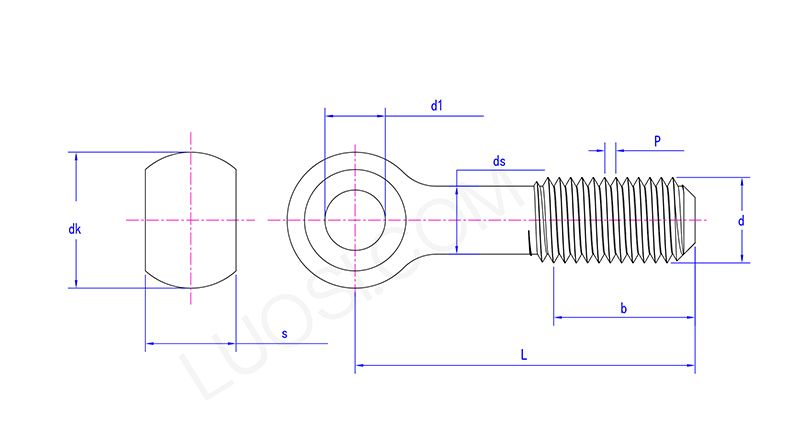
| Mon | M8 | M10 | M12 | M16 | M20 | M24 | M27 | M30 | M33 | M36 | M39 |
| P | 1.25 | 1.5 | 1.75 | 2 | 2.5 | 3 | 3 | 3.5 | 3.5 | 4 | 4 |
| d1 max | 8.036 | 10.036 | 12.043 | 16.043 | 18.043 | 22.052 | 25.052 | 28.052 | 30.052 | 32.062 | 35.062 |
| d1 min | 8 | 10 | 12 | 16 | 18 | 22 | 25 | 28 | 30 | 32 | 35 |
| dk max | 18 | 20 | 25 | 32 | 40 | 45 | 50 | 55 | 60 | 65 | 70 |
| dk min | 16.9 | 18.7 | 23.7 | 30.4 | 38.4 | 43.4 | 48.4 | 53.1 | 58.1 | 63.1 | 68.1 |
| s max | 11 | 14 | 17 | 19 | 24 | 28 | 30 | 34 | 38 | 41 | 46 |
| s min | 10.3 | 13.3 | 16.3 | 18.16 | 23.16 | 27.16 | 29.16 | 33 | 37 | 40 | 45 |
| ds max | 8 | 10 | 12 | 16 | 20 | 24 | 27 | 30 | 33 | 36 | 39 |
Hot Tags: Forged Eyebolt, China, Manufacturer, Supplier, Factory
Related Category
Hexagon Head Bolt
Hexagon Head Flange Bolt
Square Head Bolt
Round Head Bolt
Countersunk Bolt
Knuckle Bolt
T-bolt
U Bolt
Foundation Bolts
Anchor Bolt
Hub Bolt
Hexalobular Socket Pan Head Bolt
Twelve Angle Bolt
Send Inquiry
Please Feel free to give your inquiry in the form below. We will reply you in 24 hours.