- English
- Español
- Português
- русский
- Français
- 日本語
- Deutsch
- tiếng Việt
- Italiano
- Nederlands
- ภาษาไทย
- Polski
- 한국어
- Svenska
- magyar
- Malay
- বাংলা ভাষার
- Dansk
- Suomi
- हिन्दी
- Pilipino
- Türkçe
- Gaeilge
- العربية
- Indonesia
- Norsk
- تمل
- český
- ελληνικά
- український
- Javanese
- فارسی
- தமிழ்
- తెలుగు
- नेपाली
- Burmese
- български
- ລາວ
- Latine
- Қазақша
- Euskal
- Azərbaycan
- Slovenský jazyk
- Македонски
- Lietuvos
- Eesti Keel
- Română
- Slovenski
- मराठी
- Srpski језик

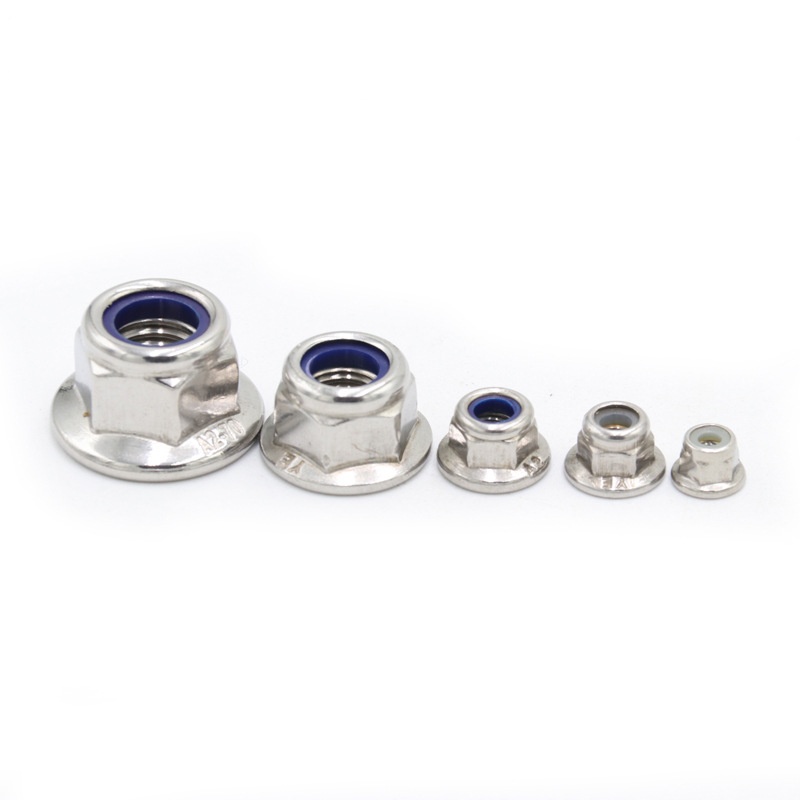
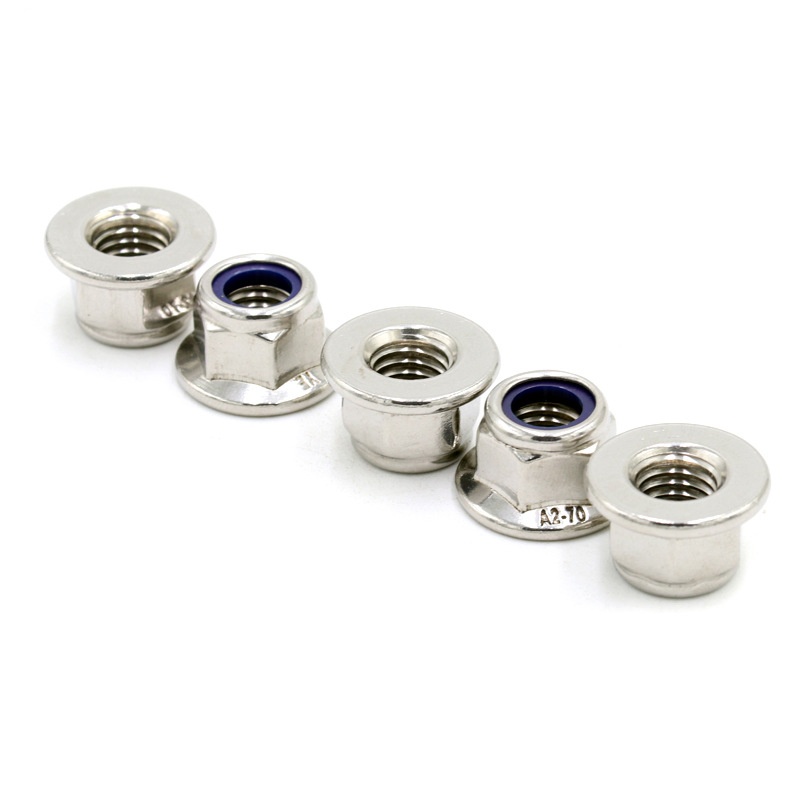
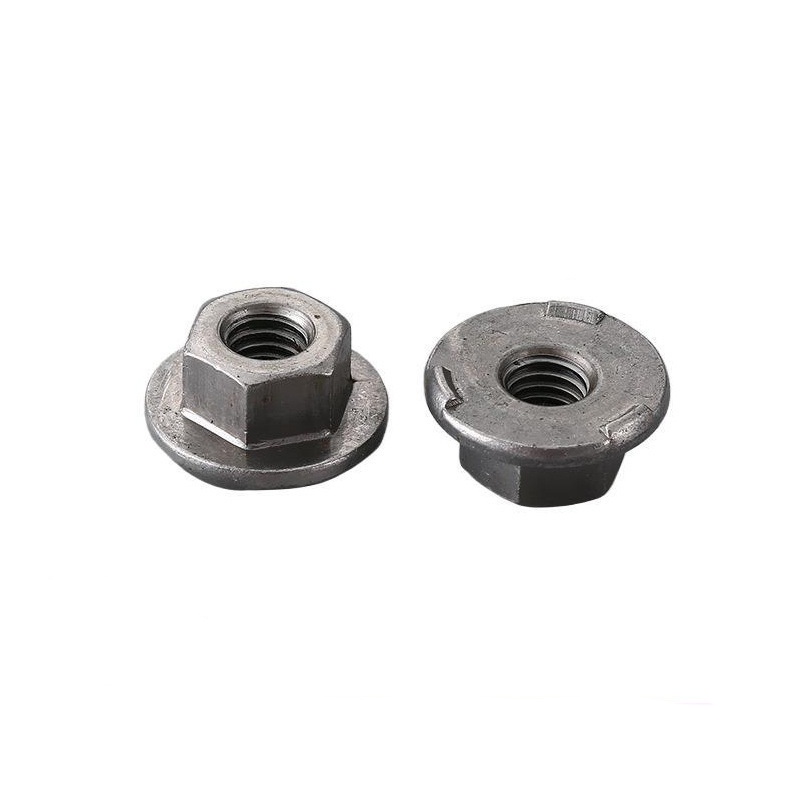
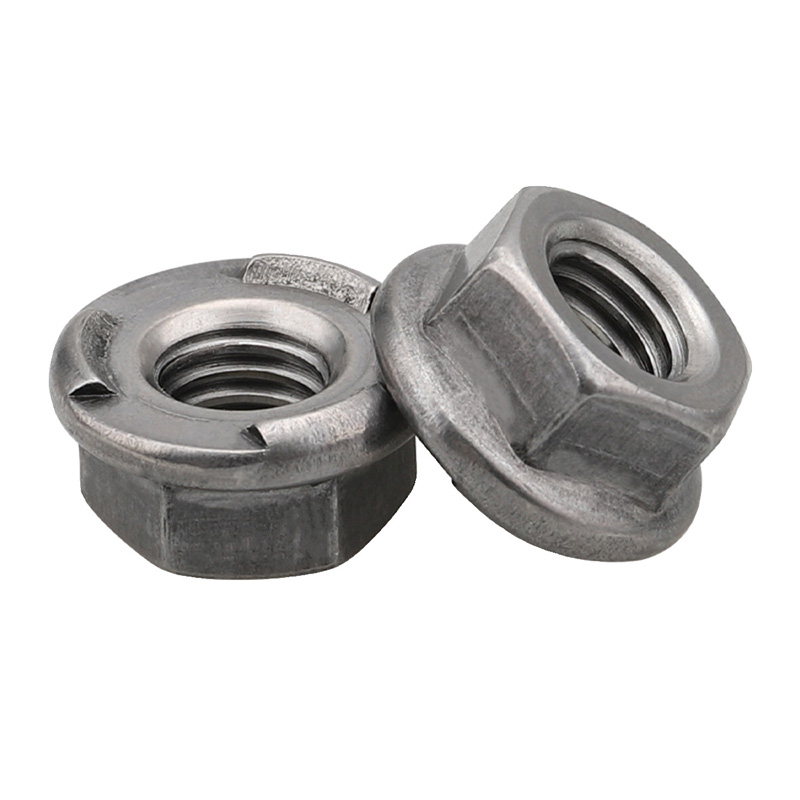
Standard Prevailing Torque Hex Flange Nut
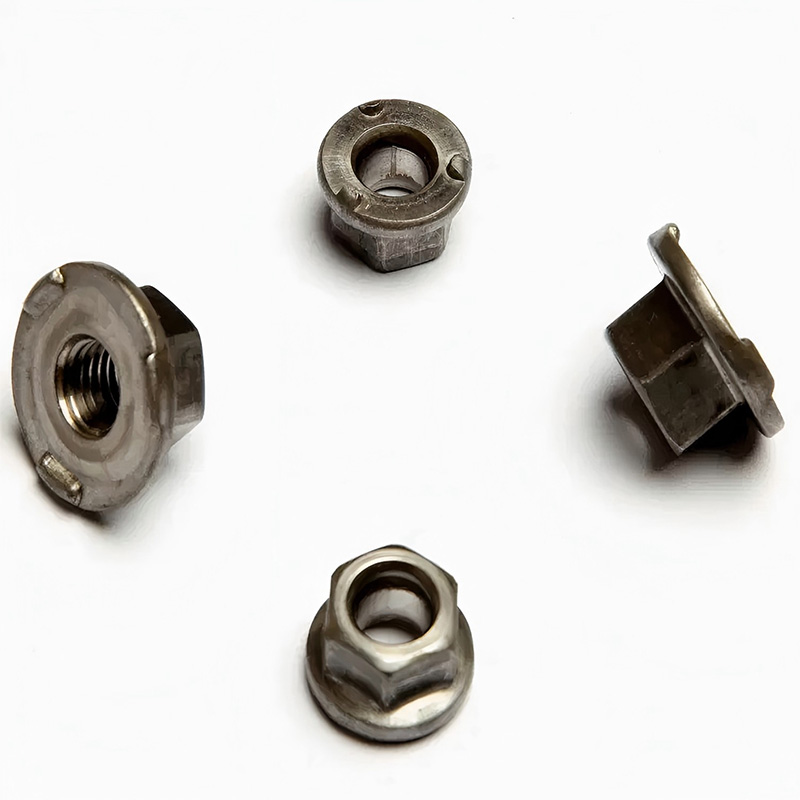
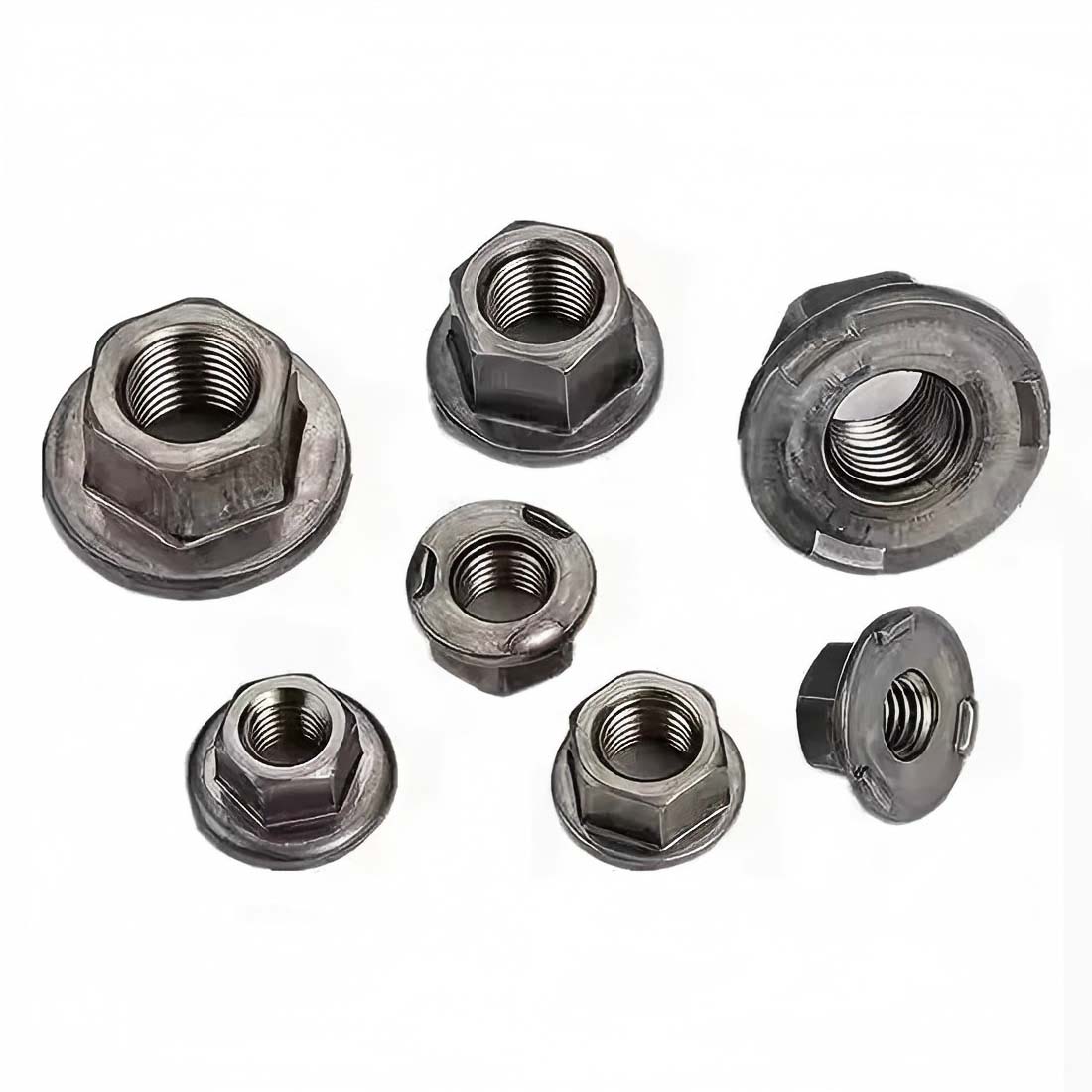
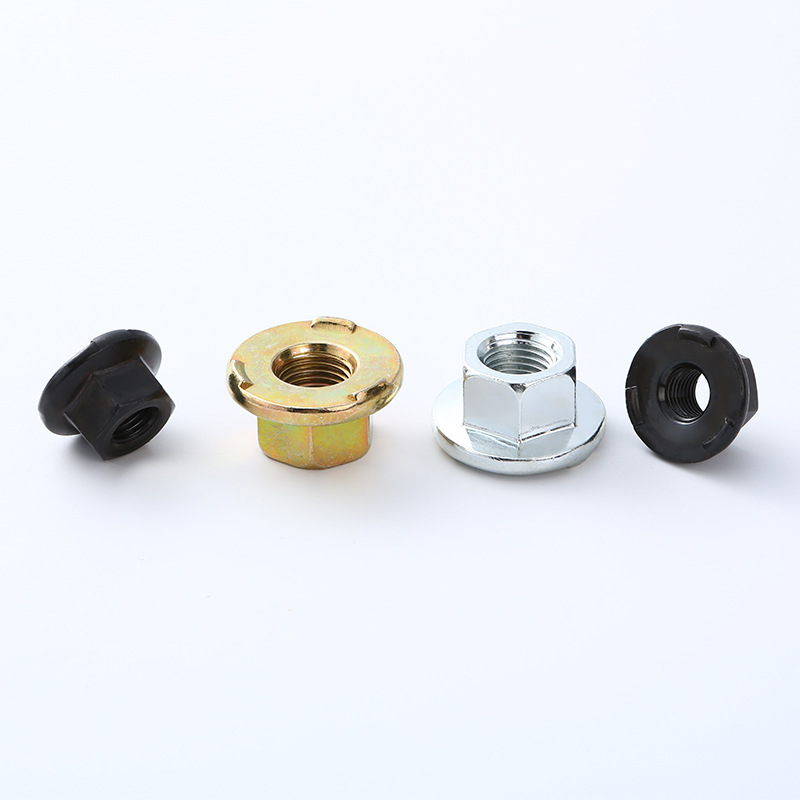
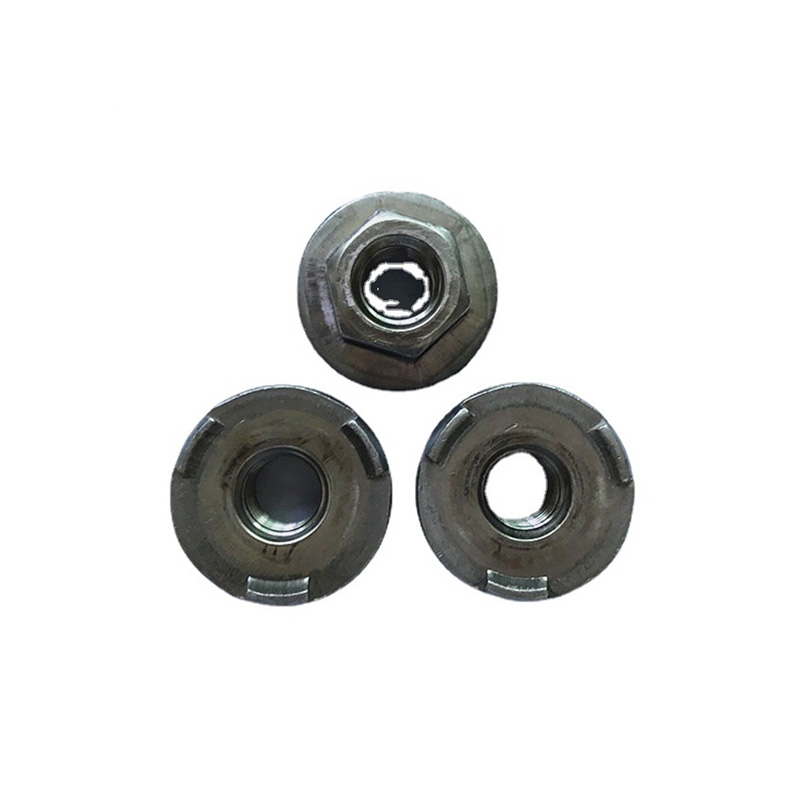
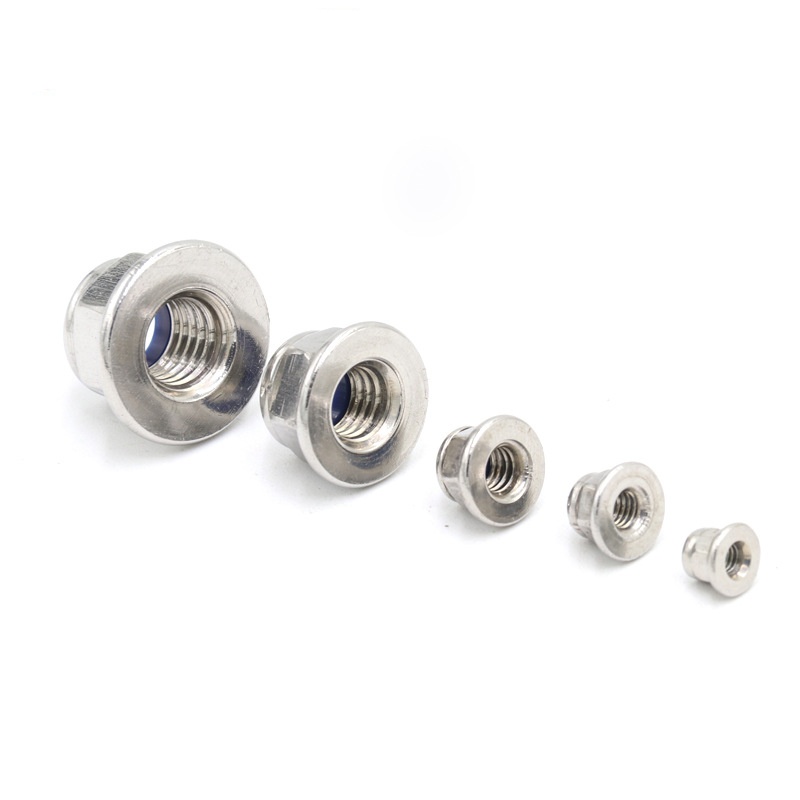
China supplier Xiaoguo® Standard Prevailing Torque Hex Flange Nut provides reliable anti-loosening performance for machinery and automotive use. The built-in flange means you don’t need extra washers and speeds up assembly. Standard threads fit bolts well.We provide customized standard prevailing torque hex flange nuts to meet different size and performance needs.With strict quality control and durable materials, these nuts are suitable for industrial assembly and long-term bulk orders.
Send Inquiry
Product Description
What surface treatments do you offer for Standard Prevailing Torque Hex Flange Nut?
1.Electroplated zinc treatment: a basic protection choice for indoor scenes in the drying room
Electroplating zinc is the process of depositing a uniform and dense layer of zinc on the surface of a nut through the principle of electrolysis.The thickness is precisely controlled between 6-12μm.Can be used in a dry, non-corrosive indoor environment,Provides nuts with basic rust protection for up to 3-5 years.This process uses an environmentally friendly cyanide-free zinc plating solution, with a finely crystallised coating and uniform colour.It will not cause any damage to the threads of the nut.It will not affect its unique prevailing torque (anti-loosening torque) performance.Perfectly suited for office furniture, indoor mechanical equipment, electrical control cabinets and other assembly scenarios where moderate rust prevention and attention to appearance cleanliness are required.
2.Hot-dip galvanizing treatment: long-term protection in harsh outdoor and humid environments
Hot-dip galvanizing involves completely immersing the nut in molten zinc,Creates a zinc-iron alloy coating on the surface with a thickness of 45-85 μm,The coating has an extremely strong bonding strength with the base metalCan operate in outdoor environments with high humidity and strong corrosion,Provides long-lasting anti-corrosion protection for nuts for over 10 years.Whether it is bridge supports in coastal salt spray areas or municipal street lamp poles,Or outdoor communication base stations and water conservancy facilities that are still rainy and humid,Hot-dip galvanised coatings can effectively resist corrosion from rain, mist, and acidic or alkaline substances.After multiple torque test verifications,This treatment process will not change the nut's anti-loosening torque value.
Product Dimensions and Specifications
(1)Conventional Standard Sizes
We offer regular metric sizes for this industrial fastener, covering the most commonly used specifications in daily mechanical assembly and production. Thread sizes range from M4 to M20. They fit most standard metric bolts and matching parts. Normal use does not require extra custom processing.Each size has fixed flange diameter, nut thickness and hex width, following common industrial standards. Buyers can choose sizes directly based on their equipment and assembly needs.
(2)Size Accuracy & Customized Options
All regular sizes are checked with professional gauges to ensure proper fit, without big deviations that affect installation.Size parameters are stable for each batch, suitable for bulk orders and long-term repeated use. Standard Prevailing Torque Hex Flange Nut also supports small-batch size adjustment for special working scenarios, such as changing flange thickness or thread length within a reasonable range, to meet non-standard assembly needs that regular sizes can’t cover, and we will confirm the detailed adjusted parameters before production.
Product Factory Inspection Items
| Standard Prevailing Torque Hex Flange Nut Inspection Item | Inspection Details |
| Thread Size Check | Use standard measuring tools to measure the diameter, pitch and fit of the thread.Ensure that the thread can perfectly match the ordinary bolt.It should neither be loose nor too tight.At the same time, there should be no burrs or damages on the thread surface. |
| Flange Dimension & Appearance | Check the diameter, thickness and flatness of the flange.Ensure there are no deformations, cracks or surface scratches.The flange is tightly connected to the nut body without any looseness or damaged components. |
| Locking Torque Test | The test torque values comply with industrial standards.It is confirmed that it has stable anti-loosening performance under normal load conditions.There is no significant torque deviation among individual products within the same batch. |
| Material & Surface Check | Check the strength of the base material and the condition of the surface treatmentNo rust, peeling of the coating or material defects |
Hot Tags: Standard Prevailing Torque Hex Flange Nut, China, Manufacturer, Supplier, Factory
Related Category
Hexagon Nut
Square Nut
Hexagon Flange Nut
Lock Nut
Cap Nut
Hexagon Slotted Nut
Hand Screw The Nut
Round Nut
Hubs Nuts
T-nut
Reed Nut
Other Nuts
Send Inquiry
Please Feel free to give your inquiry in the form below. We will reply you in 24 hours.