- English
- Español
- Português
- русский
- Français
- 日本語
- Deutsch
- tiếng Việt
- Italiano
- Nederlands
- ภาษาไทย
- Polski
- 한국어
- Svenska
- magyar
- Malay
- বাংলা ভাষার
- Dansk
- Suomi
- हिन्दी
- Pilipino
- Türkçe
- Gaeilge
- العربية
- Indonesia
- Norsk
- تمل
- český
- ελληνικά
- український
- Javanese
- فارسی
- தமிழ்
- తెలుగు
- नेपाली
- Burmese
- български
- ລາວ
- Latine
- Қазақша
- Euskal
- Azərbaycan
- Slovenský jazyk
- Македонски
- Lietuvos
- Eesti Keel
- Română
- Slovenski
- मराठी
- Srpski језик

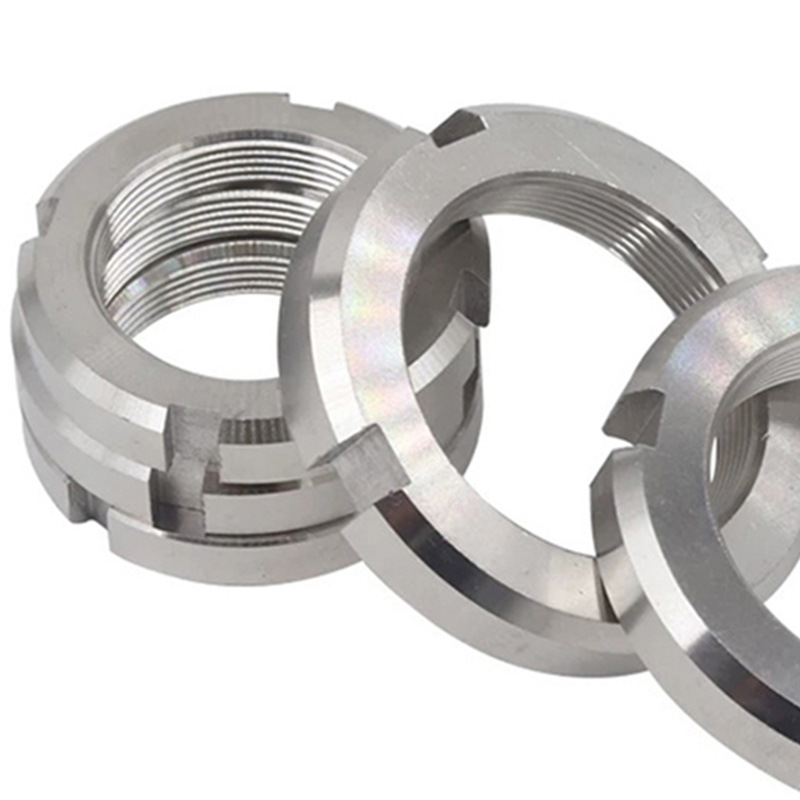
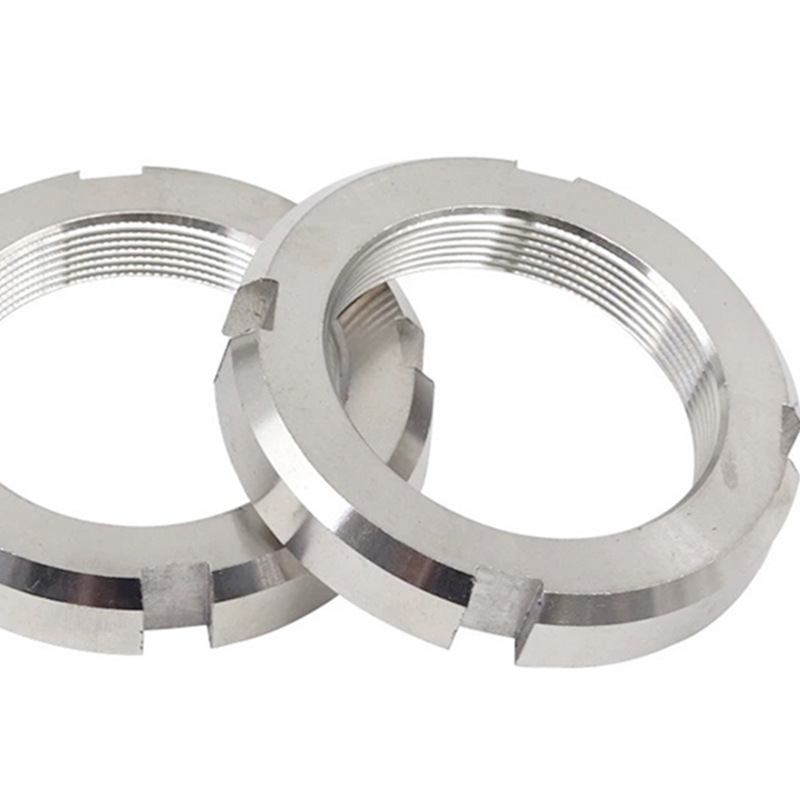
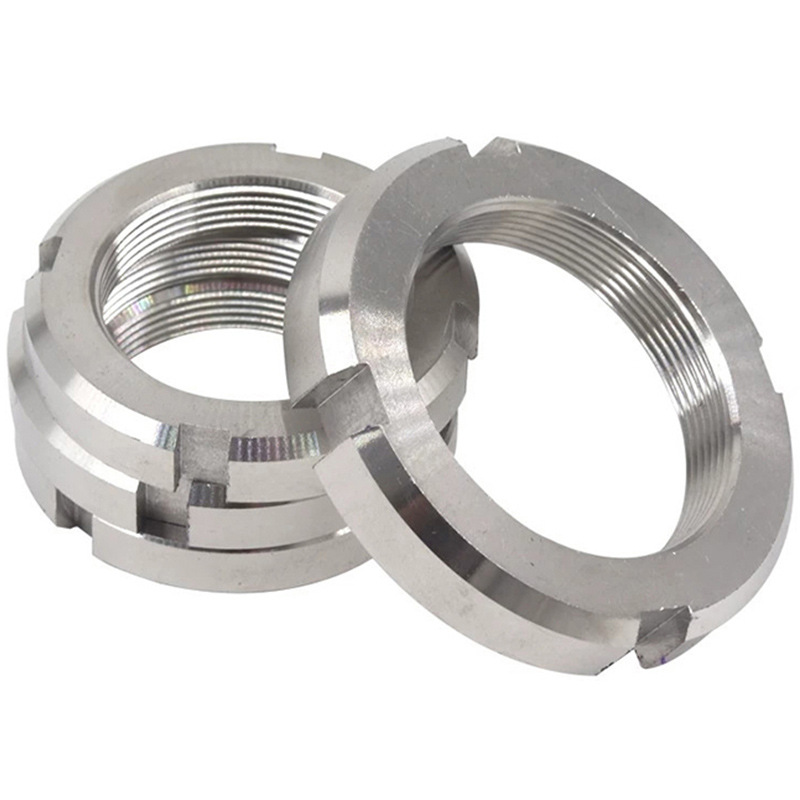
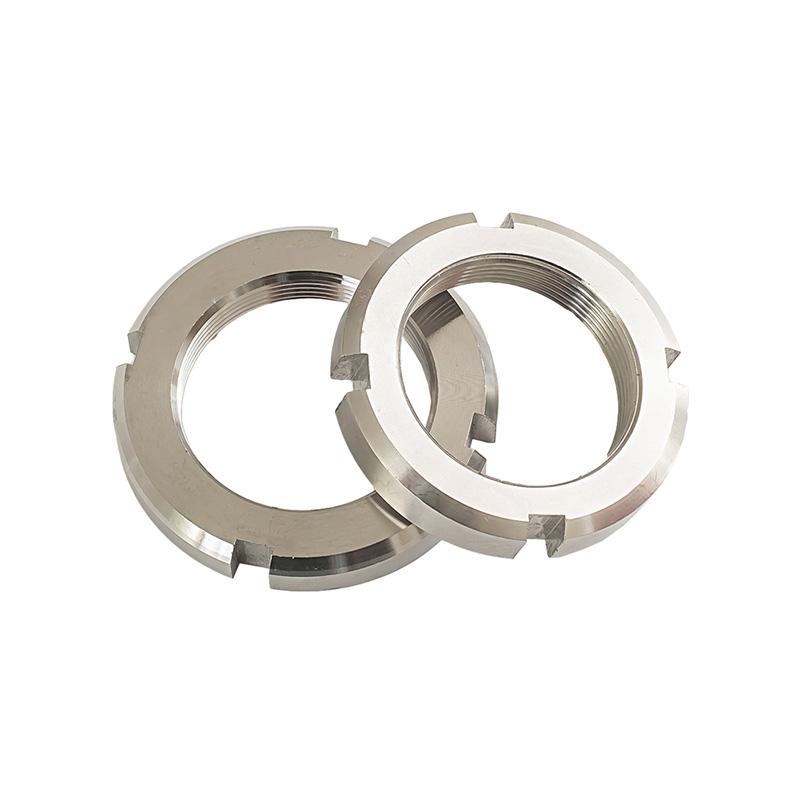
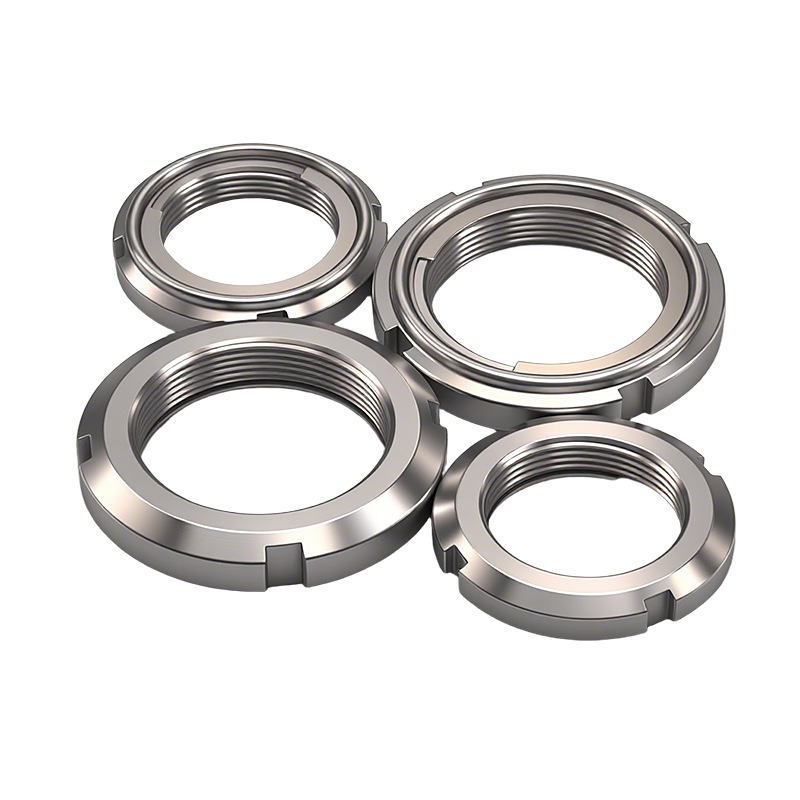
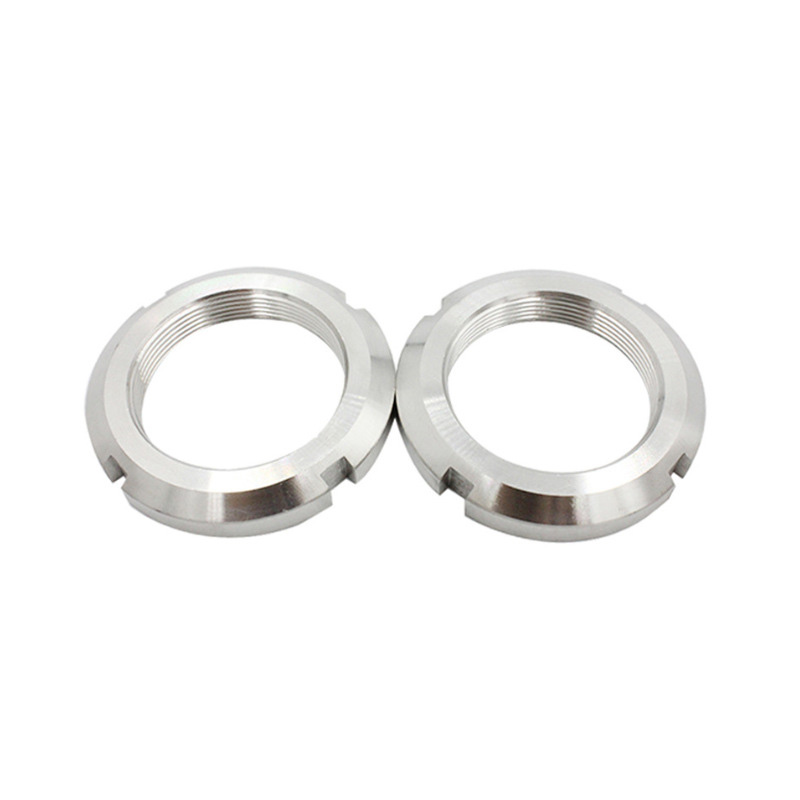
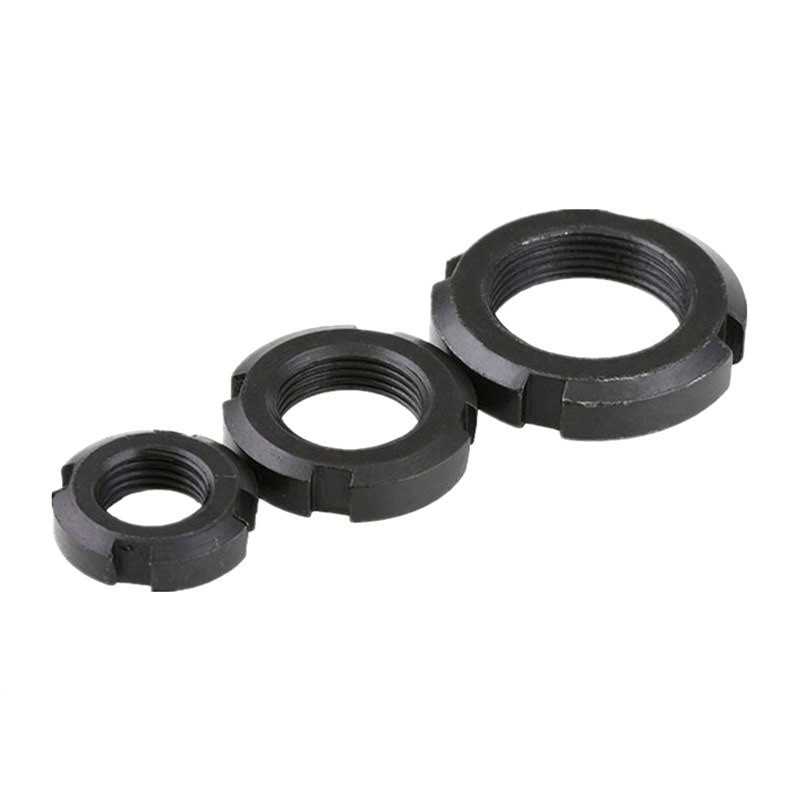
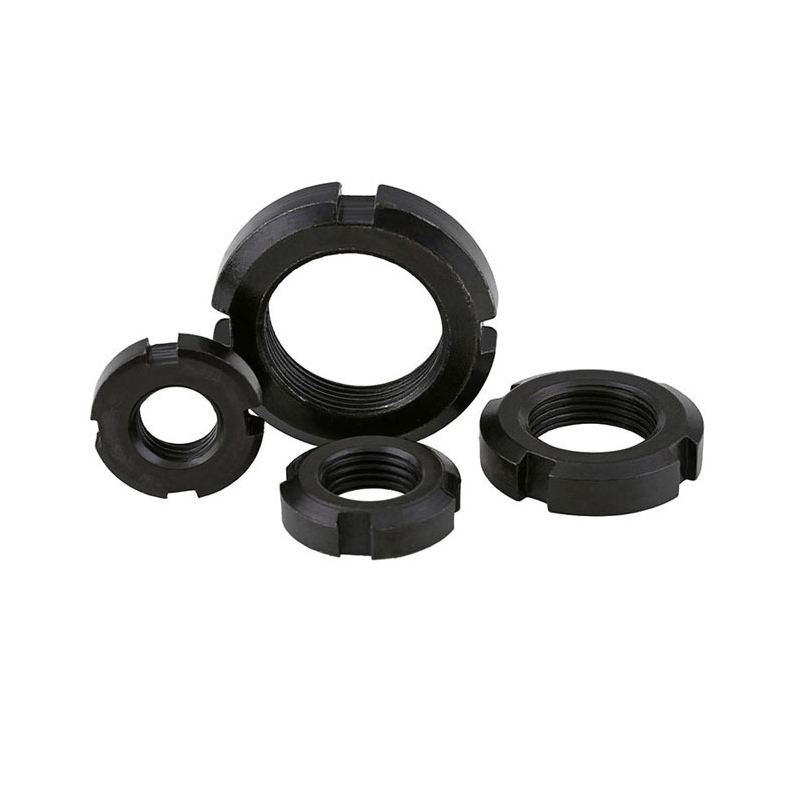
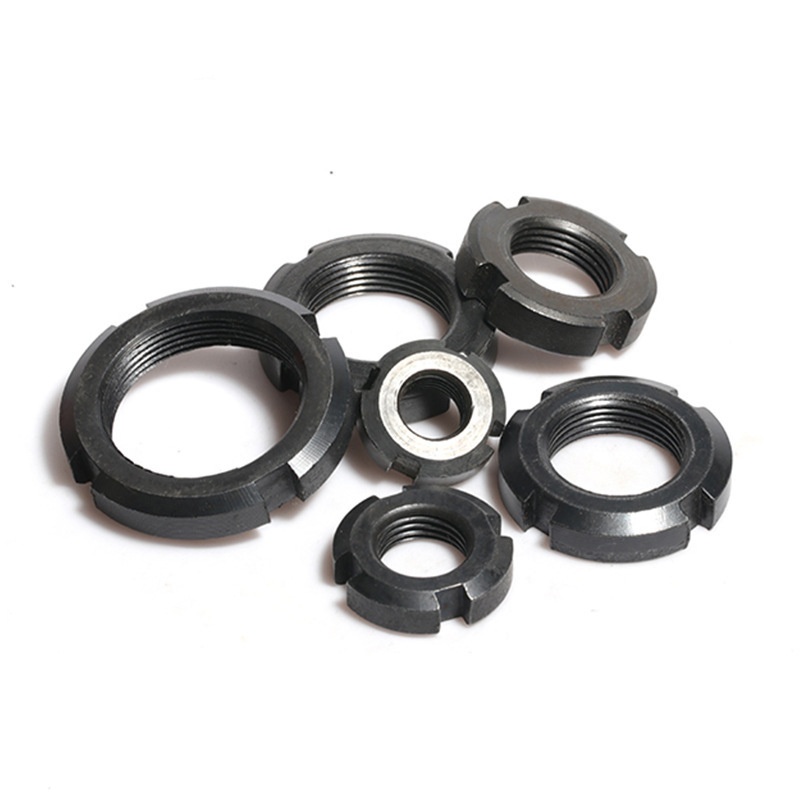
Slotted Circular Nut
China Xiaoguo® Slotted circular nut is capable of withstanding various harsh environments and can handle stainless steel materials with ease. This is the outstanding corrosion resistance of the product. The Slotted circular nut suppliers will provide you with high-quality products.
Send Inquiry
Product Description
Problem handling procedure
Regarding the common issues of Slotted circular nut, this is a systematic handling procedure that will help you quickly identify and solve the problems.
(1)Identify the problem
Visual inspection: Check if the nuts are loose, whether the threads are rusted or have slipped, and if there are any cracks or deformations at the slots.
Feel test: In a safe condition, attempt to manually turn the nut and observe if there is any obvious resistance or rotational gap.
Equipment feedback: Pay attention to whether there is any abnormal vibration, unusual noise or unstable operation of the equipment.
Professional tool: Conduct random inspections using a torque wrench.
(2)Fault diagnosis
The nut is loose.
The screw won't come off.
Thread wear
The nut has broken.
Slot damage
(3)Carry out the repair
Direct repair: For loose parts and minor rusting, lubrication and re-tightening can be performed directly.
Replace with new parts: For nuts with severely worn threads, damaged or broken grooves, they should be replaced directly.
Standard Operating Procedure: When operating, always use the correct tools and follow the standard torque.
Company production capacity
We are well aware that advanced production techniques and equipment are the foundation for ensuring high quality and high production capacity. Therefore, we have introduced advanced metal forming techniques. Through molds, the metal rods are subjected to plastic deformation to form the basic shape of the nuts, and an automated slotting process is adopted to achieve efficient and precise slotting processing. The integrated production line enables the entire process from raw materials to finished products to be independently produced. At the same time, we are equipped with testing instruments and a full-process quality control system to monitor and track the entire production process of the Slotted circular nut.
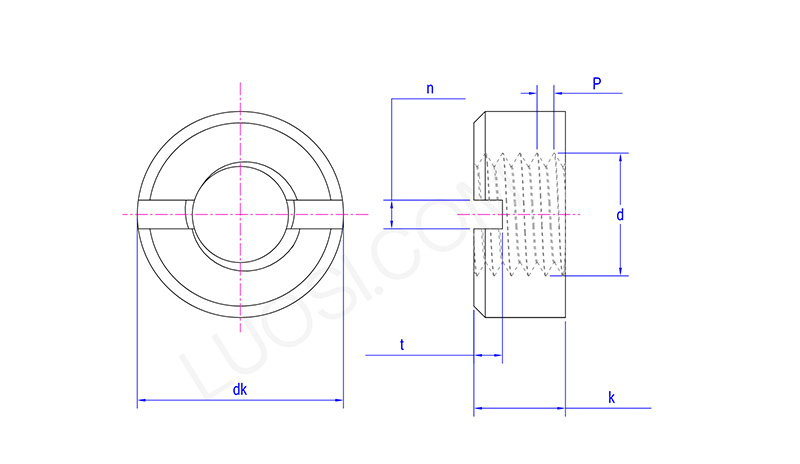
| Mon | M3.5 | M4 | M5 | M6 | M8 | M10 | M12 | M14 | M16 | M18 | M20 |
| P | 0.6 | 0.7 | 0.8 | 1 | 1.25 | 1.5 | 1.75 | 2 | 2 | 2.5 | 2.5 |
| dk max | 7 | 8 | 9 | 11 | 14 | 18 | 21 | 24 | 26 | 29 | 32 |
| dk min | 6.64 | 7.64 | 8.64 | 10.57 | 13.57 | 17.57 | 20.48 | 23.48 | 25.48 | 28.48 | 31.38 |
| k max | 3 | 3.5 | 4.2 | 5 | 6.5 | 8 | 10 | 11 | 12 | 13 | 14 |
| k min | 2.75 | 3.2 | 3.9 | 4.7 | 6.14 | 7.64 | 9.64 | 10.57 | 11.57 | 12.57 | 13.57 |
| n min | 1.46 | 1.46 | 2.06 | 2.56 | 3.06 | 3.57 | 4.07 | 4.07 | 4.07 | 4.07 | 5.07 |
| n max | 1.71 | 1.71 | 2.31 | 2.81 | 3.31 | 3.87 | 4.37 | 4.37 | 4.37 | 4.37 | 5.37 |
| t min | 1 | 1.2 | 15 | 2 | 2.5 | 3.2 | 3.8 | 3.8 | 3.8 | 4.8 | 4.8 |
| t max | 1.40 | 1.60 | 1.90 | 2.4 | 3 | 3.7 | 4.3 | 4.3 | 4.3 | 5.5 | 5.5 |
FAQ
(1)What are the common standard specifications for Slotted circular nut?
Common standards include: GB/T 812 (Chinese national standard), DIN 981 (German standard, often used for locking bearings), DIN 1804, and ANSI/ABMA 8.2 (American standard), etc.
(2)Can the nut be reused?
Yes, as long as the structure such as the thread and the slot of the nut is not damaged, the nut body can be reused.
(3)What is the recommended maintenance period for the nuts?
It is recommended to conduct an appearance inspection once a month; and perform a random re-tightening inspection using professional tools every quarter.
(4)What is the most crucial data when choosing the nut specification?
The most crucial factor is the thread specification (nominal diameter × pitch), and it is essential to verify the pitch (such as M16×1.5) to ensure it is completely consistent with the thread specification of the shaft.
Hot Tags: Slotted Circular Nut, China, Manufacturer, Supplier, Factory
Related Category
Hexagon Nut
Square Nut
Hexagon Flange Nut
Lock Nut
Cap Nut
Hexagon Slotted Nut
Hand Screw The Nut
Round Nut
Hubs Nuts
T-nut
Reed Nut
Other Nuts
Send Inquiry
Please Feel free to give your inquiry in the form below. We will reply you in 24 hours.