- English
- Español
- Português
- русский
- Français
- 日本語
- Deutsch
- tiếng Việt
- Italiano
- Nederlands
- ภาษาไทย
- Polski
- 한국어
- Svenska
- magyar
- Malay
- বাংলা ভাষার
- Dansk
- Suomi
- हिन्दी
- Pilipino
- Türkçe
- Gaeilge
- العربية
- Indonesia
- Norsk
- تمل
- český
- ελληνικά
- український
- Javanese
- فارسی
- தமிழ்
- తెలుగు
- नेपाली
- Burmese
- български
- ລາວ
- Latine
- Қазақша
- Euskal
- Azərbaycan
- Slovenský jazyk
- Македонски
- Lietuvos
- Eesti Keel
- Română
- Slovenski
- मराठी
- Srpski језик

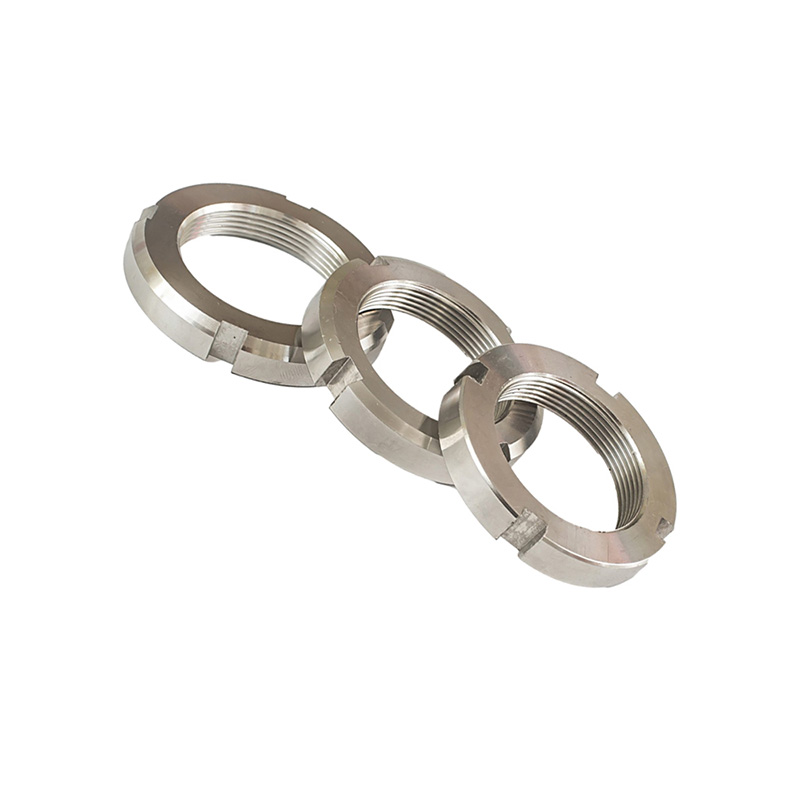
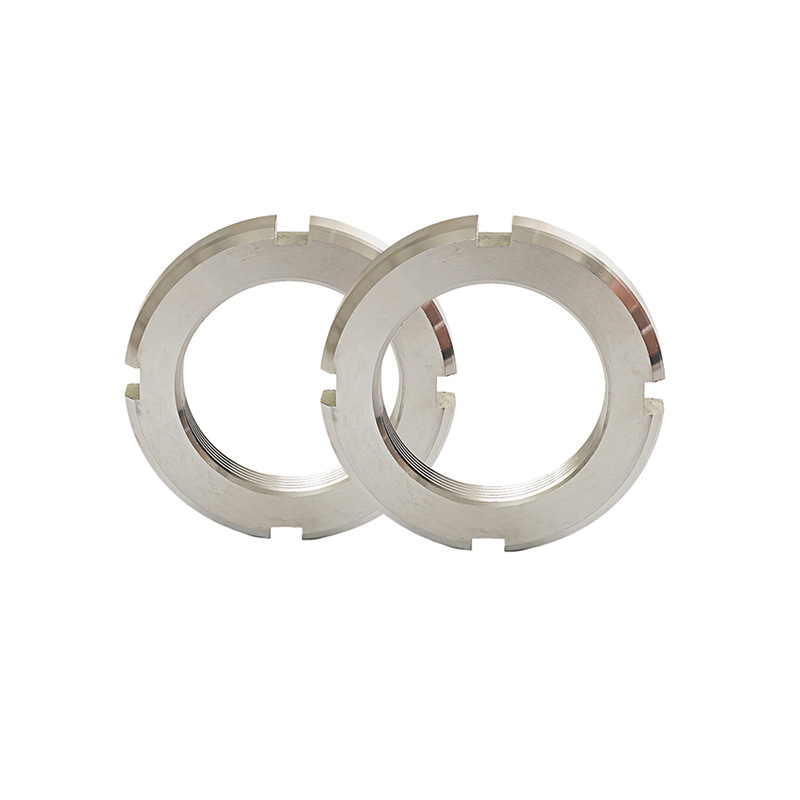
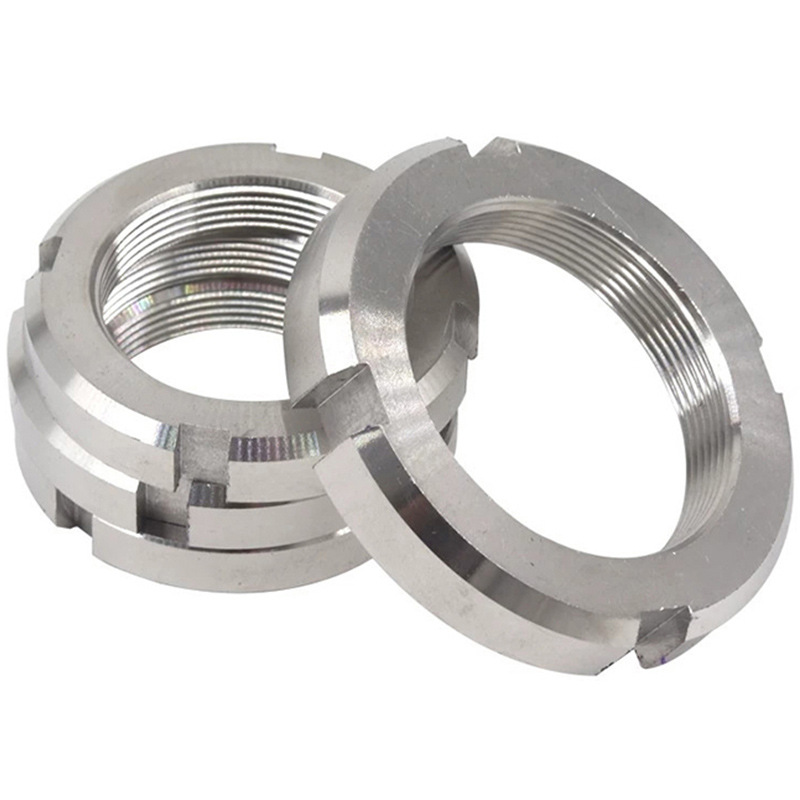
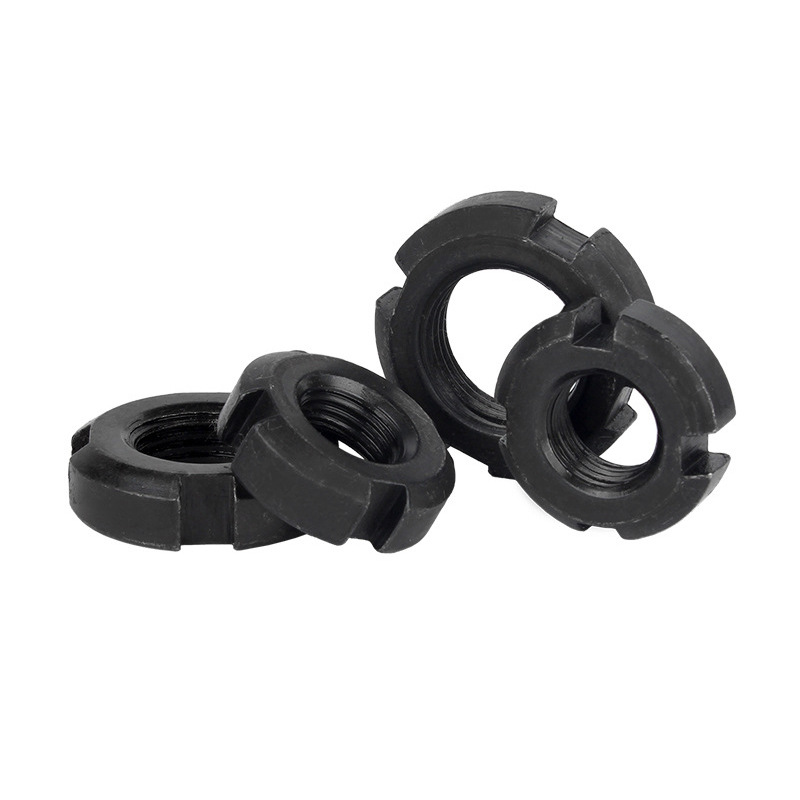
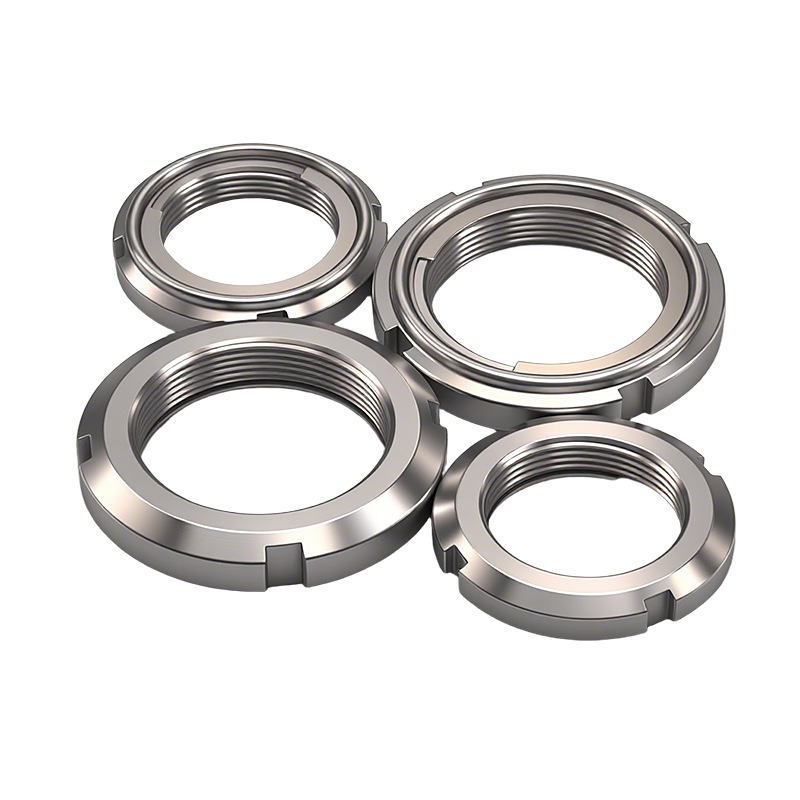
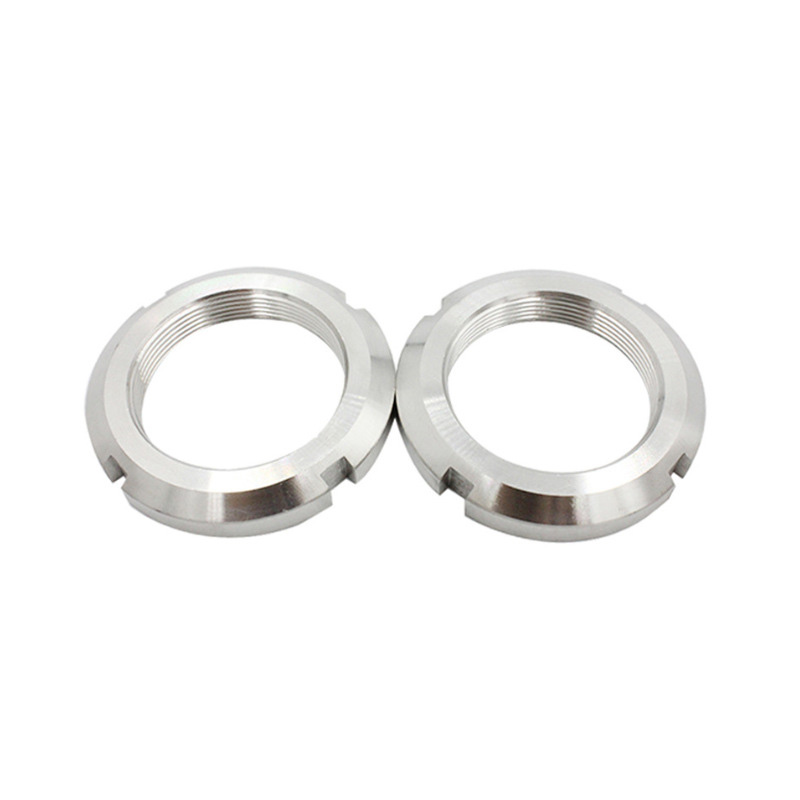
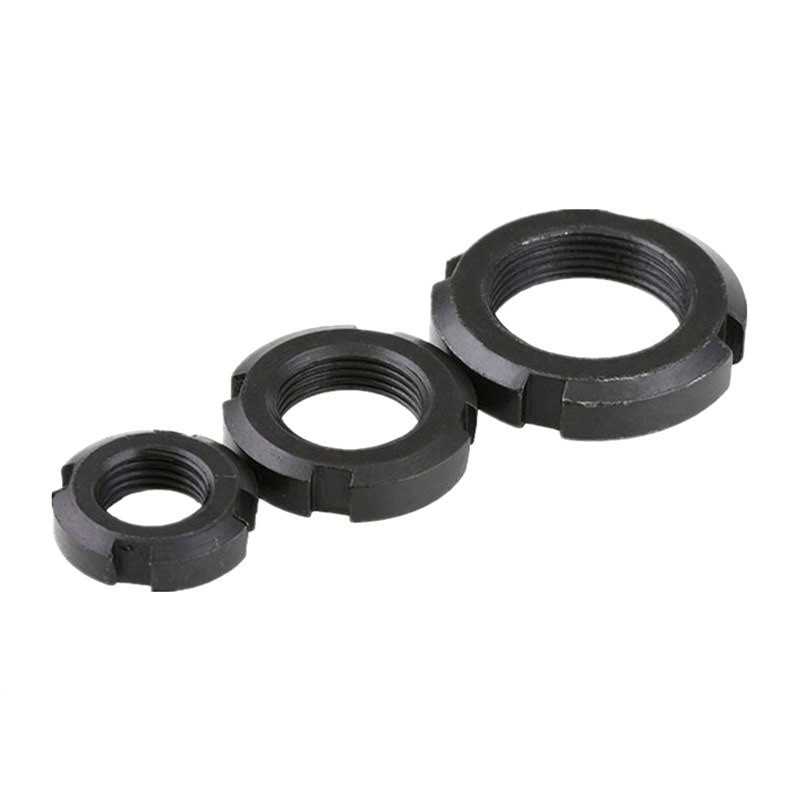
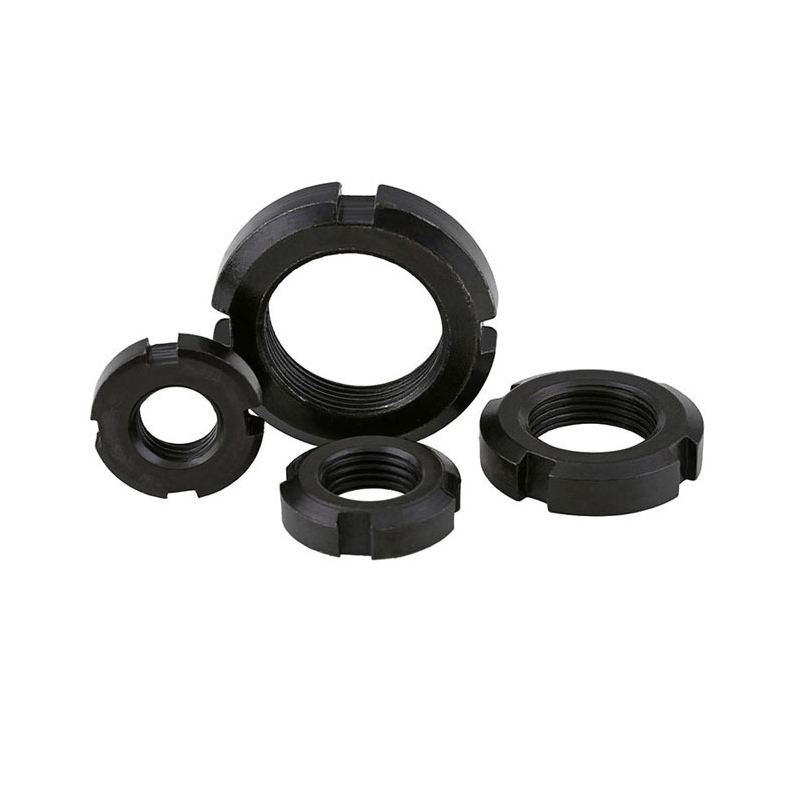
GB 812 Nut
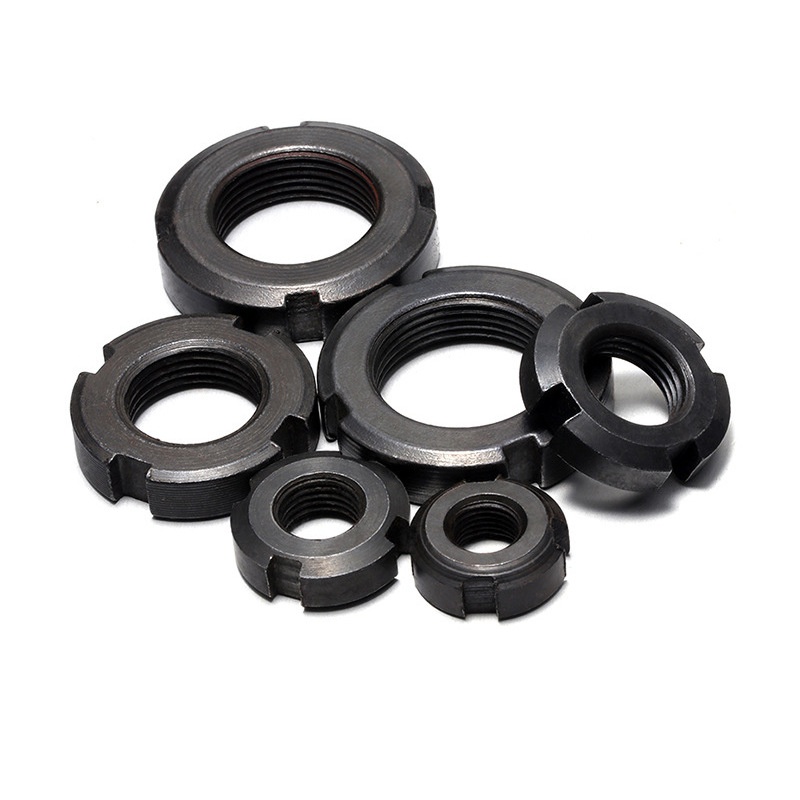
Xiaoguo® is a China supplier of GB 812 nut that boasts excellent strength and durability. The product itself can withstand extremely heavy loads and perform to the best of its ability, and it is unlikely to deform during long-term use. Please try to choose the advanced GB 812 nut. You will definitely be pleasantly surprised!
Send Inquiry
Product Description
Factory inspection items
To ensure the reliability of the nuts produced, we will strictly conduct tests in accordance with the GB 812 nut standard. The tests will focus on four key aspects: size, performance, material, and appearance.
(1)Dimension and accuracy inspection
Shape dimension measurement: Measure the outer diameter, inner diameter and overall height of the nut. The measured values should not exceed the tolerance range, and photos should be taken for record.
Slot size inspection: Check the width, depth and diameter of the groove or notch to ensure a good fit with the tool being used.
(2)Thread Accuracy Inspection
Thread gauge inspection: The test is conducted using the "thread gauge (GO)" and the "stop gauge (NO-GO)". The qualified standard is as follows: The thread gauge should be able to be smoothly and completely inserted, while the stop gauge can be inserted at most 2 turns.
Thread parameter measurement: Using precise instruments, the mean diameter, pitch deviation and helix angle of the thread are further measured.
(3)Mechanical performance testing
Hardness test: Use a Rockwell (HRC), Brinell (HBW) or Vickers (HV) hardness tester to measure the hardness on the end face or side of theGB 812 nut.
Other performance tests: Depending on the application requirements, additional tests such as tensile strength, impact toughness, and fatigue life may also be conducted to comprehensively evaluate its mechanical properties.
(4)Surface Quality and Material Inspection
Material composition analysis: Through methods such as spectroscopic analysis, the material of the nut was verified.
Surface treatment inspection:
Appearance and defects: Examine under good lighting using visual inspection or a magnifying glass. Cracks, burrs, folds, rust, etc., which may affect strength, must not be present.
Coating quality: If the product has undergone treatments such as galvanization, blackening, or Dacromet coating, the coating thickness (using a thickness gauge), adhesion (such as the scratch test), and corrosion resistance (through salt spray test) need to be tested.
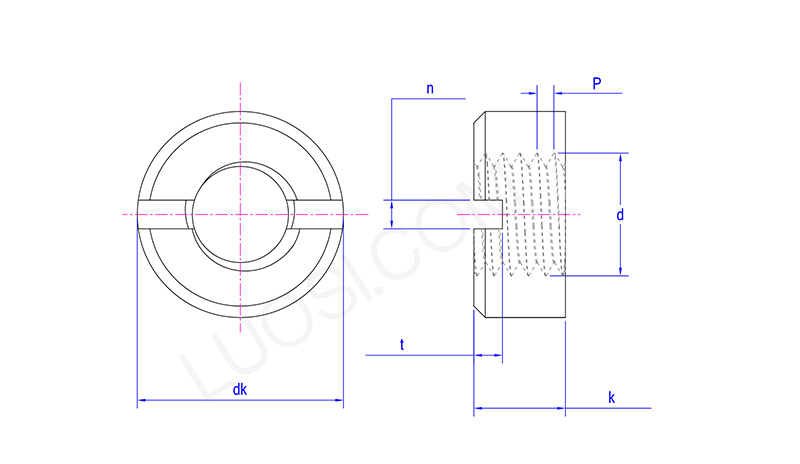
| Mon | M3.5 | M4 | M5 | M6 | M8 | M10 | M12 | M14 | M16 | M18 | M20 |
| P | 0.6 | 0.7 | 0.8 | 1 | 1.25 | 1.5 | 1.75 | 2 | 2 | 2.5 | 2.5 |
| dk max | 7 | 8 | 9 | 11 | 14 | 18 | 21 | 24 | 26 | 29 | 32 |
| dk min | 6.64 | 7.64 | 8.64 | 10.57 | 13.57 | 17.57 | 20.48 | 23.48 | 25.48 | 28.48 | 31.38 |
| k max | 3 | 3.5 | 4.2 | 5 | 6.5 | 8 | 10 | 11 | 12 | 13 | 14 |
| k min | 2.75 | 3.2 | 3.9 | 4.7 | 6.14 | 7.64 | 9.64 | 10.57 | 11.57 | 12.57 | 13.57 |
| n min | 1.46 | 1.46 | 2.06 | 2.56 | 3.06 | 3.57 | 4.07 | 4.07 | 4.07 | 4.07 | 5.07 |
| n max | 1.71 | 1.71 | 2.31 | 2.81 | 3.31 | 3.87 | 4.37 | 4.37 | 4.37 | 4.37 | 5.37 |
| t min | 1 | 1.2 | 15 | 2 | 2.5 | 3.2 | 3.8 | 3.8 | 3.8 | 4.8 | 4.8 |
| t max | 1.40 | 1.60 | 1.90 | 2.4 | 3 | 3.7 | 4.3 | 4.3 | 4.3 | 5.5 | 5.5 |
Packaging
For the factory packaging of GB 812 nut, we will follow the GB/T 90.2 standard. The key requirements are to ensure that the product labels are complete, the packaging is sturdy, and it can withstand the environmental influences during transportation and storage.
(1)Anti-rust treatment: Products without coating must be coated with anti-rust agent.
(2)Packaging form: Multiple plastic boxes/bags, anti-rust bags/film. The outer packaging is usually made of woven bags, cardboard boxes or wooden boxes (for special requirements such as export, custom packaging can be used)
(3)Packaging strength: Complies with scientific, sturdy and economical principles, avoiding damage during transportation (we will determine the specific details with you)
(4)Label contents: Manufacturer, Product Name, Standard Mark, Quantity/Net Weight, Date of Manufacture, Quality Mark, etc.
(5)Label format: No restrictions (printing/embossing/tethering/sticking are all acceptable)
Hot Tags: GB 812 Nut, China, Manufacturer, Supplier, Factory
Related Category
Hexagon Nut
Square Nut
Hexagon Flange Nut
Lock Nut
Cap Nut
Hexagon Slotted Nut
Hand Screw The Nut
Round Nut
Hubs Nuts
T-nut
Reed Nut
Other Nuts
Send Inquiry
Please Feel free to give your inquiry in the form below. We will reply you in 24 hours.