- English
- Español
- Português
- русский
- Français
- 日本語
- Deutsch
- tiếng Việt
- Italiano
- Nederlands
- ภาษาไทย
- Polski
- 한국어
- Svenska
- magyar
- Malay
- বাংলা ভাষার
- Dansk
- Suomi
- हिन्दी
- Pilipino
- Türkçe
- Gaeilge
- العربية
- Indonesia
- Norsk
- تمل
- český
- ελληνικά
- український
- Javanese
- فارسی
- தமிழ்
- తెలుగు
- नेपाली
- Burmese
- български
- ລາວ
- Latine
- Қазақша
- Euskal
- Azərbaycan
- Slovenský jazyk
- Македонски
- Lietuvos
- Eesti Keel
- Română
- Slovenski
- मराठी
- Srpski језик

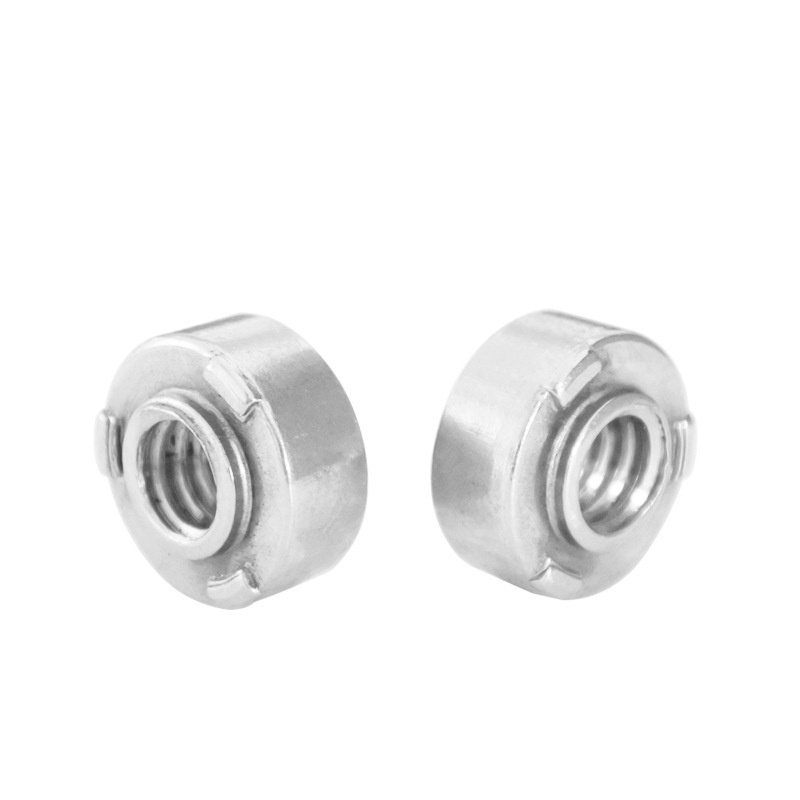
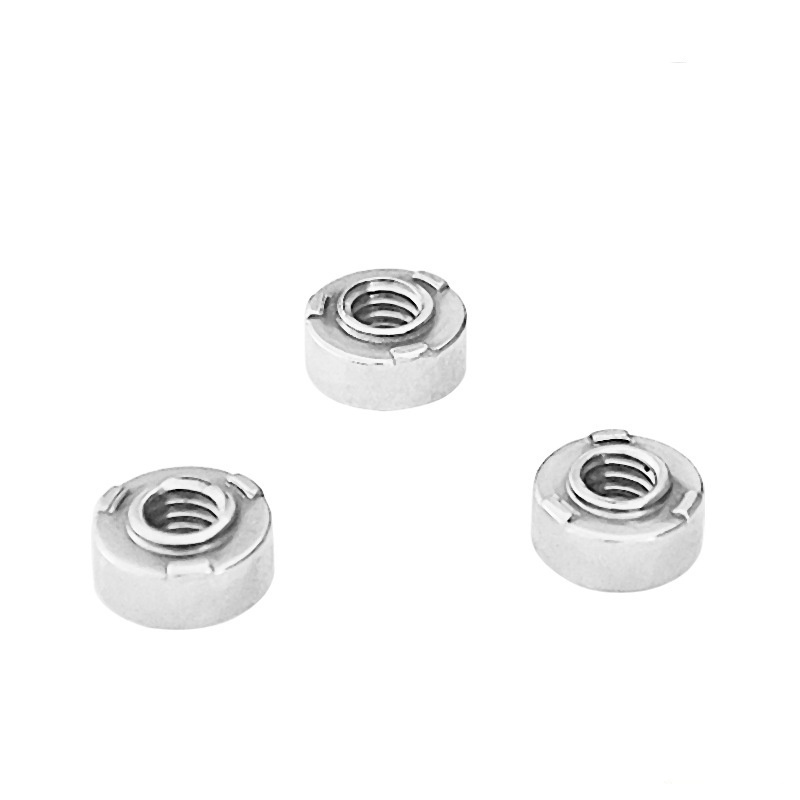
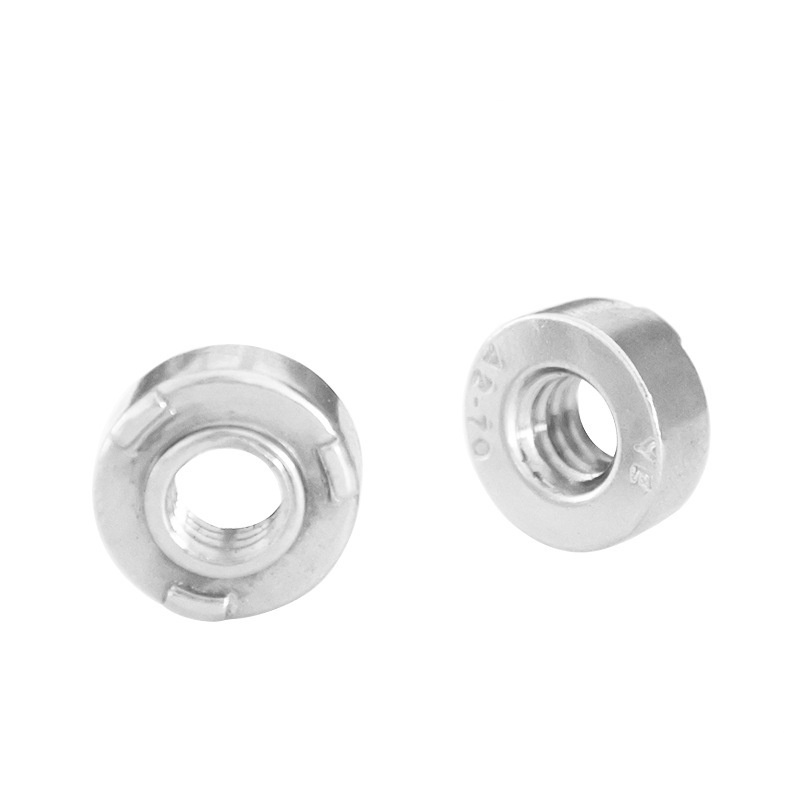
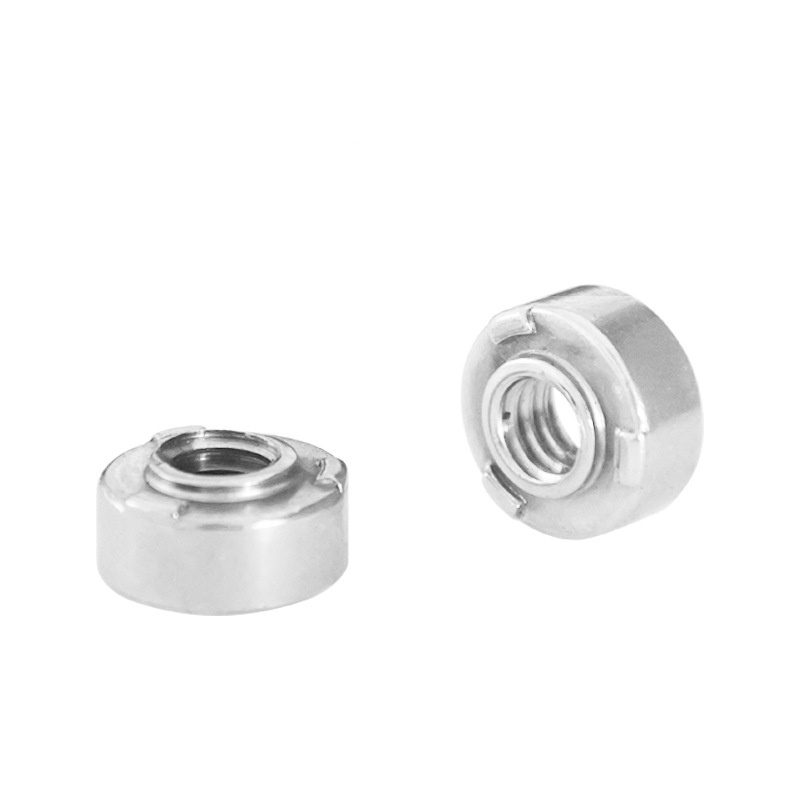
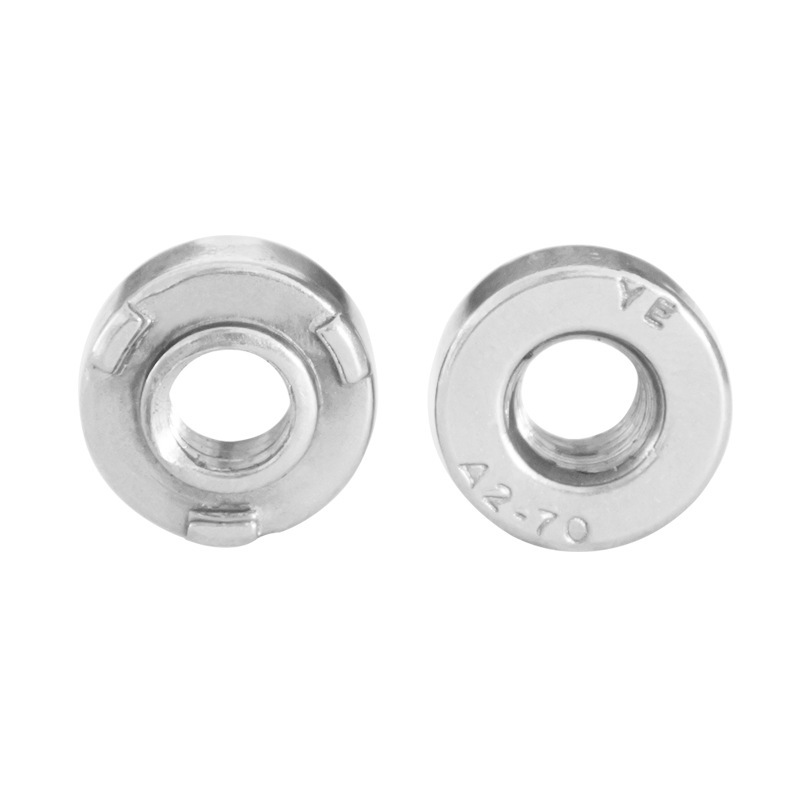
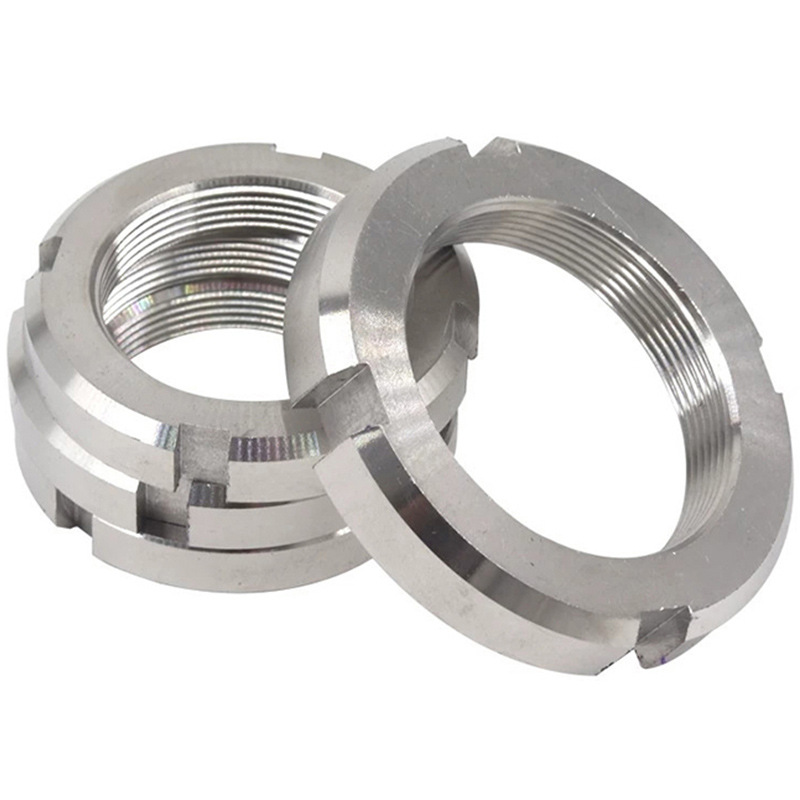
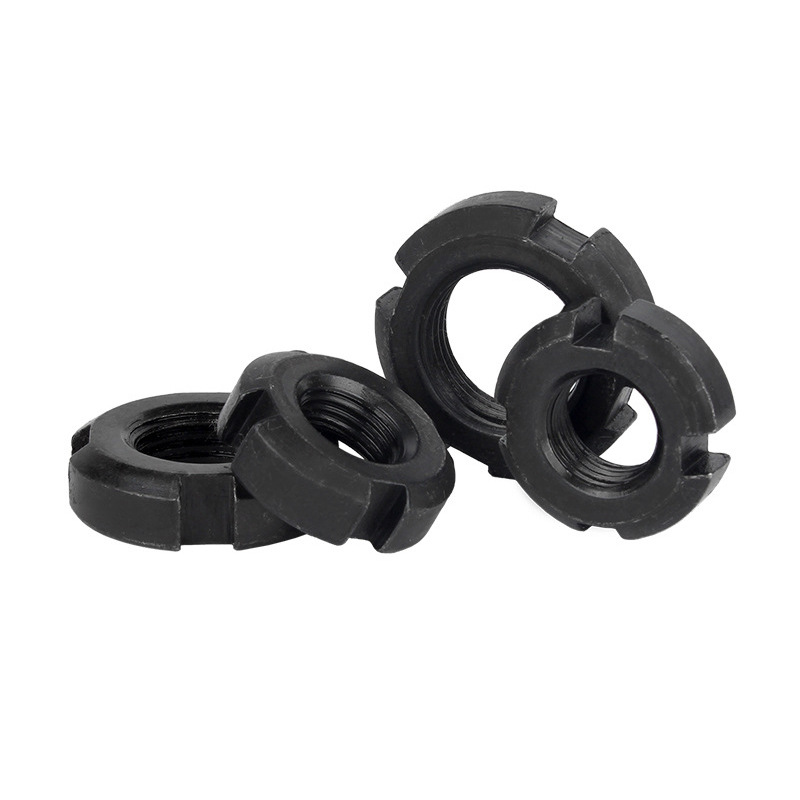
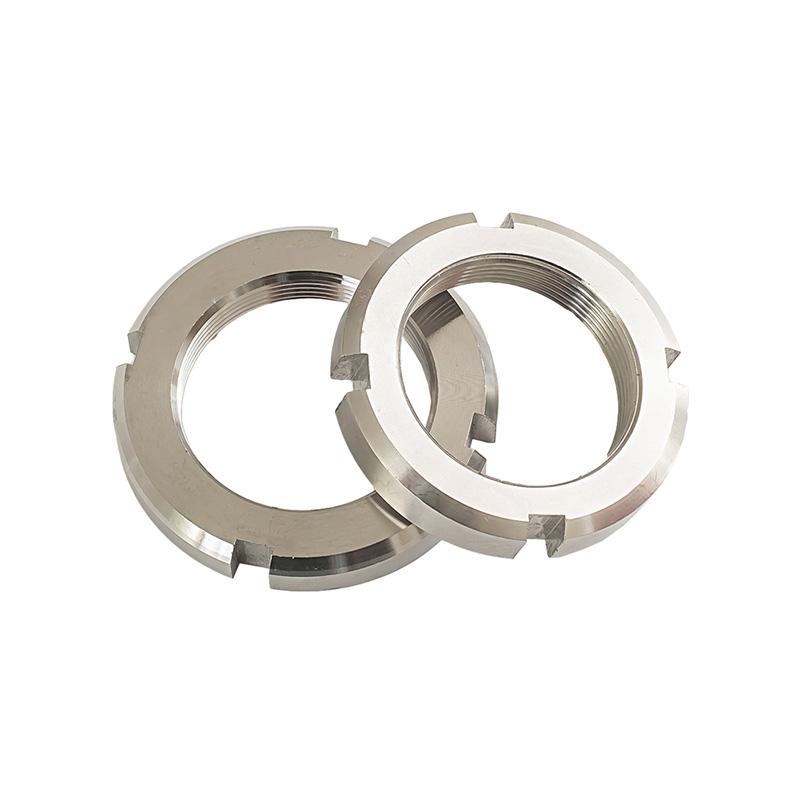
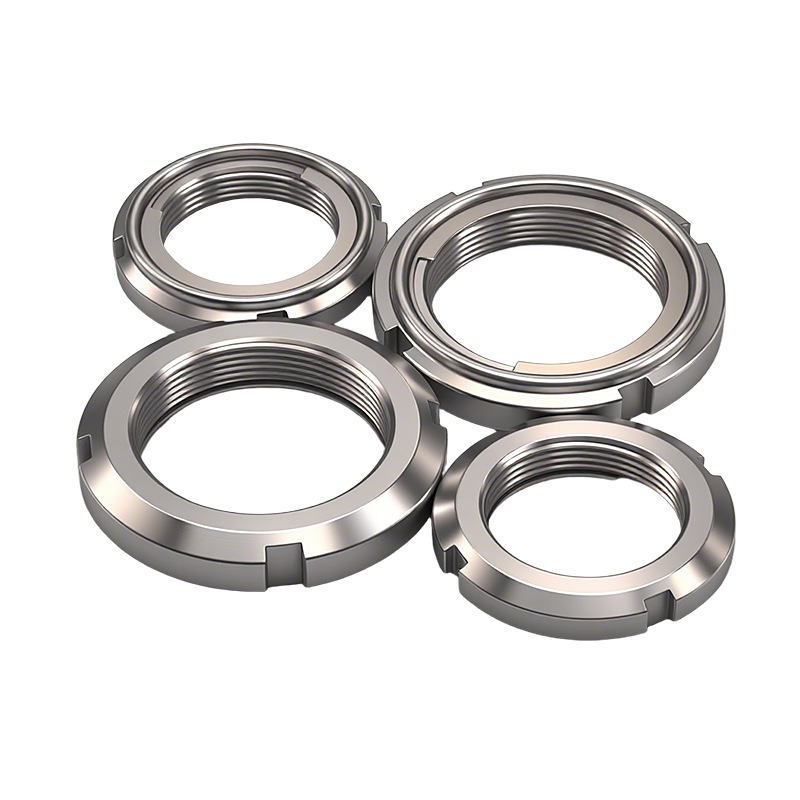
Reliable Weld Round Nuts
Xiaoguo® works with trusted manufacturers to source premium materials, ensuring product performance and longevity are guaranteed. The primary function of Reliable Weld round nuts is to provide strong, reliable internal threads on sheets or structures.
Send Inquiry
Product Description
The reason why this type of Reliable Weld round nuts is so popular is that it has extremely high connection strength. Unlike those simple-tightened nuts that may loosen when the object vibrates, this nut is directly welded onto the base material and forms a permanent connection at the molecular level.
This means that they can often bear more weight than the bolts they are paired with. Therefore, they have become the preferred material for high-pressure operations - such as in the manufacturing of heavy trucks, construction equipment, and structural frameworks.
Product Details
Reliable Weld round nuts hold up really well against loosening, even when there’s a lot of vibration or moving loads. That’s because they’re permanently attached to the base metal—there’s no shifting between the nut and the piece it’s on.
For machines, vehicles, and equipment that shake a lot or take impacts, this not-loosening feature is key. It keeps things structurally sound and safe, avoiding expensive downtime and possible breakdowns. Whether in factories, construction sites, or rough terrains, it ensures reliability under constant stress.
What are the standard sizes and threading for your Reliable Weld round nuts?
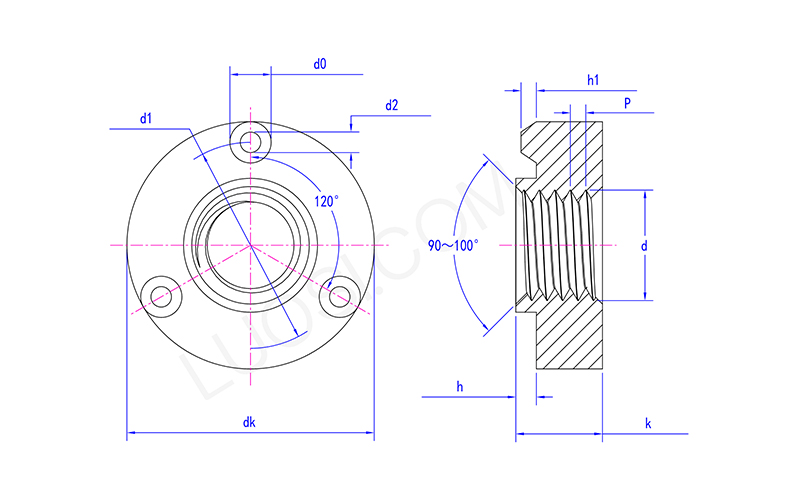
Our Reliable Weld round nuts cover a wide range of standard metric (M4-M24) and imperial sizes (e.g., #4-40 to 1”-8). Threading is precisely cut to ISO or ANSI/ASME standards, guaranteeing compatibility and a perfect fit with your corresponding bolts and threaded components.
| Mon | M4 | M5 | M6 | M8 | M10 | M12 |
| P | 0.7 | 0.8 | 1 | 1.25 | 1.5 | 1.75 |
| d1 max | 10.9 | 11.9 | 13.3 | 17.9 | 19.9 | 22.7 |
| d1 min | 10.5 | 11.5 | 12.9 | 17.5 | 19.5 | 22.3 |
| d0 max | 2.8 | 2.8 | 3.2 | 4.3 | 4.3 | 5 |
| d0 min | 2.5 | 2.5 | 2.9 | 4 | 4 | 4.7 |
| d2 max | 0.95 | 0.95 | 1.5 | 2.1 | 2.1 | 2.5 |
| d2 min | 0.65 | 0.65 | 1.2 | 1.8 | 1.8 | 2.2 |
| dk max | 13.7 | 14.7 | 16.5 | 22.2 | 24.2 | 27.7 |
| dk min | 13.3 | 14.3 | 16.1 | 21.8 | 23.8 | 27.3 |
| h max | 1.35 | 1.35 | 1.55 | 2 | 2 | 2.5 |
| h min | 1.1 | 1.1 | 1.3 | 1.75 | 1.75 | 2.25 |
| h1 max | 0.85 | 0.85 | 1 | 1.5 | 1.5 | 2 |
| h1 min | 0.65 | 0.65 | 0.75 | 1.19 | 1.19 | 1.78 |
| k max | 4.45 | 4.7 | 5.2 | 6.8 | 8.4 | 10.8 |
| k min | 4.15 | 4.4 | 4.9 | 6.44 | 8.04 | 10.37 |
Reliable Weld Round Nuts are mainly used where a permanent and strong threaded connection is needed. They’re commonly applied in the automotive industry, for attaching components like brackets, panels and frames to the vehicle body. Workers weld them directly onto metal surfaces, creating a secure base for bolts to fasten other parts.
In the construction field, they’re used for steel structure assemblies, such as connecting steel beams, railings and decorative metal parts. They also find use in machinery manufacturing, being welded onto equipment casings, bases and mechanical arms to mount accessories or fix moving parts.
Additionally, they’re suitable for furniture production that involves metal frames, like welding onto chair or table frames to add adjustable feet or decorative elements. They’re also used in the production of electrical cabinets and enclosures, providing threaded points for mounting internal components and covers.
Reliable Weld Round Nuts are made from several common metal materials, depending on application needs. The most widely used is carbon steel. It’s easy to weld and has good mechanical strength, suitable for general industrial and construction uses. Most carbon steel versions are surface-treated with zinc plating or galvanizing to prevent rust.
For applications requiring better corrosion resistance, stainless steel is an option. The common grades are 304 and 316. 304 stainless steel works for indoor and mild outdoor environments, while 316 is more resistant to saltwater and chemical corrosion, used in marine or coastal projects.
There are also low-carbon steel variants for light-duty uses, which are cost-effective and easy to process. All materials go through basic heat treatment to ensure weldability—they won’t crack easily during welding. The material selection is based on factors like working environment, load-bearing requirements and cost budget.
Hot Tags: Reliable Weld Round Nuts, China, Manufacturer, Supplier, Factory
Related Category
Hexagon Nut
Square Nut
Hexagon Flange Nut
Lock Nut
Cap Nut
Hexagon Slotted Nut
Hand Screw The Nut
Round Nut
Hubs Nuts
T-nut
Reed Nut
Other Nuts
Send Inquiry
Please Feel free to give your inquiry in the form below. We will reply you in 24 hours.