- English
- Español
- Português
- русский
- Français
- 日本語
- Deutsch
- tiếng Việt
- Italiano
- Nederlands
- ภาษาไทย
- Polski
- 한국어
- Svenska
- magyar
- Malay
- বাংলা ভাষার
- Dansk
- Suomi
- हिन्दी
- Pilipino
- Türkçe
- Gaeilge
- العربية
- Indonesia
- Norsk
- تمل
- český
- ελληνικά
- український
- Javanese
- فارسی
- தமிழ்
- తెలుగు
- नेपाली
- Burmese
- български
- ລາວ
- Latine
- Қазақша
- Euskal
- Azərbaycan
- Slovenský jazyk
- Македонски
- Lietuvos
- Eesti Keel
- Română
- Slovenski
- मराठी
- Srpski језик

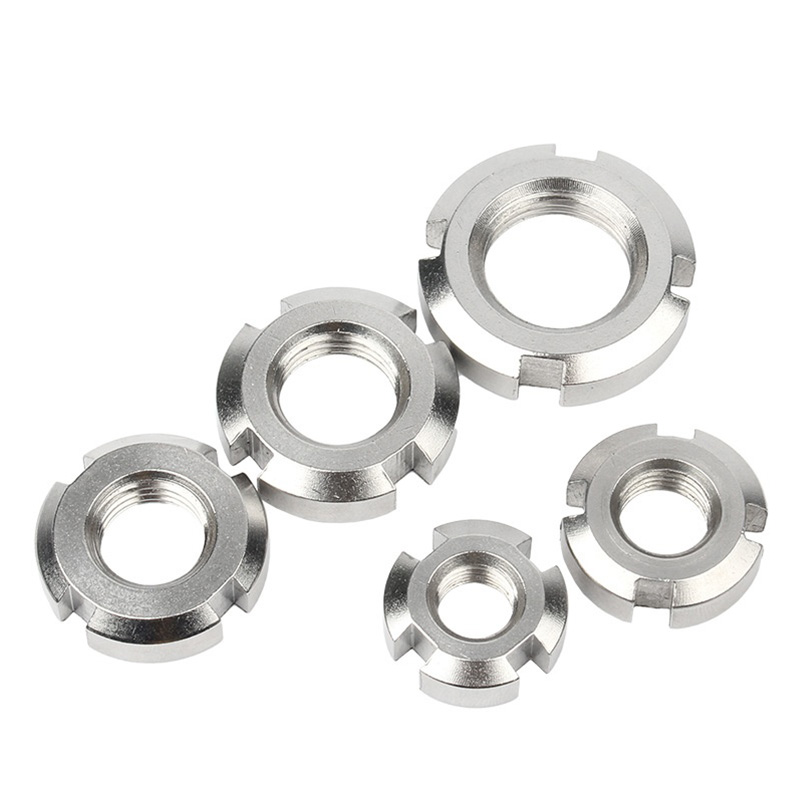
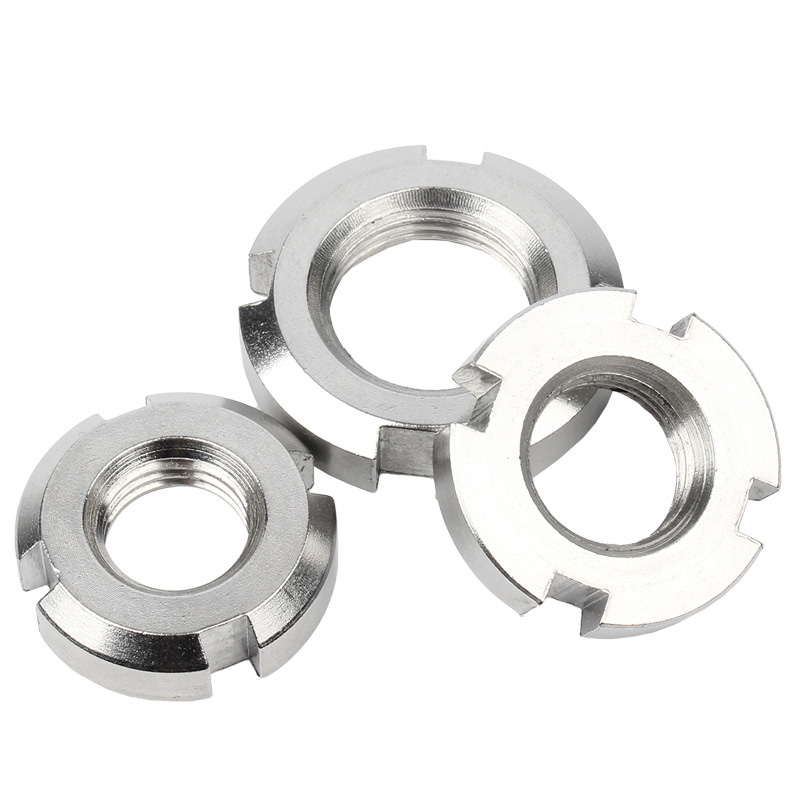
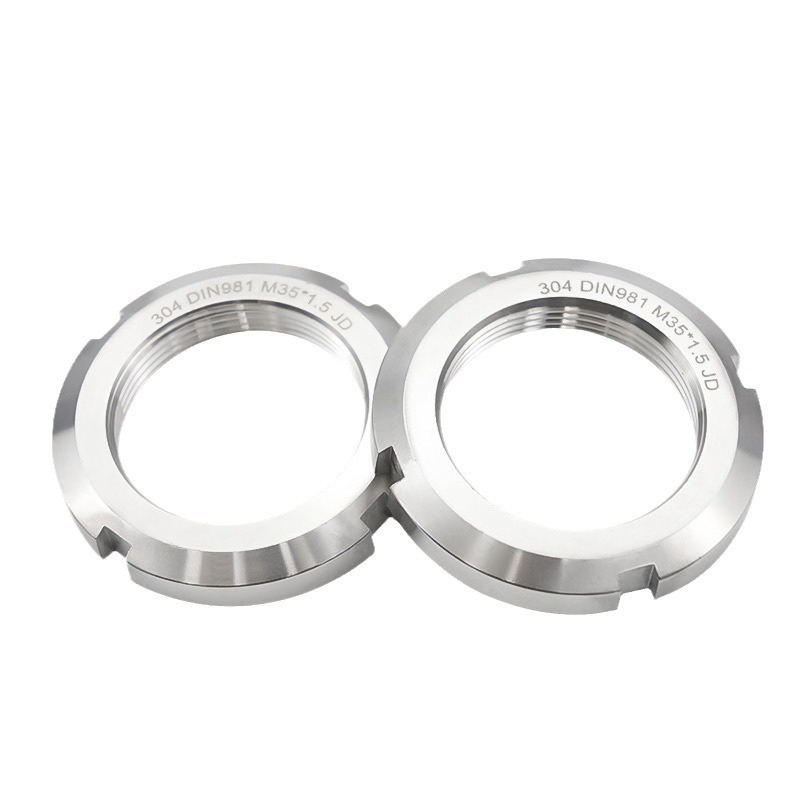
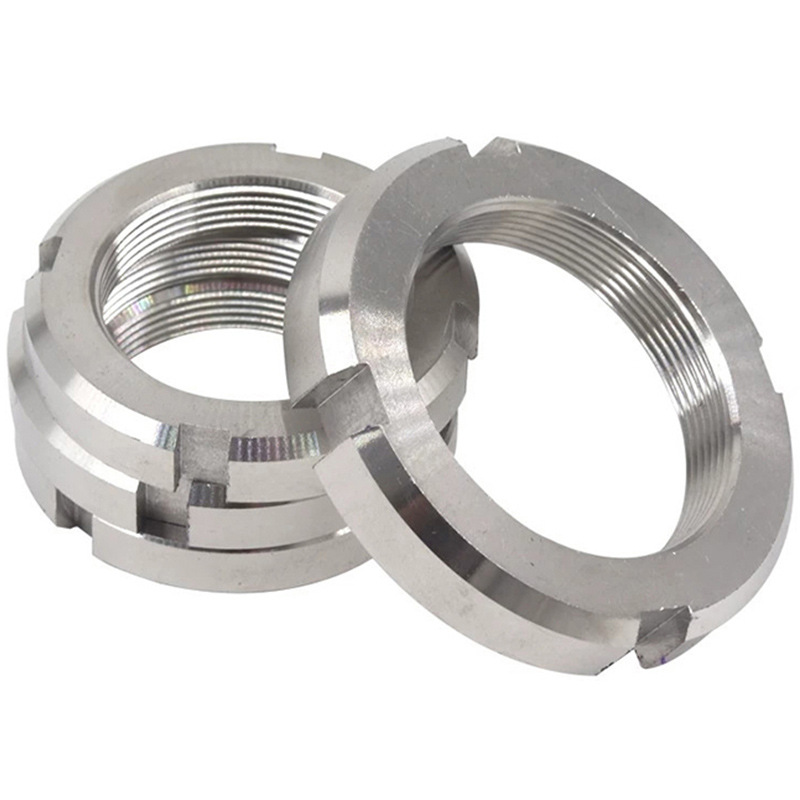
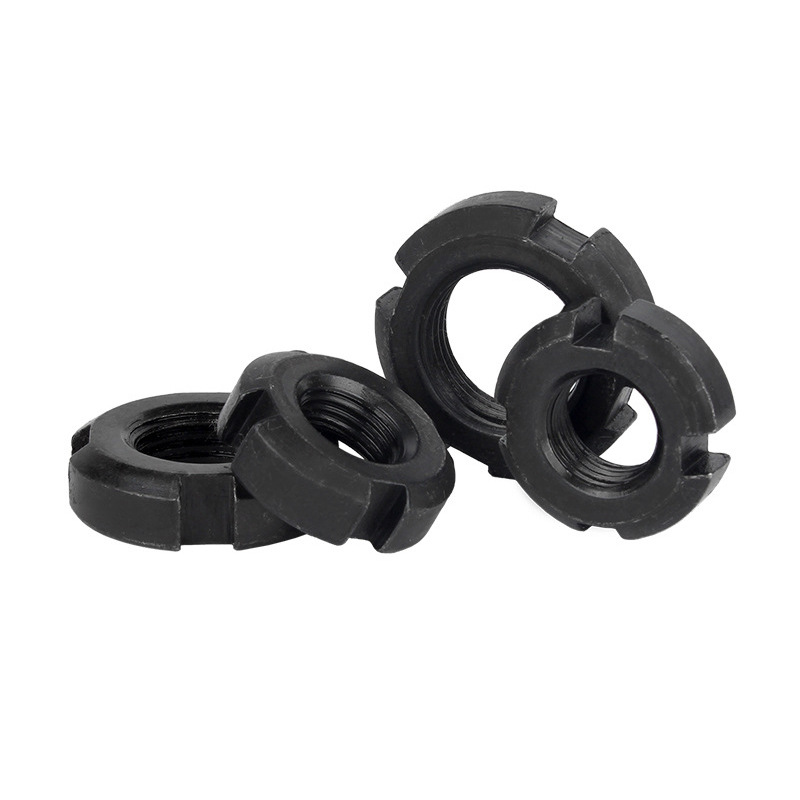
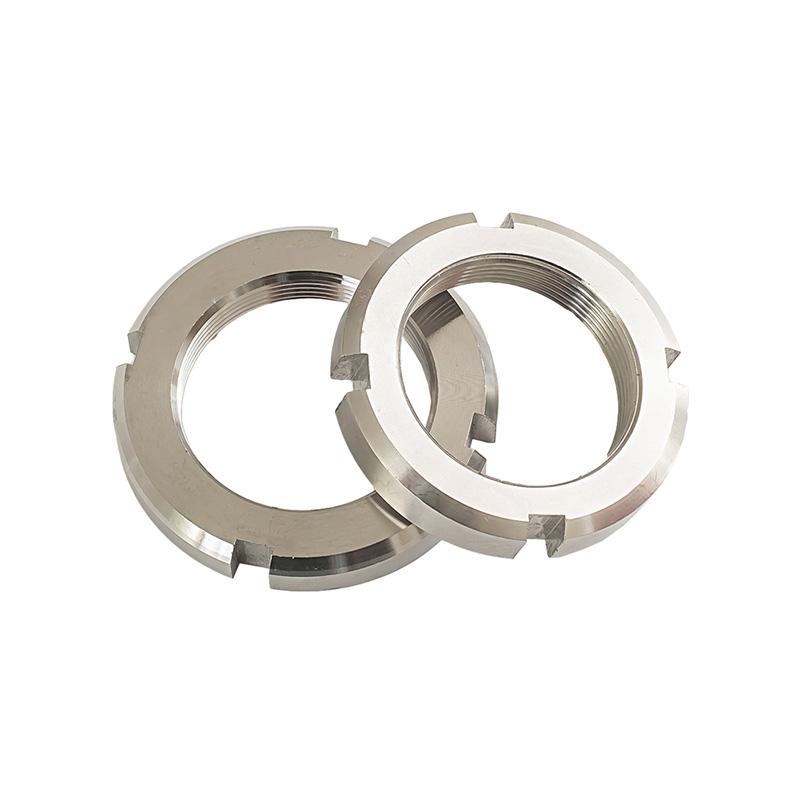
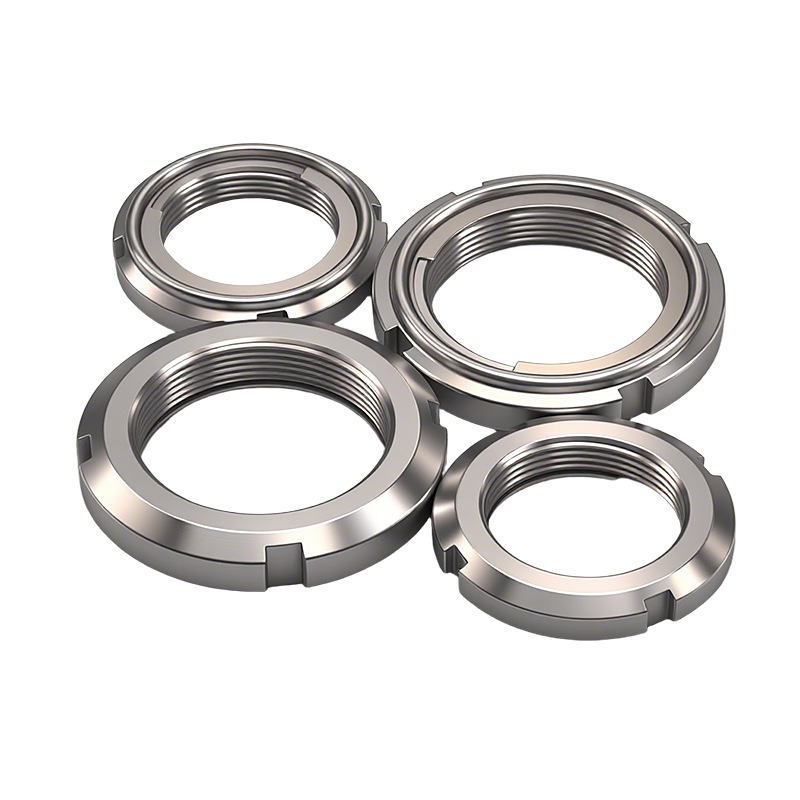
Polished Slotted Round Nuts
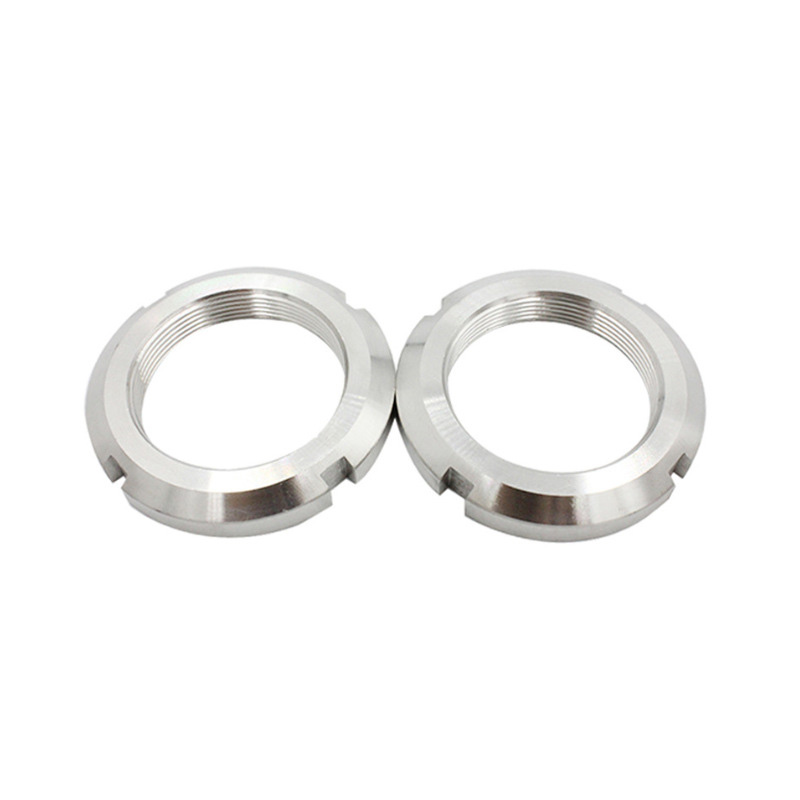
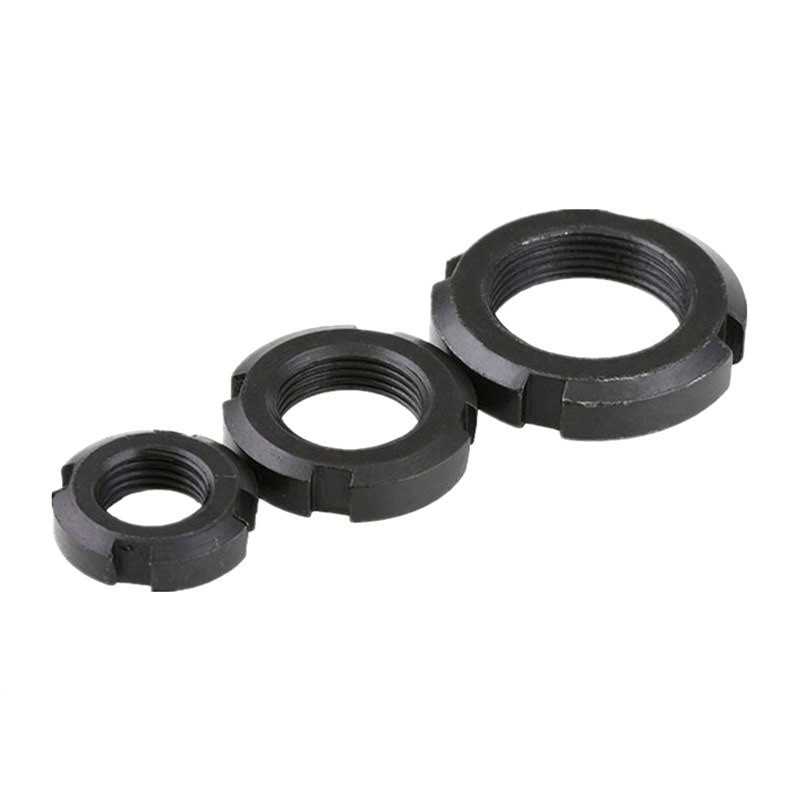
Polished Slotted Round Nuts are commonly used in applications where a low-profile, secure fastening is needed on shafts or spindles. We recommend that you could order Polished Slotted Round Nuts from the reliable supplier - XIAOGUO, in order to meet your production requirements.
Send Inquiry
Product Description
We make our polished slotted round nuts from materials that meet the required standards—like the ones that follow DIN 546 or GB/T 817-1988. These standards let you pick different materials based on what the nuts need, such as how strong they have to be or how well they need to keep rust away. Usually, people go for carbon steel for general use, while stainless steel or alloy steel is chosen when the application needs more strength or better rust protection. For special industries like aerospace, specific standards say you have to use materials such as corrosion-resistant steel, alloy steel, or heat-resistant steel. These materials are usually given surface treatments too, like passivation or cadmium plating. The exact material grades we use and any surface treatments that are needed are decided by the product’s specs and classification.
We put polished slotted round nuts through different surface treatments to make them more durable and improve how they perform. Common ways to treat them are electroplating and hot-dip galvanizing—these two methods offer different levels of corrosion resistance and different looks. You can also use more advanced dry processes, like tubular sputtering, to put a uniform metal coating (such as gold) on even the tricky parts like the threads, no matter how complex the shape is. For aerospace uses, standards might say you have to use passivation treatment on heat-resistant steel nuts. We also have other treatment options like blackening, chemical nickel plating, and trivalent chromium plating—these are for meeting specific environmental or functional needs.
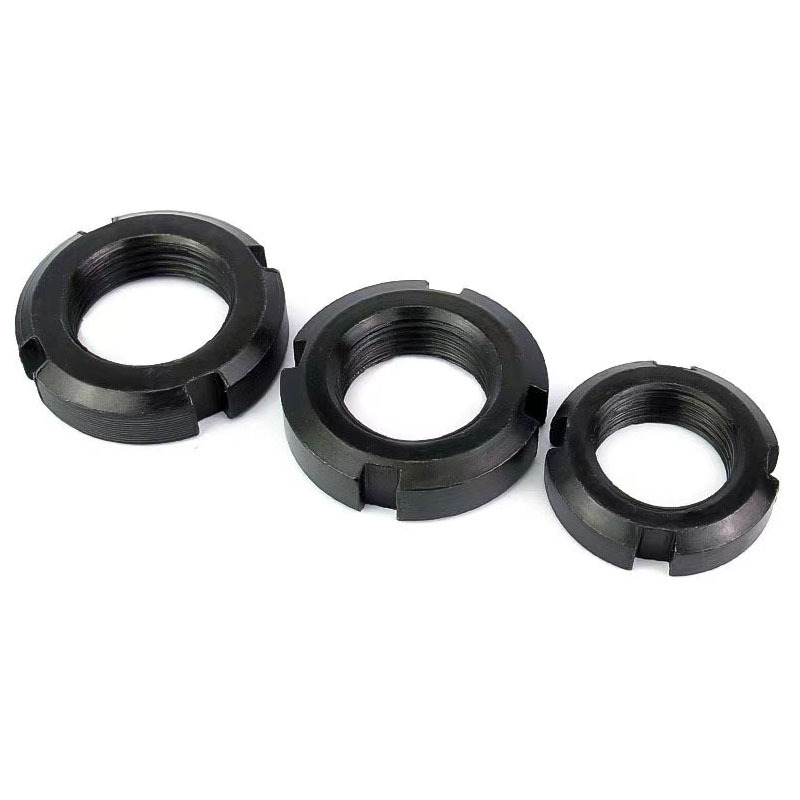
| unit:mm | |||||||||||||||
| d*P | dk | m | n | t | Quality per 1000 steel products≈kz | d*P | dk | m | n | t | Quality per 1000 steel products≈kg | ||||
| max | min | max | min | max | min | max | min | ||||||||
| M10*1 | 22 | 8 | 4.3 | 4 | 2.6 | 2 | 16.82 | M64*2 | 95 | 12 | 8.36 | 8 | 4.25 | 3.5 | 351.9 |
| M12*1.25 | 25 | 21.58 | M65*2 | 95 | 342.4 | ||||||||||
| M14*1.5 | 28 | 26.82 | M68*2 | 100 | 10.36 | 10 | 4.75 | 4 | 380.2 | ||||||
| M16*1.5 | 30 | 5.3 | 5 | 3.1 | 2.5 | 28.44 | M72*2 | 105 | 15 | 518 | |||||
| M18*1.5 | 32 | 31.19 | M75*2 | 105 | 477.5 | ||||||||||
| M20*1.5 | 35 | 37.31 | M76*2 | 110 | 562.4 | ||||||||||
| M22*1.5 | 38 | 10 | 54.91 | M80*2 | 115 | 608.4 | |||||||||
| M24*1.5 | 42 | 68.88 | M85*2 | 120 | 640.6 | ||||||||||
| M25*1.5 | 42 | 68.88 | M90*2 | 125 | 18 | 12.43 | 12 | 5.75 | 5 | 796.1 | |||||
| M27*1.5 | 45 | 75.49 | M95*2 | 130 | 834.7 | ||||||||||
| M30*1.5 | 48 | 82.11 | M100*2 | 135 | 873.3 | ||||||||||
| M33*1.5 | 52 | 6.3 | 6 | 3.6 | 3 | 93.32 | M105*2 | 140 | 895 | ||||||
| M35*1.5 | 52 | 84.99 | M110*2 | 150 | 14.43 | 14 | 6.75 | 6 | 1076 | ||||||
| M36*1.5 | 55 | 100.3 | M115*2 | 155 | 22 | 1369 | |||||||||
| M39*1.5 | 58 | 107.3 | M120*2 | 160 | 1423 | ||||||||||
| M40*1.5 | 58 | 109.5 | M125*2 | 165 | 1477 | ||||||||||
| M42*1.5 | 62 | 121.8 | M130*2 | 170 | 1531 | ||||||||||
| M45*1.5 | 68 | 153.6 | M140*2 | 180 | 26 | 1937 | |||||||||
| M48*1.5 | 72 | 12 | 8.36 | 8 | 4.25 | 3.5 | 201.2 | M150*2 | 200 | 16.43 | 16 | 7.9 | 7 | 2651 | |
| M50*1.5 | 72 | 186.8 | M160*3 | 210 | 2810 | ||||||||||
| M52*1.5 | 78 | 238 | M170*3 | 220 | 2970 | ||||||||||
| M55*2 | 78 | 214.4 | M180*3 | 230 | 30 | 3610 | |||||||||
| M56*2 | 85 | 290.1 | M190*3 | 240 | 3794 | ||||||||||
| M60*2 | 90 | 320.3 | M200*3 | 250 | 3978 | ||||||||||
Q: What international standards do your Polished Slotted Round Nuts comply with?
A:Our Nuts are manufactured to meet major international standards such as ISO 7714 and DIN 935. This ensures the Nuts you receive have consistent dimensions, thread pitch, and slot specifications for reliable interchangeability.
Hot Tags: Polished Slotted Round Nuts, China, Manufacturer, Supplier, Factory
Related Category
Hexagon Nut
Square Nut
Hexagon Flange Nut
Lock Nut
Cap Nut
Hexagon Slotted Nut
Hand Screw The Nut
Round Nut
Hubs Nuts
T-nut
Reed Nut
Other Nuts
Send Inquiry
Please Feel free to give your inquiry in the form below. We will reply you in 24 hours.