- English
- Español
- Português
- русский
- Français
- 日本語
- Deutsch
- tiếng Việt
- Italiano
- Nederlands
- ภาษาไทย
- Polski
- 한국어
- Svenska
- magyar
- Malay
- বাংলা ভাষার
- Dansk
- Suomi
- हिन्दी
- Pilipino
- Türkçe
- Gaeilge
- العربية
- Indonesia
- Norsk
- تمل
- český
- ελληνικά
- український
- Javanese
- فارسی
- தமிழ்
- తెలుగు
- नेपाली
- Burmese
- български
- ລາວ
- Latine
- Қазақша
- Euskal
- Azərbaycan
- Slovenský jazyk
- Македонски
- Lietuvos
- Eesti Keel
- Română
- Slovenski
- मराठी
- Srpski језик

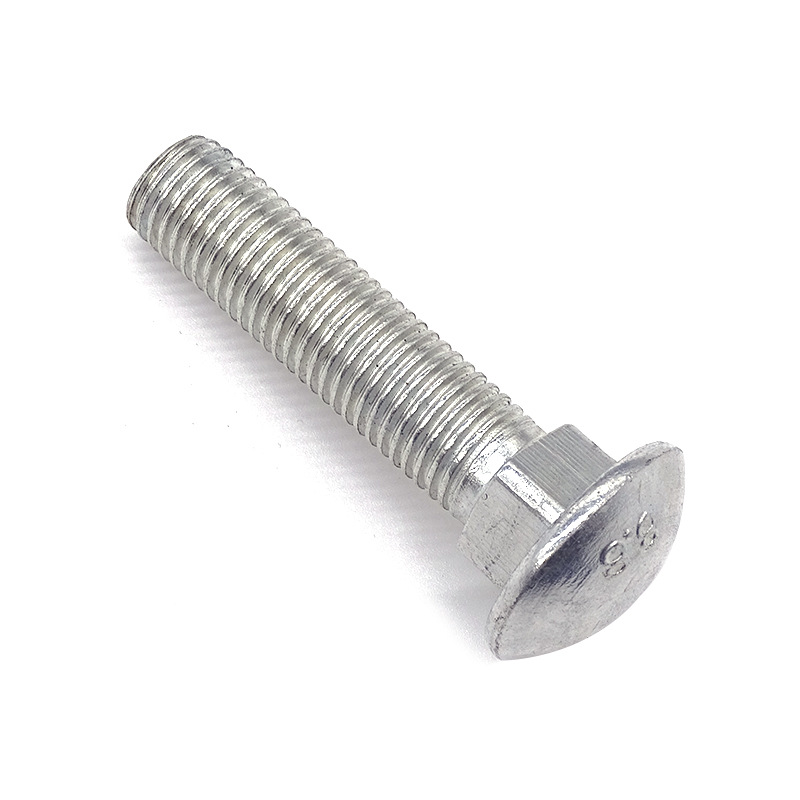
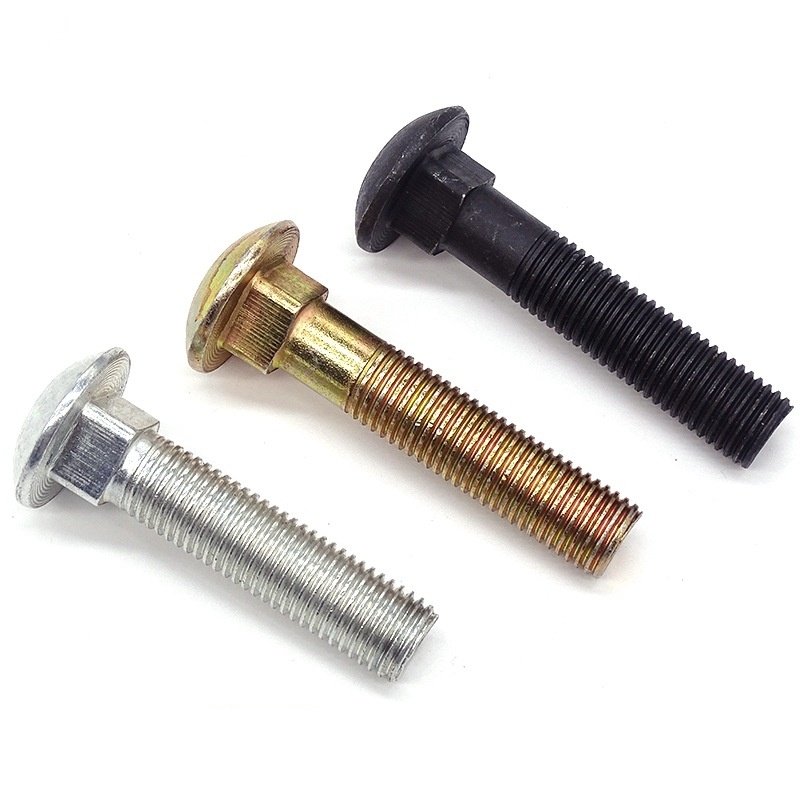
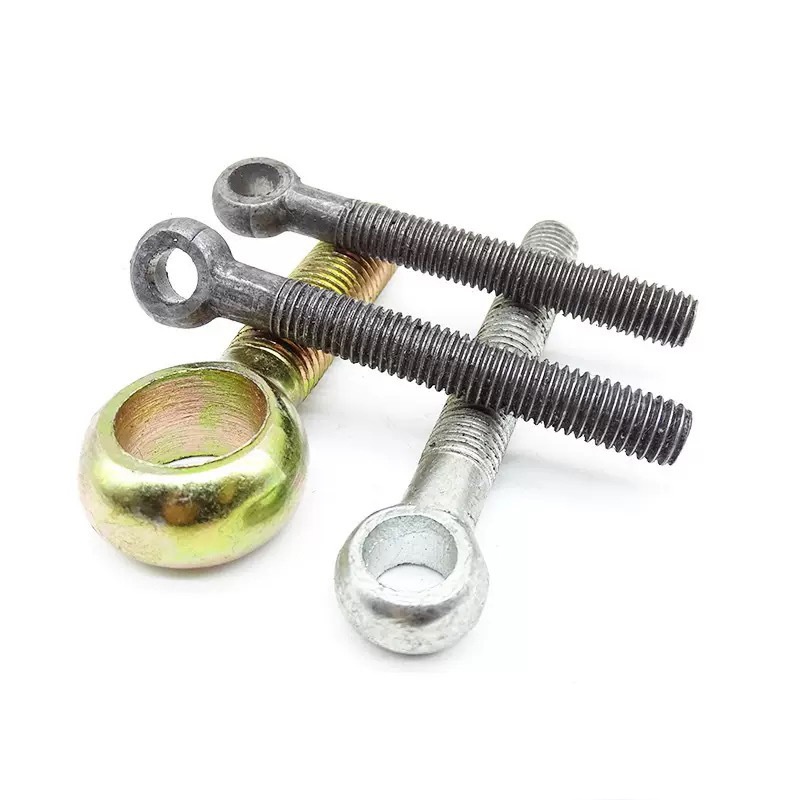
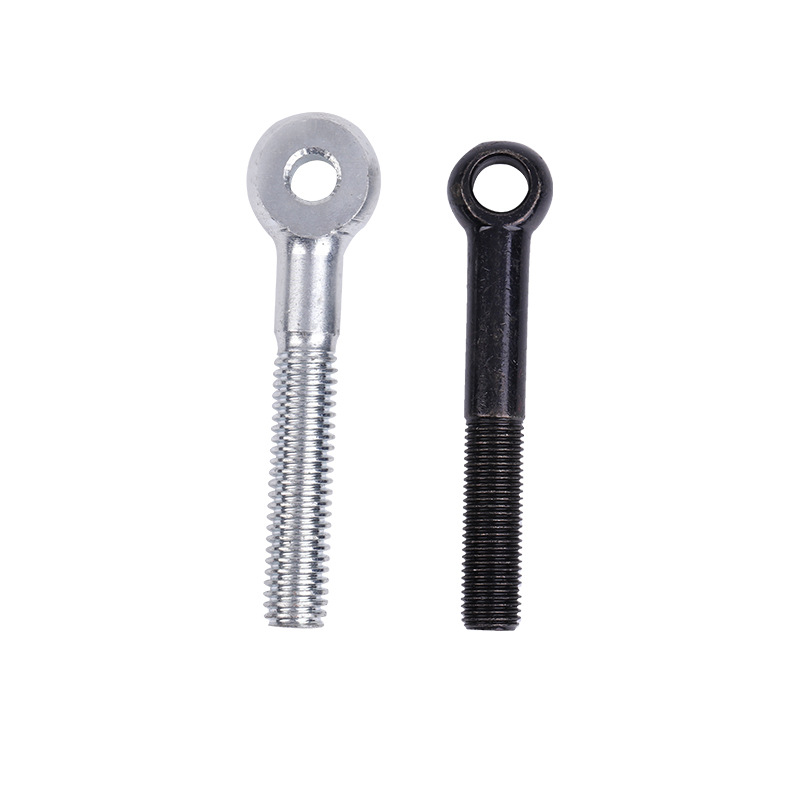
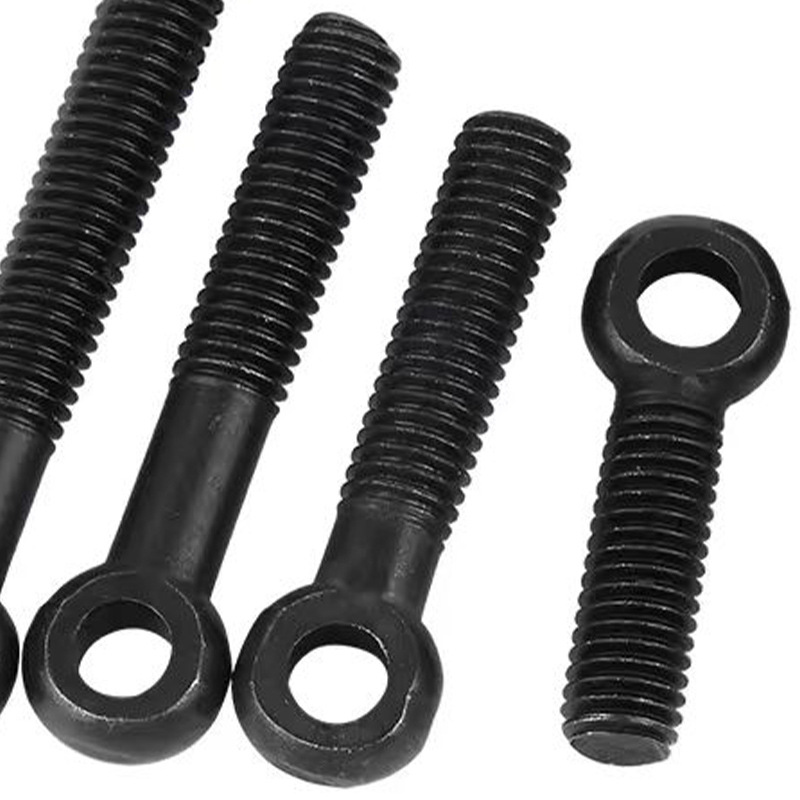
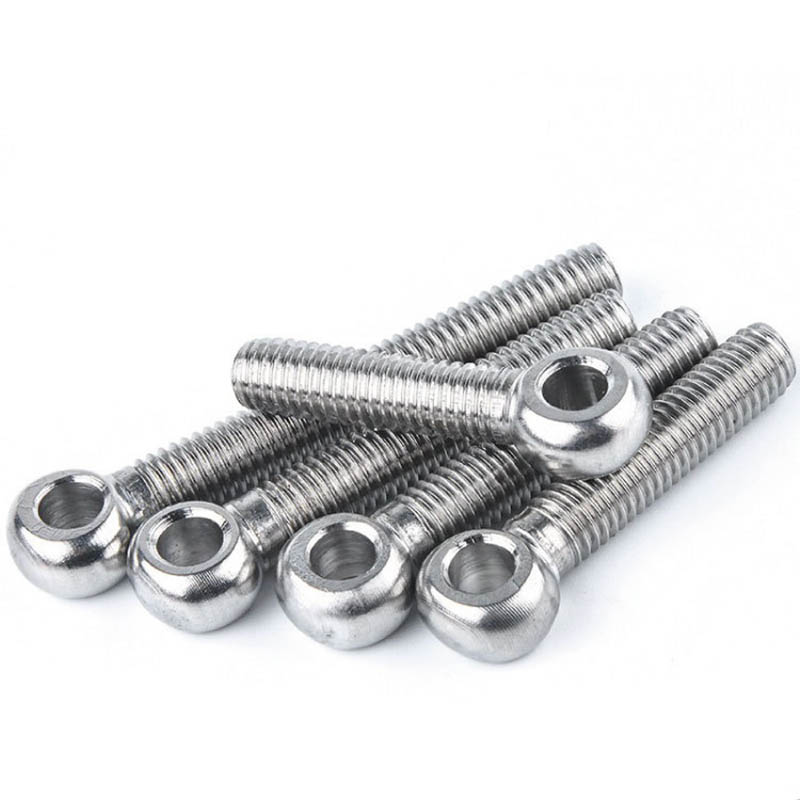
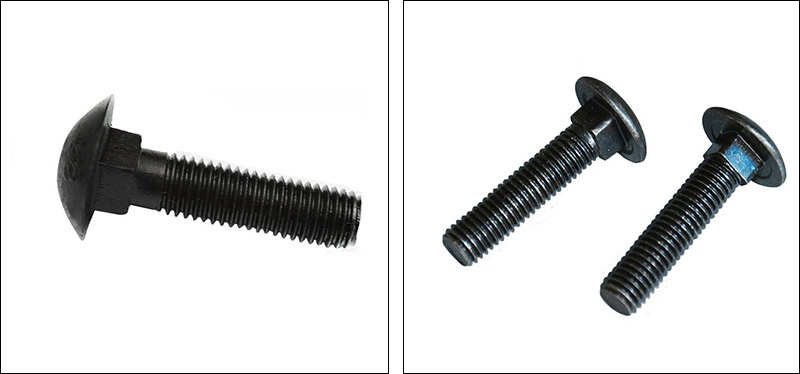
DIN 603 Round Head Square Neck Bolt
The round head without corners is combined with the square neck. The Xiaoguo® durable DIN 603 Round head square neck bolt can be tightened on one side during operation, making it particularly suitable for high-altitude work or construction sites with limited space, thus saving installation time.
Send Inquiry
Product Description
Optional surface treatment
For the DIN 603 Round head square neck bolt, to facilitate your selection based on different application scenarios, we have summarized several mainstream and reliable surface treatment options. We hope this will be helpful to you.
(1)Electro-Zinc Plating
Process and Appearance: Electrolytic deposition, with a shiny finish. Available in various colors such as blue-white, yellow, and black.
Core advantages and disadvantages: The lowest cost, widest application; There is a risk of hydrogen embrittlement, and high-strength bolts should be used with caution.
Recommended application: For indoor dry environments, for the fixation of furniture, ordinary machinery, and electrical appliances inside.
(2)Hot-Dip Galvanizing (HDG)
Process and Appearance: Immersed in molten zinc liquid, forming a thick silver-gray alloy layer.
Core advantages and disadvantages: Excellent outdoor corrosion resistance; May affect thread accuracy; High processing temperature.
Recommended application: Outdoor harsh environments, highway guardrails, power towers.
(3)Dacromet/Zinc-Aluminum Coating
Process and Appearance: Dip-coated/Spray-coated with zinc-aluminum sheet coating, heated and cured at high temperature, presenting a matte silver-gray color.
Core advantages and disadvantages: No hydrogen embrittlement, excellent heat resistance, excellent corrosion resistance; poor conductivity of the coating.
Recommended applications: Automotive chassis, wind power generation, offshore platforms, high-strength bolts.
(4)Phosphating
Process and Appearance: Chemical conversion coating, dark gray/black color, porous structure requires oil immersion.
Core advantages and disadvantages: Low cost, no hydrogen embrittlement, good lubricity; Bare membrane has poor anti-corrosion performance and must be coated with oil.
Recommended application: High-strength bolts (above 10.9 grade), for large-scale construction machinery and wind power equipment.
(5)Black Oxide
Process and Appearance: A three-oxygen-iron film is formed through chemical oxidation, presenting a pure black color.
Core advantages and disadvantages: Extremely low cost, no impact on size; almost no anti-corrosion capability.
Recommended application: DIN 603 Round head square neck bolt For components with extremely low corrosion resistance requirements or those that need a black appearance and are not critical in function.
How to choose the appropriate surface treatment?
When choosing the surface treatment for DIN 603 Round head square neck bolt, it is recommended to ask and make decisions in the following order:
(1)What is the bolt performance grade? Determine whether certain processes should be disabled.
(2)How harsh is the usage environment? → Determine the salt spray resistance duration requirements (72h/500h/1000h+).
(3)Are there any special appearance requirements? → Choose the color and glossiness.
(4)What is the budget? → While ensuring that the DIN 603 Round head square neck bolt performance meets the standards, optimize the cost.
(5)Does it need to comply with specific industry standards? → It must meet regulations such as RoHS and ASTM.
(6)What is the budget range?→Determining the cost of surface treatment
(7)Are there any requirements regarding appearance and decoration?→The need for the aesthetics of a specific environment
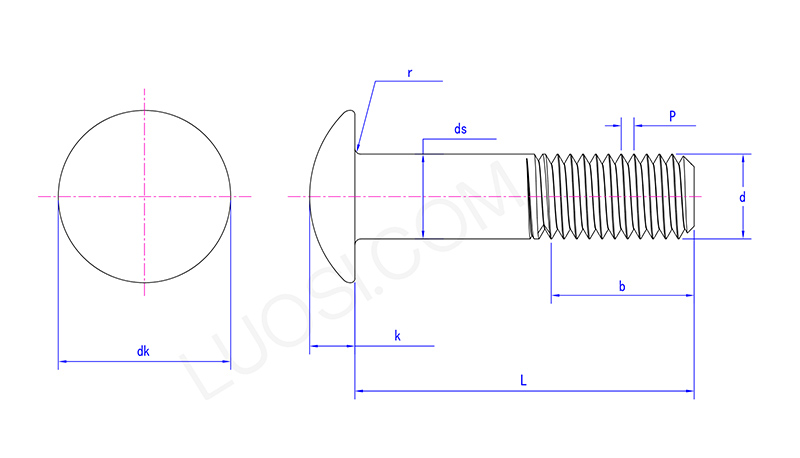
| Mon | M5 | M6 | M8 | M10 | M12 | M16 | M20 | M24 |
| P | 0.8 | 1 | 1.25 | 1.5 | 1.75 | 2 | 2.5 | 3 |
| dk max | 11.3 | 13.5 | 18 | 22.5 | 27 | 36 | 45 | 54 |
| dk min | 10.2 | 12.4 | 16.9 | 21.2 | 25.7 | 34.4 | 43.4 | 52.1 |
| ds max | 5.48 | 6.48 | 8.58 | 10.58 | 12.7 | 16.7 | 20.84 | 24.84 |
| ds min | 4.52 | 5.52 | 7.42 | 9.42 | 11.3 | 15.3 | 19.16 | 23.16 |
| k max | 3.2 | 3.6 | 4.8 | 5.8 | 6.8 | 8.9 | 10.9 | 13.1 |
| k min | 2.5 | 3 | 4 | 5 | 6 | 8 | 10 | 12 |
| r max | 0.5 | 0.5 | 0.5 | 0.5 | 1 | 1 | 1 | 1.5 |
Hot Tags: DIN 603 Round Head Square Neck Bolt, China, Manufacturer, Supplier, Factory
Related Category
Hexagon Head Bolt
Hexagon Head Flange Bolt
Square Head Bolt
Round Head Bolt
Countersunk Bolt
Knuckle Bolt
T-bolt
U Bolt
Foundation Bolts
Anchor Bolt
Hub Bolt
Hexalobular Socket Pan Head Bolt
Twelve Angle Bolt
Send Inquiry
Please Feel free to give your inquiry in the form below. We will reply you in 24 hours.