- English
- Español
- Português
- русский
- Français
- 日本語
- Deutsch
- tiếng Việt
- Italiano
- Nederlands
- ภาษาไทย
- Polski
- 한국어
- Svenska
- magyar
- Malay
- বাংলা ভাষার
- Dansk
- Suomi
- हिन्दी
- Pilipino
- Türkçe
- Gaeilge
- العربية
- Indonesia
- Norsk
- تمل
- český
- ελληνικά
- український
- Javanese
- فارسی
- தமிழ்
- తెలుగు
- नेपाली
- Burmese
- български
- ລາວ
- Latine
- Қазақша
- Euskal
- Azərbaycan
- Slovenský jazyk
- Македонски
- Lietuvos
- Eesti Keel
- Română
- Slovenski
- मराठी
- Srpski језик

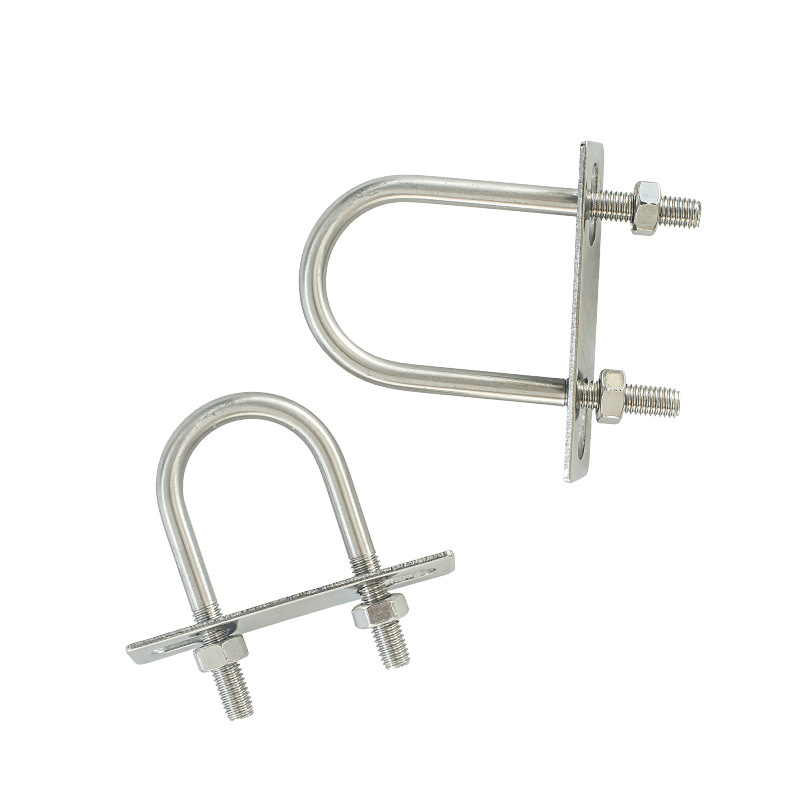
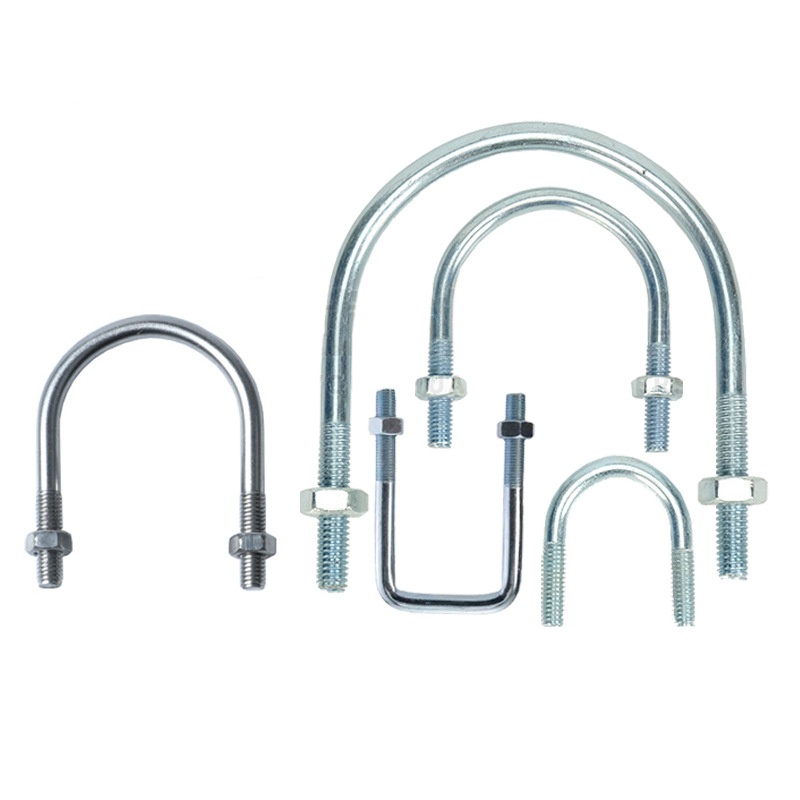
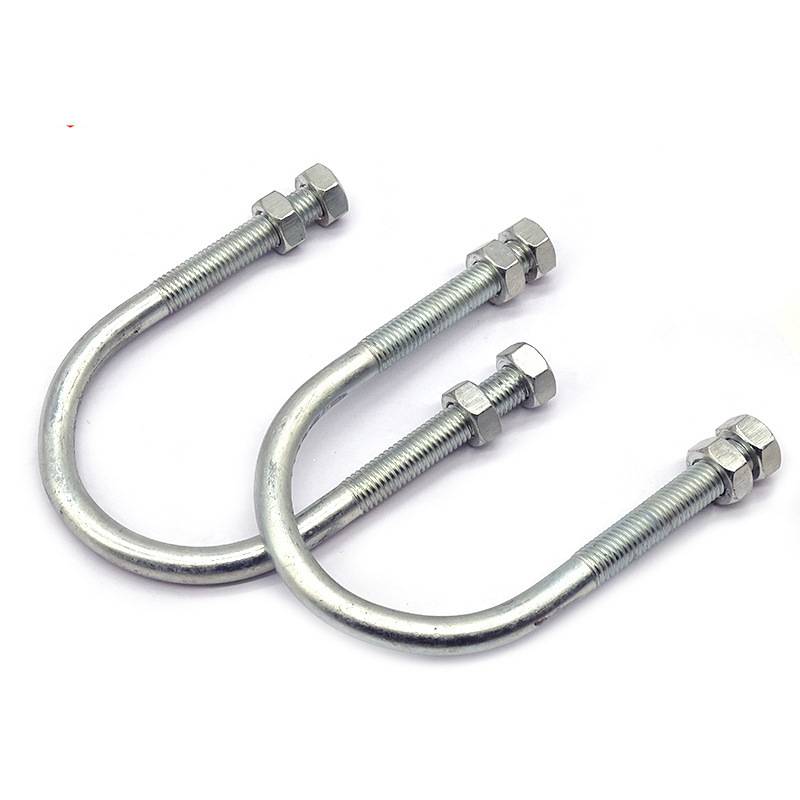
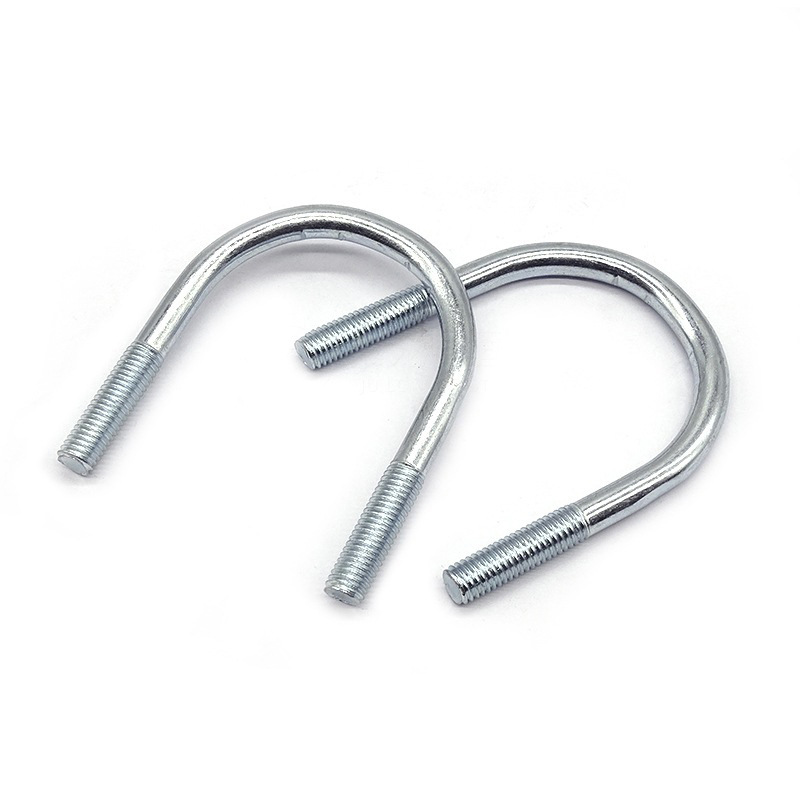
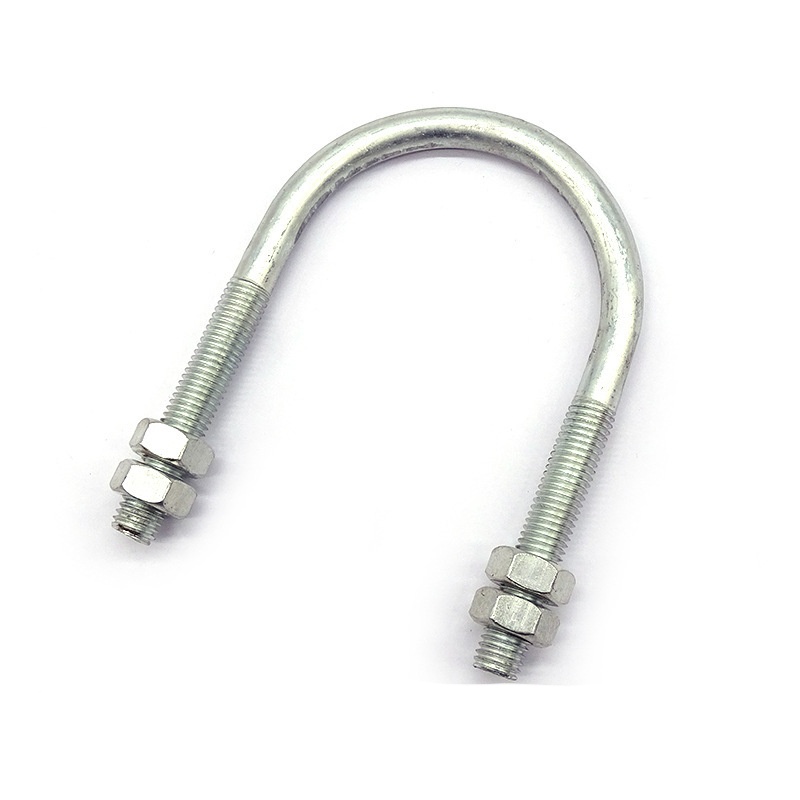
Spring U Bolt
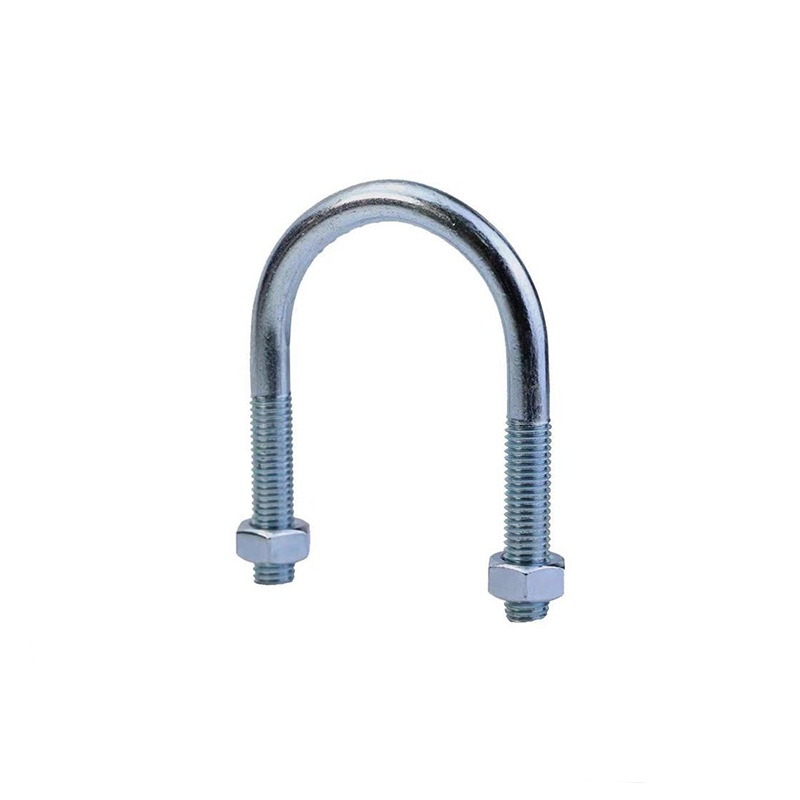
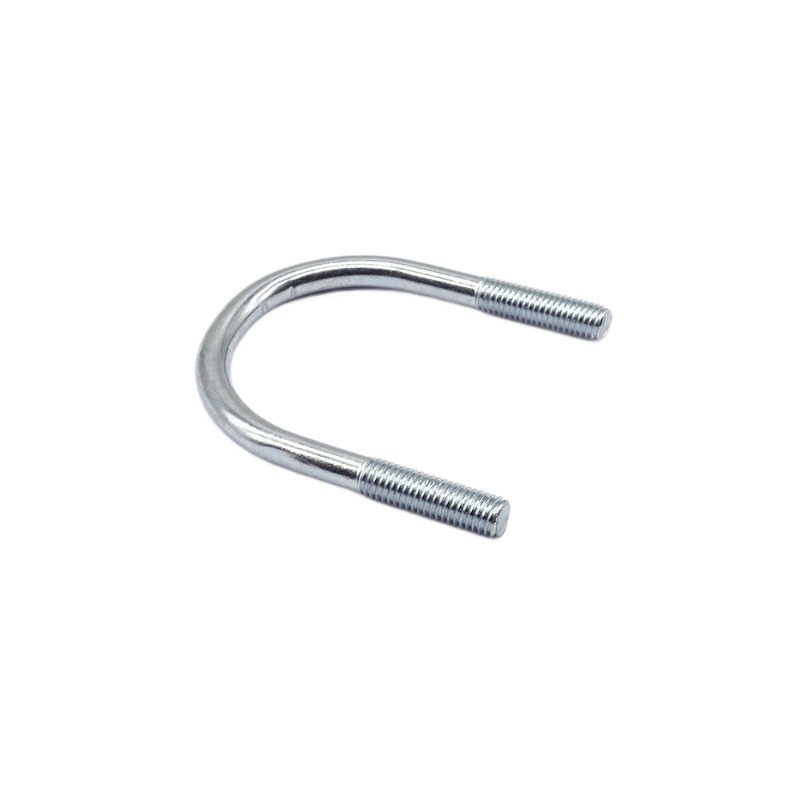
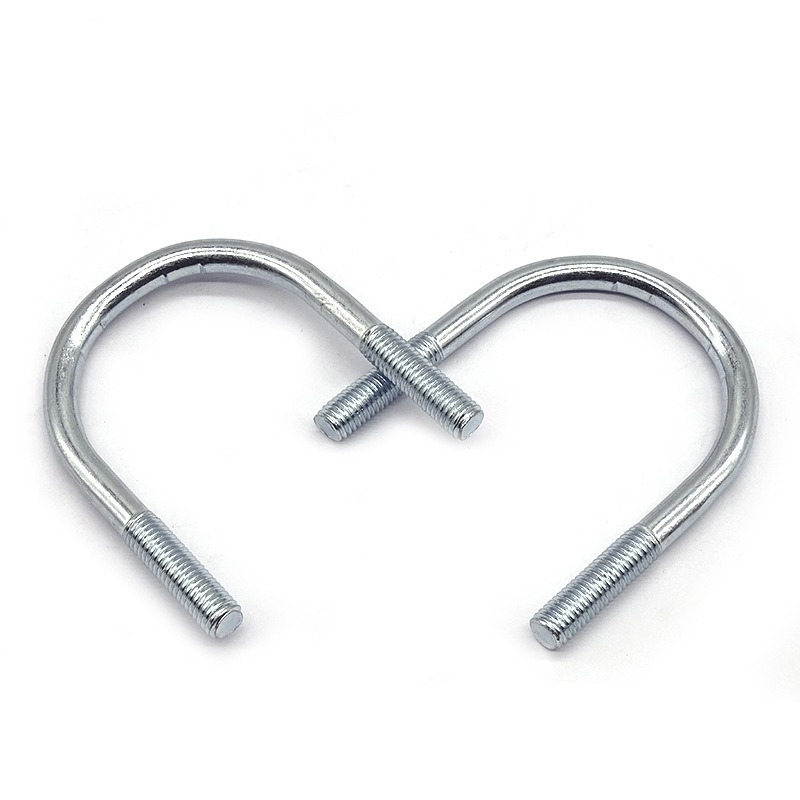
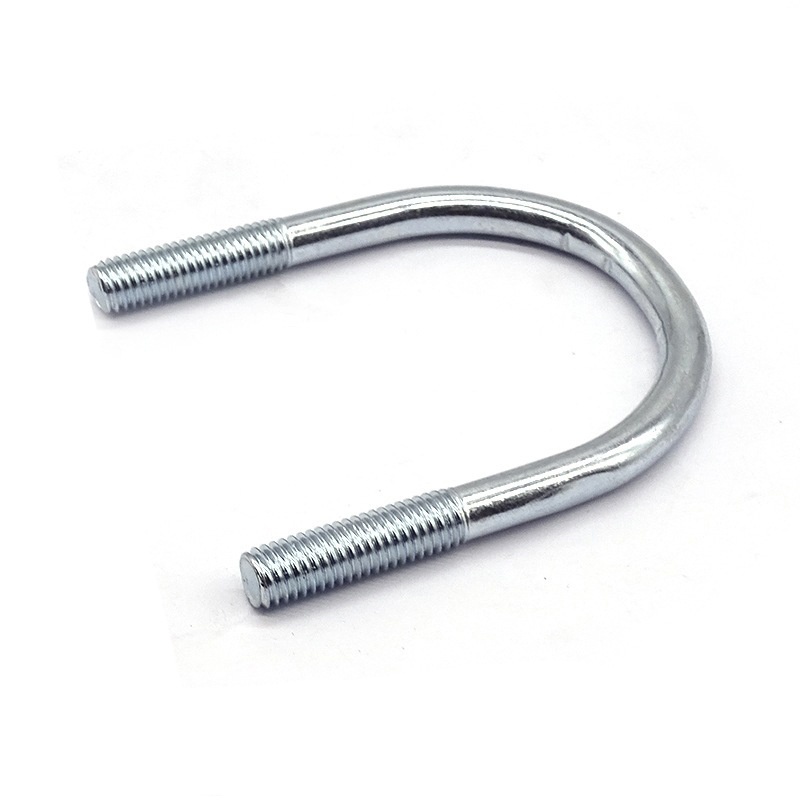
China Xiaoguo® spring U bolt can offer a high degree of customization in terms of size, material, and surface treatment. If you don't have a factory that can offer customized services, you can choose latest selling spring U-bolt.
Send Inquiry
Product Description
Introduction to Materials
The choice of material for spring U bolt directly determines their safety and lifespan under high vibration and high load conditions. The following is an introduction to the main materials:
(1)Carbon Steel - Economical and General-purpose Type
Carbon steel is the most basic and widely used material for U-bolts. It offers high cost-effectiveness and is suitable for general industrial applications and light vehicles.
Advantages: Low price, stable supply, good processability.
Disadvantages: Poor corrosion resistance; must be used in conjunction with surface treatments (such as electro-galvanizing, hot-dip galvanizing); not suitable for heavy-load or strong-vibration working conditions.
(2)Alloy Steel - High Strength / High Fatigue Resistance
By adding elements such as chromium, molybdenum, and manganese, and through heat treatment, alloy steel achieves high strength and high fatigue resistance. The alloy steel spring U bolt are the preferred choice for commercial vehicles and heavy machinery.
Advantages: High strength (up to 1200 MPa or more), long vibration fatigue life, and capable of withstanding severe impacts.
Disadvantages: Higher cost than carbon steel; strict requirements for heat treatment process; not corrosion-resistant, requires surface protection; hydrogen embrittlement sensitive (ordinary electro-galvanizing is prohibited for high-strength grades).
(3)Stainless Steel - Specialized for Corrosion Resistance
When used in harsh corrosive environments such as those found in coastal areas, chemical industries, or food processing, stainless steel is the only reliable option and does not require additional coatings to prevent rusting.
Advantages: Rust-proof property, no surface treatment required, long service life, bright appearance.
Disadvantages: Significantly higher cost compared to carbon steel/alloy steel; relatively lower strength grade (the tensile strength of A4-80 is approximately 800 MPa, slightly lower than 10.9 grade alloy steel's 1000 MPa+); prone to thread seizing (requires the use of anti-seizing lubricant).
How to choose?
How to select the appropriate material for spring U bolt? The key lies in clarifying the following three issues:
(1)What is the load capacity?
4.8 grade: Suitable for light vehicles or static loads, with low strength requirements.
8.8 grade: A common performance level that can meet the requirements of most commercial vehicles and industrial equipment.
10.9/12.9 grade: Suitable for heavy trucks, construction machinery, etc. which need to withstand extremely high impact and loads.
(2)How harsh is the usage environment?
Conventional dry environment: Carbon steel is the most cost-effective option.
Damp, acidic, alkaline or salt-sprayed environments: Stainless steel must be chosen.
(3)How to ensure quality and reliability?
Please preferentially choose standardized spring U bolt that comply with international standards (such as GB/T, DIN and ISO standards).
Select suppliers that have obtained certifications such as IATF 16949 or ISO 9001 for quality management systems, to ensure that the processes are controllable.
Require the supplier to provide proof of original factory materials, heat treatment reports, and third-party performance test reports.
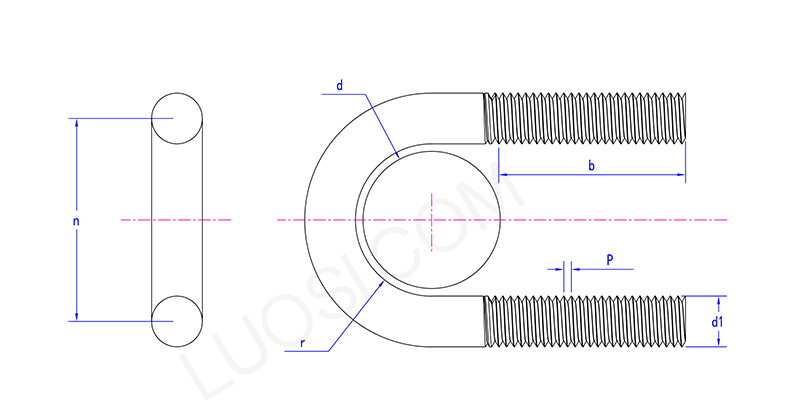
| Mon | Φ60 | Φ76 | Φ83 | Φ89 | Φ102 | Φ108 | Φ114 | Φ133 | Φ140 | Φ159 | Φ165 |
| d1 | M12 | M12 | M12 | M12 | M16 | M16 | M16 | M16 | M16 | M16 | M16 |
| n | 76 | 92 | 98 | 104 | 122 | 128 | 134 | 154 | 160 | 180 | 186 |
| P | 1.75 | 1.75 | 1.75 | 1.75 | 2 | 2 | 2 | 2 | 2 | 2 | 2 |
| r | 32 | 40 | 43 | 46 | 53 | 56 | 59 | 69 | 72 | 82 | 85 |
Hot Tags: Spring U Bolt, China, Manufacturer, Supplier, Factory
Related Category
Hexagon Head Bolt
Hexagon Head Flange Bolt
Square Head Bolt
Round Head Bolt
Countersunk Bolt
Knuckle Bolt
T-bolt
U Bolt
Foundation Bolts
Anchor Bolt
Hub Bolt
Hexalobular Socket Pan Head Bolt
Twelve Angle Bolt
Send Inquiry
Please Feel free to give your inquiry in the form below. We will reply you in 24 hours.