
- English
- Español
- Português
- русский
- Français
- 日本語
- Deutsch
- tiếng Việt
- Italiano
- Nederlands
- ภาษาไทย
- Polski
- 한국어
- Svenska
- magyar
- Malay
- বাংলা ভাষার
- Dansk
- Suomi
- हिन्दी
- Pilipino
- Türkçe
- Gaeilge
- العربية
- Indonesia
- Norsk
- تمل
- český
- ελληνικά
- український
- Javanese
- فارسی
- தமிழ்
- తెలుగు
- नेपाली
- Burmese
- български
- ລາວ
- Latine
- Қазақша
- Euskal
- Azərbaycan
- Slovenský jazyk
- Македонски
- Lietuvos
- Eesti Keel
- Română
- Slovenski
- मराठी
- Srpski језик

China Spring Washer Manufacturer, Supplier, Factory
What is a Spring Washer?
A spring washer, also known as a disc spring or Belleville washer, is a type of fastener designed to provide a flexible preload and maintain tension in bolted assemblies. These conical-shaped washers compress under load, acting like a spring to absorb shock, reduce vibration, and prevent loosening due to thermal expansion or dynamic forces. They are crucial components in countless mechanical systems, from automotive and aerospace to heavy machinery and consumer electronics, ensuring the long-term reliability and safety of fastened joints.
Key Features and Benefits of Our Spring Washers
- Superior Vibration Dampening: Our washers are engineered to absorb and dissipate vibrational energy, effectively preventing nuts and bolts from loosening over time.
- Constant Tension Maintenance: The spring action maintains a consistent clamp force, compensating for material settling, gasket creep, or thermal cycling.
- High Load Capacity: Despite their compact size, our spring washers can support significant static and dynamic loads.
- Corrosion Resistance: Available in various materials and coatings to withstand harsh environmental conditions.
- Reusability: Manufactured from high-grade materials that allow for multiple uses without significant loss of spring properties.
Detailed Product Specifications
Our spring washers are manufactured to international standards, including DIN 6796 and ANSI B18.21.1, ensuring consistent quality and performance. Below is a detailed breakdown of our product specifications.
Standard Material and Coating Options
| Material Grade | Standard | Typical Hardness (HRC) | Common Coatings | Temperature Range |
|---|---|---|---|---|
| Carbon Steel (C75) | DIN 17222 | 42 - 50 | Zinc Plated, Phosphate | -20°C to +120°C |
| Stainless Steel (AISI 302/304) | DIN 17224 | 38 - 45 | Passivated | -200°C to +250°C |
| Stainless Steel (AISI 316) | DIN 17224 | 36 - 42 | Passivated | -200°C to +250°C |
| Inconel 718 | AMS 5596 | 36 - 44 | None (High-Temp Alloy) | -250°C to +650°C |
Standard Size Chart (Based on DIN 6796)
| Nominal Size (d1 - mm) | Washer Diameter (D - mm) | Washer Height (H - mm) | Approx. Load at 75% Deflection (N) |
|---|---|---|---|
| M3 | 6.0 | 0.6 | 310 |
| M4 | 8.0 | 0.8 | 510 |
| M5 | 9.0 | 1.0 | 830 |
| M6 | 11.5 | 1.2 | 1100 |
| M8 | 15.0 | 1.6 | 2100 |
| M10 | 18.0 | 2.0 | 3400 |
| M12 | 22.0 | 2.5 | 5000 |
| M16 | 28.0 | 3.0 | 9200 |
Applications and Industries
Spring washers are versatile components used to solve fastening challenges across a wide spectrum of industries. Their primary function is to prevent self-loosening of fasteners subjected to vibration and thermal fluctuations.
- Automotive: Engine mounts, transmission systems, suspension components, and brake assemblies.
- Aerospace: Critical airframe structures, engine components, and avionics systems where reliability is paramount.
- Heavy Machinery: Construction equipment, agricultural machinery, and industrial presses.
- Electronics: Securing components on PCBs and within enclosures that are subject to shock or vibration.
- Energy Sector: Wind turbines, oil and gas drilling equipment, and power generation systems.
Technical Design Considerations
When selecting a spring washer for your application, several key factors must be considered to ensure optimal performance and longevity. The load-deflection characteristics are critical. A single washer provides a specific spring rate, but stacking them in parallel increases the load capacity, while stacking in series increases deflection. It is vital to calculate the required preload and the working deflection range to prevent the washer from being flattened ("bottoming out"), which would nullify its spring function. Proper surface finish and flatness of the mating surfaces are also essential to ensure uniform load distribution and prevent premature failure. For highly corrosive environments, material selection becomes the primary concern, often necessitating stainless steel or specialized alloys like Inconel.
Related Products



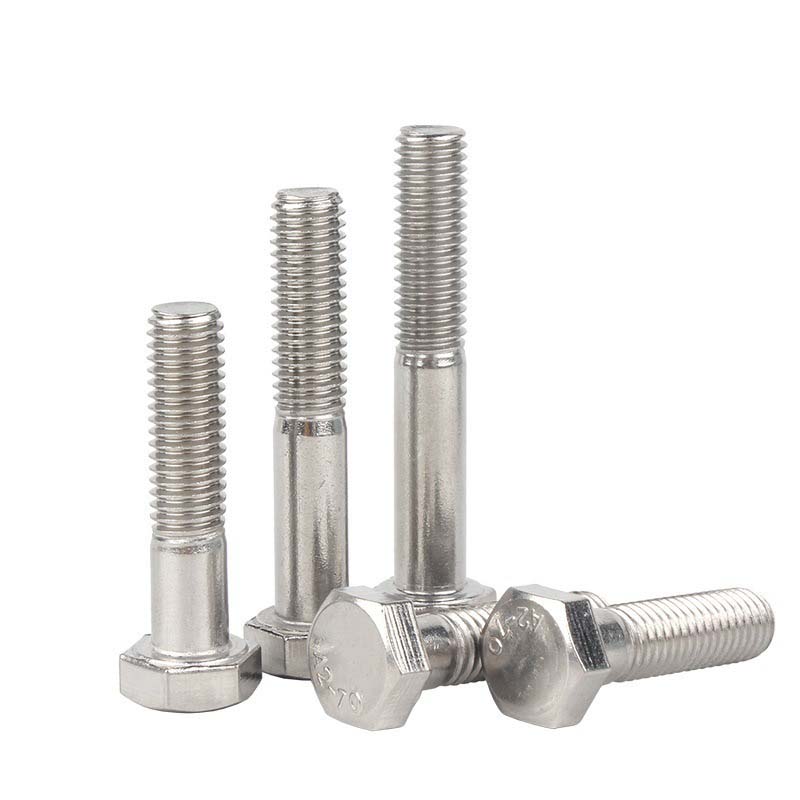
Hot Products
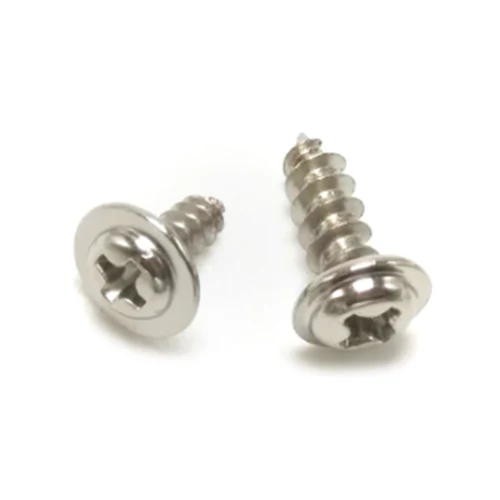
Slotted Pan Head Tapping Screws And Plain Washer Assemblies
Baoding Xiaoguo Intelligent Equipment Co., LTD. is Slotted pan head tapping screws and plain washer assemblies manufacturer and supplier in China who can wholesale Slotted pan head screws. The company provides customers with customized product services and sends free samples to customers.
Acorn Hexagon Nuts
High quality Acorn Hexagon Nuts is offered by China manufacturer Xiaoguo®. Buy Acorn Hexagon Nuts which is of high quality directly.The role of the cap is to tighten the exposed part of the outer cover to prevent moisture or some other corrosive substances from entering the inside so as to play the role of rust prevention, thereby improving the service time of itself and the connecting parts.
Single Sided Core Pulling Rivet
Single Sided Core Pulling Rivet only need a single side space to complete the installation, a single person can complete, corrosion resistance and high temperatur. Xiaoguo’s China Core-pulling rivet are rigorously tested to ensure performance for long-term use.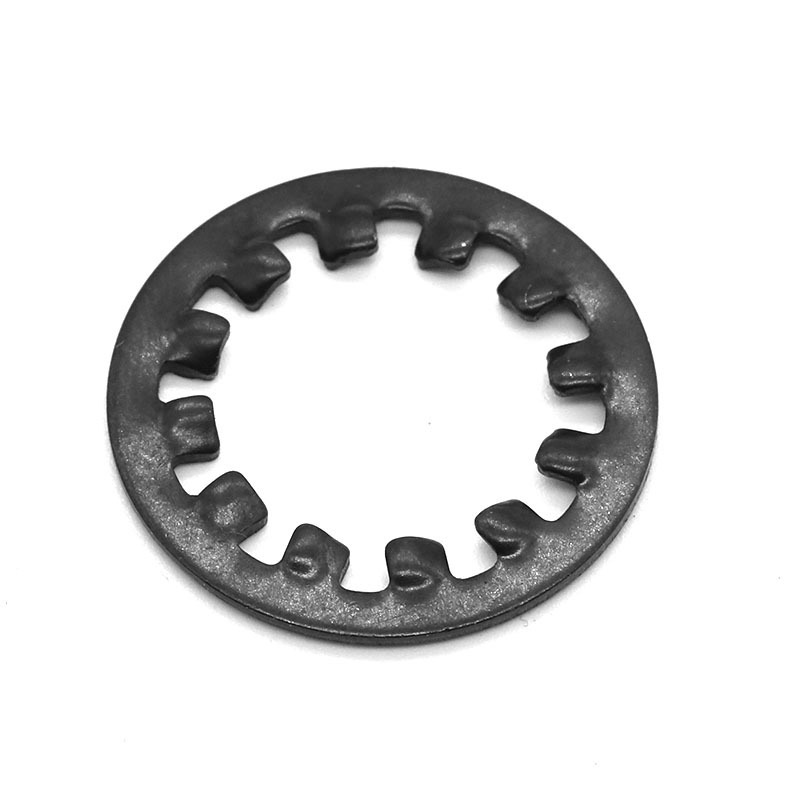
Lock Washers with Teeth Internal
The product inventory of Xiaoguo® includes various-sized serrated Lock Washers with Teeth Internal, such as the standard type AW and the heavy-duty type IOW, which can meet the actual needs of most customers.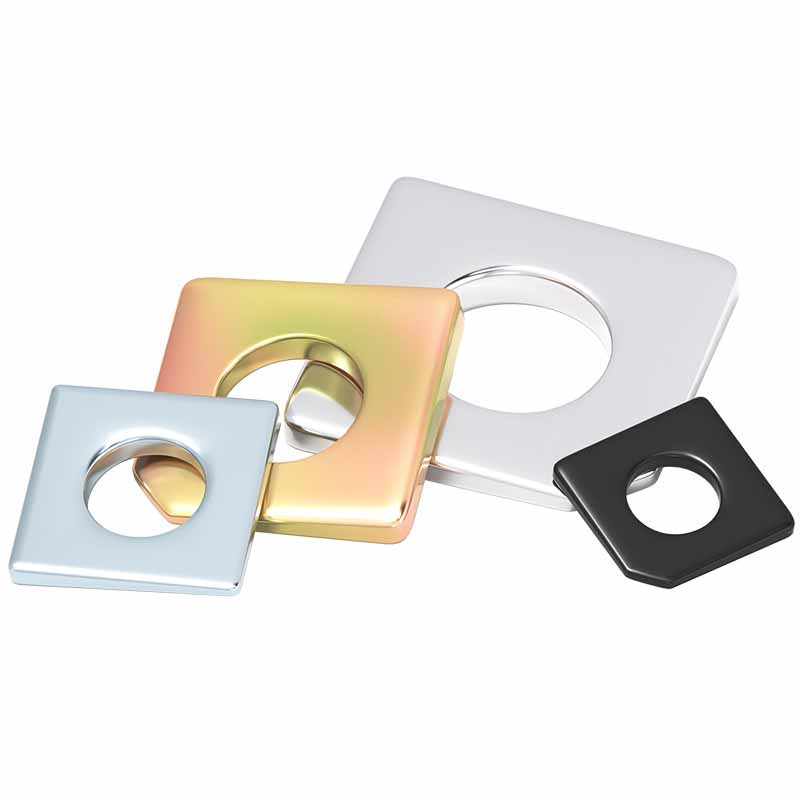
Square Bevel Washer
A square bevel washer is a type of hardware. It's made to spread the weight evenly under bolt heads or nuts when used in square setups.Xiaoguo® is a professional foreign trade fastener company with years of experience in the industry.
Internal Teeth Serrated Lock Washer
Internal teeth serrated lock washer is special little parts used to fasten things. They're made to stop bolts and nuts from coming loose when there's vibration or they're being twisted around. Xiaoguo® manufacturer provide OEM/ODM and provide customized designs to meet requirements.
- Related Blog
- Reviews