- English
- Español
- Português
- русский
- Français
- 日本語
- Deutsch
- tiếng Việt
- Italiano
- Nederlands
- ภาษาไทย
- Polski
- 한국어
- Svenska
- magyar
- Malay
- বাংলা ভাষার
- Dansk
- Suomi
- हिन्दी
- Pilipino
- Türkçe
- Gaeilge
- العربية
- Indonesia
- Norsk
- تمل
- český
- ελληνικά
- український
- Javanese
- فارسی
- தமிழ்
- తెలుగు
- नेपाली
- Burmese
- български
- ລາວ
- Latine
- Қазақша
- Euskal
- Azərbaycan
- Slovenský jazyk
- Македонски
- Lietuvos
- Eesti Keel
- Română
- Slovenski
- मराठी
- Srpski језик

China Coil Spring Washer Manufacturer, Supplier, Factory
When it comes to securing bolted joints against loosening due to vibration, shock, or thermal cycling, specialized components are essential. For engineers and purchasing managers seeking reliable solutions, understanding the distinct types and applications of washers is crucial. A Coil Spring Lock Washer functions by applying a continuous spring force, maintaining tension in the assembly. For applications requiring a different spring characteristic and self-locking capability, the Wave Single Lock Wasasher offers a wave-like design that compensates for material settlement and gaps. The Wave Single Spring Washer is another variant, primarily designed to provide a consistent spring force. Finally, the Wave Single Spring Lock Washer combines the benefits of both spring action and positive locking, making it a versatile choice for demanding environments. Selecting the correct washer type is fundamental to the longevity and safety of any mechanical system.
The Coil Spring Washer itself is an engineering marvel of simplicity and effectiveness. Its helical, open-coil design allows it to function as a compact spring. When compressed between a nut and a surface, the Coil Spring Washer exerts a counter-force, which helps to maintain the clamp load on the bolt. This action is critical in preventing the nut from rotating loose. The materials and manufacturing processes used for a Coil Spring Washer are chosen to ensure it can withstand high-stress cycles without losing its spring properties. Its wide usage across industries from aerospace to consumer electronics is a testament to its fundamental role in reliable fastening.
| Parameter | Typical Specification / Description |
|---|---|
| Material | Carbon Steel (Grade 1050, 1065, 1070), Stainless Steel (Grade 302, 304, 316), Inconel, Phosphor Bronze |
| Standards | ASTM F844, DIN 127, ISO 8779, MIL-W-6716 |
| Surface Finishes | Plain, Zinc Plated, Galvanized, Cadmium Plated, Phosphate Coated, Passivated |
| Operating Temperature Range | -60°C to +300°C (Varies significantly by material selection) |
| Load Capacity | Defined by Spring Rate (Force per unit deflection); specific values depend on material, wire diameter, and coil geometry. |
- Function: Prevents loosening of fasteners by maintaining tension under dynamic loads.
- Design: Helical, open-coil spring made from square or round wire.
- Installation: Placed under the nut or bolt head, compressed during tightening.
- Reusability: Generally limited; performance may degrade after repeated compression cycles.
- Common Sizes: Available in a wide range to match standard bolt diameters (e.g., M3 to M24, #4 to 1").
Related Products




Hot Products
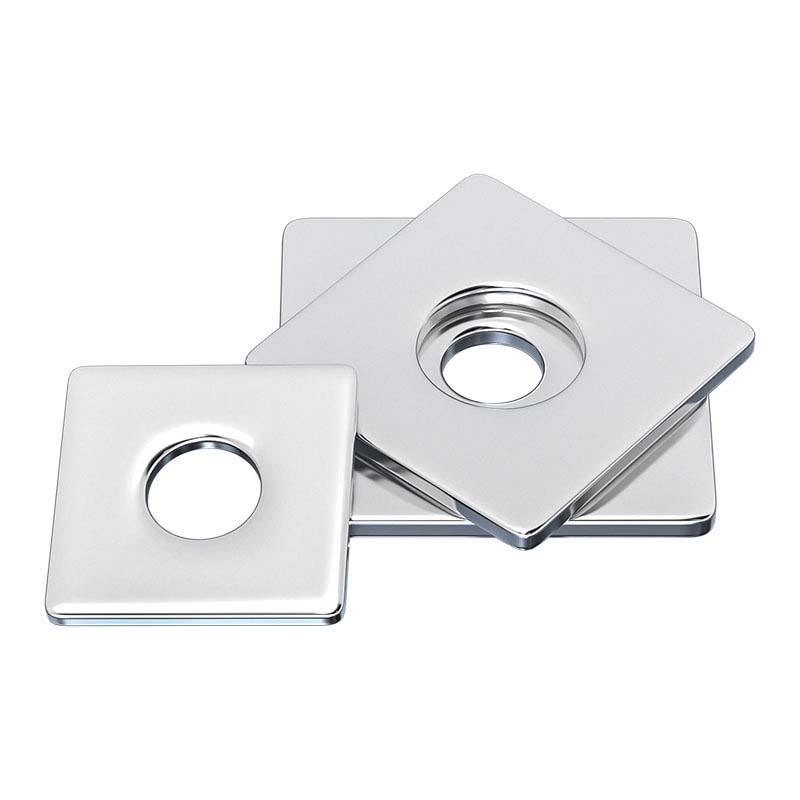
Square Washers For Wood Structures
Square washers for wood structures are made from tough materials like steel or stainless steel. They resist rust and stay stable for a long time, even in rough conditions.With advanced equipment and modern facilities, Xiaoguo® can meet diverse customer requirements for fastener specifications.
Metric All Metal Hex Nut
Metric all metal hex nuts always stay locked and are durable enough for trucks, machines or wobbly equipment. Xiaoguo® manufacturers can produce metric all metal hex nuts in custom sizes/tightnesses and can provide samples.
AB Yomi Slotted Pan Head Tapping Screws
These are related to the AB Yomi Slotted Pan Head Tapping Screws, in which you can learn about the updated information in B Yomi slotted pan head tapping screws, to help you better understand and expand B Yomi slotted pan head tapping screws market. Because the market for B Yomi slotted pan head tapping screws is evolving and changing, so we recommend that you collect our website, and we will show you the latest news on a regular basis.
DIN529 Type G Anchor Bolts
DIN529 type G anchor bolts are essential items for any masonry or foundation project. It can be firmly embedded in concrete and bricks, ensuring the stability of your structure. Xiaoguo® Factory has a large amount of stock available and can arrange for shipment at any time.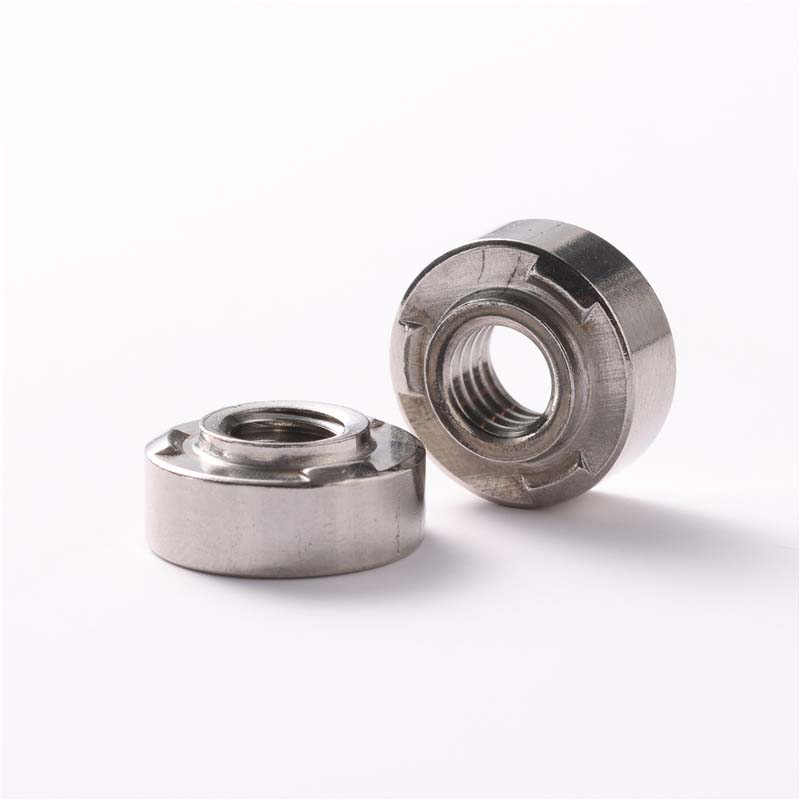
Self Clinching Projection Weld Nut
The self clinching projection weld nut produced by Xiaoguo® Factory can be welded onto metal surfaces. It can be tightened by itself without the need for additional tools. Just by welding the base, the threads can firmly grip the bolt. Even vibration can effectively prevent loosening.
Eye Bolt Assembly
An eye bolt assembly is a fastener for connection, designed with a ring head, rigging and fixing applications to easily attach a rope or chain.Xiaoguo® set up a professional after-sales team to provide 24-hour online service to solve customers' problems in the use of fasteners.
- Related Blog
- Reviews