- English
- Español
- Português
- русский
- Français
- 日本語
- Deutsch
- tiếng Việt
- Italiano
- Nederlands
- ภาษาไทย
- Polski
- 한국어
- Svenska
- magyar
- Malay
- বাংলা ভাষার
- Dansk
- Suomi
- हिन्दी
- Pilipino
- Türkçe
- Gaeilge
- العربية
- Indonesia
- Norsk
- تمل
- český
- ελληνικά
- український
- Javanese
- فارسی
- தமிழ்
- తెలుగు
- नेपाली
- Burmese
- български
- ລາວ
- Latine
- Қазақша
- Euskal
- Azərbaycan
- Slovenský jazyk
- Македонски
- Lietuvos
- Eesti Keel
- Română
- Slovenski
- मराठी
- Srpski језик

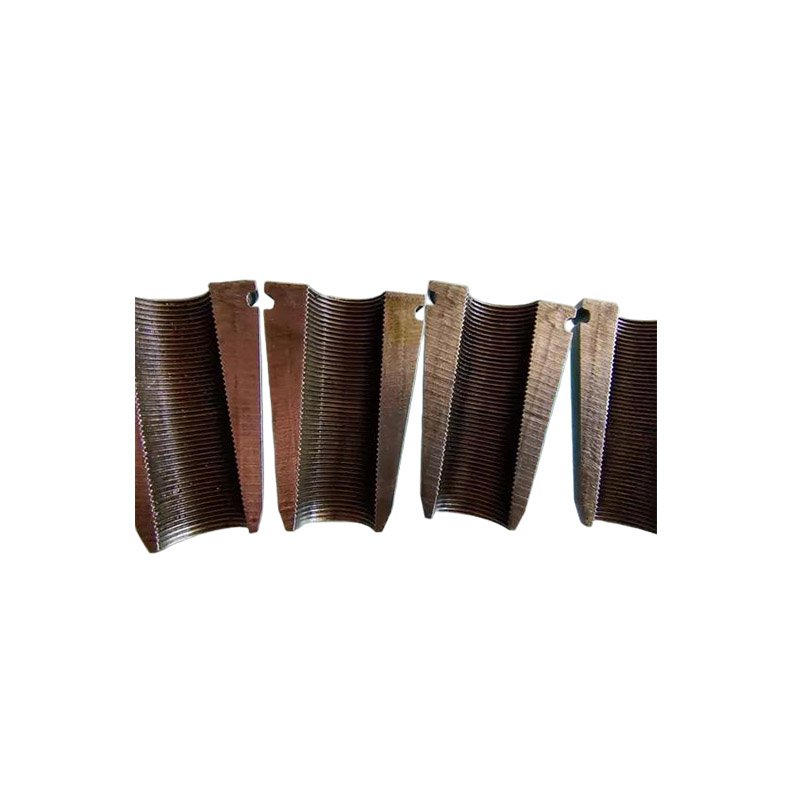
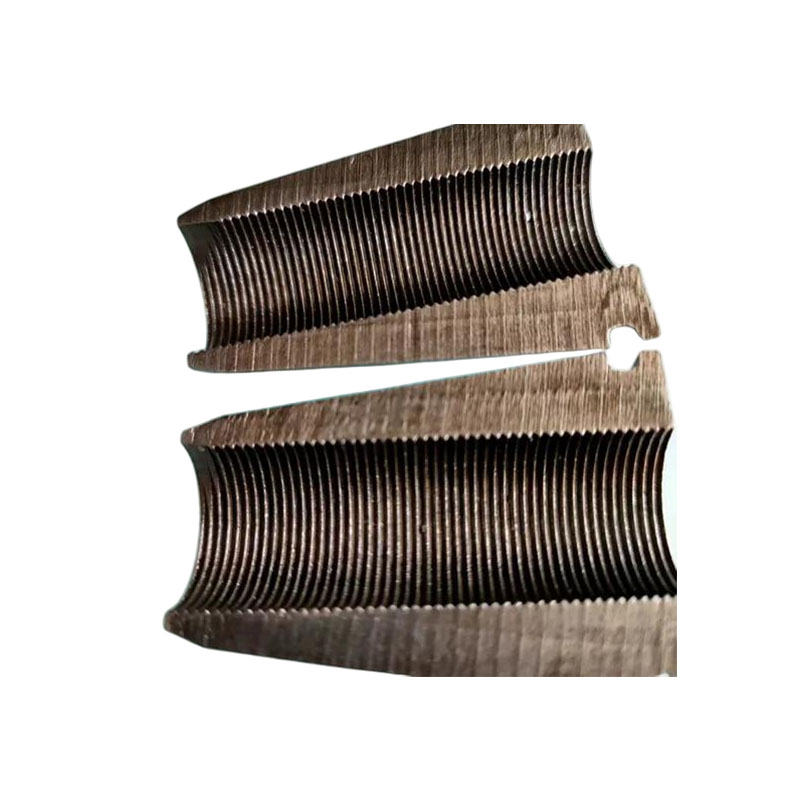
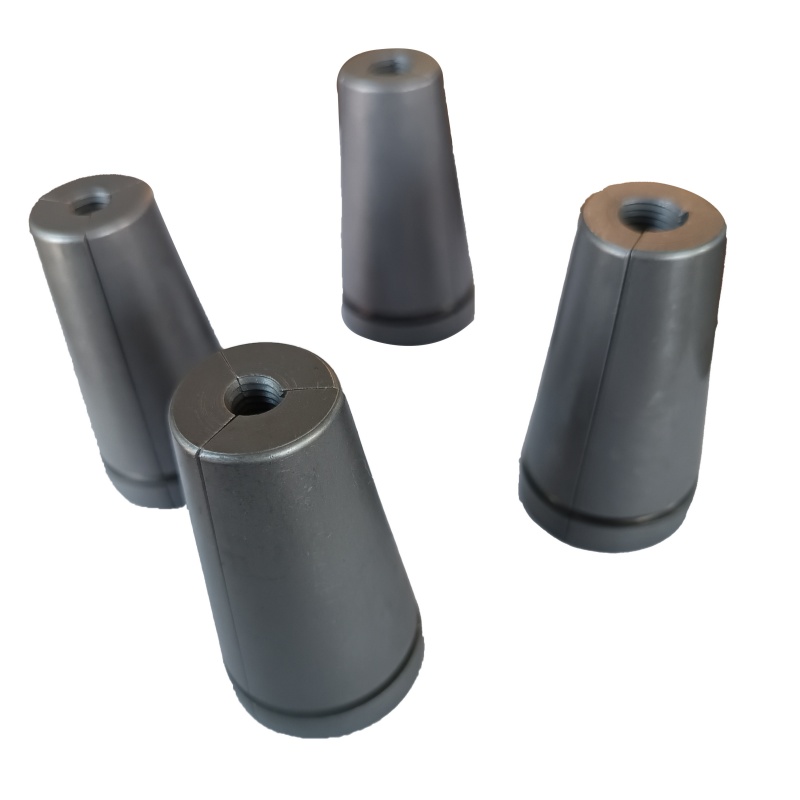
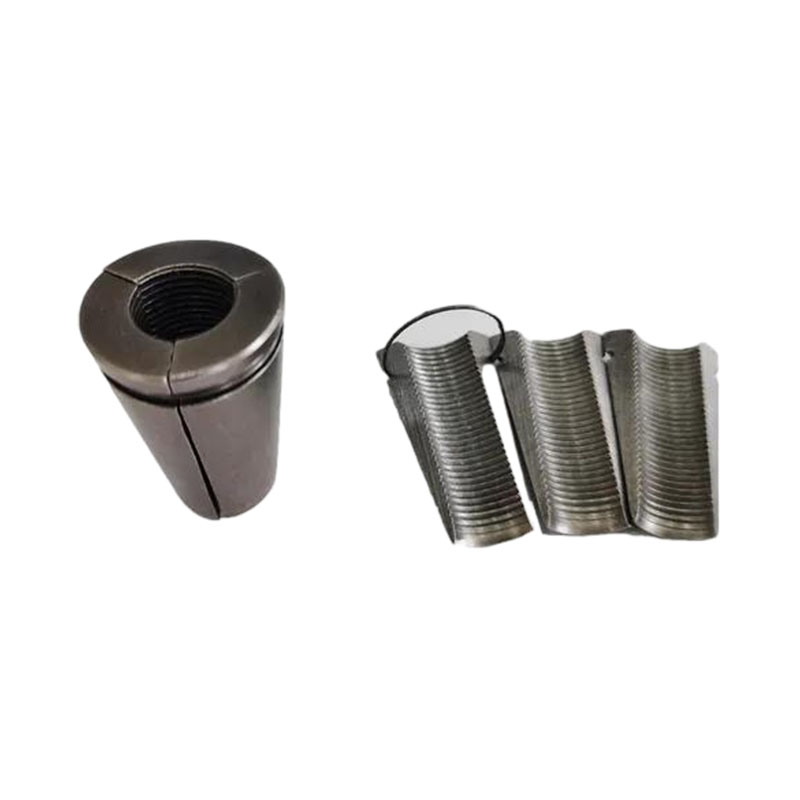
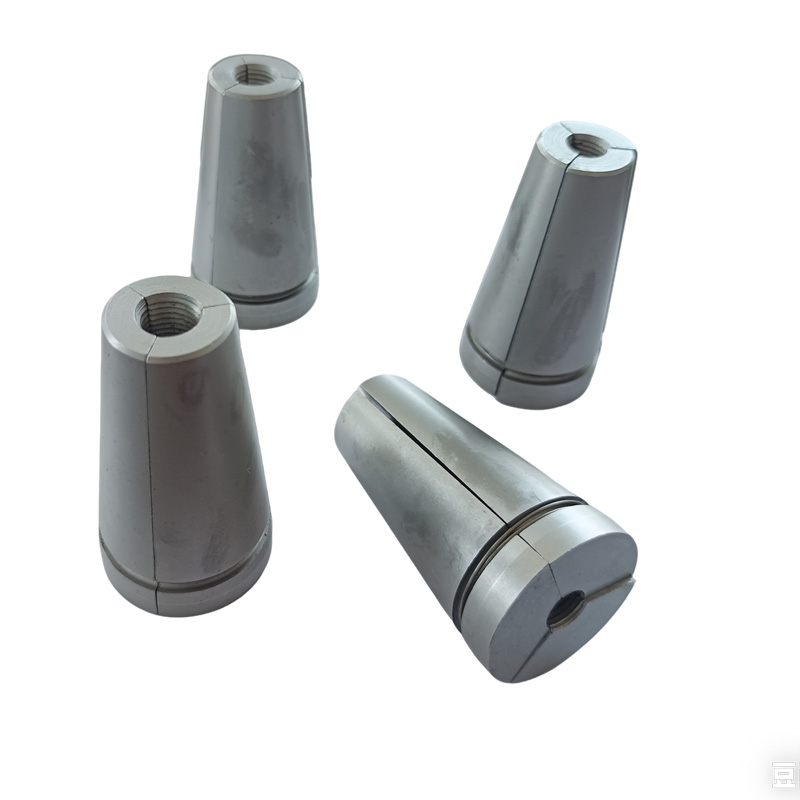
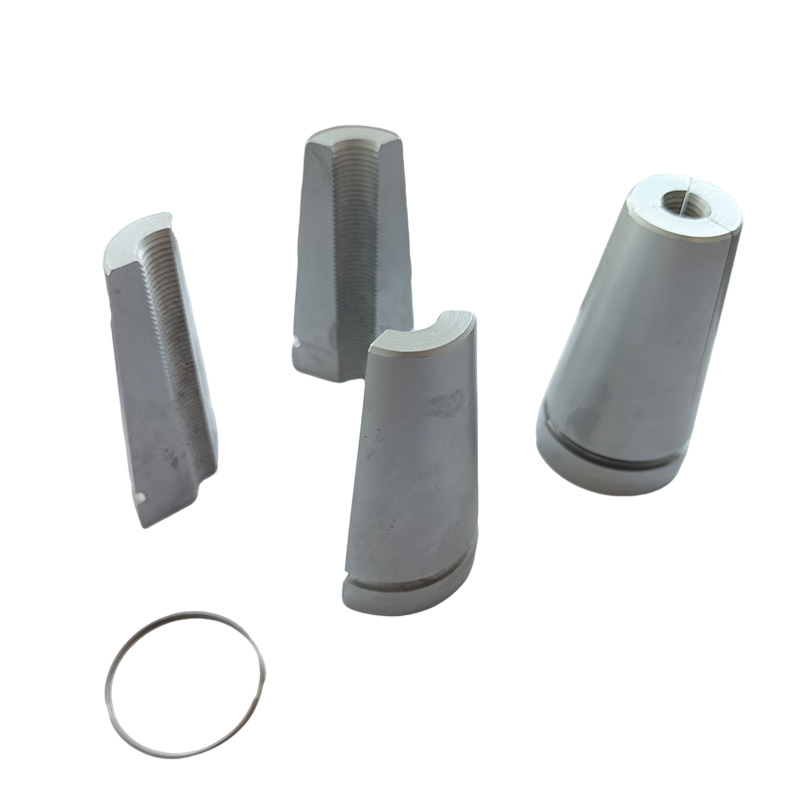
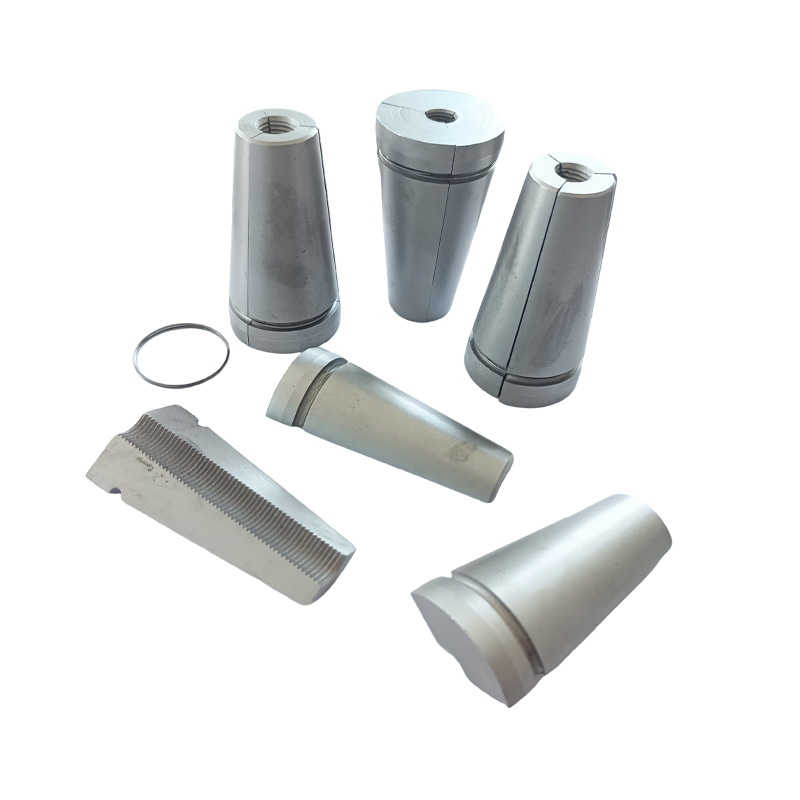
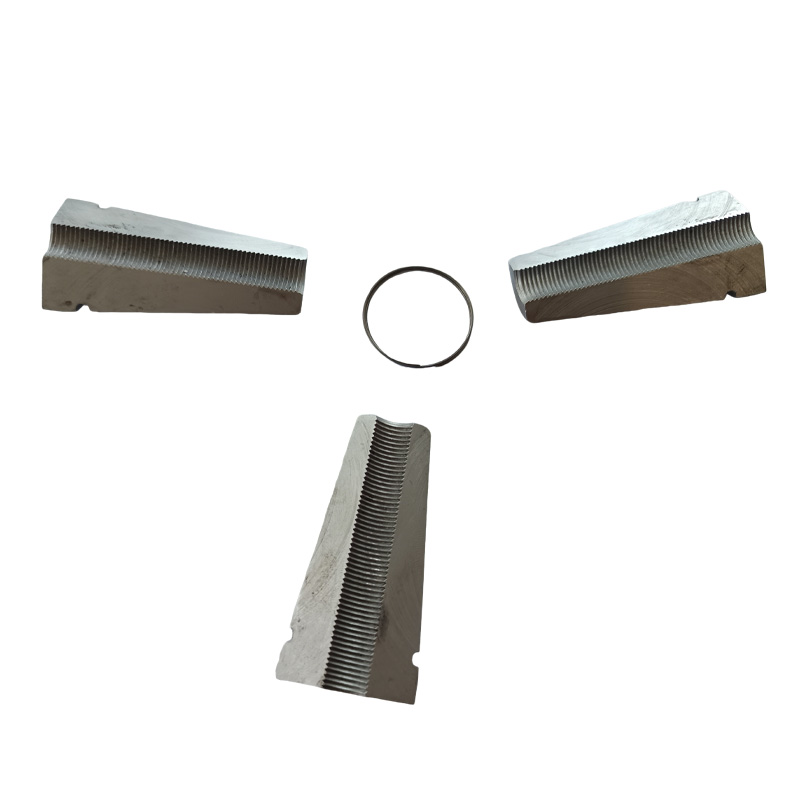
Post Tension Cable Grip Wedge
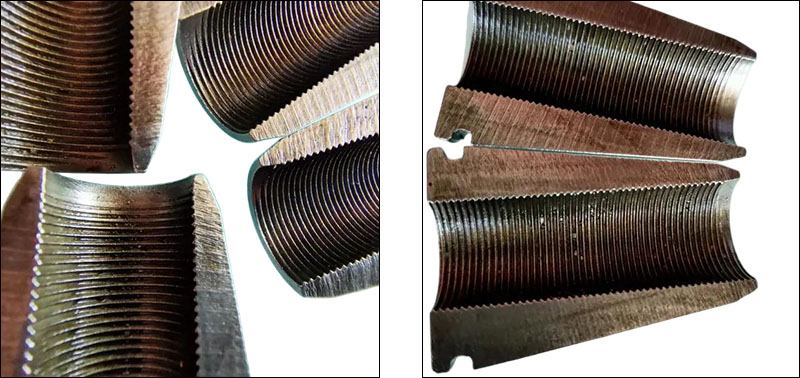
Purchase the Xiaoguo® Post Tension Cable Grip Wedge. Installation and use are simple, convenient and fast. With the help of a conventional tensioning jack, it can be quickly locked in place. No complex training is required. The on-site work efficiency can be increased by about 40%, and the labor cost can be significantly reduced.
Send Inquiry
Product Description
Application fields
Post Tension Cable Grip Wedge are almost the key components in all concrete structures that require large spans, high load-bearing capacity, and high durability.
(1)Transportation infrastructure
• Bridge projects (for roads, railways, urban overpasses)
• Rail transit (light rail, subway)
• Ports and docks
Anchor prestressed steel strands to enhance structural load-bearing capacity and crack resistance, and extend service life.
(2)Architecture and Civil Engineering
• High-rise and super-high-rise buildings
• Large public buildings (sports venues, convention centers)
• Industrial workshops and warehouses
• Heavy object lifting and structural reinforcement
The Post Tension Cable Grip Wedge are used in critical structures that bear huge loads and are also employed in the renovation and reinforcement of existing buildings.
(3)Energy and industrial facilities
• Wind power generation (foundation anchoring of wind turbine towers)
• Nuclear power plants (special structures such as containment vessels)
• LNG storage tanks (low-temperature prestressed concrete)
• Foundations of large industrial equipment
To ensure their stability under cyclic loads such as strong winds
(4)Hydroelectric and water conservancy projects
• Dams and hydropower stations
• Slope and tunnel reinforcement
• Underground engineering
Reinforce the dam body, rock mass of steep slopes, and tunnel surrounding rock to prevent landslides and collapses.
(5)Special and emerging fields
• Geotechnical and foundation reinforcement
• Structural repair and renovation
• Anti-magnetic and anti-corrosion engineering
Applied to foundation reinforcement, bridge bearing replacement, building alignment correction, etc. In special environments, it can be used in combination with FRP (fiber-reinforced composite materials) bars.
Core Function
Post Tension Cable Grip Wedge is a crucial anchoring component in post-tensioned prestressed concrete structures. Its core functions can be summarized as follows:
(1)Clamping and anchoring of steel strands
After the prestressing tendons have been tensioned, the wedge blocks firmly clamp the steel strands (or steel wire bundles), preventing them from retracting or slipping, and locking the tension force at the anchoring end.
(2)Transmitting prestress to the concrete structure
The Post Tension Cable Grip Wedge transfer the tension of the steel strands to the anchor plates, which then pass the force through the anchor pad plates to the concrete components, thereby establishing long-term effective prestress throughout the structure, enhancing the crack resistance, stiffness and load-bearing capacity of the structure.
(3)Achieving "self-locking" and "anti-loosening"
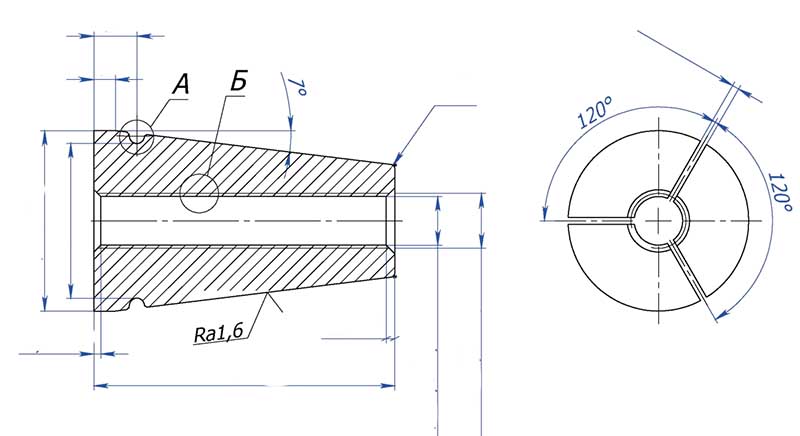
By leveraging the wedge-shaped geometric characteristics, a self-locking effect is generated between the wedge block and the anchor plate's conical hole when subjected to force - the greater the tensile force, the tighter the wedge block is clamped, thereby ensuring that the structure will not loosen during its service period.
Hot Tags: Post Tension Cable Grip Wedge, China, Manufacturer, Supplier, Factory
Related Category
Hot Dip Galvanized Billet Steel Wire
Galvanized Steel Wire For Optical Cables
Steel Strands
Round Wire Rope
Aircraft Steel Wire Rope
Stainless Steel Wire Rope
Gripper Wedge
Anchorage Gripper
Send Inquiry
Please Feel free to give your inquiry in the form below. We will reply you in 24 hours.