- English
- Español
- Português
- русский
- Français
- 日本語
- Deutsch
- tiếng Việt
- Italiano
- Nederlands
- ภาษาไทย
- Polski
- 한국어
- Svenska
- magyar
- Malay
- বাংলা ভাষার
- Dansk
- Suomi
- हिन्दी
- Pilipino
- Türkçe
- Gaeilge
- العربية
- Indonesia
- Norsk
- تمل
- český
- ελληνικά
- український
- Javanese
- فارسی
- தமிழ்
- తెలుగు
- नेपाली
- Burmese
- български
- ລາວ
- Latine
- Қазақша
- Euskal
- Azərbaycan
- Slovenský jazyk
- Македонски
- Lietuvos
- Eesti Keel
- Română
- Slovenski
- मराठी
- Srpski језик

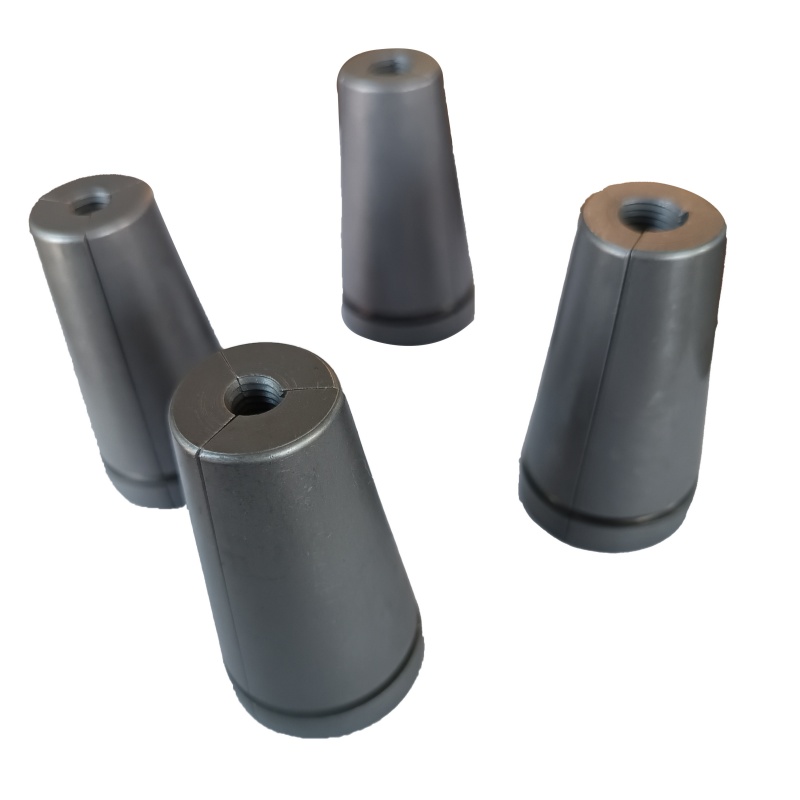
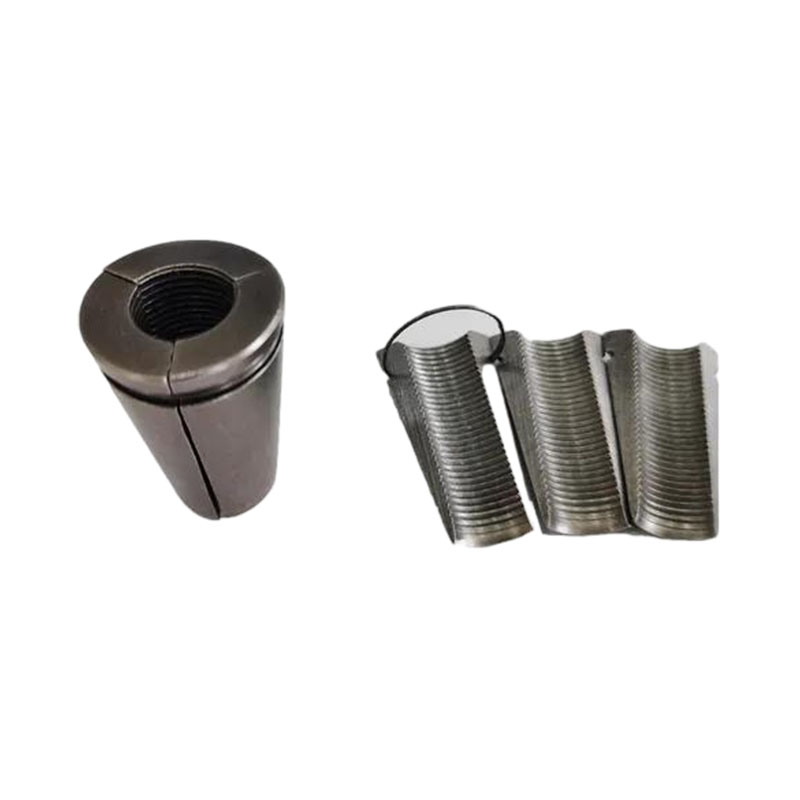
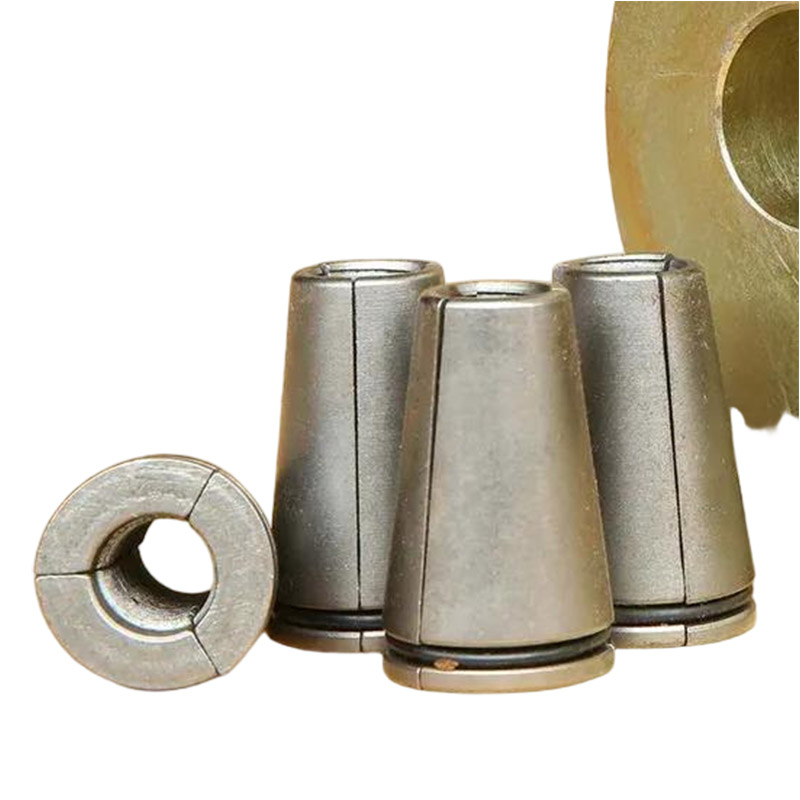
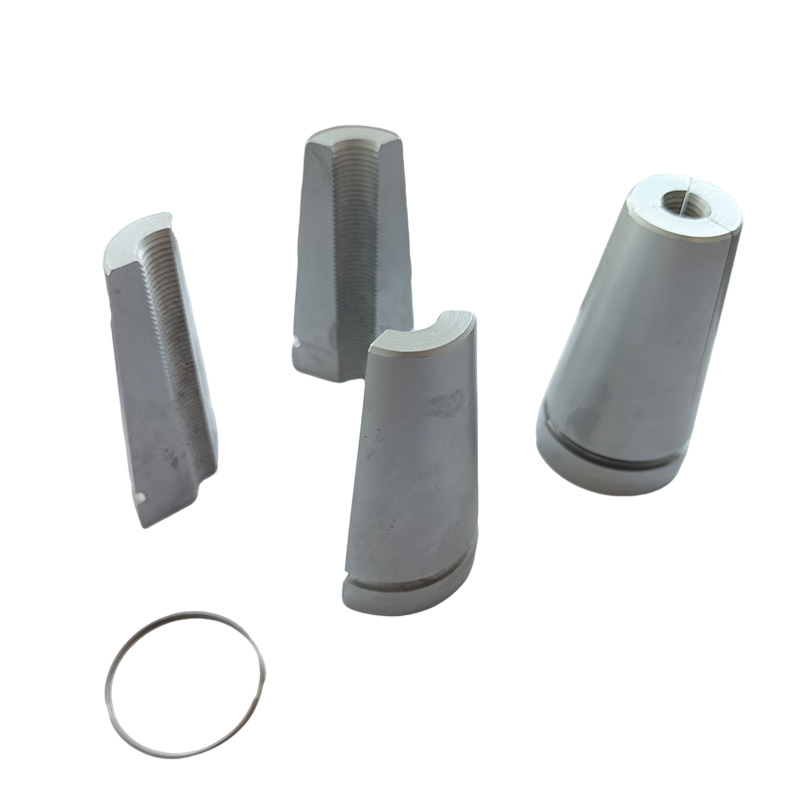
Cold Forged Post Tension Wedges
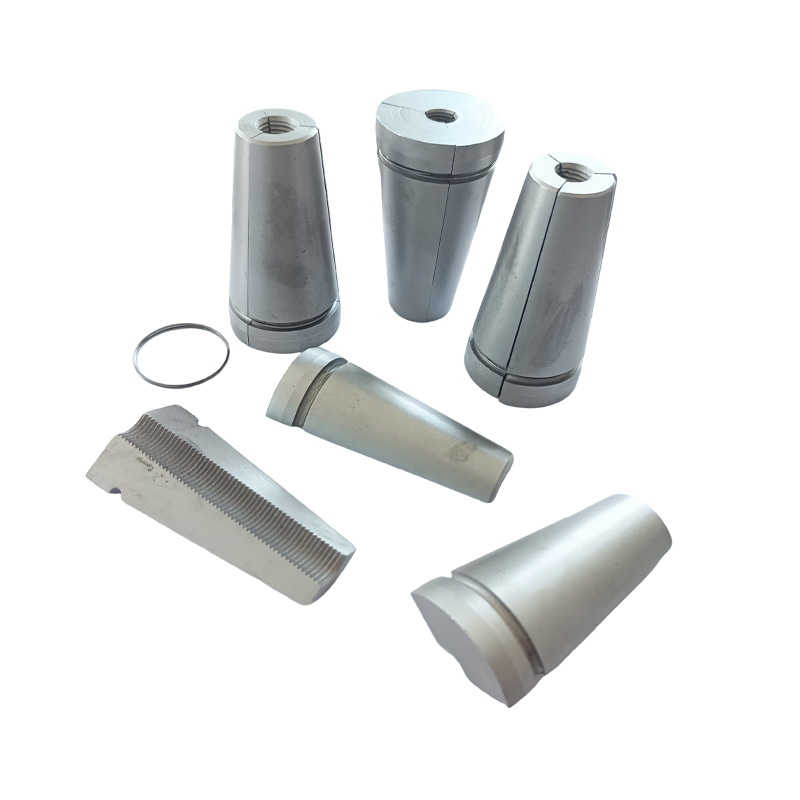
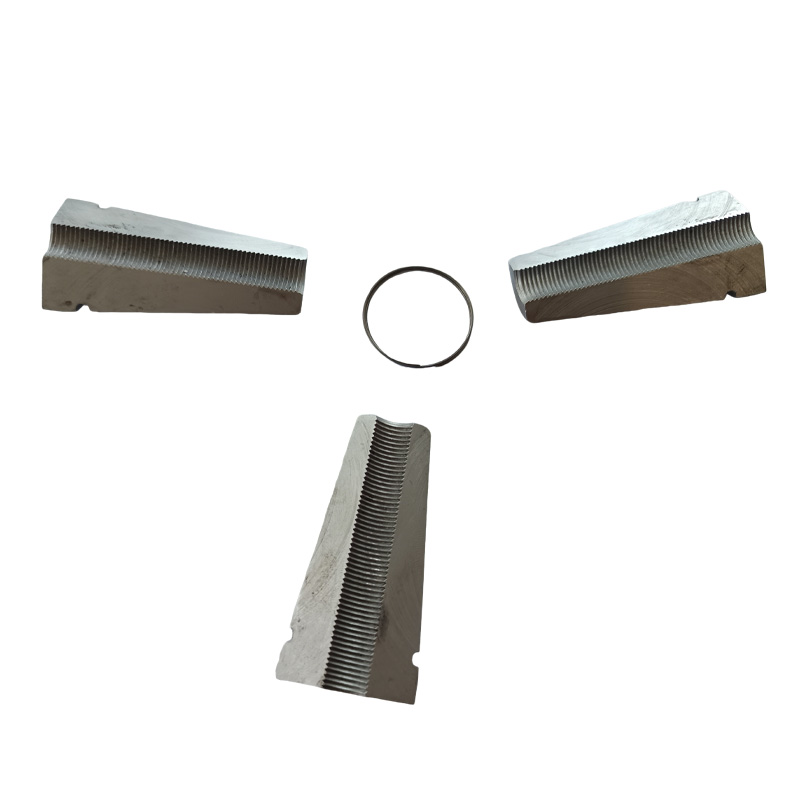
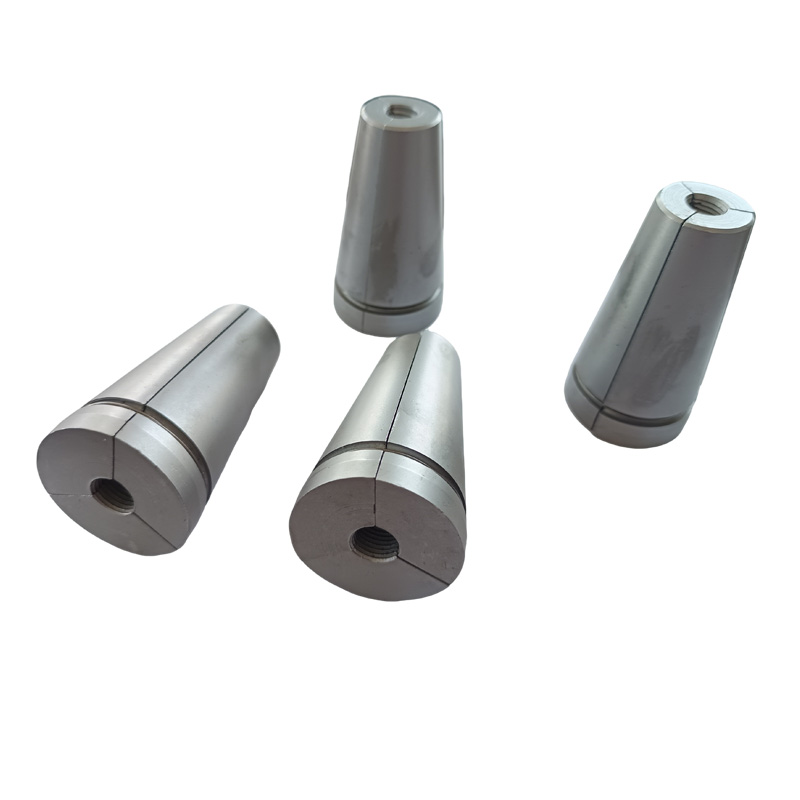
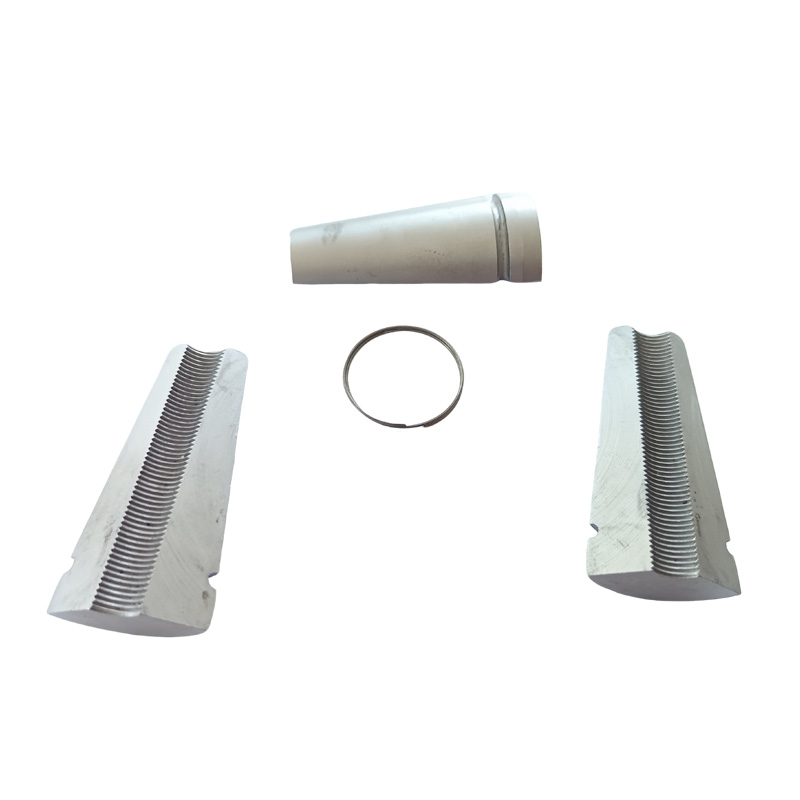
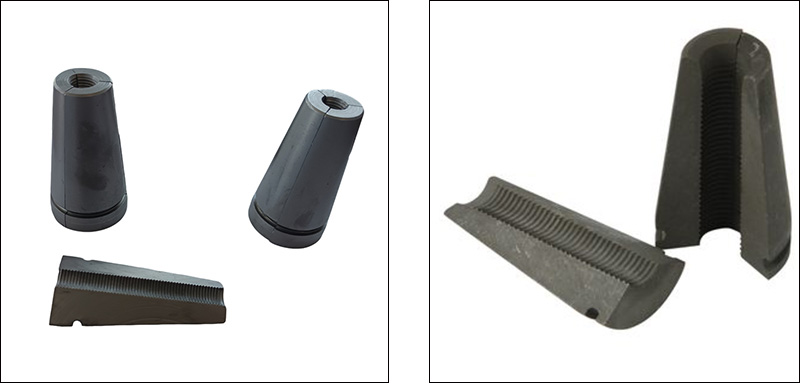
Xiaoguo® allows customization of the surface tooth pattern of the Cold Forged Post Tension Wedges. It is precisely processed according to your requirements to form uniform tooth patterns, which can firmly bite into 12.7 - 17.8mm steel cables. Even when the tension force reaches up to 2000MPa, it will not slip. Do you want such a product?
Send Inquiry
Product Description
Material
The selection of Cold Forged Post Tension Wedges materials directly affects its final performance, especially the balance between surface wear resistance and core toughness.
Common material systems:
(1)20CrMnTi (Preferred)
As a low-carbon alloy steel, it is the preferred material for manufacturing high-strength prestressed wedges. Its core advantage lies in the ability to achieve extremely high hardness and wear resistance on the surface through carburizing or carbon-nitrogen co-carburizing processes, while maintaining good toughness inside the Cold Forged Post Tension Wedges.
(2)40Cr / 45# steel
These two materials strike a balance between performance and cost, and are suitable for scenarios with moderate strength requirements.
(3)Other materials
In the American standard system, materials such as AISI C12L14, C11L17, 40Cr, and C45 are also used.
Craft Requirements
Cold forging is a core manufacturing process for Cold Forged Post Tension Wedges, which can not only ensure high precision but also significantly enhance production efficiency and material utilization.
【1】Core manufacturing process
(1)Cold heading / Cold extrusion: The main process involves using a cold heading machine or press to extrude and shape the metal billet at room temperature.
(2)Forming process: The manufacturing process usually involves steps such as "cutting the material → shaping the flat punch → multi-position cold heading forming", and can produce the basic shape of the Cold Forged Post Tension Wedges one or multiple stages.
(3)Process advantage: The cold forging process has an extremely high material utilization rate, typically reaching over 85%, and advanced techniques can even achieve up to 99%.
【2】Key processing accuracy:
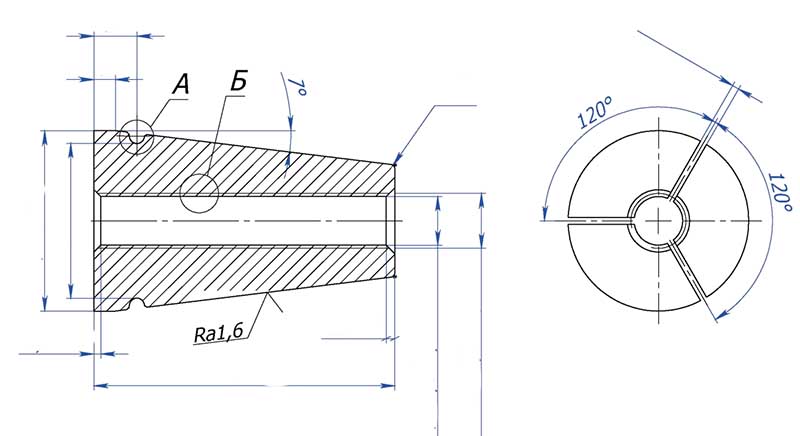
(1)Surface roughness: The surface roughness of key mating surfaces such as the cone holes of the anchor plate is extremely high. Typically, the Ra value for the cone holes is 0.8, while for the other parts it is 3.2, in order to ensure the self-locking performance.
(2)Dimension tolerance: The diameter deviation of the anchor plate should be within ±0.5mm, and the error of the cone angle should be within ±0.3°.
FAQ
(1)Does the material of the Cold Forged Post Tension Wedges meet the requirements for low-temperature toughness (such as -40°C)?
A: Yes. Our material has passed the -40°C low-temperature impact test, with impact energy ≥ 27J (in accordance with GB/T 229 standard).
(2)What are the advantages of cold forging over traditional hot forging or machining?
A: Cold forging (cold heading / cold extrusion) is formed at room temperature and has three core advantages:
①High material utilization rate
②High dimensional accuracy
③Good surface quality
(3)What kind of surface treatment is adopted?
The standard surface treatment is phosphating + oil coating (basic anti-rust).
For high-corrosion environments, options like Dacromet or zinc-nickel alloy coating can be chosen.
Hot Tags: Cold Forged Post Tension Wedges, China, Manufacturer, Supplier, Factory
Related Category
Hot Dip Galvanized Billet Steel Wire
Galvanized Steel Wire For Optical Cables
Steel Strands
Round Wire Rope
Aircraft Steel Wire Rope
Stainless Steel Wire Rope
Gripper Wedge
Anchorage Gripper
Send Inquiry
Please Feel free to give your inquiry in the form below. We will reply you in 24 hours.