- English
- Español
- Português
- русский
- Français
- 日本語
- Deutsch
- tiếng Việt
- Italiano
- Nederlands
- ภาษาไทย
- Polski
- 한국어
- Svenska
- magyar
- Malay
- বাংলা ভাষার
- Dansk
- Suomi
- हिन्दी
- Pilipino
- Türkçe
- Gaeilge
- العربية
- Indonesia
- Norsk
- تمل
- český
- ελληνικά
- український
- Javanese
- فارسی
- தமிழ்
- తెలుగు
- नेपाली
- Burmese
- български
- ລາວ
- Latine
- Қазақша
- Euskal
- Azərbaycan
- Slovenský jazyk
- Македонски
- Lietuvos
- Eesti Keel
- Română
- Slovenski
- मराठी
- Srpski језик

Home > Products > Self Drilling And Wood Screws > Slotted Tapping Screw > Wood Screw Slotted Round Head Steel
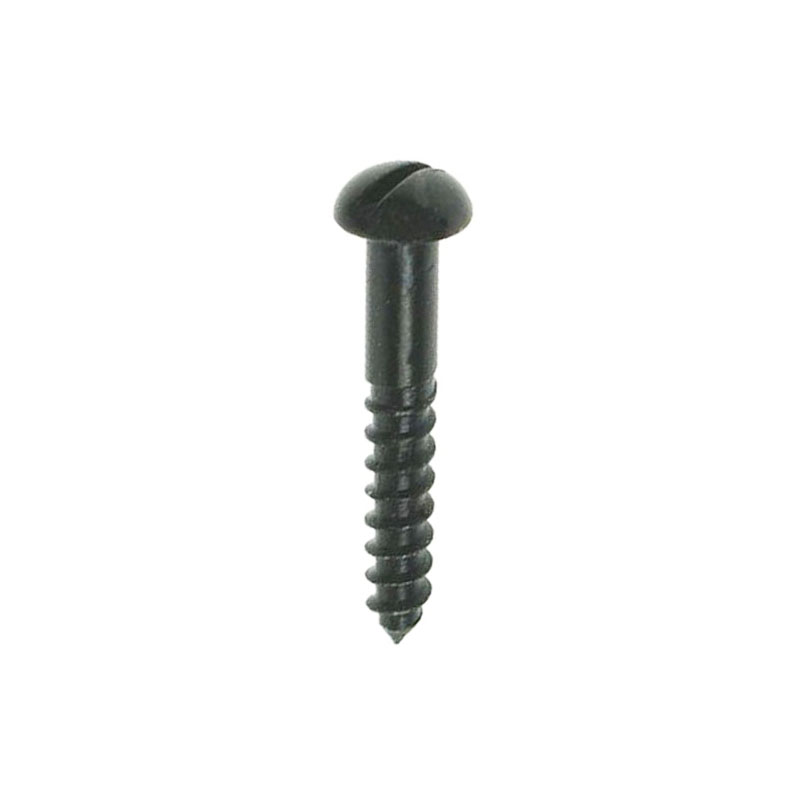
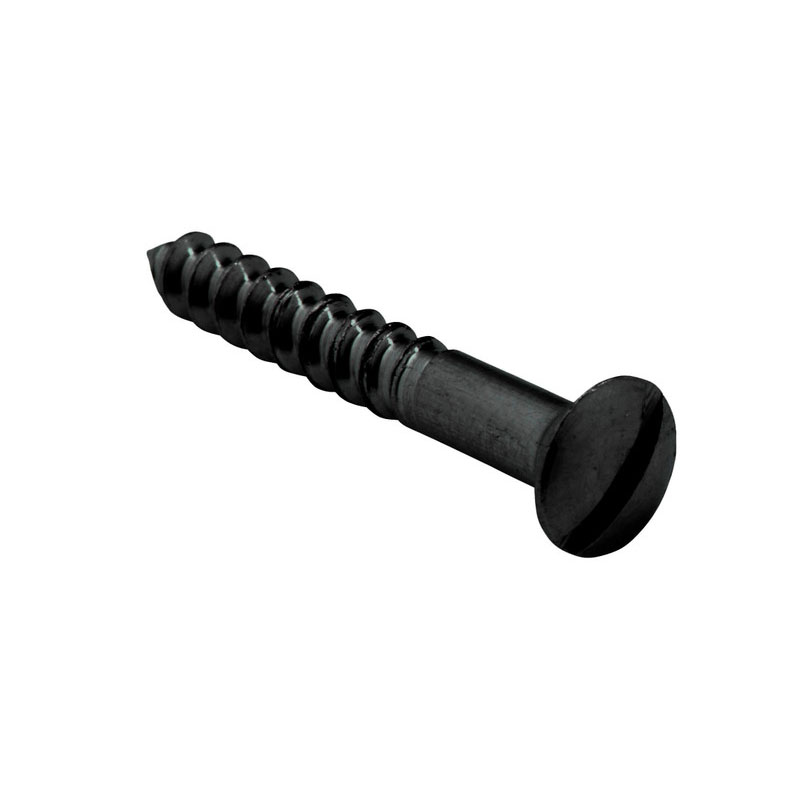
Wood Screw Slotted Round Head Steel
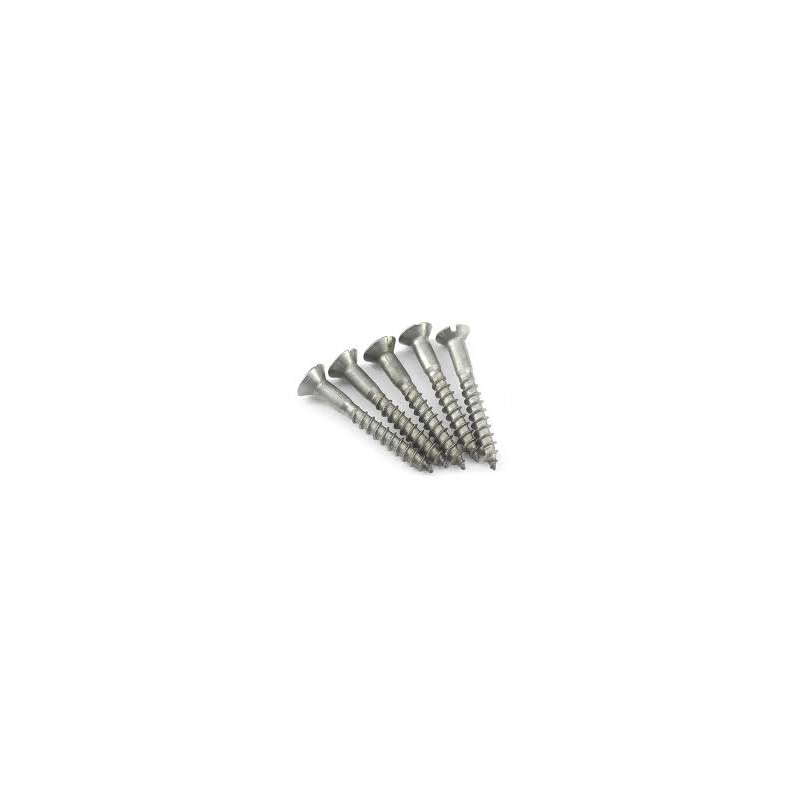
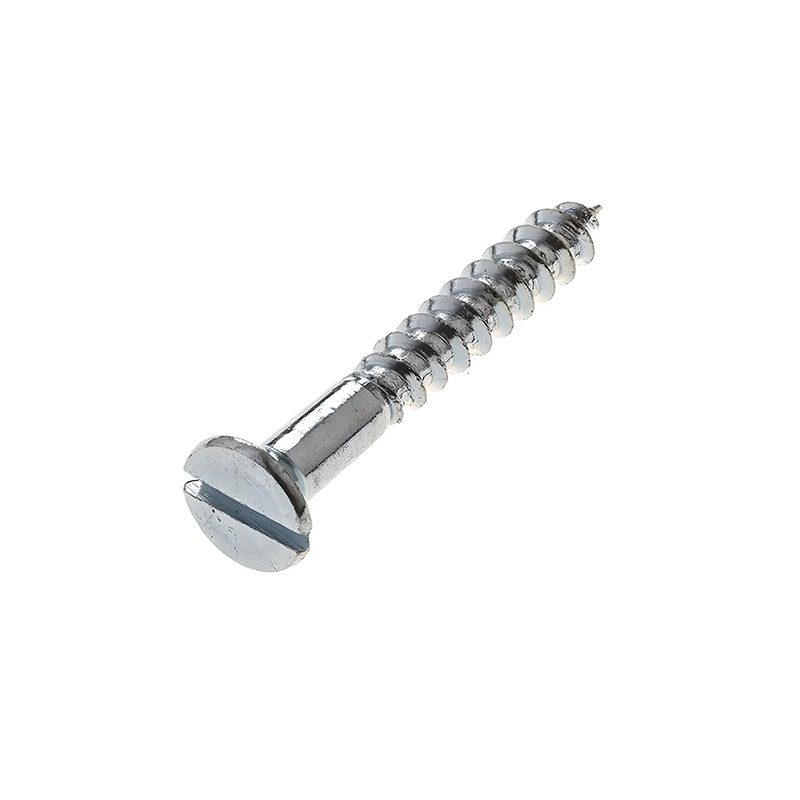
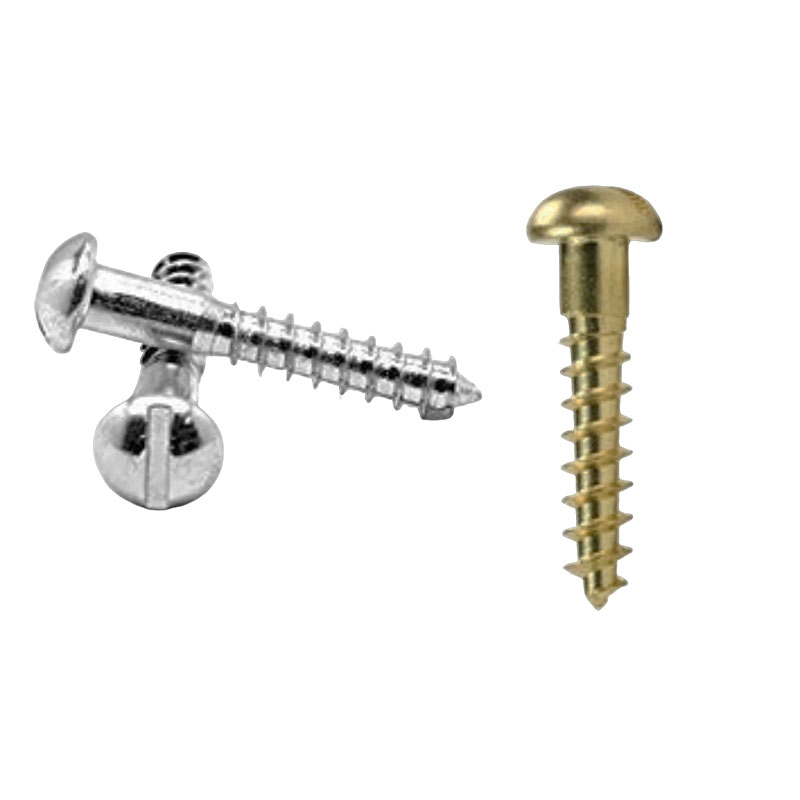
Xiaoguo®factory Wood Screw Slotted Round Head Steel are made of standard carbon steel with complete regular thread sizes and different hardness grades. We supply multiple common sizes and surface finishes. Various material options are offered to match different working places and different anti-rust demands.
Send Inquiry
Product Description
The maintenance focus for Wood Screw Slotted Round Head Steel includes pre-installation inspection, protection during use, assessment after disassembly, and rust prevention maintenance.
1.Pre-installation maintenance
Anti-rust protection
For carbon steel screws, they should be stored in a dry and well-ventilated warehouse with a relative humidity of ≤ 60%. Avoid mixing with corrosive chemicals.
For the unopened packaging screws, try to keep the moisture-proof paper or VCI anti-rust paper. If they are not used up after being opened, re-seal them in a plastic bag and place desiccant inside.
Avoid mechanical damage
Wood Screw Slotted Round Head Steel should be stored separately to prevent mutual squeezing and collision, which could cause deformation of the threads or damage to the grooves.
Do not mix screws with sharp tools.
Regular spot checks
Every six months, we randomly check a batch of screws from storage:
Look them over to see if there’s any rust.
Turn them by hand to make sure the threads feel smooth, no burrs.
Try a standard flat‑head screwdriver in the slot to see if the depth and width still look right – no noticeable deformation.
2.Maintenance while using the screw
Use the right tool
Pick a flat‑head screwdriver that fits the slot. If the tip is worn, get a new one.
Don’t push too hard
If you feel it getting tougher to turn while driving the screw, slow down.
If the Wood Screw Slotted Round Head Steel gets stuck, stop right away and back it out to see what’s wrong.
Keep it from slipping
Hold the screwdriver straight and keep it lined up with the Wood Screw Slotted Round Head Steel’s center.
For hardwoods or bigger screws, make sure you drill a pilot hole first.
3.Maintenance after disassembly
(1)Cleaning
Use a wire brush or an old toothbrush to remove wood chips, glue or dirt from the threads.
Dip a cloth in alcohol or cleaning agent and wipe off the oil stains.
(2)Visual inspection
Slot – Stick a flat‑head screwdriver in the slot and give it a small twist left and right. See if it feels loose or if the slot walls look worn.
Head – Look at the bottom of the round head. Make sure it’s not damaged, bent, or cracked.
Thread – Check the thread ridges with your eyes or a magnifying glass. They should be smooth, not heavily scratched or rolled over on the sides.
Tip – If the pointed tip has gone flat or started to curl, it’s better to replace the screw with a new one.
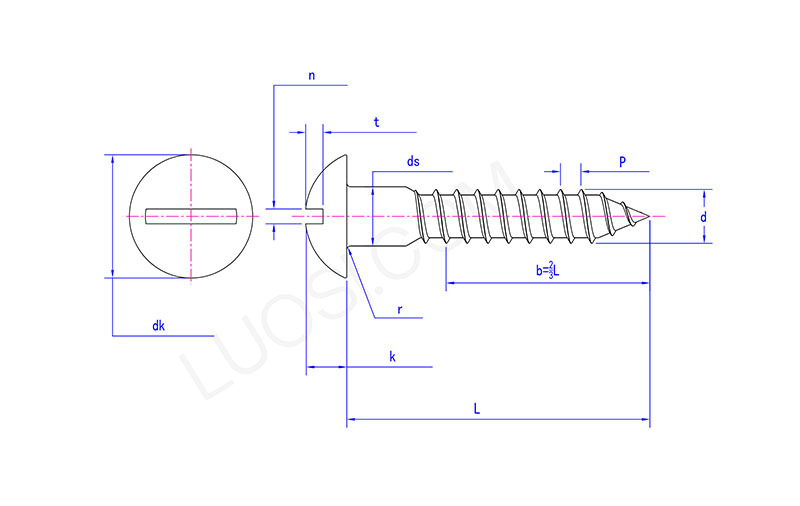
| Mon | 2.5 | 3 | 3.5 | 4 | 4.5 | 5 | 5.5 | 6 | 7 | 8 | 10 |
| P | 1 | 12 | 1.4 | 1.6 | 1.8 | 2 | 2.2 | 2.5 | 2.8 | 3 | 3.5 |
| ds min | 2.25 | 2.75 | 3.2 | 3.7 | 4.2 | 4.7 | 5.2 | 5.7 | 6.64 | 7.64 | 9.64 |
| ds max | 2.5 | 3 | 3.5 | 4 | 4.5 | 5 | 5.5 | 6 | 7 | 8 | 10 |
| dk max | 4.63 | 5.8 | 6.75 | 7.65 | 8.6 | 9.5 | 10.5 | 11.05 | 13.35 | 15.2 | 18.9 |
| dk min | 4.23 | 5.3 | 6.25 | 7.15 | 8 | 8.9 | 9.9 | 10.35 | 12.55 | 14.4 | 18.1 |
| k max | 1.98 | 2.37 | 2.65 | 2.95 | 3.25 | 3.5 | 3.95 | 4.34 | 4.86 | 5.5 | 6.8 |
| k min | 1.78 | 2.07 | 2.35 | 2.65 | 2.95 | 3.2 | 3.65 | 3.94 | 4.46 | 5.1 | 6.4 |
| n min | 0.6 | 0.8 | 0.9 | 1 | 12 | 12 | 1.4 | 16 | 18 | 2 | 2.5 |
| n max | 0.85 | 1.05 | 1.15 | 1.35 | 1.55 | 1.55 | 1.75 | 1.95 | 2.15 | 2.35 | 2.85 |
| r | 0.2 | 0.2 | 0.4 | 0.4 | 0.4 | 0.4 | 0.4 | 0.4 | 0.5 | 0.5 | 0.5 |
| t max | 1.3 | 1.54 | 1.74 | 1.98 | 2.2 | 2.5 | 2.7 | 2.8 | 3.06 | 3.66 | 4.32 |
| t min | 0.9 | 1.06 | 1.26 | 1.38 | 16 | 1.9 | 2.1 | 2.2 | 2.34 | 2.94 | 3.6 |
Custom Service
We accept all kinds of custom orders for these Wood Screw Slotted Round Head Steel.
(1)Material options
We use regular carbon steel, medium carbon steel and other steel grades as you want. We pick proper raw materials to match your required strength.
(2)Size customization
We can make non-standard diameter, overall length, thread length and head size. We produce items that are not in our regular size range.
(3)Surface treatment
We offer black oxide, phosphating, zinc plating and other anti-rust finishes. You can pick the surface look and rust protection level you need.
(4)Slot and tip adjustment
We change slot width and depth, adjust how sharp the screw tip is, and make sharp tips or flat tips as needed.
(5)Packing choices
We do plain packing, branded packing, small box packing, bulk packing and packing with your own labels.
(6)Other custom work
We can adjust screw hardness and thread spacing. We also mass produce goods strictly following your drawings or physical samples.
Hot Tags: Wood Screw Slotted Round Head Steel, China, Manufacturer, Supplier, Factory
Related Category
Slotted Tapping Screw
Cross Grooved Tapping Screws
Self Drilling Screws
Hexagonal Self-Drilling Screws With Groove
Hexagonal Head Self-Drilling Screws
Hexagonal And Square Groove Self-Drilling Screws
Quince-Grooved Self-Tapping Screws
Composite Grooved Self Tapping Screws
Triangle Locking Self-Extruding Screw
Automatic Quick Tooth Drilling Screws
Send Inquiry
Please Feel free to give your inquiry in the form below. We will reply you in 24 hours.