- English
- Español
- Português
- русский
- Français
- 日本語
- Deutsch
- tiếng Việt
- Italiano
- Nederlands
- ภาษาไทย
- Polski
- 한국어
- Svenska
- magyar
- Malay
- বাংলা ভাষার
- Dansk
- Suomi
- हिन्दी
- Pilipino
- Türkçe
- Gaeilge
- العربية
- Indonesia
- Norsk
- تمل
- český
- ελληνικά
- український
- Javanese
- فارسی
- தமிழ்
- తెలుగు
- नेपाली
- Burmese
- български
- ລາວ
- Latine
- Қазақша
- Euskal
- Azərbaycan
- Slovenský jazyk
- Македонски
- Lietuvos
- Eesti Keel
- Română
- Slovenski
- मराठी
- Srpski језик

Home > Products > Self Drilling And Wood Screws > Slotted Tapping Screw > DIN 96 Slotted Round Head Single Thread Wood Screws
DIN 96 Slotted Round Head Single Thread Wood Screws
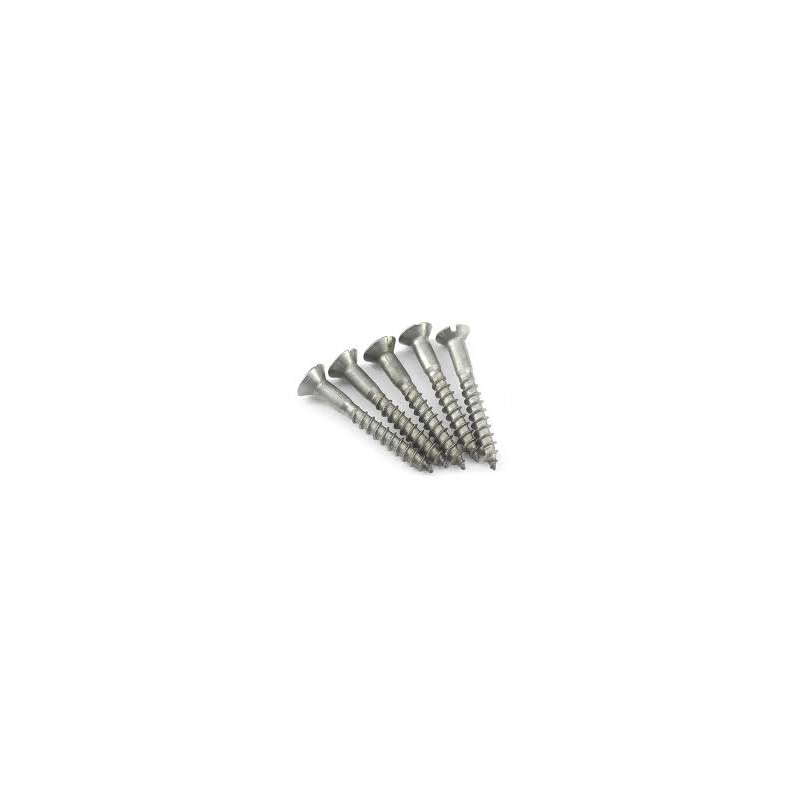
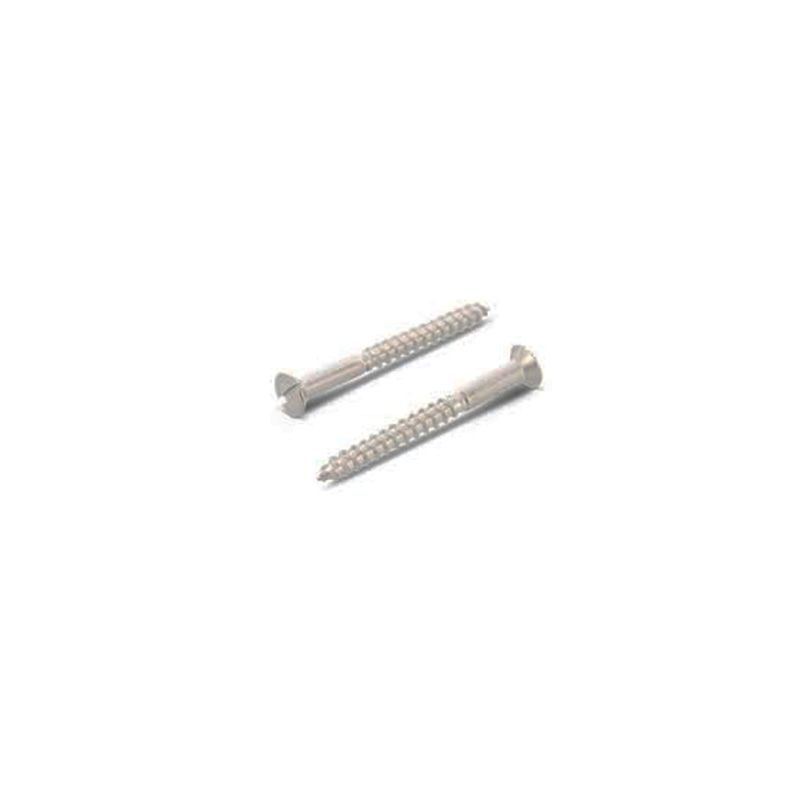
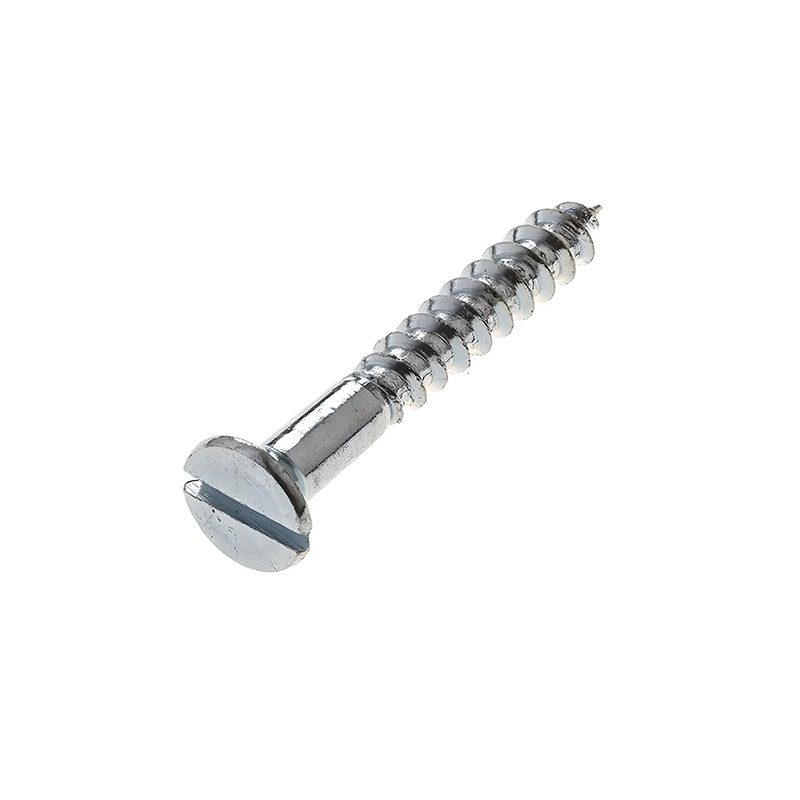
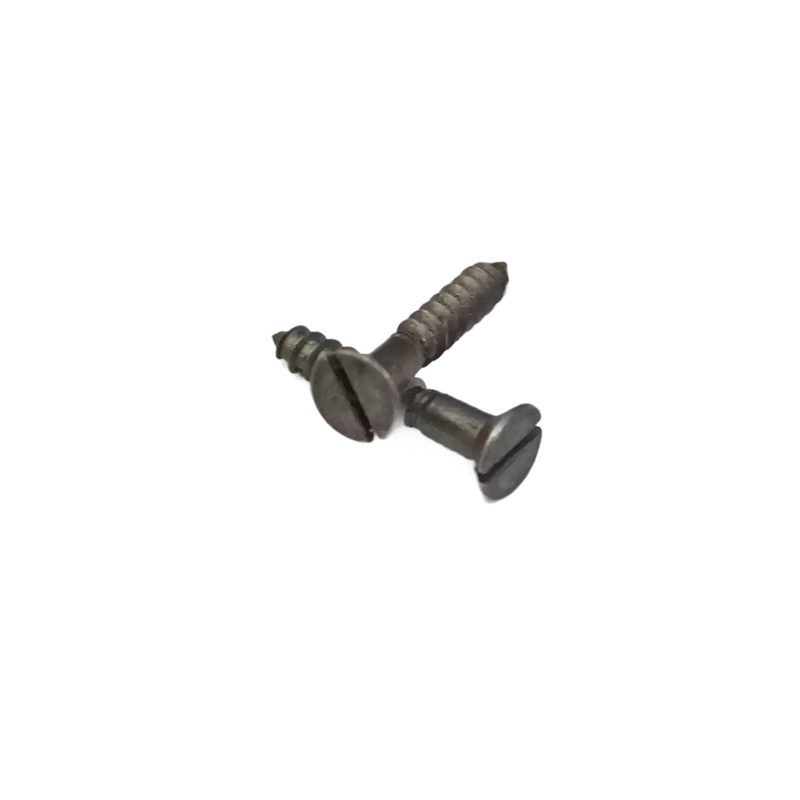
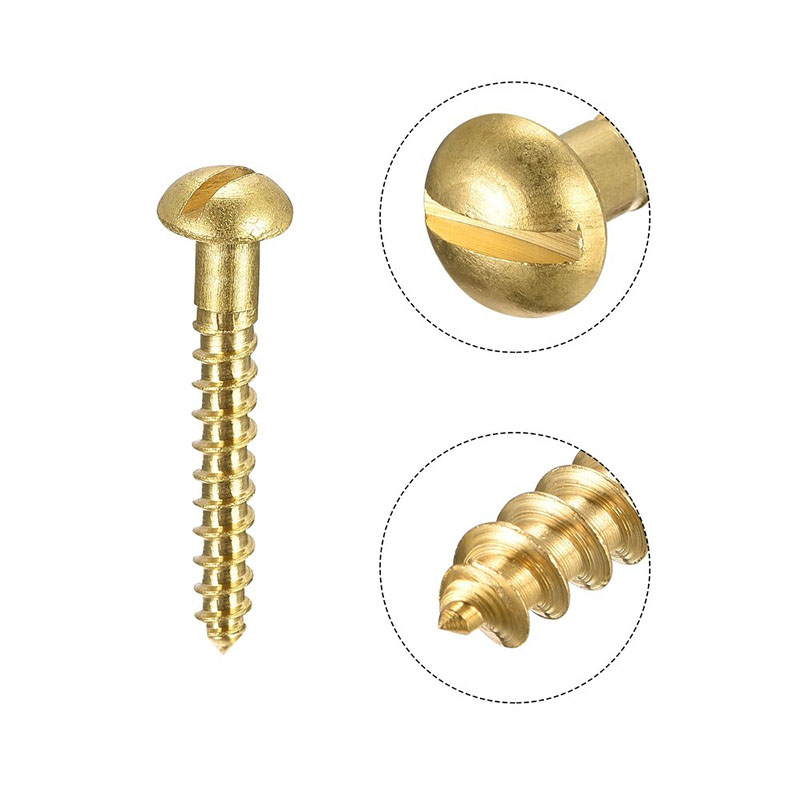
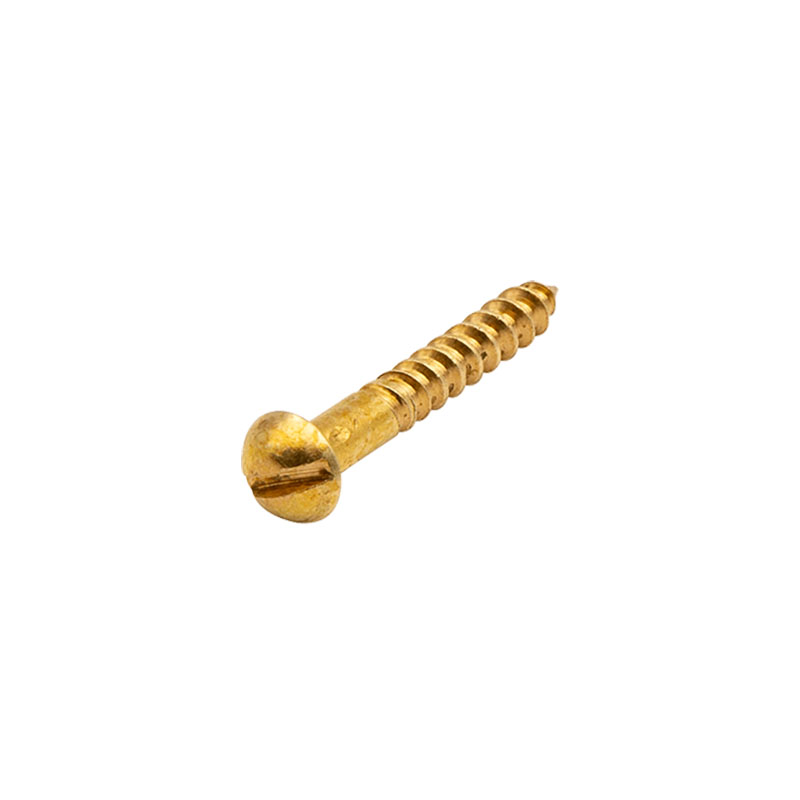
Xiaoguo®factory DIN 96 Slotted Round Head Single Thread Wood Screws are made strictly following DIN standard sizes. Designed with round head and straight slot, they are easy to fit using regular flat screwdrivers. The sharp threads can grip wood well and keep fixed steadily. With flat head bottom, they can work with pre-drilled holes and washers to make the surface flat. Made of solid steel, these screws support different surface finishes to satisfy daily indoor and ordinary outdoor anti-rust demands.
Send Inquiry
Product Description
The main strengths of the DIN 96 Slotted Round Head Single Thread Wood Screws come down to a few things: reliable standards, flexible material choices, and how easy they are to use.
1.Strict quality control – The DIN 96 standard spells out pretty clear rules on screw size, slot shape, and overall design. It’s usually tighter on precision and materials compared to some other standards.
2.Good performance – When you follow the DIN standard, it will do what it’s supposed to do mechanically.
3. Stronger hold – Compared to plain nails, These standard DIN 96 Slotted Round Head Single Thread Wood Screws hold parts together much better. Plus, you can take them out and replace them without messing up the wood surface.
4.Coarse thread design – They use a thick, deep thread that bites into the wood fibers really well. This makes it stay fixed more firmly..
5.Good all‑around performance – With proper heat treatment, the hardness and other mechanical traits are well balanced.
6.Flexible material choices – Depending on where you’re using them, you can pick carbon steel or stainless steel to match the environment.
7.Effective surface finishes – There are plenty of coating options out there that do a good job at stopping rust.
8.Traditional slotted drive – The straight slot lets you use a basic flat‑head screwdriver, either by hand or on low‑speed power tools. Very common and easy to find.
9.Wide range of uses – Thanks to the different materials and finishes, these screws work in almost any woodworking job, from indoor furniture to outdoor building projects.
10. Easy to maintain – Since it’s a DIN 96 Slotted Round Head Single Thread Wood Screws, you can take it apart later for repairs or replacements. The wood itself stays intact.
< style="text-align:center;">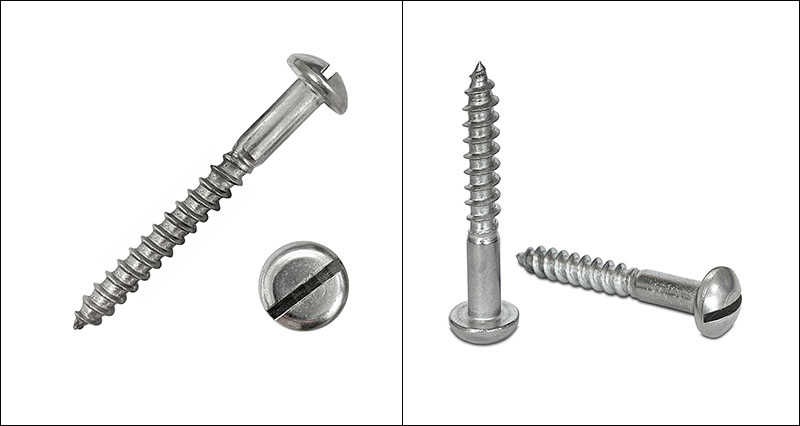
Frequently Asked Questions
(1)Is it applicable to load-bearing wooden structures?
No, it is not applicable. If it is a load-bearing structure, please choose structural-grade wood screws.
(2)What’s the smallest order you can place for DIN 96 Slotted Round Head Single Thread Wood Screws?
For standard sizes in bulk, you’re usually looking at 10,000 to 50,000 pieces as a minimum. If you need stainless steel or non‑standard sizes, that number tends to be higher.
(3)What kind of size tolerances do these DIN 96 screws have?
Head diameter: about 0.5 mm either way.
Head height: about 0.2 to 0.4 mm give or take.
Slot width: around 0.1 to 0.2 mm plus/minus.
Length: if the screw is 50 mm or shorter, it’s about ±1.0 mm. If it’s longer than 50 mm, then about ±1.5 mm.
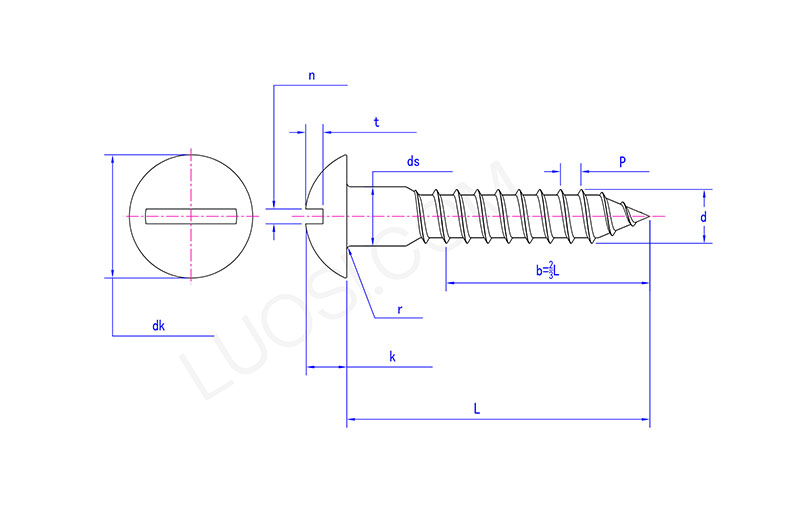
| Mon | 2.5 | 3 | 3.5 | 4 | 4.5 | 5 | 5.5 | 6 | 7 | 8 | 10 |
| P | 1 | 12 | 1.4 | 1.6 | 1.8 | 2 | 2.2 | 2.5 | 2.8 | 3 | 3.5 |
| ds min | 2.25 | 2.75 | 3.2 | 3.7 | 4.2 | 4.7 | 5.2 | 5.7 | 6.64 | 7.64 | 9.64 |
| ds max | 2.5 | 3 | 3.5 | 4 | 4.5 | 5 | 5.5 | 6 | 7 | 8 | 10 |
| dk max | 4.63 | 5.8 | 6.75 | 7.65 | 8.6 | 9.5 | 10.5 | 11.05 | 13.35 | 15.2 | 18.9 |
| dk min | 4.23 | 5.3 | 6.25 | 7.15 | 8 | 8.9 | 9.9 | 10.35 | 12.55 | 14.4 | 18.1 |
| k max | 1.98 | 2.37 | 2.65 | 2.95 | 3.25 | 3.5 | 3.95 | 4.34 | 4.86 | 5.5 | 6.8 |
| k min | 1.78 | 2.07 | 2.35 | 2.65 | 2.95 | 3.2 | 3.65 | 3.94 | 4.46 | 5.1 | 6.4 |
| n min | 0.6 | 0.8 | 0.9 | 1 | 12 | 12 | 1.4 | 16 | 18 | 2 | 2.5 |
| n max | 0.85 | 1.05 | 1.15 | 1.35 | 1.55 | 1.55 | 1.75 | 1.95 | 2.15 | 2.35 | 2.85 |
| r | 0.2 | 0.2 | 0.4 | 0.4 | 0.4 | 0.4 | 0.4 | 0.4 | 0.5 | 0.5 | 0.5 |
| t max | 1.3 | 1.54 | 1.74 | 1.98 | 2.2 | 2.5 | 2.7 | 2.8 | 3.06 | 3.66 | 4.32 |
| t min | 0.9 | 1.06 | 1.26 | 1.38 | 16 | 1.9 | 2.1 | 2.2 | 2.34 | 2.94 | 3.6 |
Hot Tags: DIN 96 Slotted Round Head Single Thread Wood Screws, China, Manufacturer, Supplier, Factory
Related Category
Slotted Tapping Screw
Cross Grooved Tapping Screws
Self Drilling Screws
Hexagonal Self-Drilling Screws With Groove
Hexagonal Head Self-Drilling Screws
Hexagonal And Square Groove Self-Drilling Screws
Quince-Grooved Self-Tapping Screws
Composite Grooved Self Tapping Screws
Triangle Locking Self-Extruding Screw
Automatic Quick Tooth Drilling Screws
Send Inquiry
Please Feel free to give your inquiry in the form below. We will reply you in 24 hours.