- English
- Español
- Português
- русский
- Français
- 日本語
- Deutsch
- tiếng Việt
- Italiano
- Nederlands
- ภาษาไทย
- Polski
- 한국어
- Svenska
- magyar
- Malay
- বাংলা ভাষার
- Dansk
- Suomi
- हिन्दी
- Pilipino
- Türkçe
- Gaeilge
- العربية
- Indonesia
- Norsk
- تمل
- český
- ελληνικά
- український
- Javanese
- فارسی
- தமிழ்
- తెలుగు
- नेपाली
- Burmese
- български
- ລາວ
- Latine
- Қазақша
- Euskal
- Azərbaycan
- Slovenský jazyk
- Македонски
- Lietuvos
- Eesti Keel
- Română
- Slovenski
- मराठी
- Srpski језик

Home > Products > Self Drilling And Wood Screws > Slotted Tapping Screw > Wood Screw Slotted Round Head Low Carbon Steel
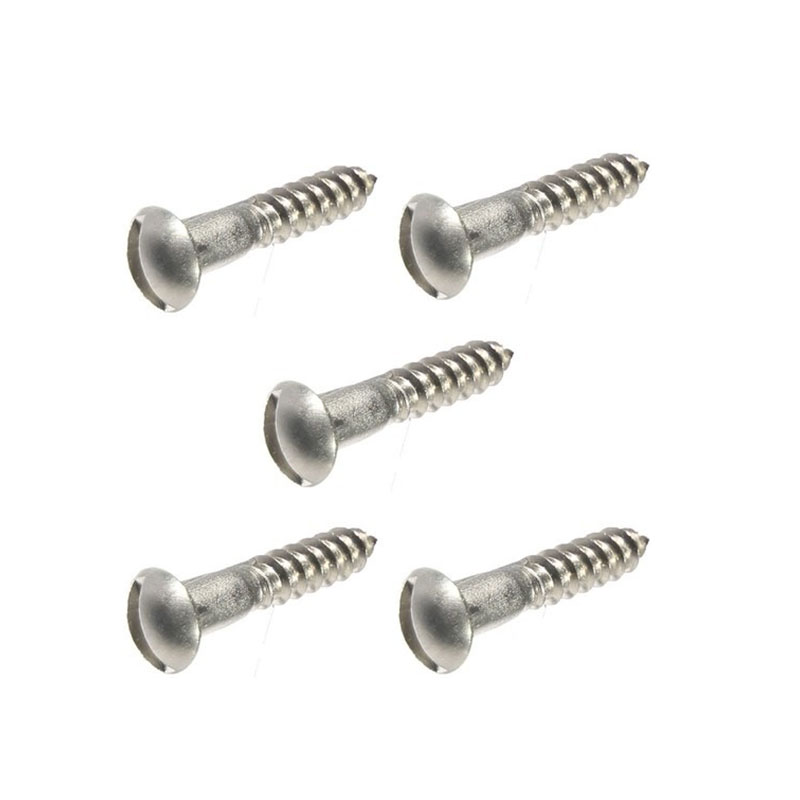
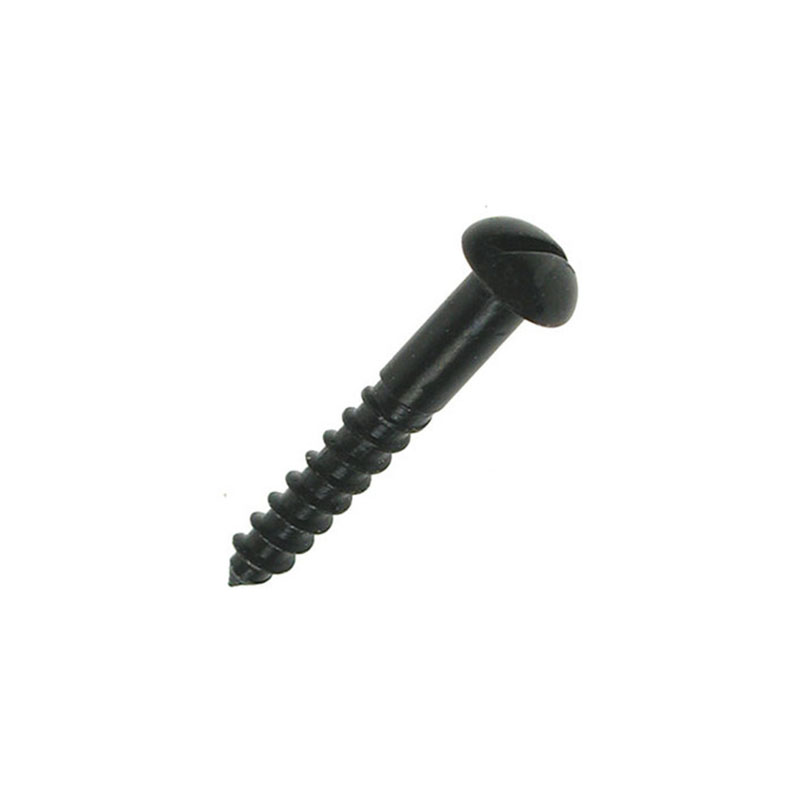
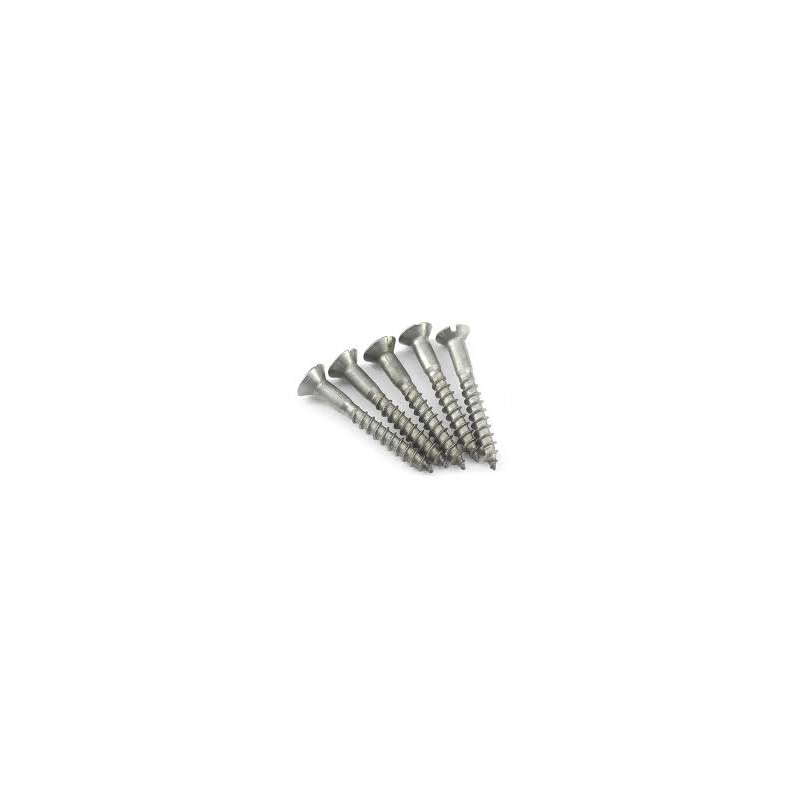
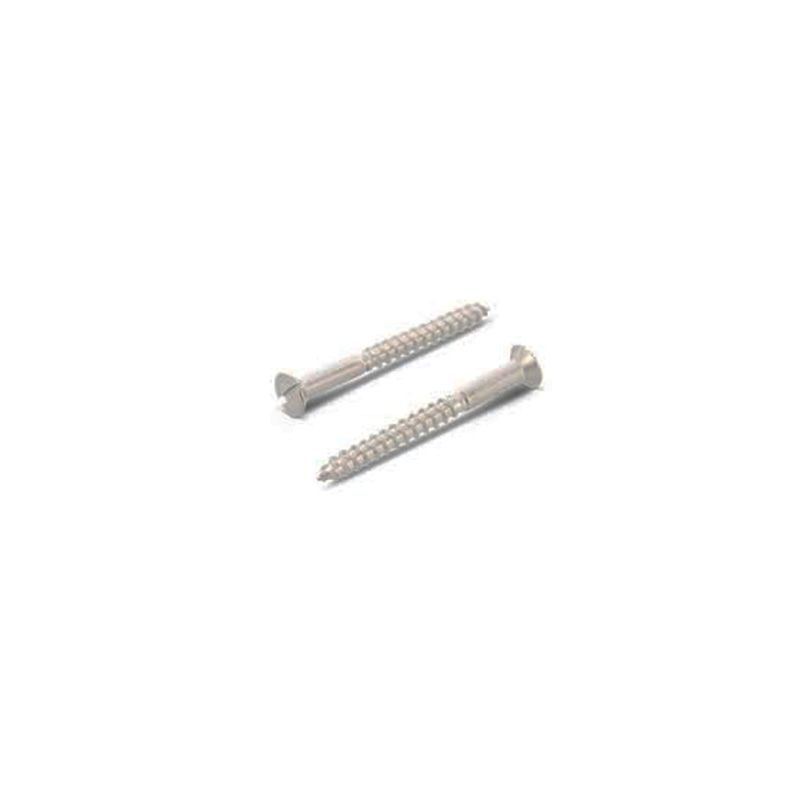
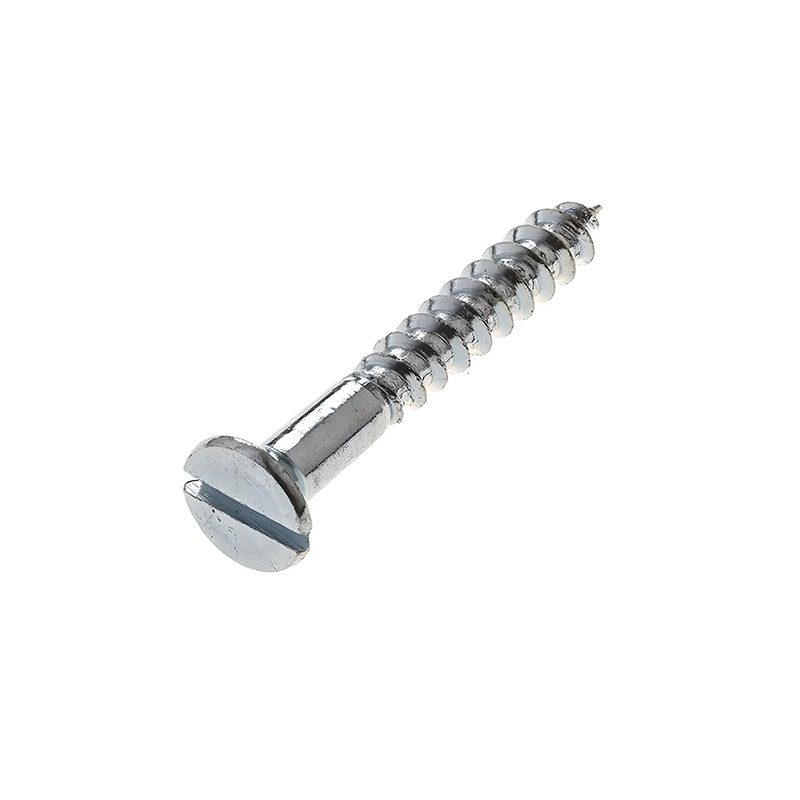
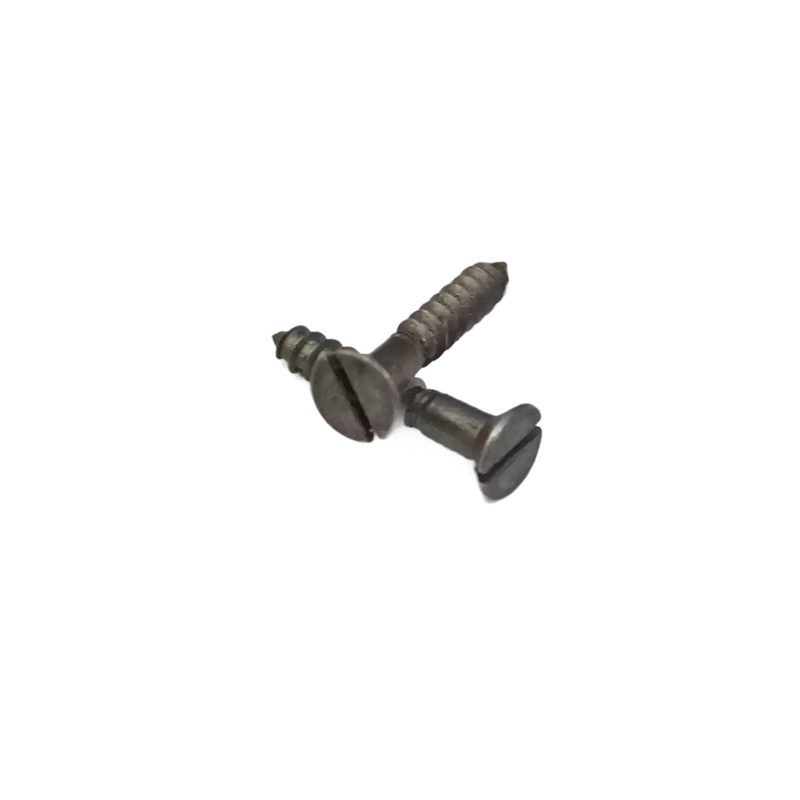
Wood Screw Slotted Round Head Low Carbon Steel
The Wood Screw Slotted Round Head Low Carbon Steel tips produced by the Xiaoguo® factory can be directly screwed into wood, eliminating the need for drilling.Welcome to inquire and purchase.
Send Inquiry
Product Description
Here’s how to use the Wood Screw Slotted Round Head Low Carbon Steel – just a handy reference when you need it.
(1)What you’ll need
Screwdriver – Use a flat‑head screwdriver that fits the slot. The tip should be about as wide as the slot is long.
Hand drill or electric screwdriver – You can use them, but keep it on low speed. Don’t use the impact mode.
Other tools – A drill bit, a ruler, and a pencil come in handy.
(2)Check everything before you start
Look at the Wood Screw Slotted Round Head Low Carbon Steel – Make sure the threads aren’t burred or bent, the slot isn’t damaged, and there’s no obvious rust. If any look bad, set them aside.
Check the wood – The surface should be clean, with no oil or wax. If the wood is very dry or hard, drill a pilot hole so it doesn’t crack.
Check your screwdriver – If the tip is chipped or worn, it will mess up the slot. Replace it if needed.
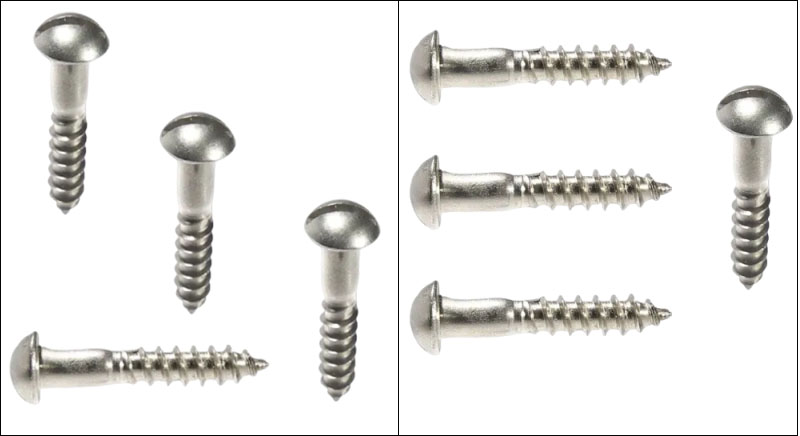
(3)Do you have to drill a hole first?
It depends on the wood.
Softwood – Usually you can skip pre‑drilling.
Hardwood – You absolutely need to drill first.
Man‑made boards (like MDF) – Thin ones can be screwed straight in; thicker ones are better with a pilot hole.
(4)Step‑by‑step
Mark the spot – Put a mark on the wood where you want the screw to go.
Drill (if needed) – Use the right drill bit to make a pilot hole.
Position the Wood Screw Slotted Round Head Low Carbon Steel – Put the tip of the screw on the mark or hole, and hold it straight up and down (perpendicular to the wood surface).
Start it – Hold the screwdriver, line it up with the slot, and turn gently a couple of turns until the screw bites into the wood.
Drive it in – Keep the screwdriver straight and turn clockwise. When you get near the end, ease up on the last half turn so the round head sits flush with the wood. Don’t over‑tighten.
Check your work – The head should be flat against the wood, not sticking up. The slot should be undamaged, and the Wood Screw Slotted Round Head Low Carbon Steel shouldn’t be crooked.
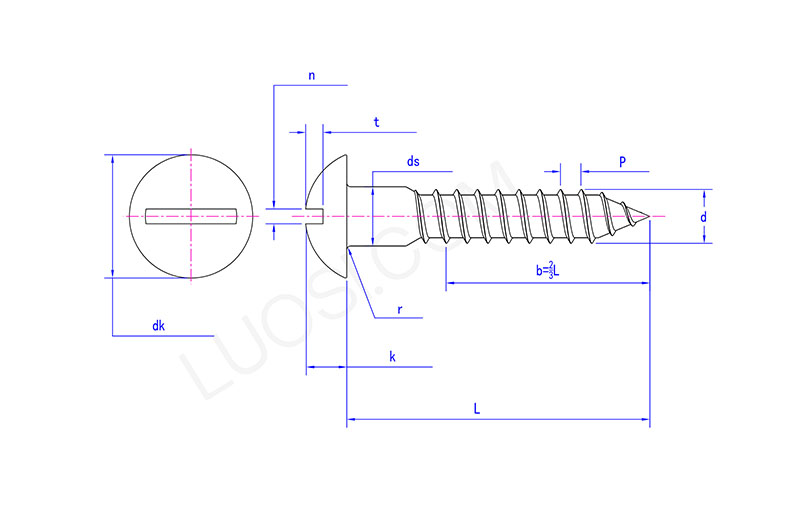
| Mon | 2.5 | 3 | 3.5 | 4 | 4.5 | 5 | 5.5 | 6 | 7 | 8 | 10 |
| P | 1 | 12 | 1.4 | 1.6 | 1.8 | 2 | 2.2 | 2.5 | 2.8 | 3 | 3.5 |
| ds min | 2.25 | 2.75 | 3.2 | 3.7 | 4.2 | 4.7 | 5.2 | 5.7 | 6.64 | 7.64 | 9.64 |
| ds max | 2.5 | 3 | 3.5 | 4 | 4.5 | 5 | 5.5 | 6 | 7 | 8 | 10 |
| dk max | 4.63 | 5.8 | 6.75 | 7.65 | 8.6 | 9.5 | 10.5 | 11.05 | 13.35 | 15.2 | 18.9 |
| dk min | 4.23 | 5.3 | 6.25 | 7.15 | 8 | 8.9 | 9.9 | 10.35 | 12.55 | 14.4 | 18.1 |
| k max | 1.98 | 2.37 | 2.65 | 2.95 | 3.25 | 3.5 | 3.95 | 4.34 | 4.86 | 5.5 | 6.8 |
| k min | 1.78 | 2.07 | 2.35 | 2.65 | 2.95 | 3.2 | 3.65 | 3.94 | 4.46 | 5.1 | 6.4 |
| n min | 0.6 | 0.8 | 0.9 | 1 | 12 | 12 | 1.4 | 16 | 18 | 2 | 2.5 |
| n max | 0.85 | 1.05 | 1.15 | 1.35 | 1.55 | 1.55 | 1.75 | 1.95 | 2.15 | 2.35 | 2.85 |
| r | 0.2 | 0.2 | 0.4 | 0.4 | 0.4 | 0.4 | 0.4 | 0.4 | 0.5 | 0.5 | 0.5 |
| t max | 1.3 | 1.54 | 1.74 | 1.98 | 2.2 | 2.5 | 2.7 | 2.8 | 3.06 | 3.66 | 4.32 |
| t min | 0.9 | 1.06 | 1.26 | 1.38 | 16 | 1.9 | 2.1 | 2.2 | 2.34 | 2.94 | 3.6 |
Hot Tags: Wood Screw Slotted Round Head Low Carbon Steel, China, Manufacturer, Supplier, Factory
Related Category
Slotted Tapping Screw
Cross Grooved Tapping Screws
Self Drilling Screws
Hexagonal Self-Drilling Screws With Groove
Hexagonal Head Self-Drilling Screws
Hexagonal And Square Groove Self-Drilling Screws
Quince-Grooved Self-Tapping Screws
Composite Grooved Self Tapping Screws
Triangle Locking Self-Extruding Screw
Automatic Quick Tooth Drilling Screws
Send Inquiry
Please Feel free to give your inquiry in the form below. We will reply you in 24 hours.