- English
- Español
- Português
- русский
- Français
- 日本語
- Deutsch
- tiếng Việt
- Italiano
- Nederlands
- ภาษาไทย
- Polski
- 한국어
- Svenska
- magyar
- Malay
- বাংলা ভাষার
- Dansk
- Suomi
- हिन्दी
- Pilipino
- Türkçe
- Gaeilge
- العربية
- Indonesia
- Norsk
- تمل
- český
- ελληνικά
- український
- Javanese
- فارسی
- தமிழ்
- తెలుగు
- नेपाली
- Burmese
- български
- ລາວ
- Latine
- Қазақша
- Euskal
- Azərbaycan
- Slovenský jazyk
- Македонски
- Lietuvos
- Eesti Keel
- Română
- Slovenski
- मराठी
- Srpski језик

Home > Products > Self Drilling And Wood Screws > Slotted Tapping Screw > Wood Screw Slotted Round Head Brass
Wood Screw Slotted Round Head Brass
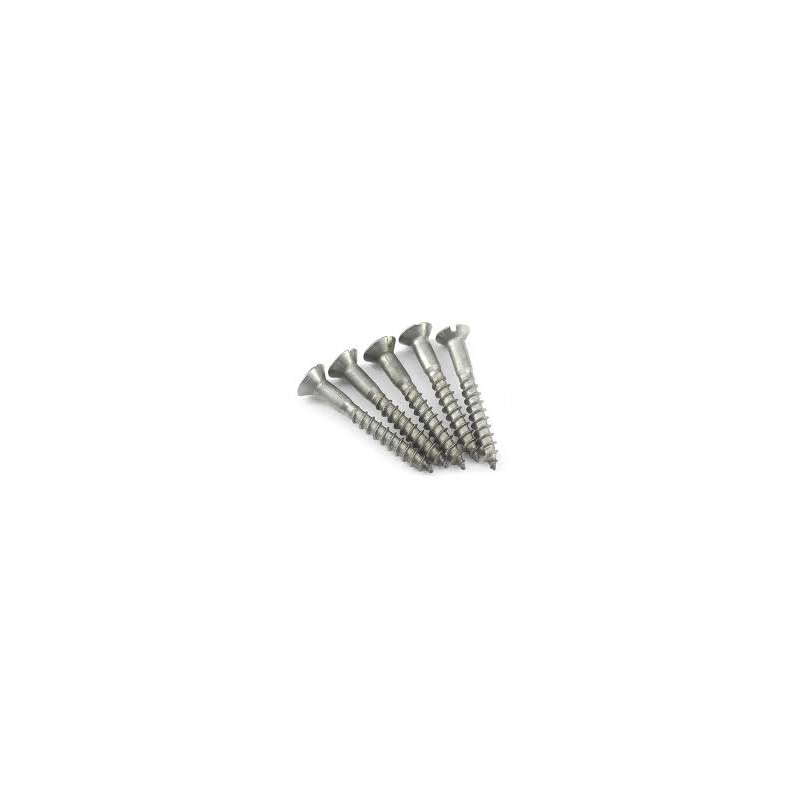
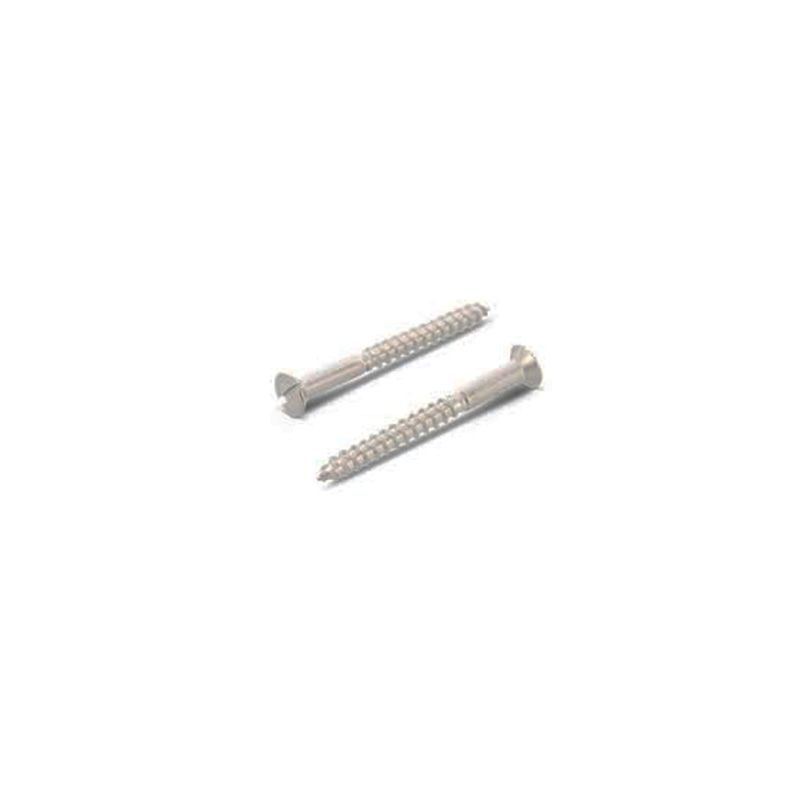
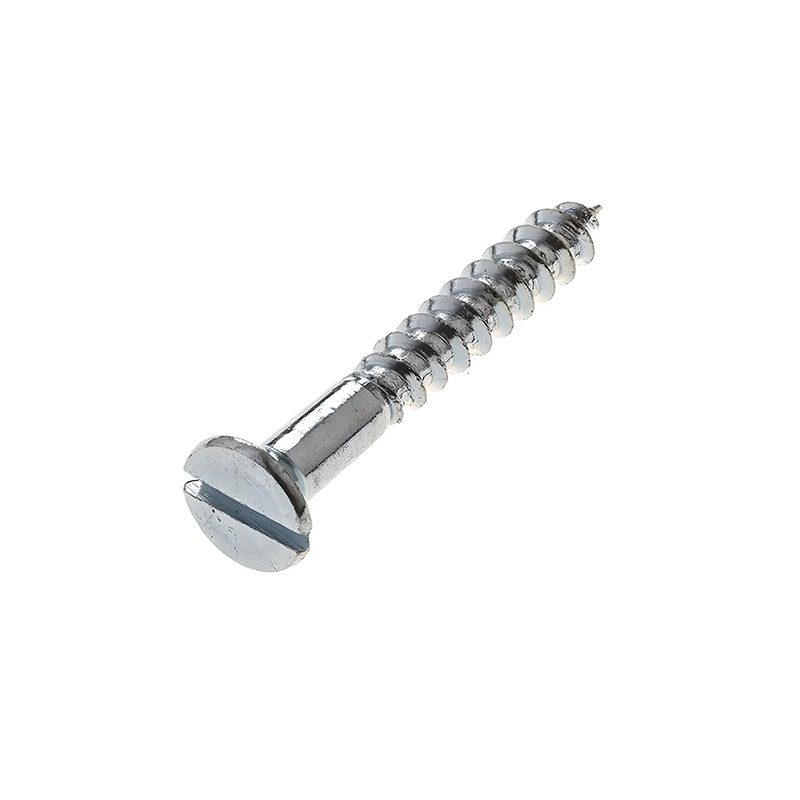
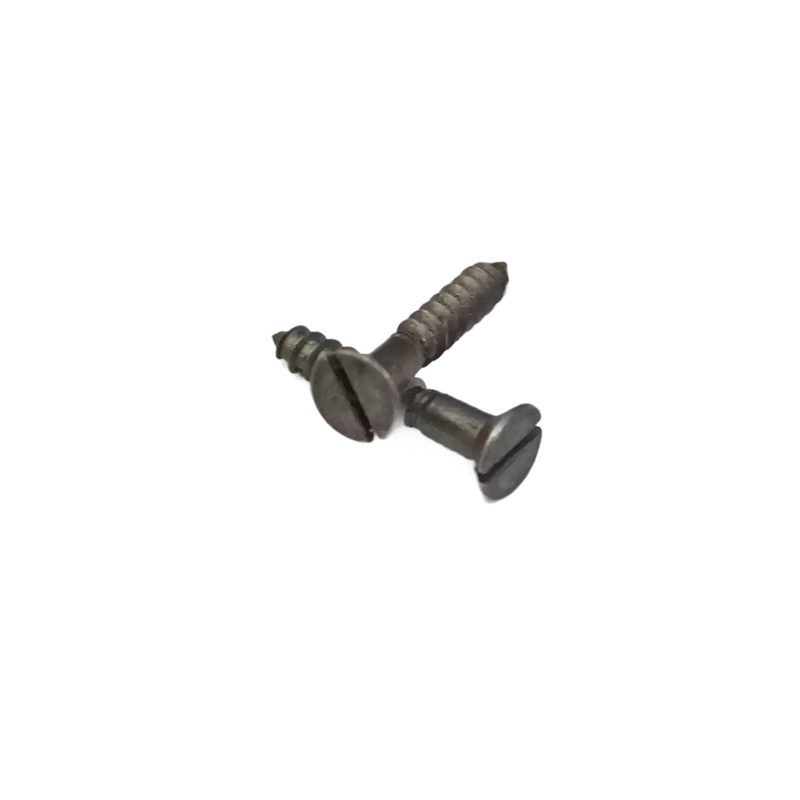
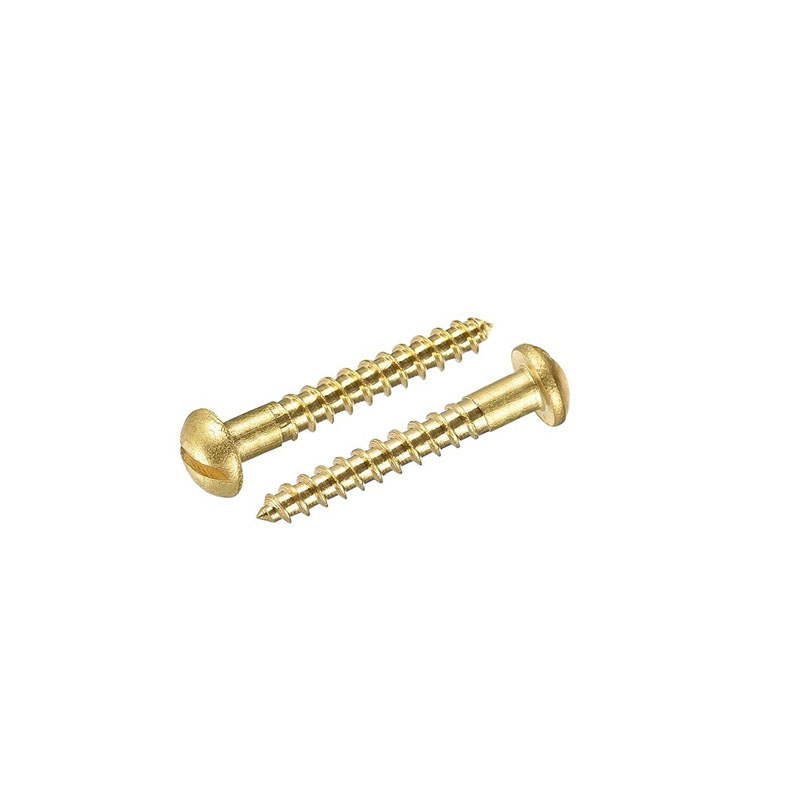
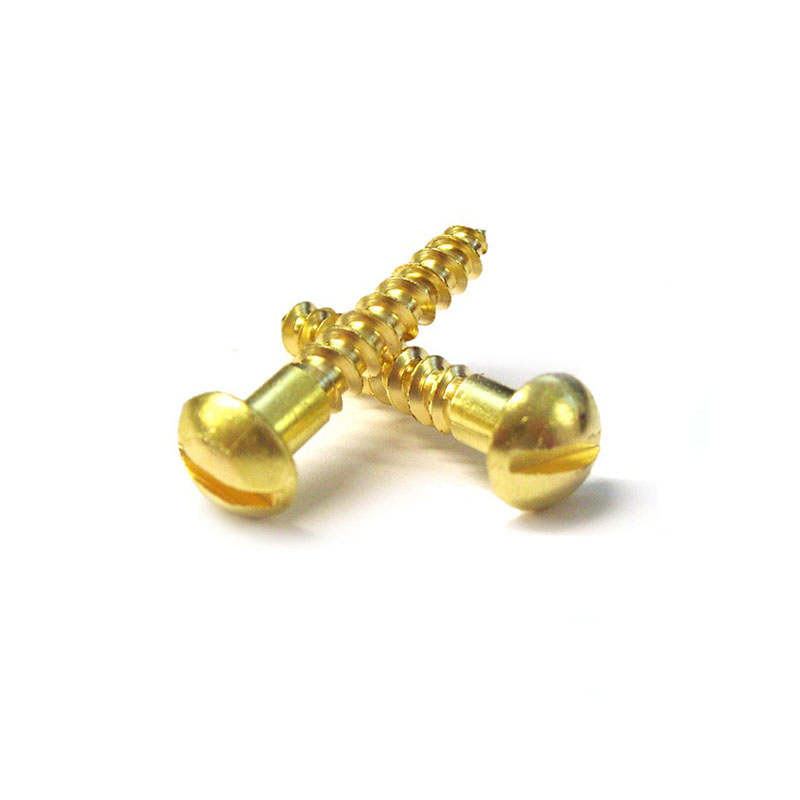
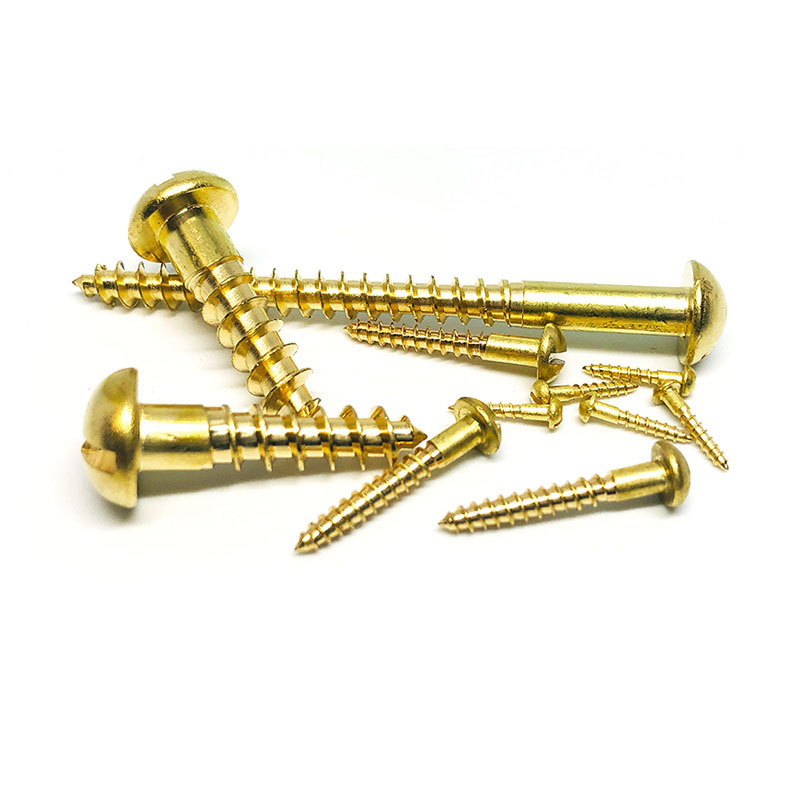
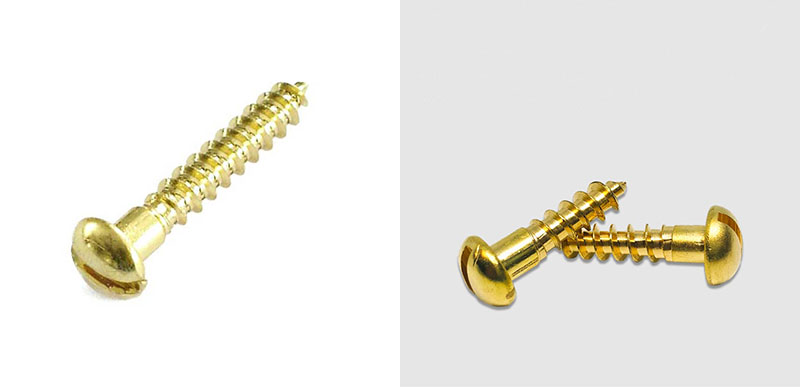
Xiaoguo®factory Wood Screw Slotted Round Head Brass adopt practical overall structure. With smooth round head body and standard straight slot, they have sharp complete threads and pointed ends for easy penetration into wood. This classic single slot design works well with common flat screwdrivers directly, you do not need any special tools to finish installation and fastening work.
Send Inquiry
Product Description
The Wood Screw Slotted Round Head Brass is composed of three parts: the head, the shank (containing the thread), and the tip. The following are the structural characteristics of each part.
(1)Head structure
The head is round and like half a ball. It’s bigger around than the screw body. After you tighten it, the head sits on top of the wood surface and sticks out a bit, making a smooth little bump.
The slot on the head is a straight line across the whole top. The depth is even, and the two sides are parallel.
The underside of the round head is flat and sits square with the screw shaft. That flat part rests against the wood surface and helps spread the pressure.
(2)Shaft structure
The threads can be full or partial. Full thread is the most common – the threads run from right under the head all the way to the tip.
For the Wood Screw Slotted Round Head Brass, the thread shape is the usual wood screw type: deep grooves and wide spacing between threads. The top edge of the thread is sharp, which helps it cut into the wood fibers easily.
Thread direction: Right-handed (clockwise insertion).
(3)Advanced structure
Finishing shape: Conical tip, usually with a taper of 30° to 45°, and the tip is slightly rounded.
Function: When screwed in, it presses and cuts the wood fibers to achieve self-drilling. No pre-drilling is required for softwood; for hardwood, pre-drilling is recommended.
The impact of structure on performance
The Wood Screw Slotted Round Head Brass structure has both positive and negative effects on its own performance.
(1)The limitations of the single-slot system:
When the electric screwdriver is operating at high speed and tightening the screws, the screwdriver is prone to slip out of the slot, thereby damaging the head of the Wood Screw Slotted Round Head Brass or the workpiece.
(2)Advantages of the round head:
After installation, it is smooth and aesthetically pleasing, and will not snag fabrics or hurt hands.
The bottom surface is flat and has a large diameter, which can protect the soft wood surface from being compressed.
(3)The gripping force of the wood thread:
Due to its large pitch and deep tooth profile, each turn of the thread bites more wood fibers, resulting in a higher anti-pulling force compared to mechanical threads.
However, when using hardwood, the diameter of the pre-drilled holes must be precisely controlled; otherwise, the wood is prone to cracking.
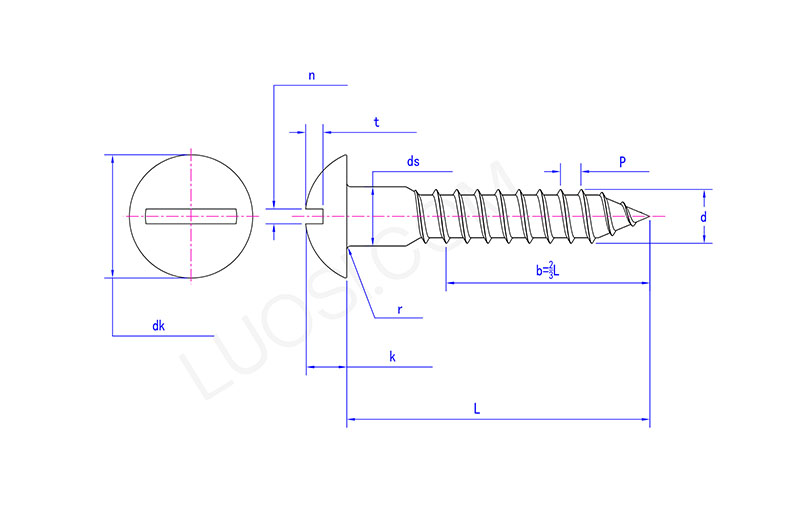
| Mon | 2.5 | 3 | 3.5 | 4 | 4.5 | 5 | 5.5 | 6 | 7 | 8 | 10 |
| P | 1 | 12 | 1.4 | 1.6 | 1.8 | 2 | 2.2 | 2.5 | 2.8 | 3 | 3.5 |
| ds min | 2.25 | 2.75 | 3.2 | 3.7 | 4.2 | 4.7 | 5.2 | 5.7 | 6.64 | 7.64 | 9.64 |
| ds max | 2.5 | 3 | 3.5 | 4 | 4.5 | 5 | 5.5 | 6 | 7 | 8 | 10 |
| dk max | 4.63 | 5.8 | 6.75 | 7.65 | 8.6 | 9.5 | 10.5 | 11.05 | 13.35 | 15.2 | 18.9 |
| dk min | 4.23 | 5.3 | 6.25 | 7.15 | 8 | 8.9 | 9.9 | 10.35 | 12.55 | 14.4 | 18.1 |
| k max | 1.98 | 2.37 | 2.65 | 2.95 | 3.25 | 3.5 | 3.95 | 4.34 | 4.86 | 5.5 | 6.8 |
| k min | 1.78 | 2.07 | 2.35 | 2.65 | 2.95 | 3.2 | 3.65 | 3.94 | 4.46 | 5.1 | 6.4 |
| n min | 0.6 | 0.8 | 0.9 | 1 | 12 | 12 | 1.4 | 16 | 18 | 2 | 2.5 |
| n max | 0.85 | 1.05 | 1.15 | 1.35 | 1.55 | 1.55 | 1.75 | 1.95 | 2.15 | 2.35 | 2.85 |
| r | 0.2 | 0.2 | 0.4 | 0.4 | 0.4 | 0.4 | 0.4 | 0.4 | 0.5 | 0.5 | 0.5 |
| t max | 1.3 | 1.54 | 1.74 | 1.98 | 2.2 | 2.5 | 2.7 | 2.8 | 3.06 | 3.66 | 4.32 |
| t min | 0.9 | 1.06 | 1.26 | 1.38 | 16 | 1.9 | 2.1 | 2.2 | 2.34 | 2.94 | 3.6 |
Hot Tags: Wood Screw Slotted Round Head Brass, China, Manufacturer, Supplier, Factory
Related Category
Slotted Tapping Screw
Cross Grooved Tapping Screws
Self Drilling Screws
Hexagonal Self-Drilling Screws With Groove
Hexagonal Head Self-Drilling Screws
Hexagonal And Square Groove Self-Drilling Screws
Quince-Grooved Self-Tapping Screws
Composite Grooved Self Tapping Screws
Triangle Locking Self-Extruding Screw
Automatic Quick Tooth Drilling Screws
Send Inquiry
Please Feel free to give your inquiry in the form below. We will reply you in 24 hours.