
- English
- Español
- Português
- русский
- Français
- 日本語
- Deutsch
- tiếng Việt
- Italiano
- Nederlands
- ภาษาไทย
- Polski
- 한국어
- Svenska
- magyar
- Malay
- বাংলা ভাষার
- Dansk
- Suomi
- हिन्दी
- Pilipino
- Türkçe
- Gaeilge
- العربية
- Indonesia
- Norsk
- تمل
- český
- ελληνικά
- український
- Javanese
- فارسی
- தமிழ்
- తెలుగు
- नेपाली
- Burmese
- български
- ລາວ
- Latine
- Қазақша
- Euskal
- Azərbaycan
- Slovenský jazyk
- Македонски
- Lietuvos
- Eesti Keel
- Română
- Slovenski
- मराठी
- Srpski језик

clamp nut
Understanding Clamp Nuts: Secure Fastening Solutions
For robust and reliable fastening in demanding applications, the clamp nut is a cornerstone component. Designed to maintain tension and resist loosening under vibration and dynamic loads, these specialized nuts are essential in industries ranging from automotive and aerospace to heavy machinery and construction. A clamp nut functions by creating a powerful clamping force that secures components firmly together. This makes it an excellent alternative or complementary solution to other vibration-resistant fasteners, such as the widely-used self-locking nut. While both a self-locking nut and a clamp nut aim to prevent accidental disassembly, their mechanisms can differ, offering engineers and designers a range of options to achieve optimal joint integrity. The primary advantage of a high-quality clamp nut is its ability to deliver consistent preload, ensuring a secure connection that endures the rigors of its operating environment.
The Clamp Nut is engineered with precision to meet rigorous industry standards. Its design typically incorporates specific features that enhance its performance. These nuts are available in various materials, sizes, and configurations to suit a vast array of technical requirements and specifications. Below is a detailed breakdown of the typical parameters and technical data for our standard Clamp Nut product line.
Key Features of the Clamp Nut:
- High-Strength Alloy Steel Construction
- Zinc-Plated or Hot-Dip Galvanized Finish for Corrosion Resistance
- Precision-Machined Threads for Smooth Engagement
- Wide Bearing Surface for Distributed Load
- Designed to Withstand High Vibration and Shock Loads
Detailed Product Specifications:
| Parameter | Specification / Value |
|---|---|
| Thread Sizes (Metric) | M6, M8, M10, M12, M16, M20, M24 |
| Thread Sizes (Imperial) | 1/4"-20, 5/16"-18, 3/8"-16, 1/2"-13, 5/8"-11, 3/4"-10 |
| Material Grades | Grade 5, Grade 8, AISI 304 Stainless Steel, AISI 316 Stainless Steel |
| Proof Load (MPa) | 830 MPa (for Grade 8 Steel) |
| Tensile Strength (MPa) | 1040 MPa (for Grade 8 Steel) |
| Hardness (HRC) | 24 - 32 HRC |
| Temperature Range | -50°C to +300°C (dependent on material and coating) |
| Standard | DIN, ISO, ANSI, ASME |
Related Products



Hot Products

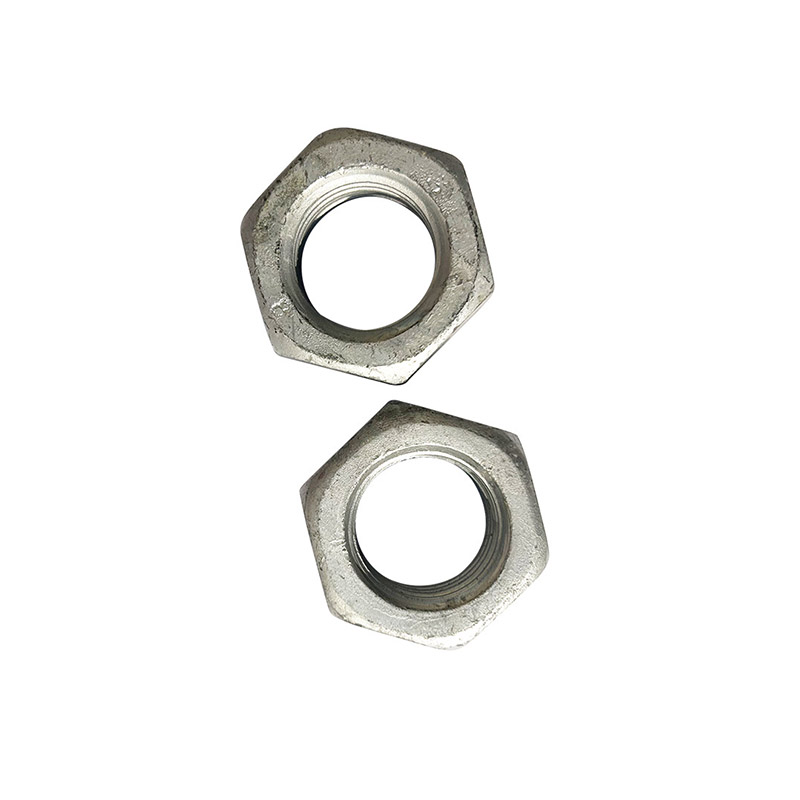
Hex Nuts
Xiaoguo® with its professional factory and customized services, provides customers with high-quality and reliable products and solutions in the field of hex nuts, meeting various complex fastener customer needs.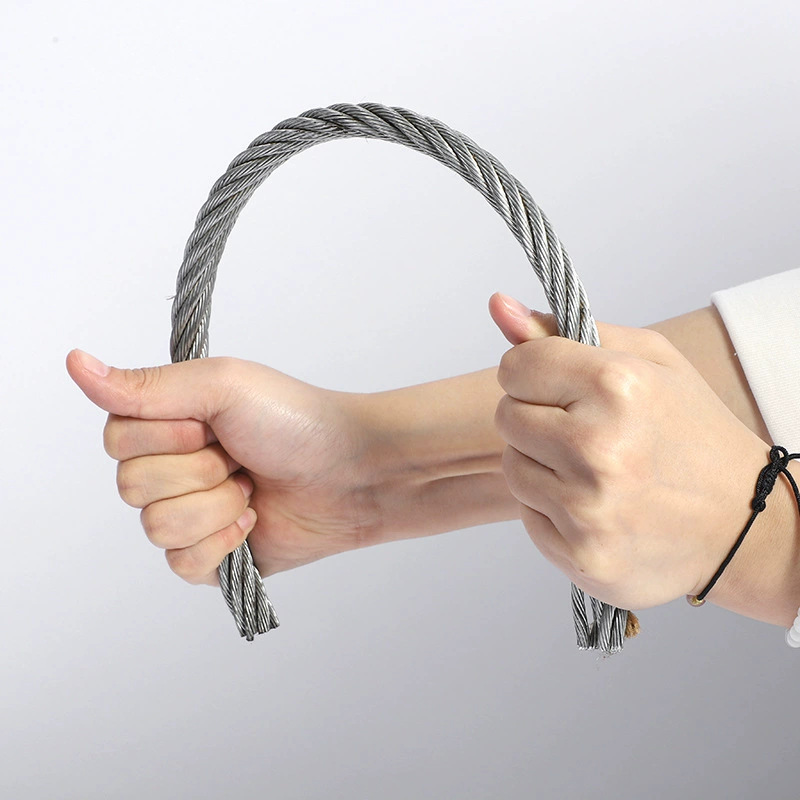
Temperature Resilient Stainless Steel Wire Rope
Temperature Resilient Stainless Steel Wire Rope, often chosen in architectural and theatrical rigging for its combination of high strength, reliability, and aesthetic appeal, is produced by Xiaoguo®, a professional manufacturer, with advanced stranding machines that create wire ropes ranging from 1mm to 32mm in diameter.
Nylon Insert Hex Lock Nut
Xiaoguo® provide custom fasteners by factory.Nylon Insert Hex Lock Nut, also called anti-loosening nuts and is commonly used in automotive, machinery manufacturing, electronic equipment and other fields to play a reliable fastening and anti-loosening role.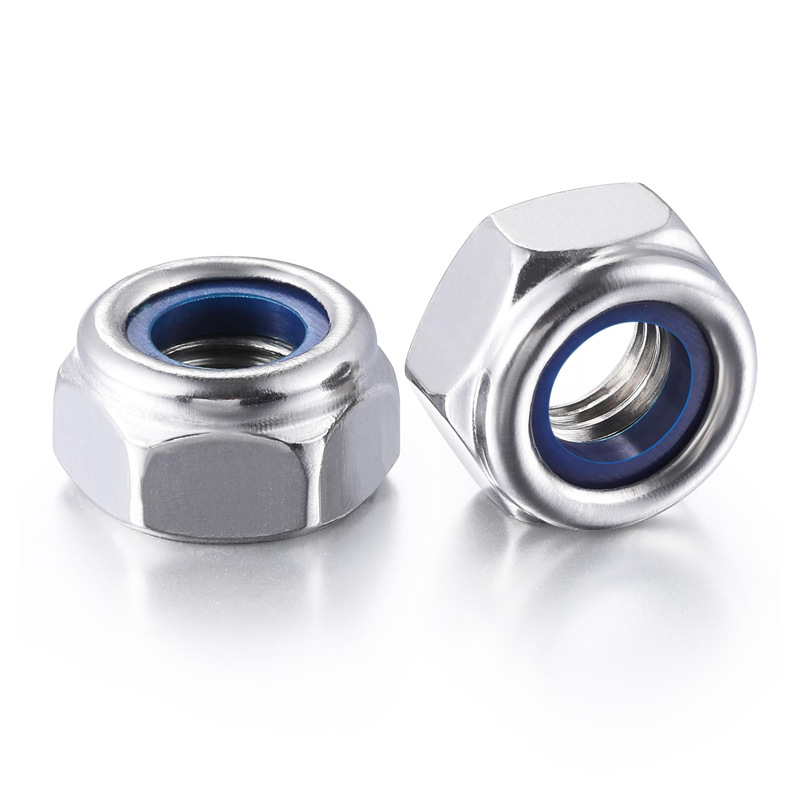
Hexagon Nut Polyamide Insert
Check out our new Xiaoguo® Hexagon nut polyamide insert made in China. Ideal for daily assembly, it prevents loosening under vibration and shock in machinery and auto repair. Made of standard carbon steel with precise threads, it fits common tools easily. Stable quality across batches, reliable supply and flexible orders make it perfect for bulk buyers and long-term partners.
Rust Inhibiting Galvanized Steel Wire
Rust Inhibiting Galvanized Steel Wire is produced by Xiaoguo® with advanced drawing equipment. Specifically, this wire features precise diameter tolerances, making it suitable for cable manufacturers. Notably, it serves as the crucial strength member that provides mechanical support and protects the fragile optical fibers within.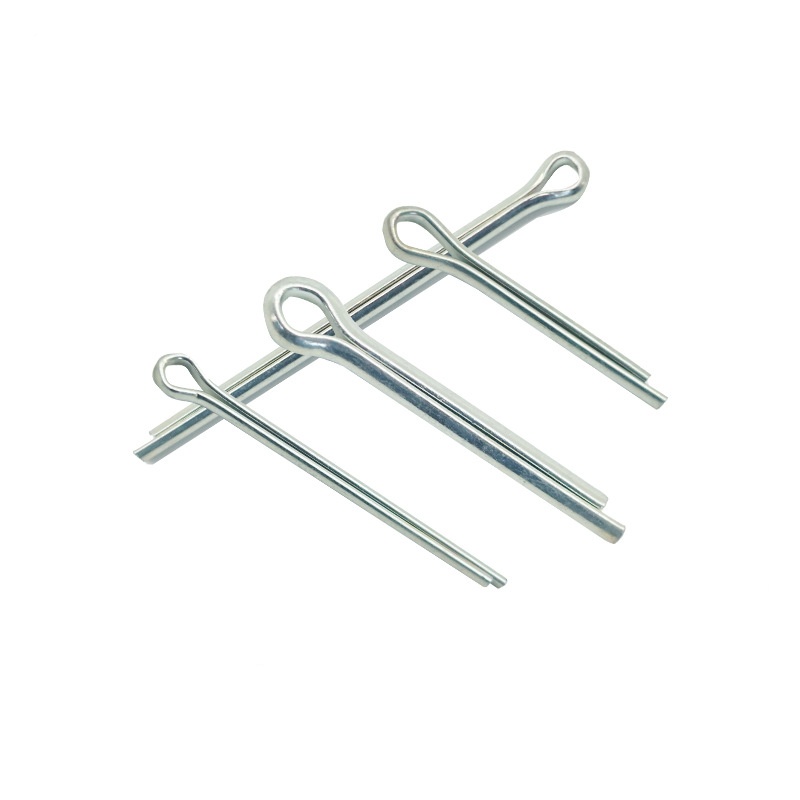
Secure Locking Split Pin
Xiaoguo manufactures Secure locking split pin with precise dimensions and reliable locking performance, which are frequently used in industrial safety applications. Xiaoguo is a leading supplier of safety locking cotter pins in China. 2. Product Usage Instructions:
- Related Blog
- Reviews