- English
- Español
- Português
- русский
- Français
- 日本語
- Deutsch
- tiếng Việt
- Italiano
- Nederlands
- ภาษาไทย
- Polski
- 한국어
- Svenska
- magyar
- Malay
- বাংলা ভাষার
- Dansk
- Suomi
- हिन्दी
- Pilipino
- Türkçe
- Gaeilge
- العربية
- Indonesia
- Norsk
- تمل
- český
- ελληνικά
- український
- Javanese
- فارسی
- தமிழ்
- తెలుగు
- नेपाली
- Burmese
- български
- ລາວ
- Latine
- Қазақша
- Euskal
- Azərbaycan
- Slovenský jazyk
- Македонски
- Lietuvos
- Eesti Keel
- Română
- Slovenski
- मराठी
- Srpski језик

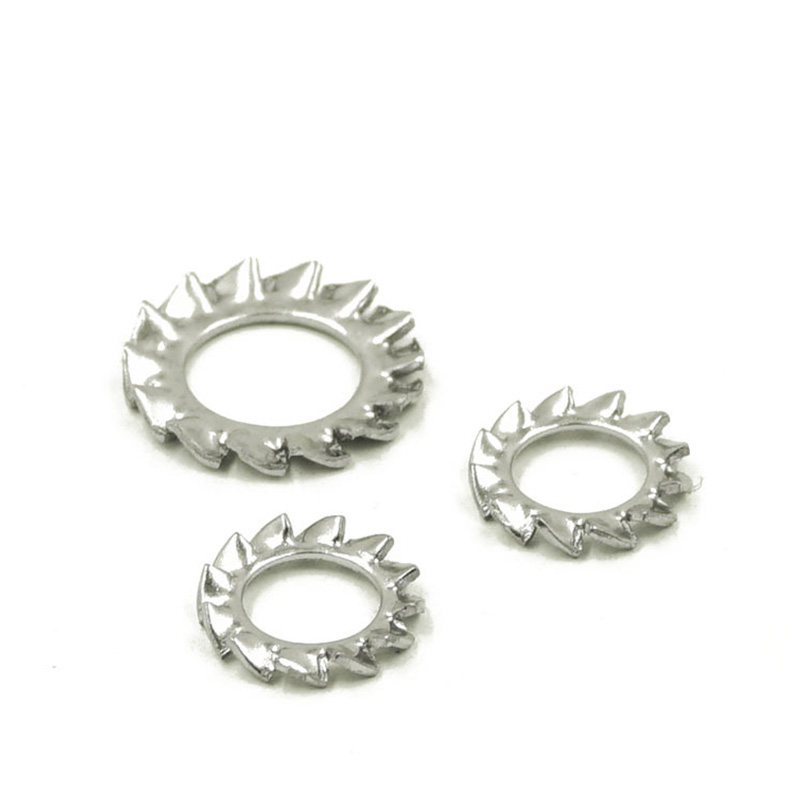
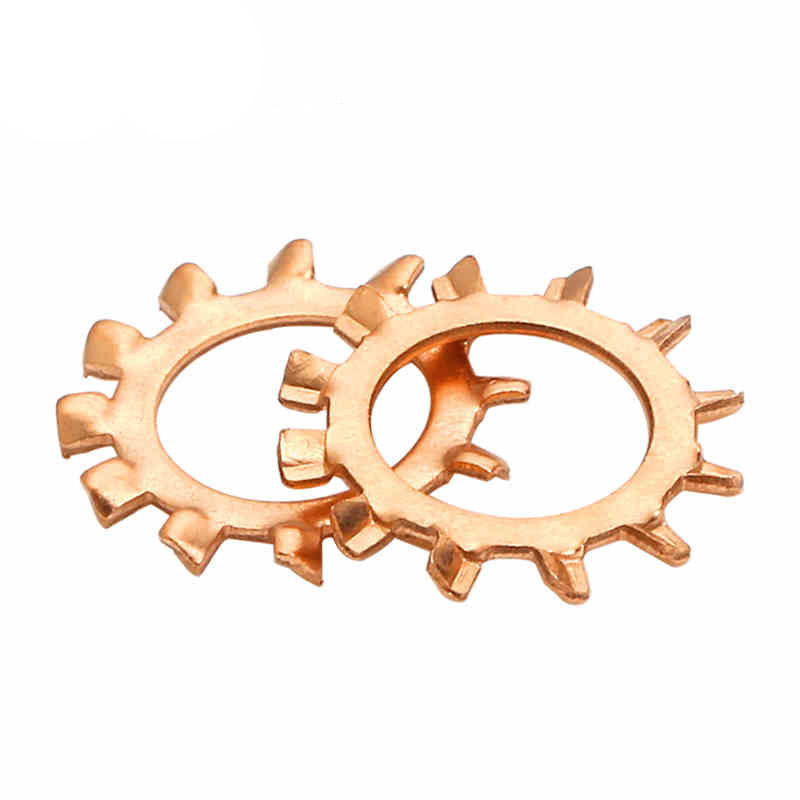
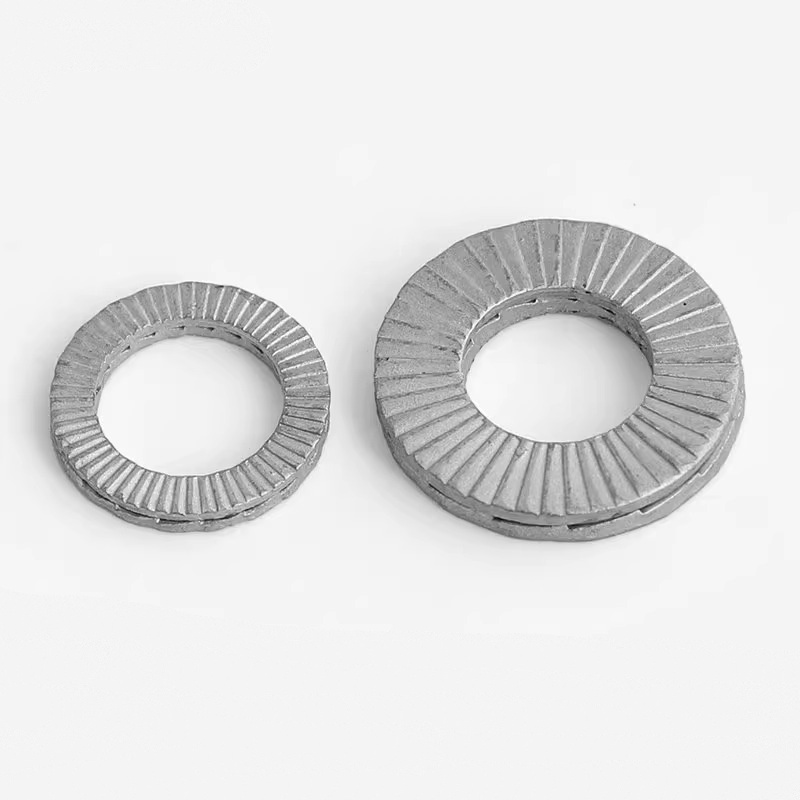
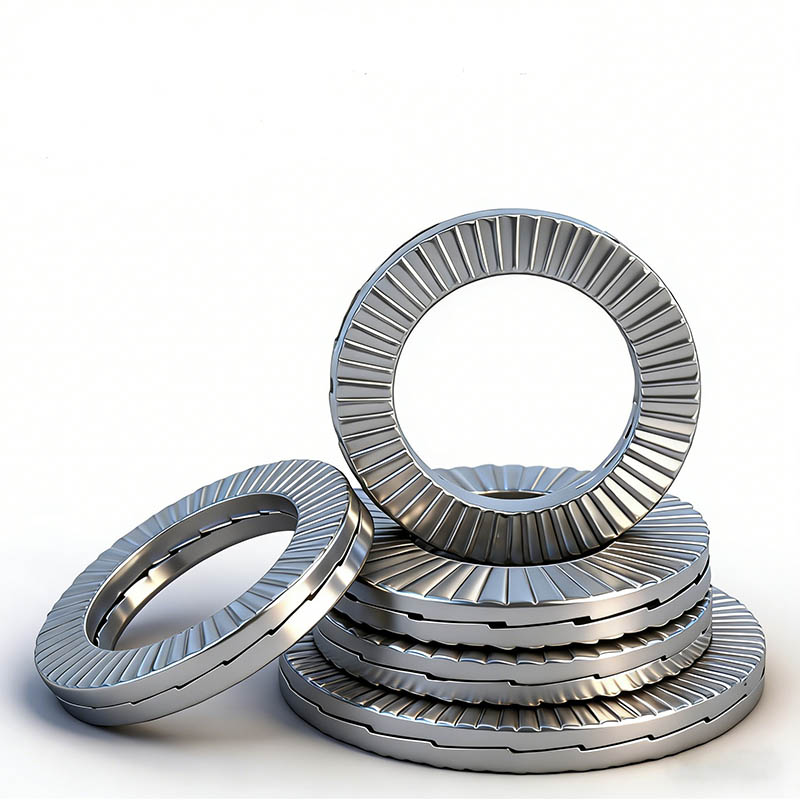
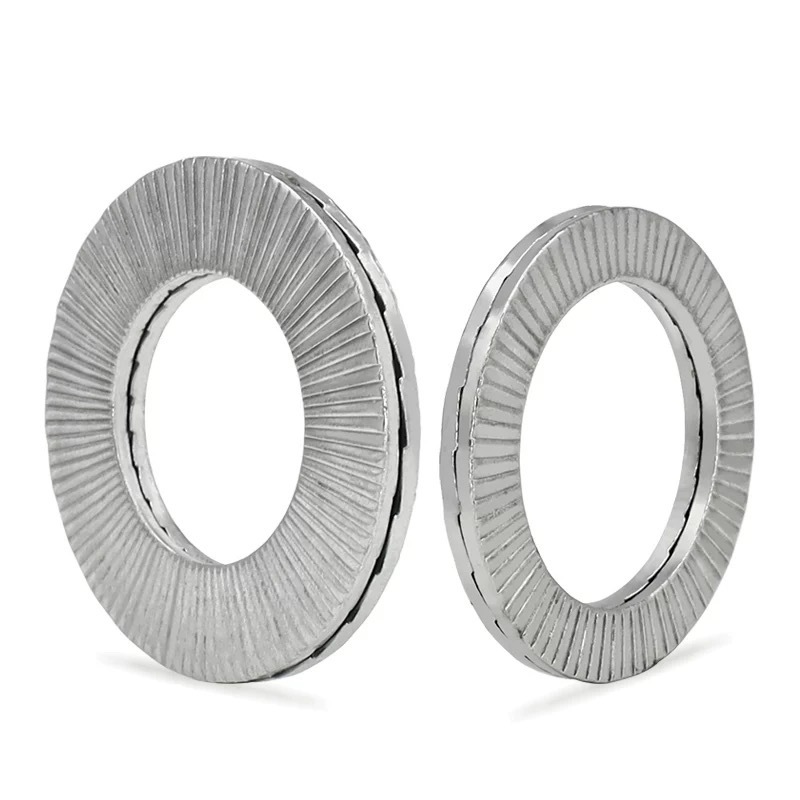
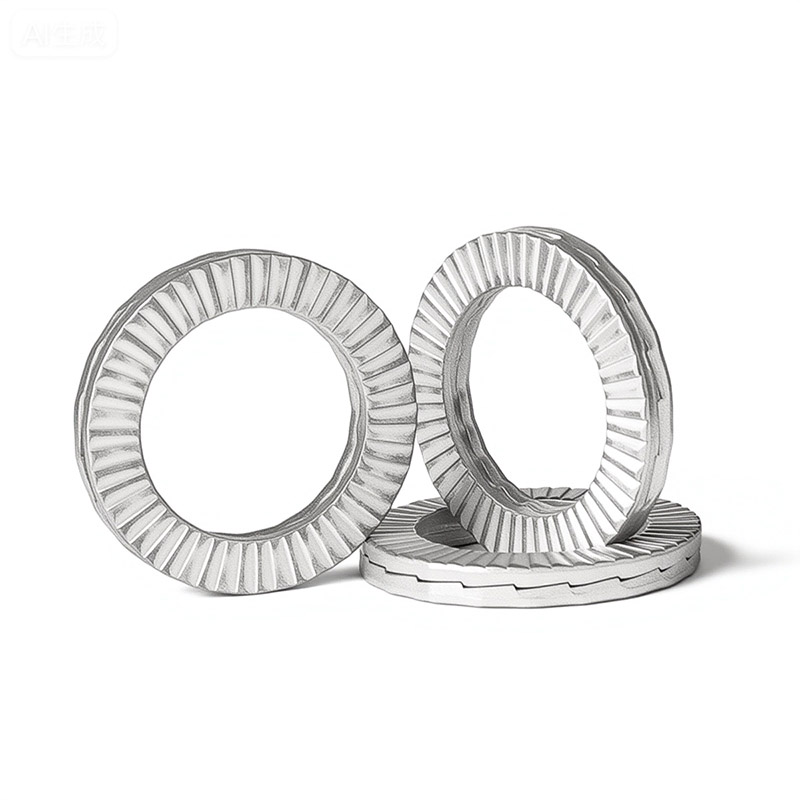
Outer Serrated Toothed Lock Washers
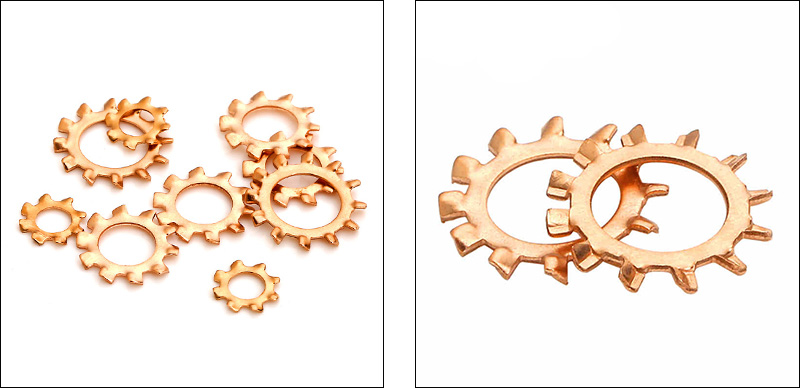
Purchase the Xiaoguo® Outer Serrated Toothed Lock Washers, which are highly suitable for large-sized fasteners. The outer teeth of the washers will provide a larger locking area when used with large-sized fasteners, resulting in a more reliable effect.
Send Inquiry
Product Description
The types of Outer Serrated Toothed Lock Washers are mainly classified based on aspects such as tooth shape structure, load-bearing strength, and special functions.
(1)DIN 6798
The DIN 6798 standard is the most widely used specification for Outer Serrated Toothed Lock Washers, and it mainly consists of three forms:
①Outer serrated locking ring
The teeth are on the outer ring and are arranged in an overlapping manner, providing the largest contact area.
②Inner serrated locking ring
The teeth are on the inner ring and are suitable for small-head screws.
③Conical ribbed locking ring
Conical structure, 90° countersunk angle
(2)BW vs EOW
According to the load strength classification, the Outer Serrated Toothed Lock Washers is divided into standard type and heavy-duty type.
① BW Standard Type
It has regular tooth depth, fits normal industrial use and common assembly work.Common uses: electronic goods, general machinery, automation equipment.
② EOW Heavy Duty Type
It comes with deeper teeth and better anti-loose performance, suited for places with heavy vibration and heavy load.Common uses: auto parts, high vibration machinery, construction projects and steel structures.
(3)Special Function
①EOW Overlap
A special overlapping tooth structure, specially designed for applications with relatively weak torque. Compared to the common external tooth type, it is suitable for uneven supporting surfaces, has a larger contact area, and is conducive to load distribution.
②Large/Narrow Band
According to the requirements of different application spaces, (RDEFL/RDIFL) and (RDIFS) are provided to meet the varying contact area demands.
③Double Toothed Washer RDD
Both the inner and outer surfaces are serrated, suitable for applications where higher anti-loosening requirements are needed.
FAQ
(1)Are Outer Serrated Toothed Lock Washers effective against high vibration?
Yes, the external tooth gasket is more suitable for high-vibration environments than the internal tooth gasket, because it has a larger contact area between the teeth and a deeper engagement.
(2)Will the teeth damage soft materials like aluminum or plastic?
That’s right. The sharp teeth will dig into softer materials and leave dents or even cracks.For aluminum parts, you can put a flat washer between the lock washer and the workpiece to play a buffering role.As for plastic parts, don’t use external tooth washers directly. It’s better to choose internal tooth washers or use a bigger flat washer instead.
(3)What is the typical hardness of the spring steel Outer Serrated Toothed Lock Washers?
After heat treatment, the hardness is usually HRC 40–50 (approximately 400–530 HV).
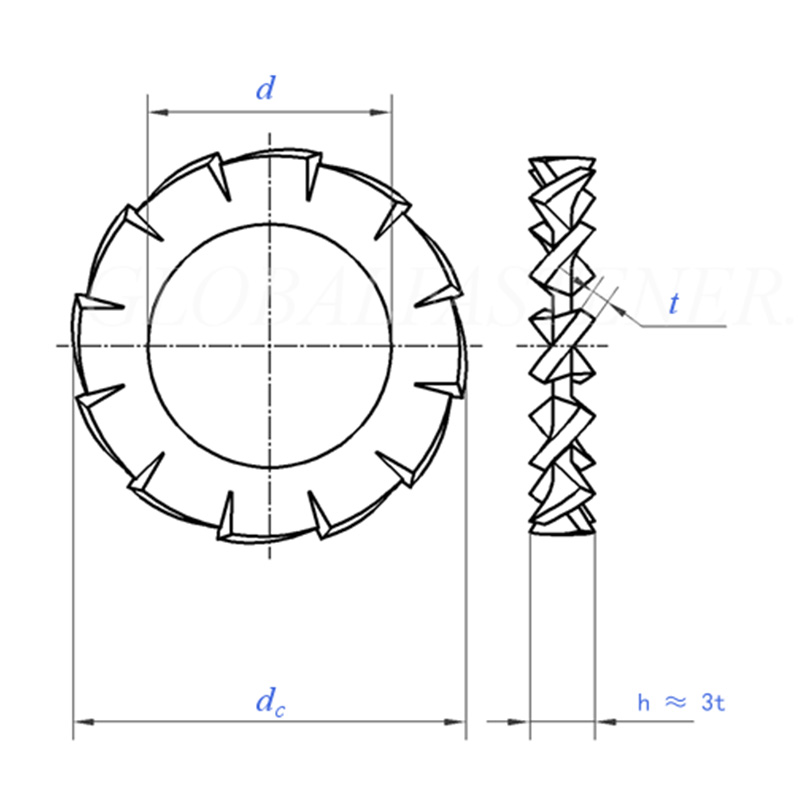
| Size | 1.7 | 2.2 | 2.7 | 3.2 | 3.7 | 4.3 | 5.3 | 6.4 | 7.4 | 8.4 | |
| d | min=nominal size | 1.7 | 2.2 | 2.7 | 3.2 | 3.7 | 4.3 | 5.3 | 6.4 | 7.4 | 8.4 |
| max | 1.84 | 2.34 | 2.84 | 3.38 | 3.88 | 4.48 | 5.48 | 6.62 | 7.62 | 8.62 | |
| dc | max=nominal size | 3.6 | 4.5 | 5.5 | 6 | 7 | 8 | 10 | 11 | 12.5 | 15 |
| min | 3.3 | 4.2 | 5.2 | 5.7 | 6.64 | 7.64 | 9.64 | 10.57 | 12.07 | 14.57 | |
| t | 0.3 | 0.3 | 0.4 | 0.4 | 0.5 | 0.5 | 0.6 | 0.7 | 0.8 | 0.8 | |
| Number of Teeth | min | 9 | 9 | 9 | 9 | 10 | 11 | 11 | 12 | 14 | 14 |
| per 1000 unitsskg | 0.02 | 0.03 | 0.045 | 0.06 | 0.11 | 0.14 | 0.28 | 0.36 | 0.5 | 0.8 | |
| For Nominal Thread Diameter | M1.6 | M2 | M2.5 | M3 | M3.5 | M4 | M5 | M6 | M7 | M8 | |
| Size | 10.5 | 13 | 15 | 17 | 19 | 21 | 23 | 25 | 28 | 31 | |
| d | min=nominal size | 10.5 | 13 | 15 | 17 | 19 | 21 | 23 | 25 | 28 | 31 |
| max | 10.77 | 13.27 | 15.27 | 17.27 | 19.33 | 21.33 | 23.33 | 25.33 | 28.33 | 31.39 | |
| de | max=nominal size | 18 | 20.5 | 24 | 26 | 30 | 33 | 36 | 38 | 44 | 48 |
| min | 17.57 | 19.98 | 23.48 | 25.48 | 29.48 | 32.38 | 35.38 | 37.38 | 43.38 | 47.38 | |
| t | 0.9 | 1 | 1 | 1.2 | 1.4 | 1.4 | 1.5 | 1.5 | 1.6 | 1.6 | |
| Number of Teeth | min | 16 | 16 | 18 | 18 | 18 | 20 | 20 | 20 | 22 | 22 |
| per 1000 unitsskg | 1.25 | 1.6 | 2.3 | 2.9 | 5 | 6 | 7.5 | 8 | 12 | 14 | |
| For Nominal Thread Diameter | M10 | M12 | M14 | M16 | M18 | M20 | M22 | M24 | M27 | M30 | |
Hot Tags: Outer Serrated Toothed Lock Washers, China, Manufacturer, Supplier, Factory
Related Category
Send Inquiry
Please Feel free to give your inquiry in the form below. We will reply you in 24 hours.