- English
- Español
- Português
- русский
- Français
- 日本語
- Deutsch
- tiếng Việt
- Italiano
- Nederlands
- ภาษาไทย
- Polski
- 한국어
- Svenska
- magyar
- Malay
- বাংলা ভাষার
- Dansk
- Suomi
- हिन्दी
- Pilipino
- Türkçe
- Gaeilge
- العربية
- Indonesia
- Norsk
- تمل
- český
- ελληνικά
- український
- Javanese
- فارسی
- தமிழ்
- తెలుగు
- नेपाली
- Burmese
- български
- ລາວ
- Latine
- Қазақша
- Euskal
- Azərbaycan
- Slovenský jazyk
- Македонски
- Lietuvos
- Eesti Keel
- Română
- Slovenski
- मराठी
- Srpski језик

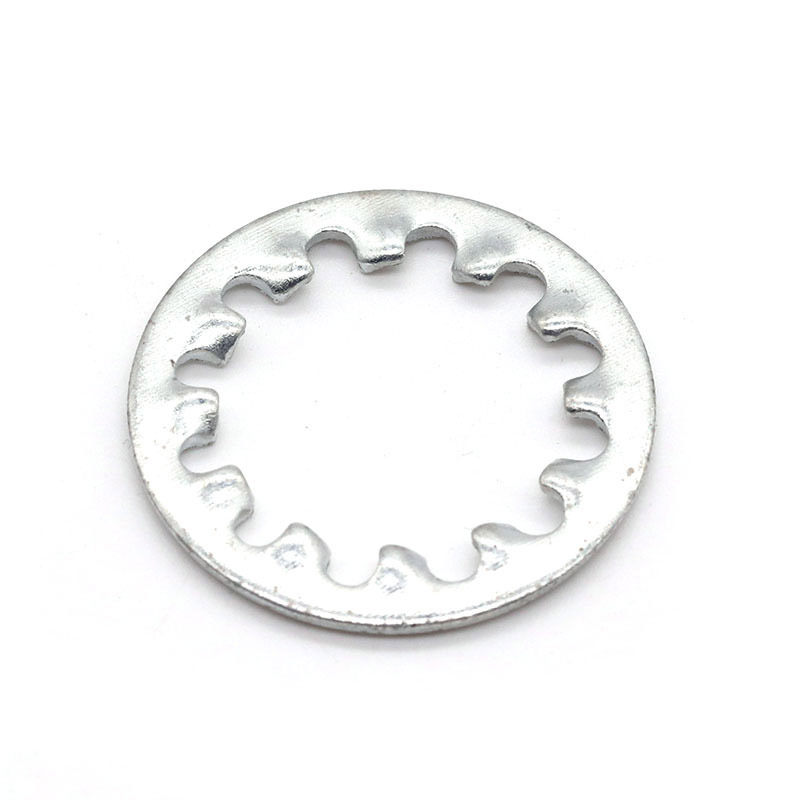
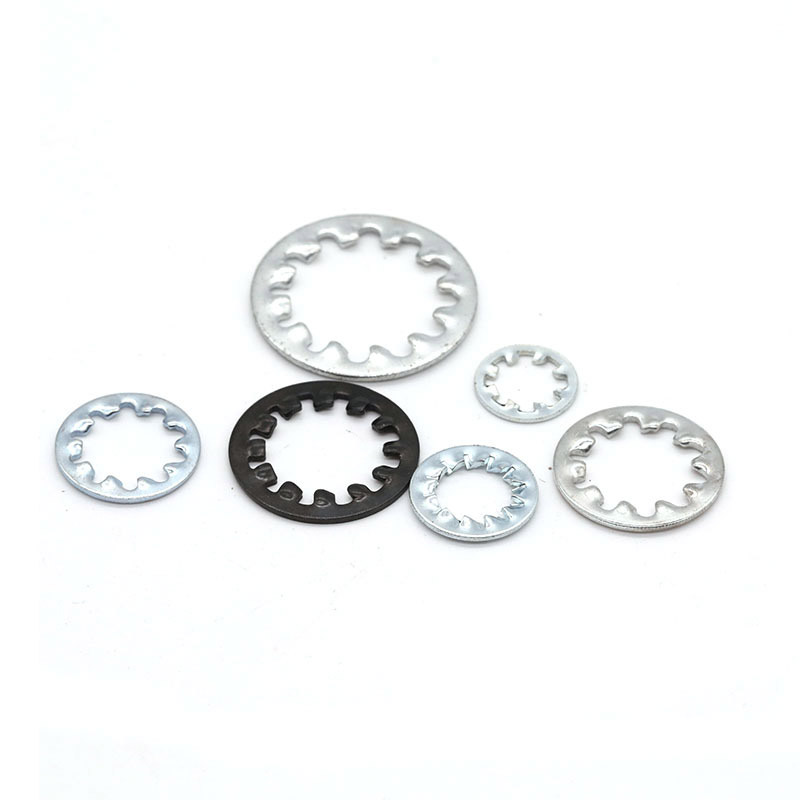
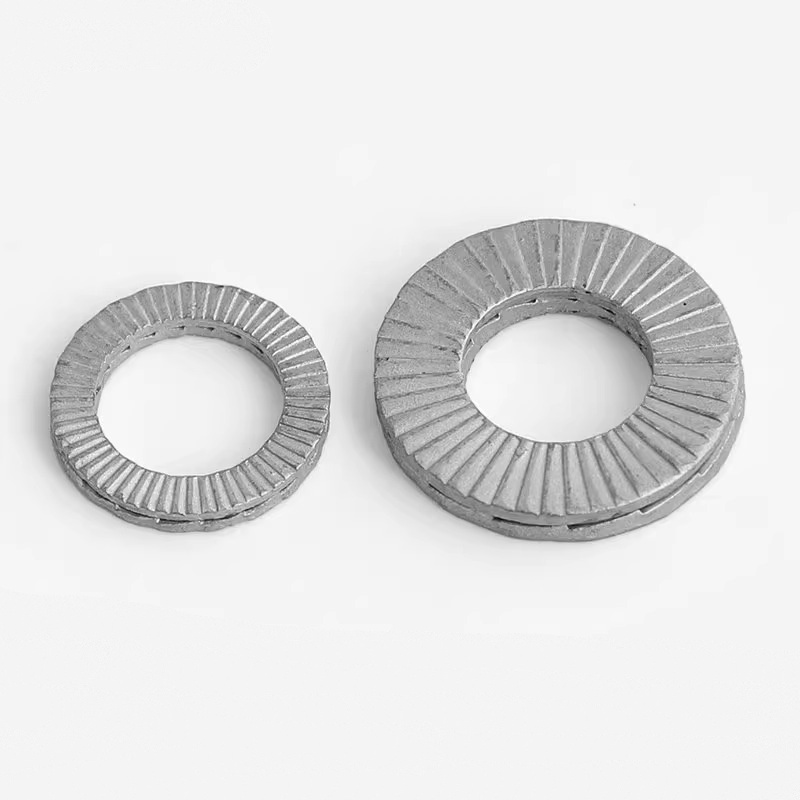
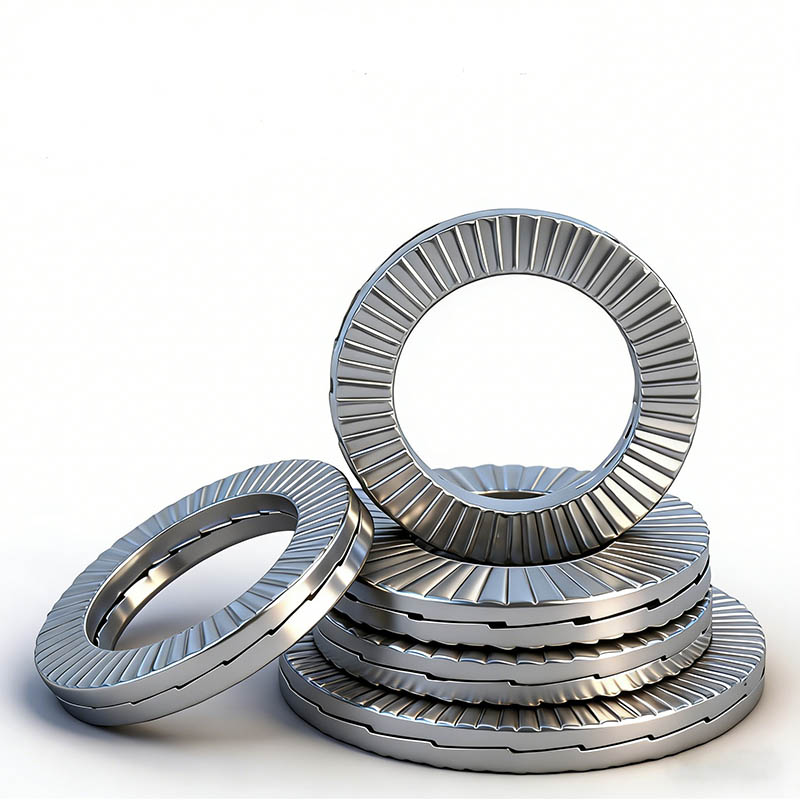
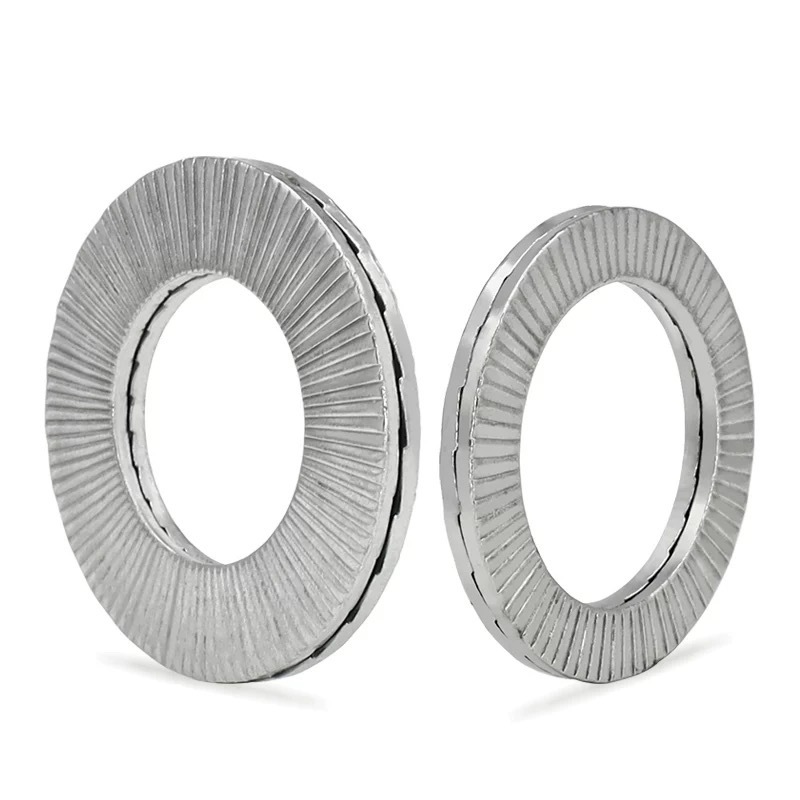
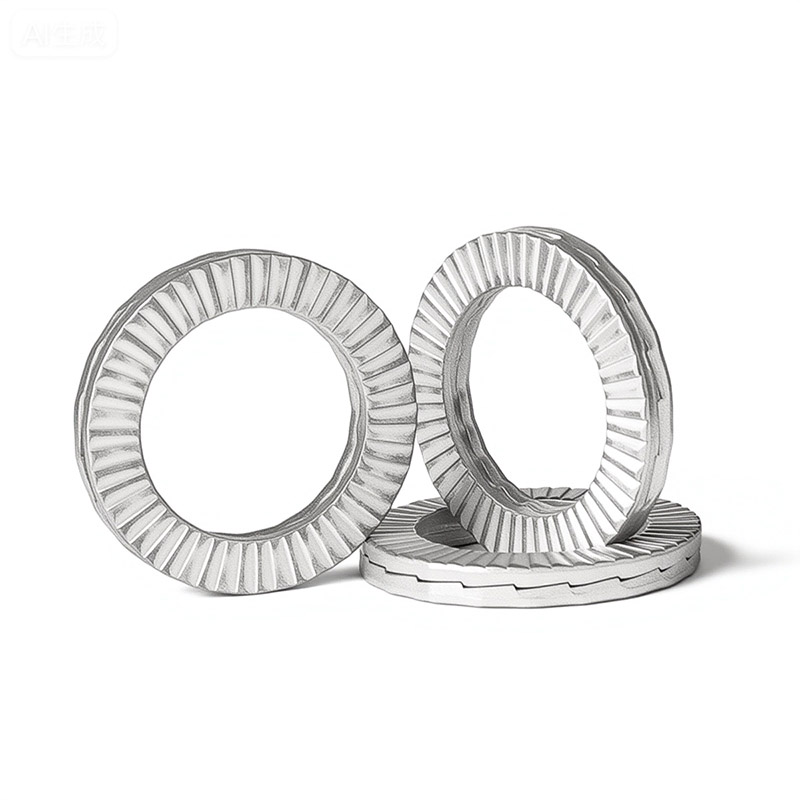
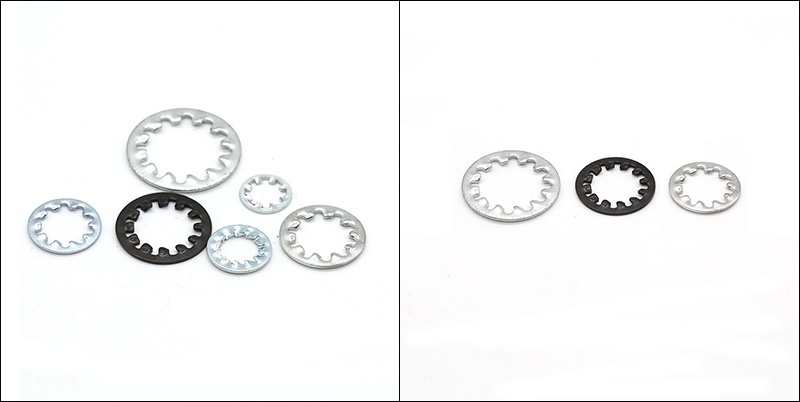
Lock Washers with Teeth Internal
The product inventory of Xiaoguo® includes various-sized serrated Lock Washers with Teeth Internal, such as the standard type AW and the heavy-duty type IOW, which can meet the actual needs of most customers.
Send Inquiry
Product Description
The Lock Washers with Teeth Internal is mainly divided into standard type (Type AW) and heavy type (Type IOW). The core difference between them lies in the depth and strength of the gear shape.
(1)Type AW
Core Feature:Adopting a more densely packed internal gear design to distribute the load
Locking principle:By increasing the number of contact points during the bite, friction is utilized to prevent loosening.
Preferred Materials:Conventional carbon steel or economical stainless steel (such as SUS304)
Load-bearing capacity:Suitable for medium and low load, lightweight fixation
Cost:Economical type
Typical application:The Type AW Lock Washers with Teeth Internal are suitable for electronic circuits, PCB boards, household appliances, instrument panels and other light-load devices.
(2)Type IOW
Core Feature:The teeth are deeper, sharper and thicker, with greater biting force.
Locking principle: By using the tooth tips to "grasp and bite" the metal surface, mechanical locking force is generated.
Material:Made of 65Mn spring steel, hardness HRC 39-50
Load Performance:Suited for working environments with heavy load and severe vibration
Cost Feature:Great value for reliable performance
Application:IOW Lock Washers with Teeth Internal are ideal for heavy-duty parts. Widely used on automotive chassis and engines, industrial machinery, and construction lifting equipment.
Simply put, which one to pick between standard AW and heavy‑duty IOW mainly comes down to the working stress on the bolts.For light load uses like electronics and household appliances, the regular AW type is enough and more budget-friendly.
For situations with strong vibration or impact, such as cars and large industrial machines, go with the IOW heavy-duty type to keep the bolt joints secured.
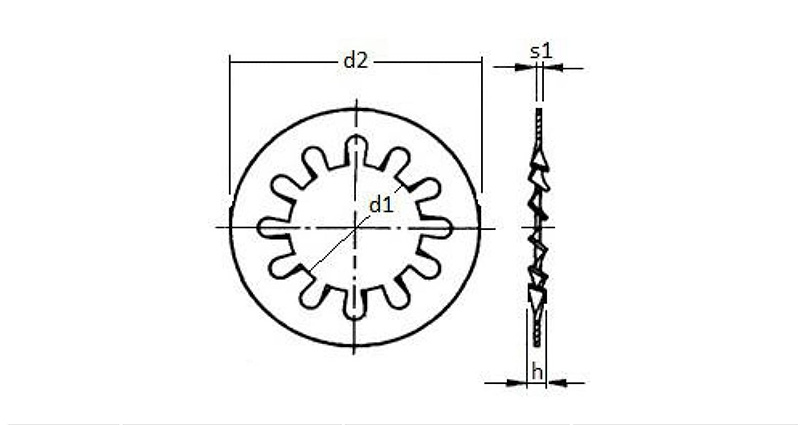
| M2 | 2.2 | 2.34 | 4.20 | 4.5 | 0.28 | 0.32 |
| M2.5 | 2.7 | 2.84 | 5.20 | 5.5 | 0.37 | 0.43 |
| M3 | 3.2 | 3.38 | 5.70 | 6.0 | 0.37 | 0.43 |
| M3.5 | 3.7 | 3.88 | 6.64 | 7.0 | 0.47 | 0.53 |
| M4 | 4.3 | 4.48 | 7.64 | 8.0 | 0.47 | 0.53 |
| M5 | 5.3 | 5.48 | 9.64 | 10.0 | 0.57 | 0.63 |
| M6 | 6.4 | 6.62 | 10.57 | 11.0 | 0.67 | 0.73 |
| M7 | 7.4 | 7.62 | 12.07 | 12.5 | 0.77 | 0.83 |
| M8 | 8.4 | 8.62 | 14.57 | 15.0 | 0.77 | 0.83 |
| M10 | 10.5 | 10.77 | 17.57 | 18.0 | 0.87 | 0.93 |
| M12 | 13.0 | 13.27 | 19.98 | 20.5 | 0.96 | 1.04 |
| M14 | 15.0 | 15.27 | 23.48 | 24.0 | 0.96 | 1.04 |
| M16 | 17.0 | 17.27 | 25.48 | 26.0 | 1.16 | 1.24 |
| M18 | 19.0 | 19.33 | 29.48 | 30.0 | 1.36 | 1.44 |
| M20 | 21.0 | 21.33 | 32.38 | 33.0 | 1.36 | 1.44 |
| M24 | 25.0 | 25.33 | 37.38 | 38.0 | 1.45 | 1.55 |
| Informtion and drawing Provided are reference only | ||||||
You may want to know
(1)Which style should I use for automotive engine installations?
We suggest going with IOW internal tooth lock washers. They work great at stopping screws from coming loose.
(2)Do you have stainless steel versions for both styles?
Sure. Both AW and IOW types can be supplied in stainless steel, like A2/304 and A4/316 grade.
(3)What’s the hardness difference between IOW and AW types?
Carbon steel AW standard washers usually have a hardness of HRC 35-45.The heavy-duty IOW carbon steel version is harder, with hardness generally from HRC 42 to 50.
Hot Tags: Lock Washers with Teeth Internal, China, Manufacturer, Supplier, Factory
Related Category
Send Inquiry
Please Feel free to give your inquiry in the form below. We will reply you in 24 hours.