- English
- Español
- Português
- русский
- Français
- 日本語
- Deutsch
- tiếng Việt
- Italiano
- Nederlands
- ภาษาไทย
- Polski
- 한국어
- Svenska
- magyar
- Malay
- বাংলা ভাষার
- Dansk
- Suomi
- हिन्दी
- Pilipino
- Türkçe
- Gaeilge
- العربية
- Indonesia
- Norsk
- تمل
- český
- ελληνικά
- український
- Javanese
- فارسی
- தமிழ்
- తెలుగు
- नेपाली
- Burmese
- български
- ລາວ
- Latine
- Қазақша
- Euskal
- Azərbaycan
- Slovenský jazyk
- Македонски
- Lietuvos
- Eesti Keel
- Română
- Slovenski
- मराठी
- Srpski језик

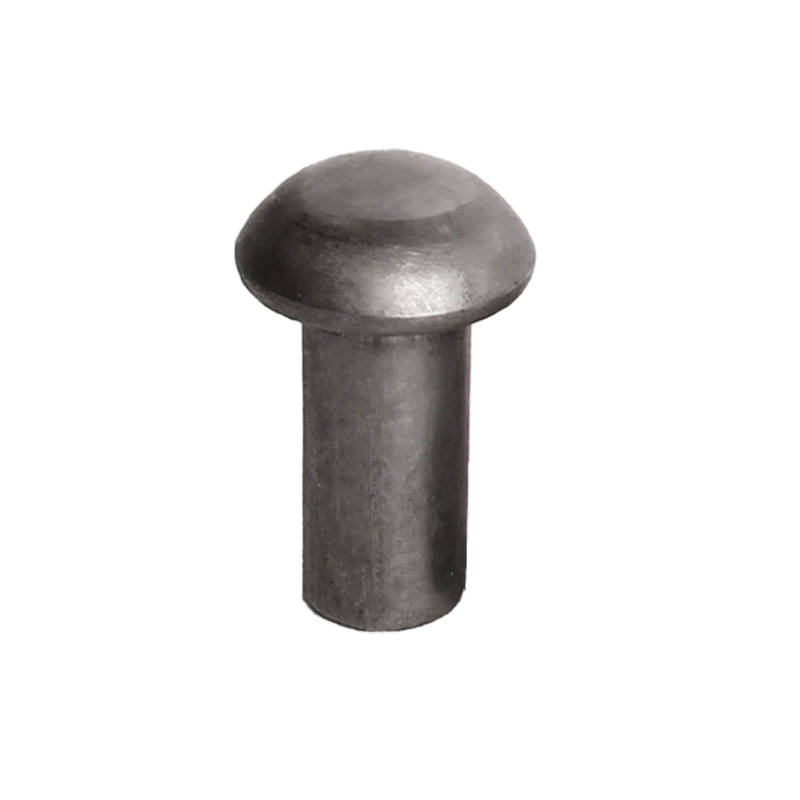
Automotive Grade Button Head Rivets
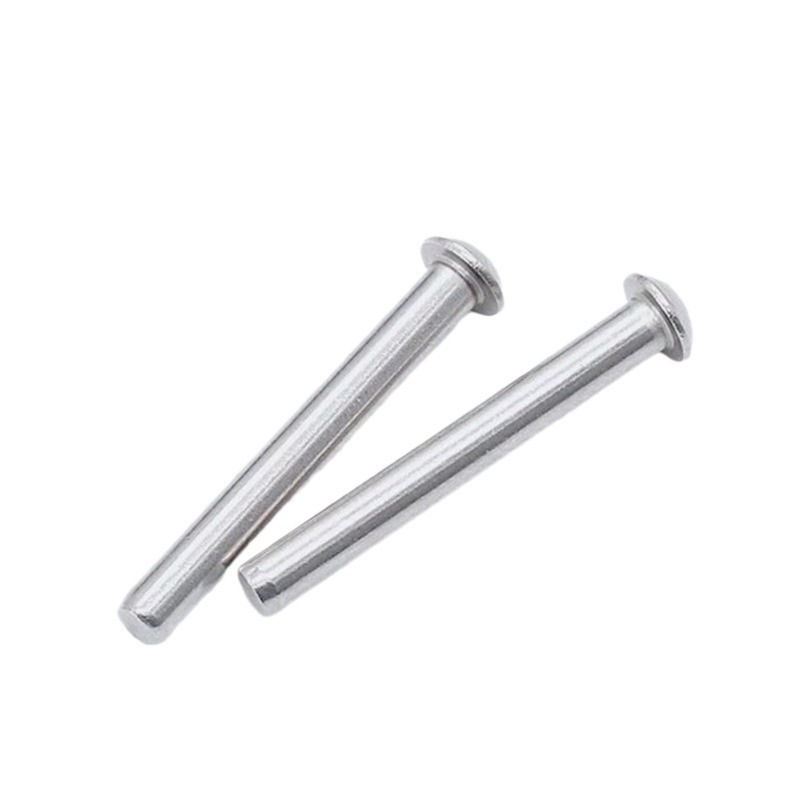
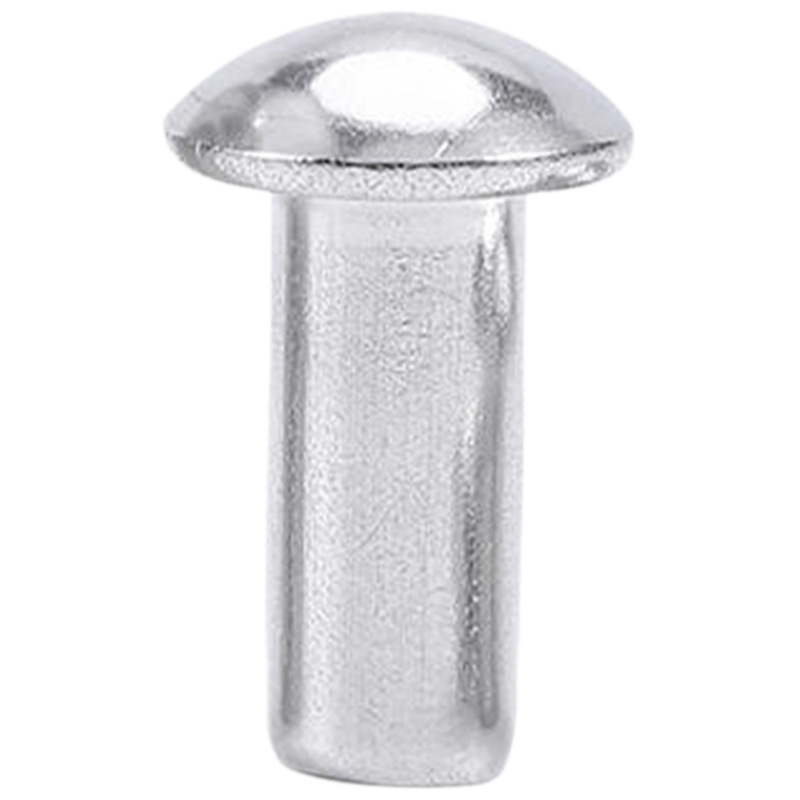
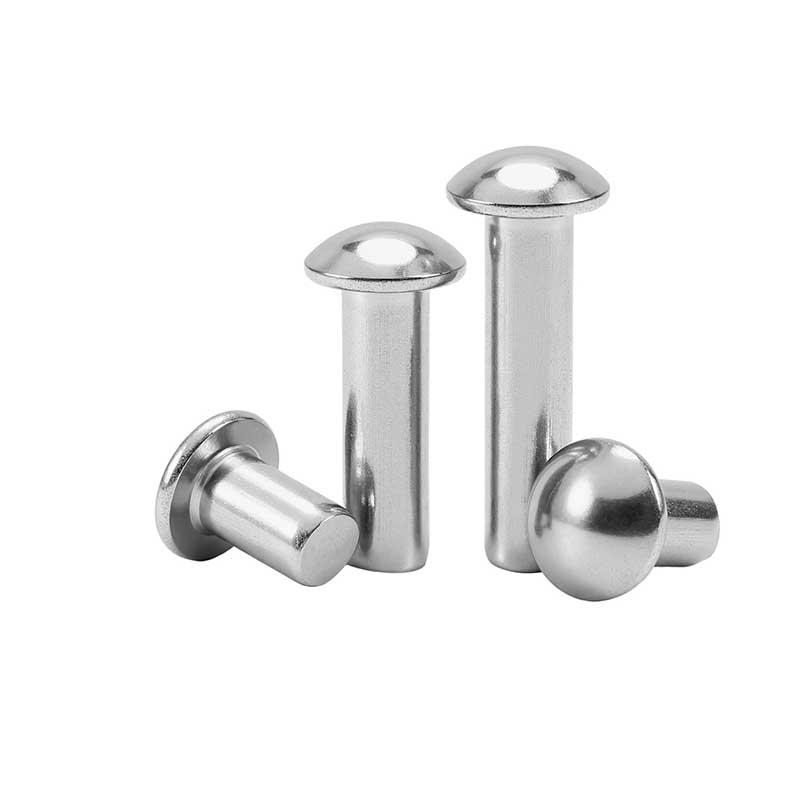
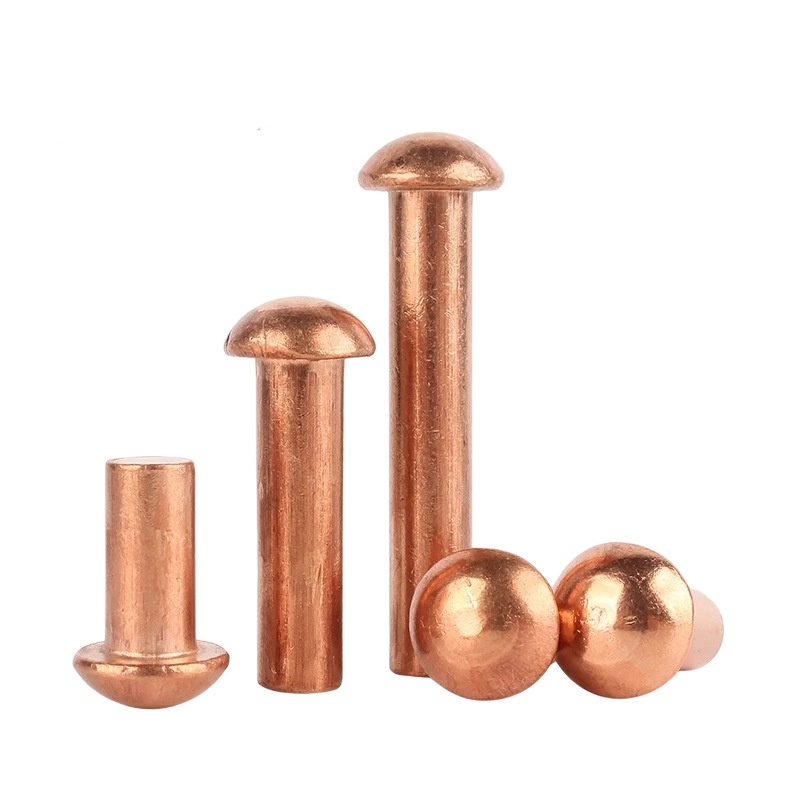
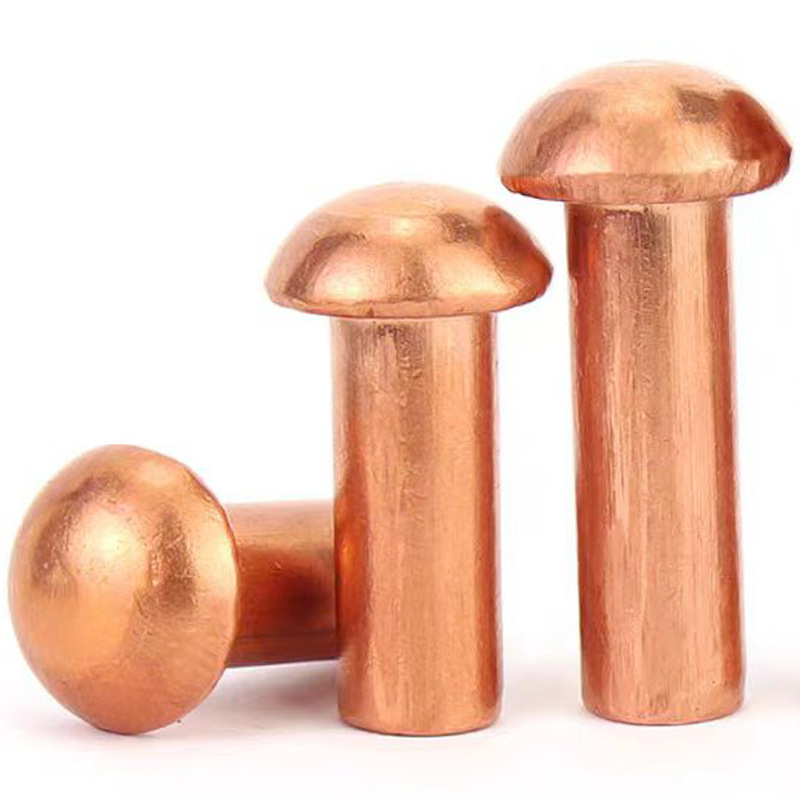
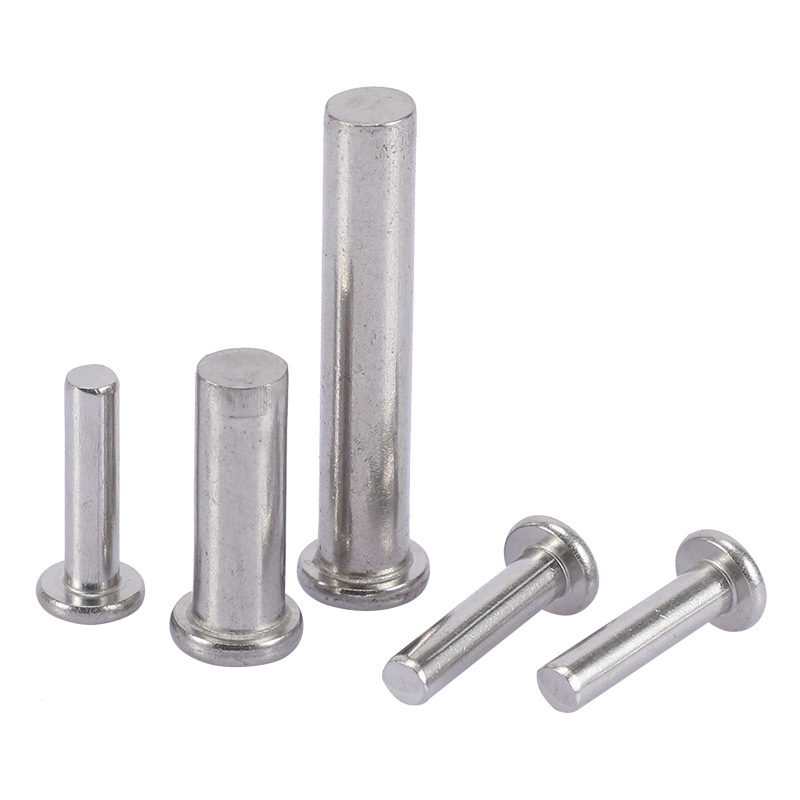
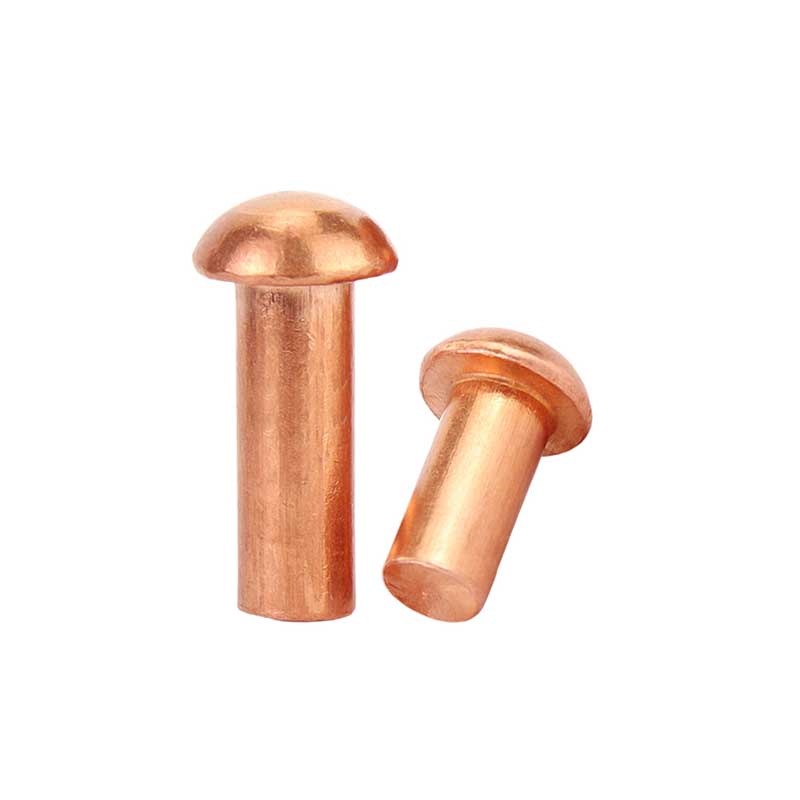
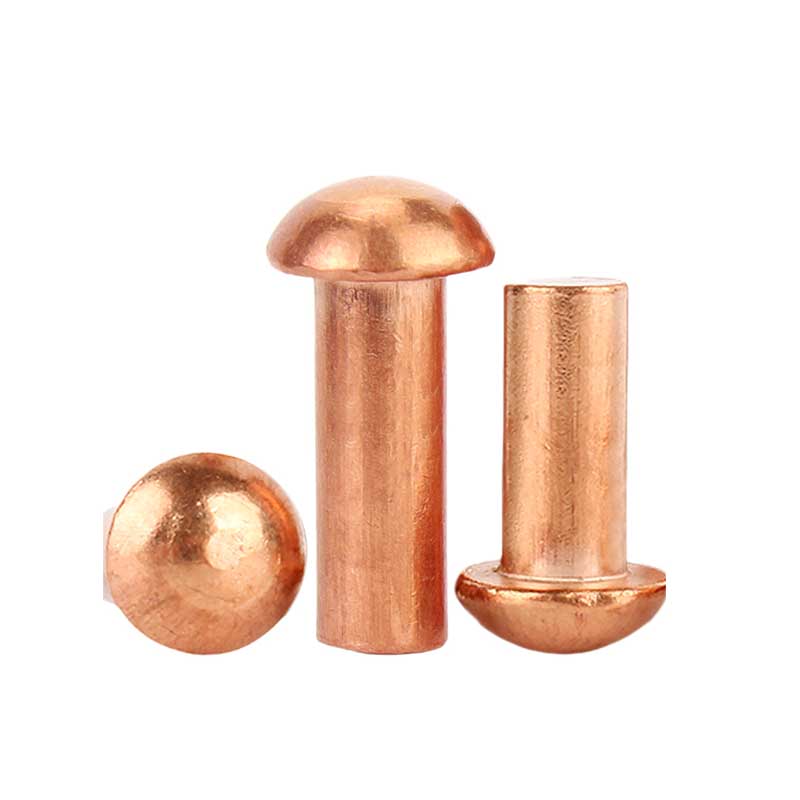
Xiaoguo® supplies Automotive grade Button head rivets – carbon steel, stainless, copper, or aluminum. To make them last longer: match the material to your environment and keep the hole size right. We are here as your reliable supplier to help you with any questions.
Send Inquiry
Product Description
To extend the life of Xiaoguo® Automotive Grade Button Head Rivets, optimize your procurement and installation process. When purchasing in bulk, select materials suited for the environment, and buy stainless steel for outdoor use. Ensure pre-drilled holes are 0.1–0.2mm larger than the rivet diameter to avoid loosening or scratching, and keep the extension length at 1.0–1.5 times the rod diameter. Apply anti-rust paint annually to carbon steel types, and do not overload them; order larger sizes or switch to bolts if deformation occurs. Choose Xiaoguo for high-quality wholesale fasteners.
The aperture size must be accurate.
If the diameter of the pre-drilled holes is too large, the rivets will shake and eventually loosen due to long-term vibration; if the hole diameter is too small, the rivets will be forced in and the rod part will be scratched, which is prone to rusting.
The correct approach: The hole diameter should be 0.1–0.2 mm larger than the rivet rod diameter to ensure a smooth hole wall.
The extension length should be just right.
The length by which the rivet rod extends beyond the surface of the workpiece should be 1.0–1.5 times the diameter of the rod.
Either too long or too short will affect the performance.
Material matching the environment
The prerequisite for choosing a material is based on the actual usage environment
Apply anti-rust coating
Carbon steel galvanized rivets are prone to rust spots outdoors. It is recommended to use a brush to dip in anti-rust paint or cold galvanizing spray and gently brush a circle on the flat head surface and the edge of the head every year.
Avoid overloading
Automotive grade Button head rivets are not designed to withstand heavy pulling forces and impacts.If you find that the connection area frequently deforms or the rivet heads are pulled down, you should replace it with bolts or use rivets of a larger diameter.
Material Introduction
The commonly used materials for Automotive grade Button head rivets include carbon steel, stainless steel, copper and aluminum.
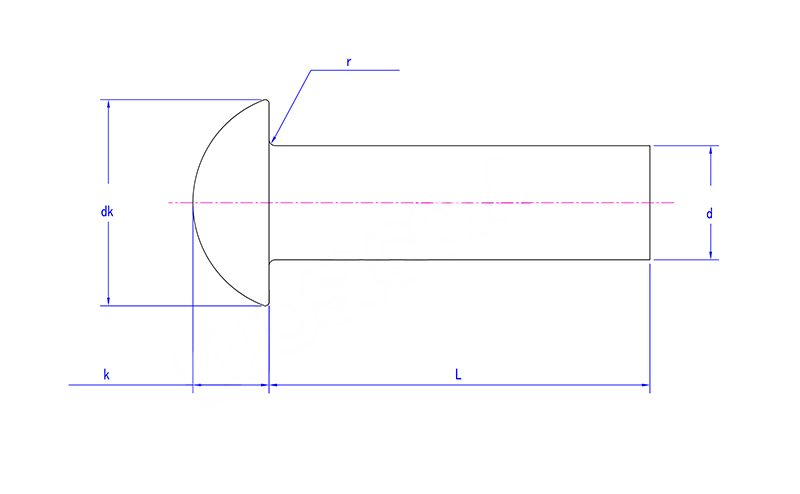
| Mon | Φ12 | Φ14 | Φ16 | Φ18 | Φ20 | Φ22 | Φ24 | Φ27 | Φ30 | Φ36 |
| d max | 12.3 | 14.3 | 16.3 | 18.3 | 20.35 | 22.35 | 24.35 | 27.35 | 30.35 | 36.4 |
| d min | 11.7 | 13.7 | 15.7 | 17.7 | 19.65 | 21.65 | 23.65 | 26.65 | 29.65 | 35.6 |
| dk max | 22 | 25 | 30 | 33.4 | 36.4 | 40.4 | 44.4 | 49.4 | 54.8 | 63.8 |
| dk min | 20 | 23 | 28 | 30.6 | 33.6 | 37.6 | 41.6 | 46.6 | 51.2 | 60.2 |
| k max | 8.5 | 9.5 | 10.5 | 13.3 | 14.8 | 16.3 | 17.8 | 20.2 | 22.2 | 26.2 |
| k min | 7.5 | 8.5 | 9.5 | 11.7 | 13.2 | 11.7 | 16.2 | 17.8 | 19.8 | 23.8 |
| r max | 0.5 | 0.5 | 0.5 | 0.5 | 0.8 | 0.8 | 0.8 | 0.8 | 0.8 | 0.8 |
Carbon steel
It is the most commonly used and cost-effective material.
Performance: Tensile strength ranges from 350 to 550 MPa. The hardness is relatively low, making it easy for riveting. Surface hardening can be applied to enhance wear resistance.
Surface treatment must be carried out; otherwise, it will rust over time.
Applicable scenarios: Indoor dry environments, such as toolboxes, metal cabinets, and mechanical equipment enclosures.
Stainless steel
The commonly used ones are 304 and 316.
Performance: Tensile strength is approximately 500–700 MPa, with moderate hardness. Riveting requires considerable force. The stainless steel material is corrosion-resistant.
No surface treatment is required; it is simply a natural passivation.
Applicable scenarios: 304Automotive grade Button head rivets is suitable for general humid environments, outdoor facilities, and kitchen equipment; 316 is suitable for coastal areas, chemical plants, and ships.
Copper
Key words: Conductive, Decorative, Corrosion-resistant
Material: Brass (H62, H68), Copper (T2).
Performance: The tensile strength of brass is approximately 300–400 MPa, and that of copper is about 200–250 MPa. Copper itself is corrosion-resistant, and its surface can be polished or nickel-plated.
Applicable scenarios: Decorative riveting, leather goods, luggage, lighting fixtures, electrical connections, explosion-proof environments (no spark generation).
Aluminum
Performance: Tensile strength is approximately 100–250 MPa, and the density is only 1/3 that of steel. The surface is prone to oxidation and can be treated with anodizing for coloring.
Applicable scenarios: Aerospace, electronic products, lightweight structures. Not suitable for heavy loads.
Hot Tags: Automotive Grade Button Head Rivets, China, Manufacturer, Supplier, Factory
Related Category
Solid Rivet
Hollow And Semi-Hollow Rivet Screws
Cored Rivet
Pull Riveted Nuts And Screws
Riveted Nuts And Screws
Plastic Rivet
Send Inquiry
Please Feel free to give your inquiry in the form below. We will reply you in 24 hours.