- English
- Español
- Português
- русский
- Français
- 日本語
- Deutsch
- tiếng Việt
- Italiano
- Nederlands
- ภาษาไทย
- Polski
- 한국어
- Svenska
- magyar
- Malay
- বাংলা ভাষার
- Dansk
- Suomi
- हिन्दी
- Pilipino
- Türkçe
- Gaeilge
- العربية
- Indonesia
- Norsk
- تمل
- český
- ελληνικά
- український
- Javanese
- فارسی
- தமிழ்
- తెలుగు
- नेपाली
- Burmese
- български
- ລາວ
- Latine
- Қазақша
- Euskal
- Azərbaycan
- Slovenský jazyk
- Македонски
- Lietuvos
- Eesti Keel
- Română
- Slovenski
- मराठी
- Srpski језик


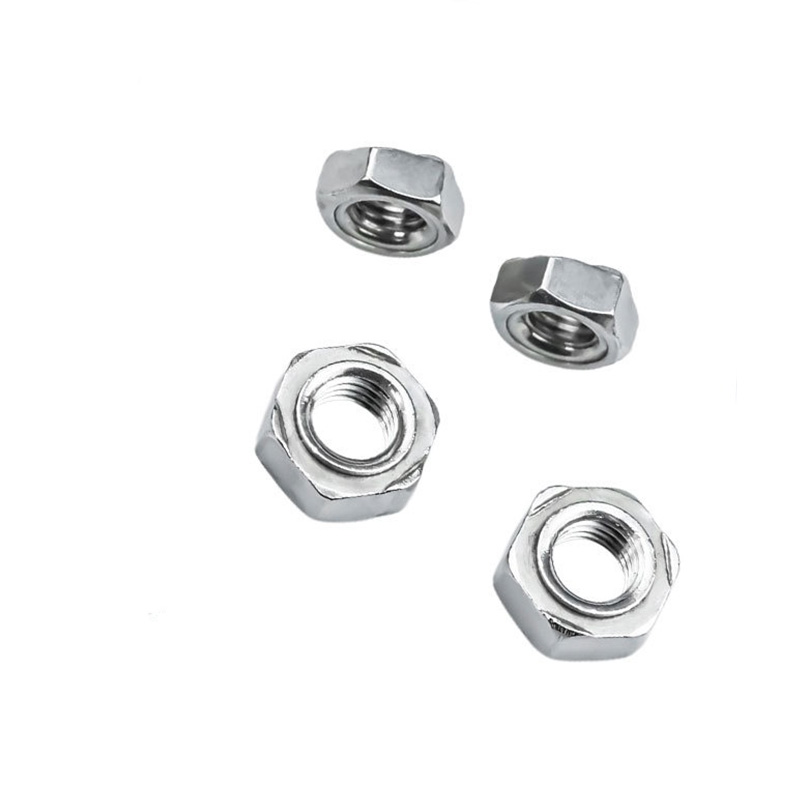
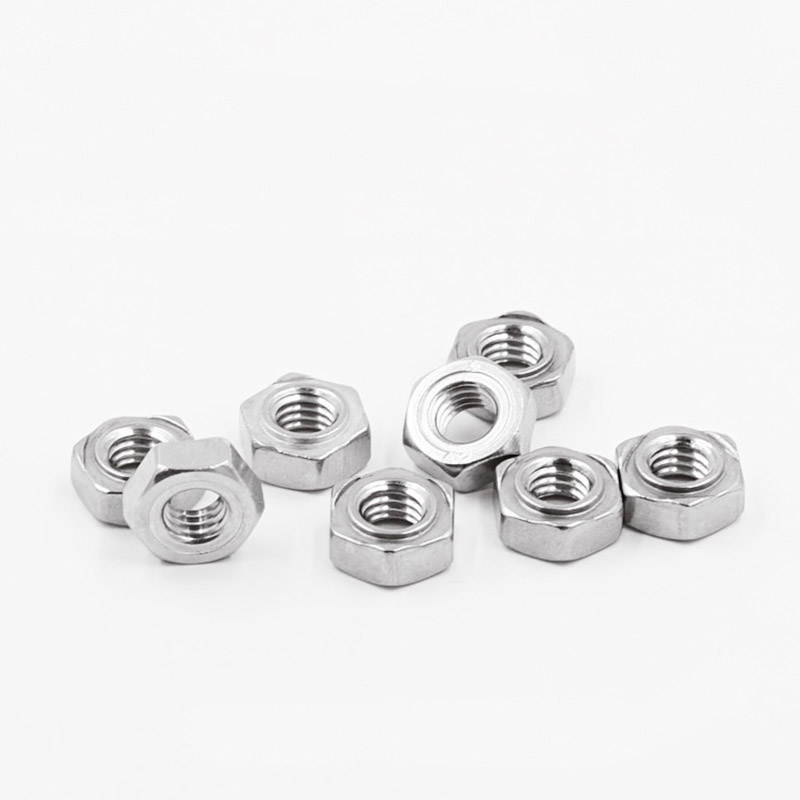
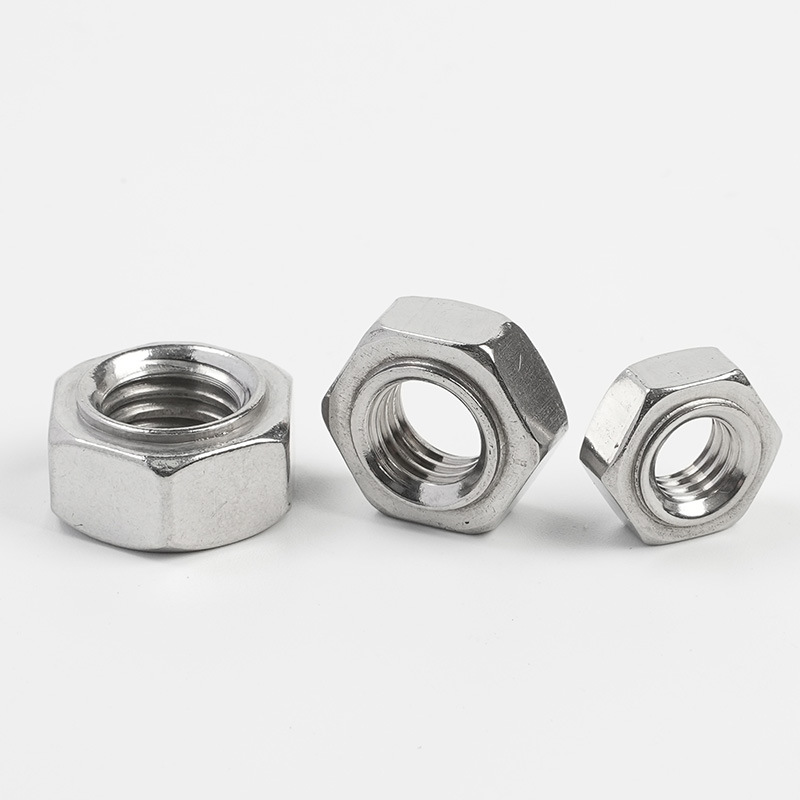
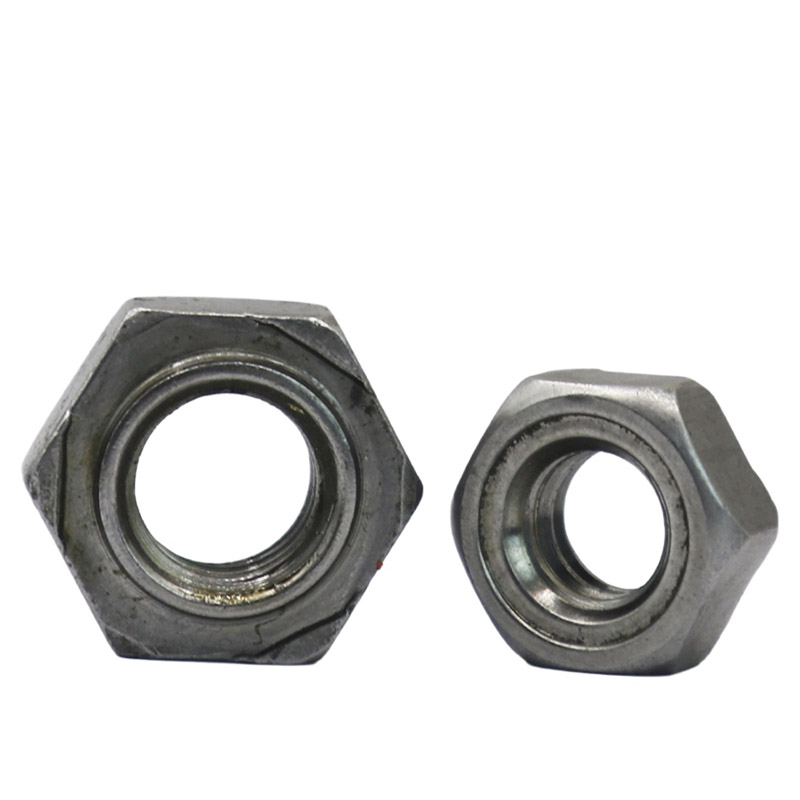
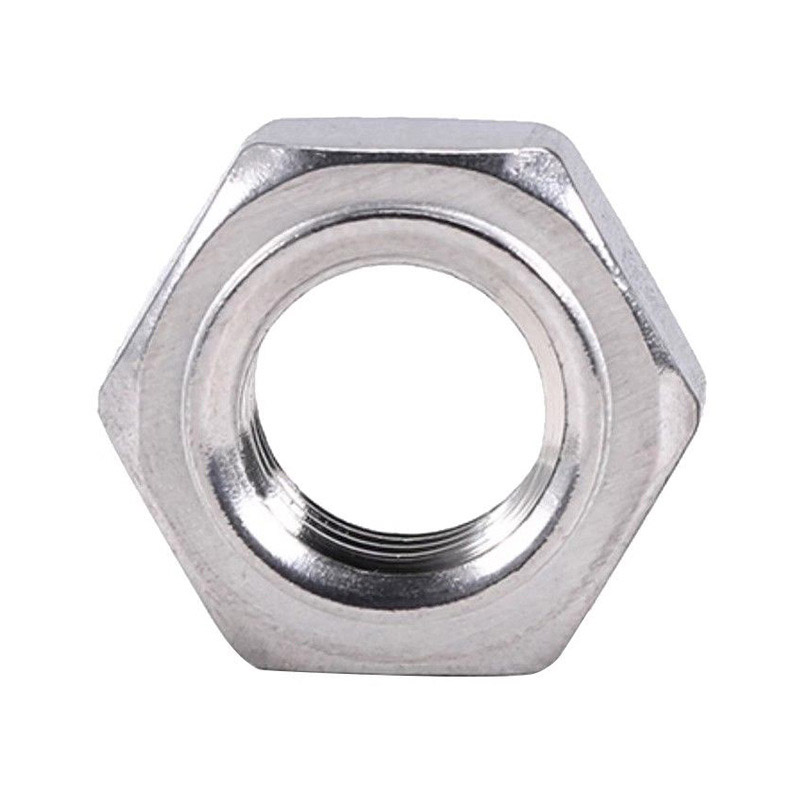
Torque Type Hexagon Thin Nuts
Prevailing torque type hexagon thin nuts follow standards like DIN 980 or ISO 7040. This type of hexagon thin nut has a built-in locking device and requires a specific tightening torque.Every year, Xiaoguo® spends 15% of its budget on research and development of smart fasteners. Our technology includes iot connection tension monitors used in Industry 4.0 setups.
Model:ISO 10511-1997
Send Inquiry
Product Description
To make torque type hexagon thin nuts last longer, they get surface treatments like zinc plating (either dipped in molten zinc or electroplated) to prevent rust. Phosphate coatings help them grip better and let paint stick. Special coatings like Dacromet® work in really harsh conditions. Stainless steel nuts get passivated to strengthen their oxide layers. Coatings like Geomet® or Delta-Tone® add lubrication and protection without messing with the locking mechanism. These treatments keep torque type hexagon thin nuts working in wet, salty, or chemical environments while keeping their shape and function.

Features
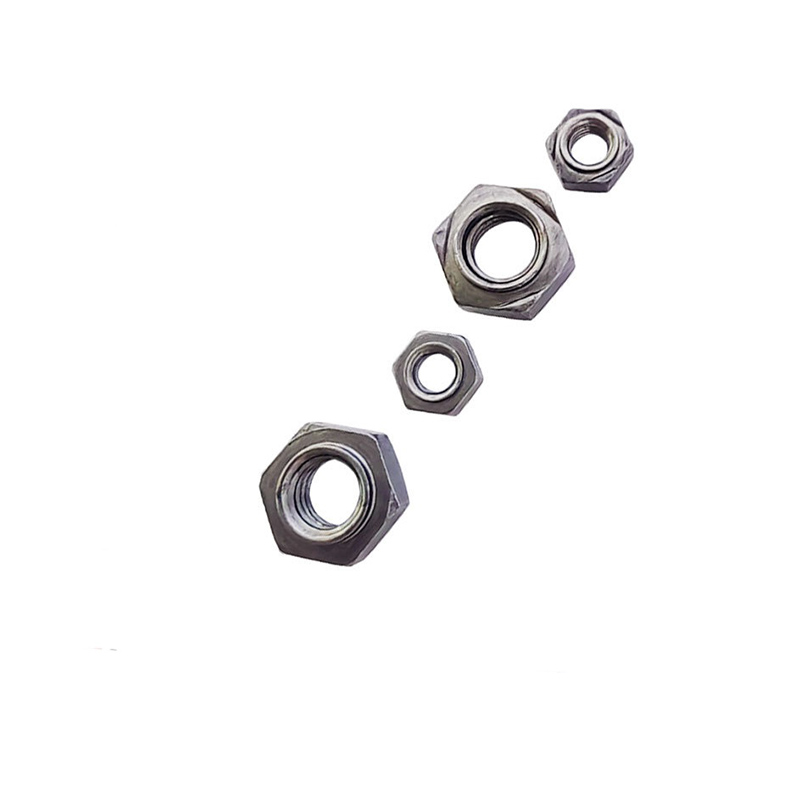
The torque type hexagon thin nuts comes in metric sizes from M4 to M24 and imperial sizes from 1/4 inch to 1 inch. It follows standards like DIN 980, ISO 7040, and ASME B18.2.2. You'll find both fine and coarse threads to work with different bolt setups. This hexagonal thin nut is 30-50% thinner than ordinary hexagonal nuts and is suitable for small spaces.Xiaoguo® manufacturer support customization and can make special sizes or threads like left-hand threads. The dimensions match standard wrenches and automated tools, making installation easier in factories.

FAQ
Q: How does the torque type hexagon thin nuts compare to standard nuts with lock washers?
A:Instead of needing lock washers like regular nuts, the torque type hexagon thin nuts has built-in locking. This cuts down on parts and installation time. Its self-locking design stays tight against vibrations, unlike washers that can loosen over time. The slim shape fits into tight spaces, unlike bulkier washer-nut setups. It also avoids problems like washers shifting or causing corrosion between parts. For industries focused on efficiency and reliability, this nut offers a cheaper, maintenance-free option that works better in high-movement situations.
|
Market |
Total Revenue (%) |
|
North America |
25 |
|
South America |
2 |
|
Eastern Europe |
16 |
|
Southeast Asia |
3 |
|
Africa |
2 |
|
Oceania |
2 |
|
Mid East |
3 |
|
Eastern Asia |
16 |
|
Western Europe |
17 |
|
Central America |
8 |
|
Northern Europe |
1 |
|
Southern Europe |
3 |
|
South Asia |
7 |
|
Domestic Market |
8 |
Product Uses
These fasteners are widely used in many common industrial and mechanical assembly situations where space is limited and a low-profile fastening solution is needed. They work well in general machinery, electrical cabinets, automotive parts, sheet metal assemblies, and household equipment. They help hold components together firmly under normal working conditions, including situations with regular vibration and repeated stress. They fit into standard assembly processes and can be used with matching bolts in production lines, maintenance work, and on-site installation. They are designed to provide stable clamping force without taking too much vertical space, making them suitable for thin materials and compact structures. Most standard manufacturing and assembly environments can use them directly without special tools or complicated preparation. They help keep parts secured over time and support consistent performance in daily production and equipment operation.
Product quality assurance
Every batch is produced according to established industrial standards, with consistent dimensions and thread forming to ensure good fit and stable performance. Each piece goes through basic inspection processes, including size checking, thread testing, and hardness verification, to meet normal usage requirements. Material selection follows common industry specifications to ensure reliable strength and durability in regular working environments. We control production stability through standardized processing and fixed production procedures, reducing variations between batches. Defective products are screened out during production and before packaging to minimize issues in actual use. We also maintain stable supply and consistent quality over long-term cooperation, supporting customers with reliable fastening parts that perform as expected in real working conditions.
Hot Tags: Torque Type Hexagon Thin Nuts, China, Manufacturer, Supplier, Factory
Related Category
Hexagon Nut
Square Nut
Hexagon Flange Nut
Lock Nut
Cap Nut
Hexagon Slotted Nut
Hand Screw The Nut
Round Nut
Hubs Nuts
T-nut
Reed Nut
Other Nuts
Send Inquiry
Please Feel free to give your inquiry in the form below. We will reply you in 24 hours.