- English
- Español
- Português
- русский
- Français
- 日本語
- Deutsch
- tiếng Việt
- Italiano
- Nederlands
- ภาษาไทย
- Polski
- 한국어
- Svenska
- magyar
- Malay
- বাংলা ভাষার
- Dansk
- Suomi
- हिन्दी
- Pilipino
- Türkçe
- Gaeilge
- العربية
- Indonesia
- Norsk
- تمل
- český
- ελληνικά
- український
- Javanese
- فارسی
- தமிழ்
- తెలుగు
- नेपाली
- Burmese
- български
- ລາວ
- Latine
- Қазақша
- Euskal
- Azərbaycan
- Slovenský jazyk
- Македонски
- Lietuvos
- Eesti Keel
- Română
- Slovenski
- मराठी
- Srpski језик

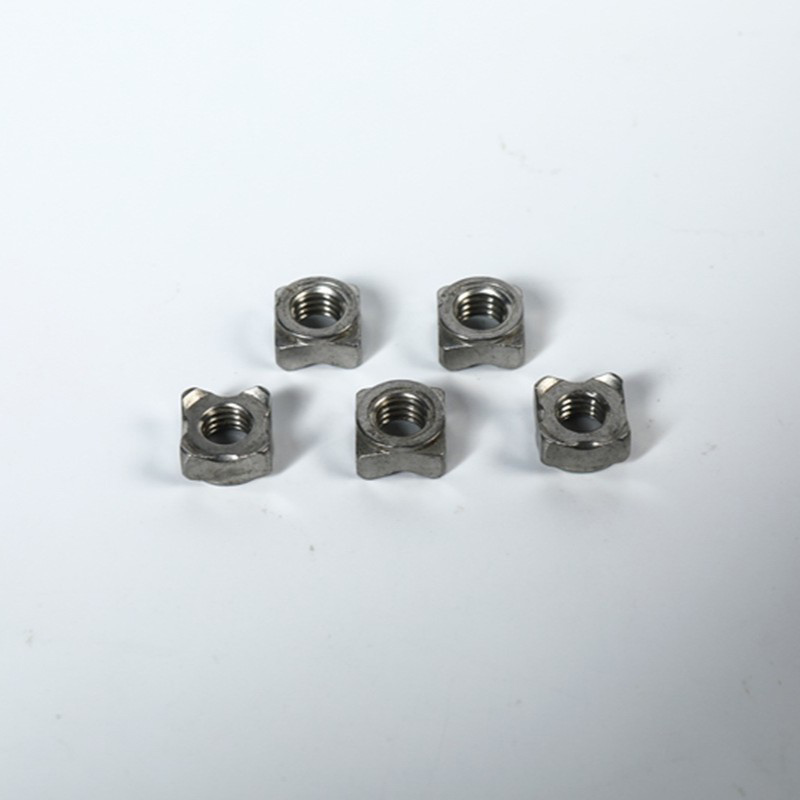
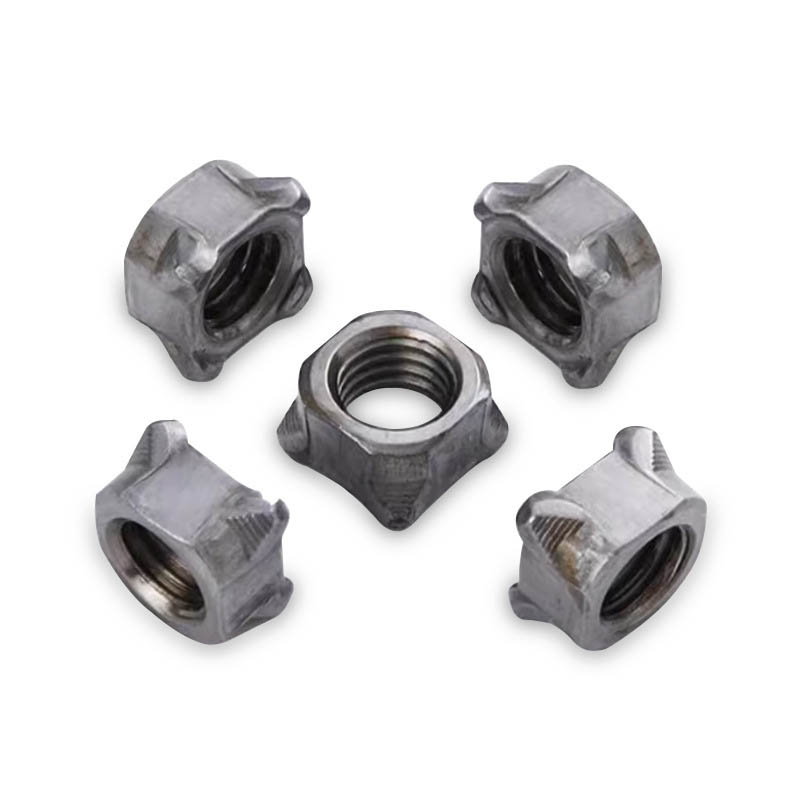
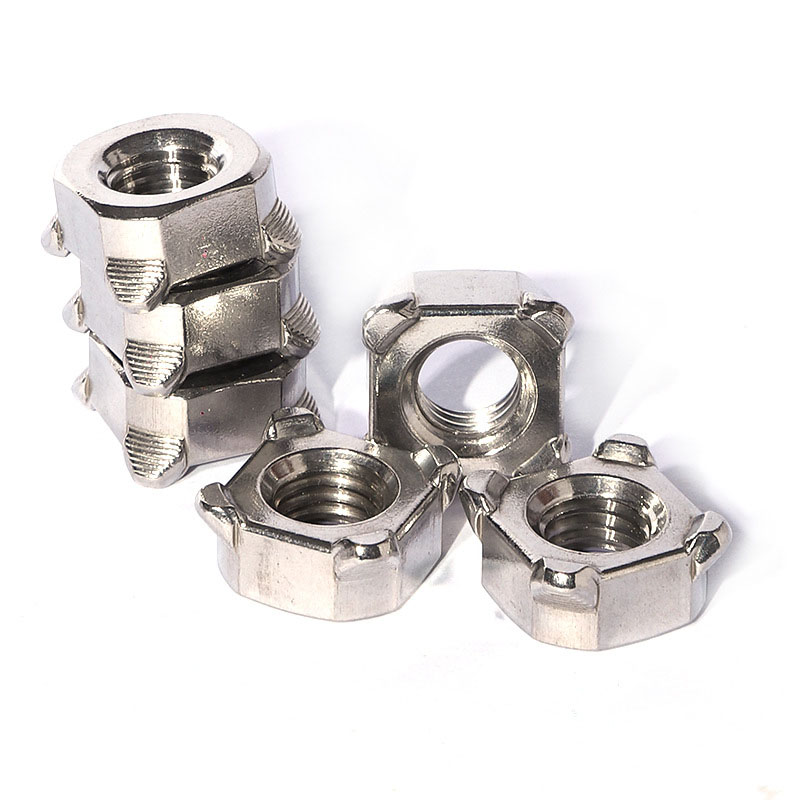
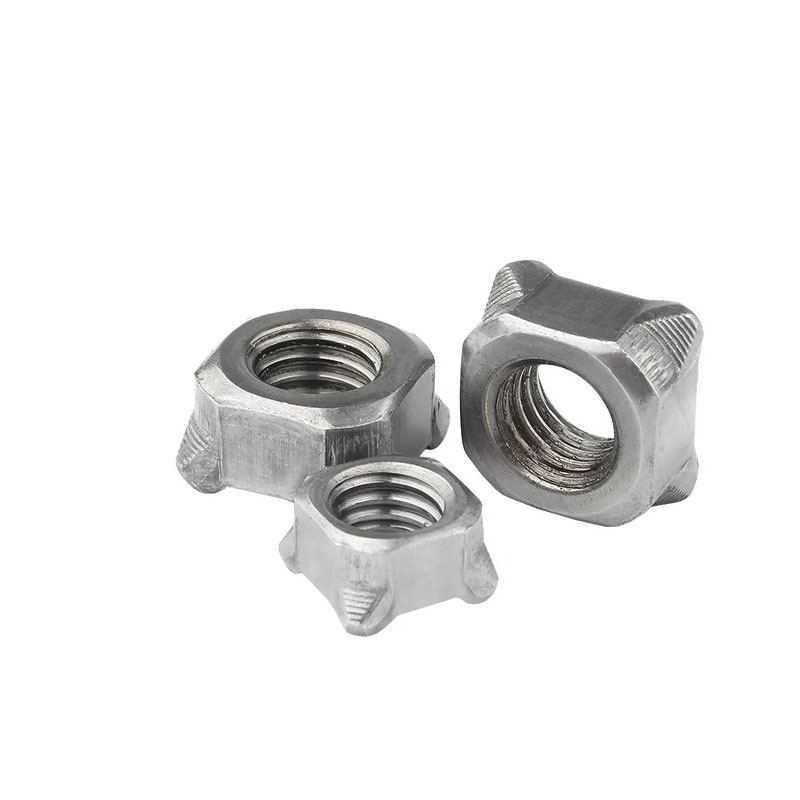
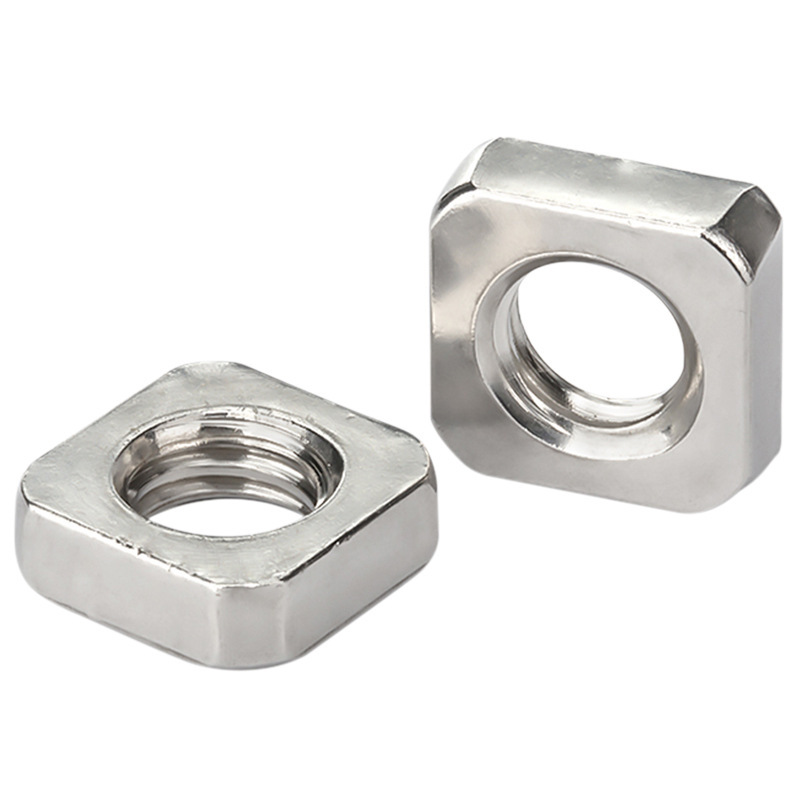
Thin Square Nuts
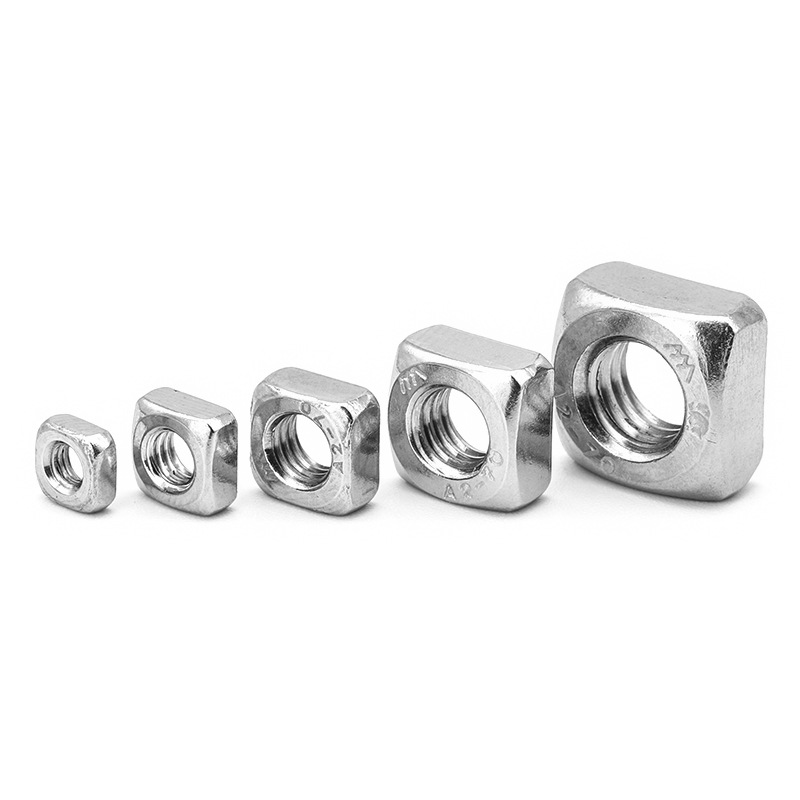
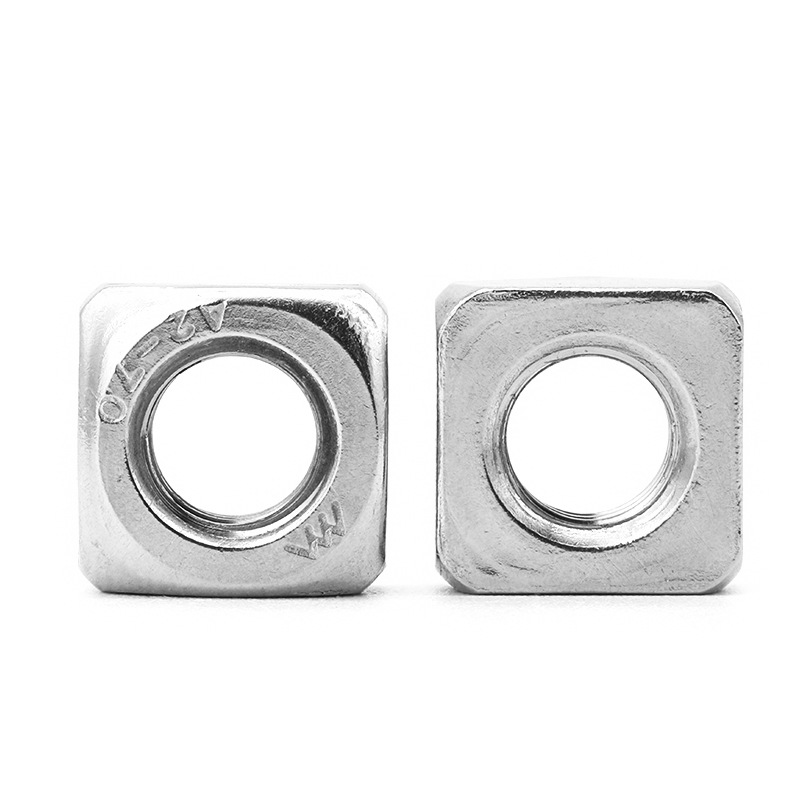
China professional supplier Xiaoguo® Thin Square Nuts have a low design and fit narrow spaces where standard nuts don’t work. They stay tight and provide steady clamping force in mechanical assembly and equipment maintenance. We offer custom thin square nuts with different threads, materials and surface finishes to meet your actual needs. Strict size control makes sure they fit consistently, good for bulk orders in machinery, furniture and construction.
Send Inquiry
Product Description
Support for product sample testing
Thin Square Nuts samples first go through standard size checks, including thread fit, outer width, and thickness, to make sure they meet your specs and fit well with matching bolts.
(1)Basic test
We test thread smoothness to avoid jamming during assembly, and check hardness to stop deformation during installation and daily use. All tests follow common industrial standards, not strict internal rules that don’t match real working situations.We provide full sample testing support for bulk order checks, with no extra hidden fees for basic test items.
(2)Sample transportation and related picture and text materials
Customers can ask for samples before placing a formal order. We handle small sample shipments quickly; preparation and delivery usually take 3–5 working days.We only do practical, job-related tests to check real product performance, with no unnecessary testing steps.After testing, we give simple, clear test notes with basic data results, no complicated technical terms.We can send photos of testing tools and on-site checks if customers need more proof.
(3)Special requirements met
For customers with special usage needs, we can adjust small test items based on their actual working conditions.We don’t make false test claims; all data comes from real sample checks. This helps customers confirm if the product works for them before placing bulk orders.
Q&A session
Q: Can I get free Thin Square Nuts samples to test quality before placing a bulk order?
A: We don’t provide completely free samples, but we charge a small sample fee. This fee will be fully refunded after you place a formal bulk order.Sample preparation takes 3–5 working days, and you only need to pay for the international shipping cost.Samples are regular standard sizes. We will send real product photos for your confirmation before shipping to make sure they meet your basic assembly needs.
Advantages of product processing technology
(1) Cold heading process
Thin Square Nuts start with cold forging. It’s a basic shaping process that makes the inner structure denser without extra heat treatment. This method avoids warping or thickness issues that can happen with other processes, and keeps flatness and side width within standard tolerance.
(2)Threaded roll pressing
After forging, we use precise thread rolling directly instead of cutting threads one by one. This speeds up production and makes threads fit smoother and last longer. Our production focuses on stable and consistent results, with no extra steps that increase costs or cause uneven quality.
(3)Surface treatment
The final surface treatment is simple and practical, mainly for basic rust prevention. We don’t use extra coating layers that can affect fit. The whole process is direct and efficient, supporting stable mass production. Final products fit assembly needs without extra on-site adjustments.
Hot Tags: Thin Square Nuts, China, Manufacturer, Supplier, Factory
Related Category
Hexagon Nut
Square Nut
Hexagon Flange Nut
Lock Nut
Cap Nut
Hexagon Slotted Nut
Hand Screw The Nut
Round Nut
Hubs Nuts
T-nut
Reed Nut
Other Nuts
Send Inquiry
Please Feel free to give your inquiry in the form below. We will reply you in 24 hours.