- English
- Español
- Português
- русский
- Français
- 日本語
- Deutsch
- tiếng Việt
- Italiano
- Nederlands
- ภาษาไทย
- Polski
- 한국어
- Svenska
- magyar
- Malay
- বাংলা ভাষার
- Dansk
- Suomi
- हिन्दी
- Pilipino
- Türkçe
- Gaeilge
- العربية
- Indonesia
- Norsk
- تمل
- český
- ελληνικά
- український
- Javanese
- فارسی
- தமிழ்
- తెలుగు
- नेपाली
- Burmese
- български
- ລາວ
- Latine
- Қазақша
- Euskal
- Azərbaycan
- Slovenský jazyk
- Македонски
- Lietuvos
- Eesti Keel
- Română
- Slovenski
- मराठी
- Srpski језик

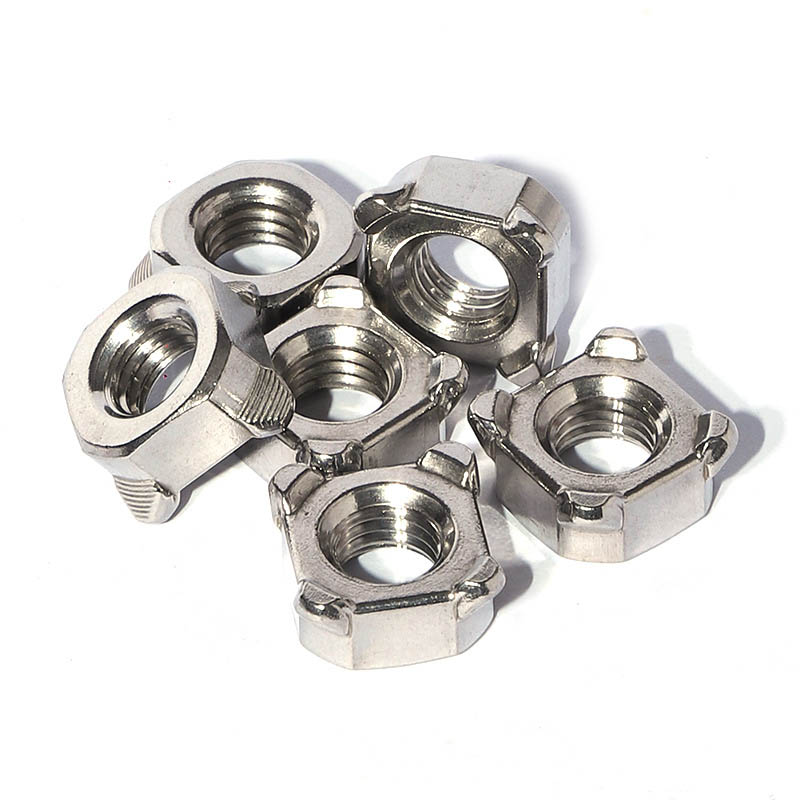
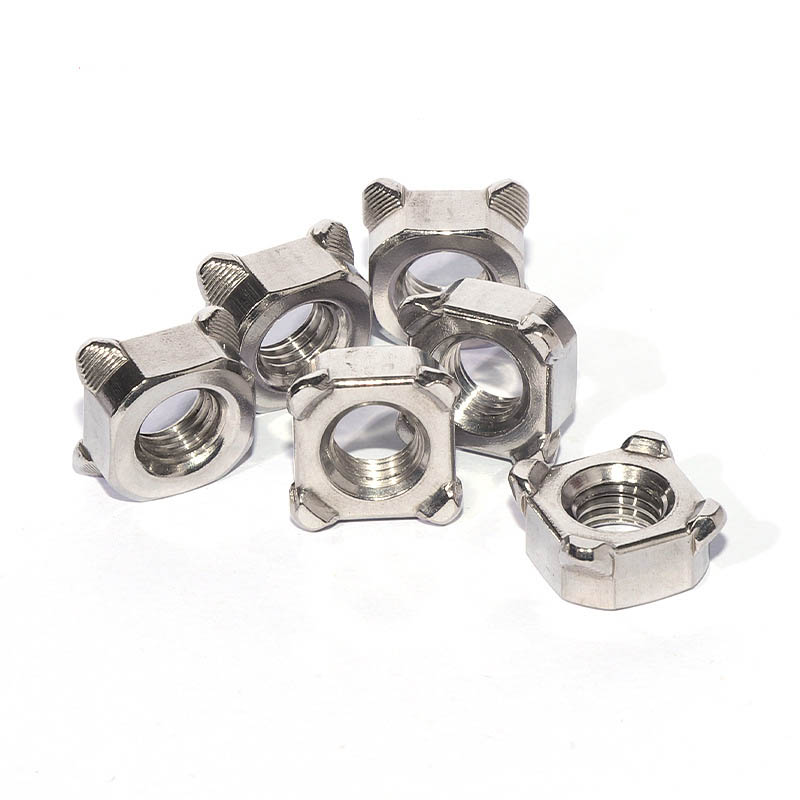
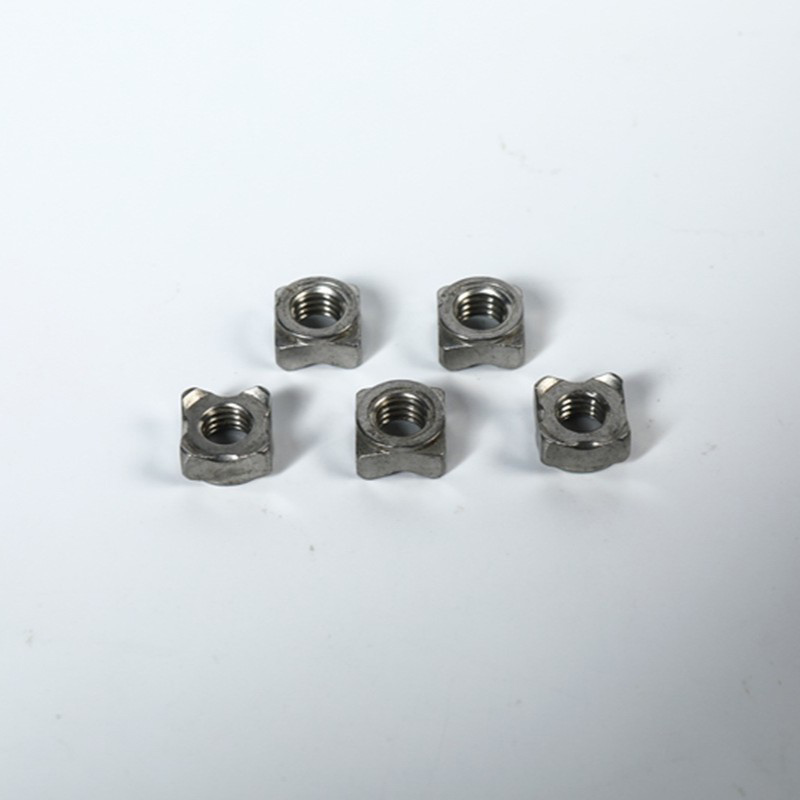
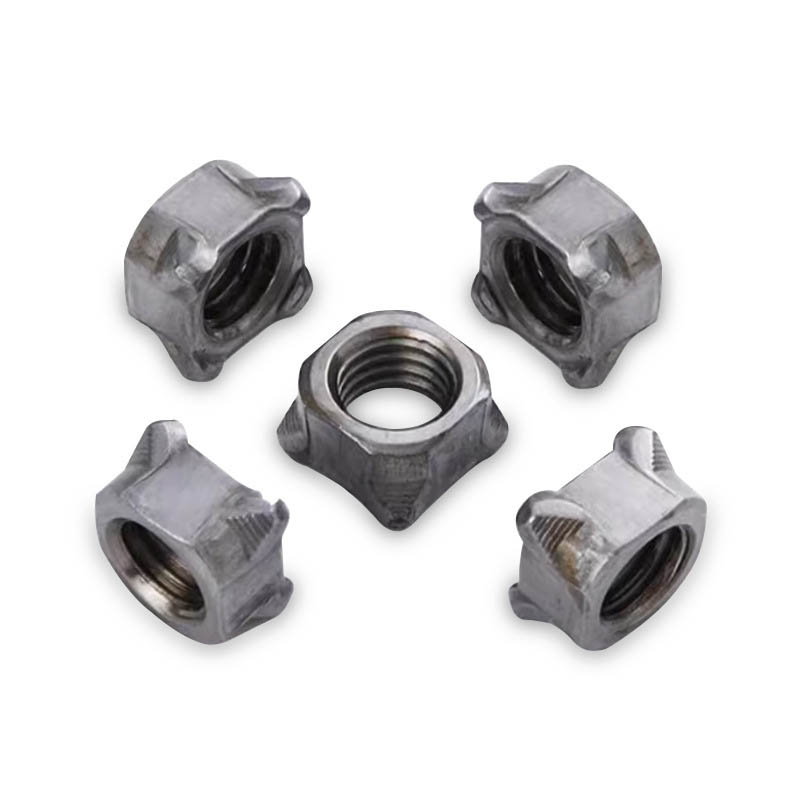
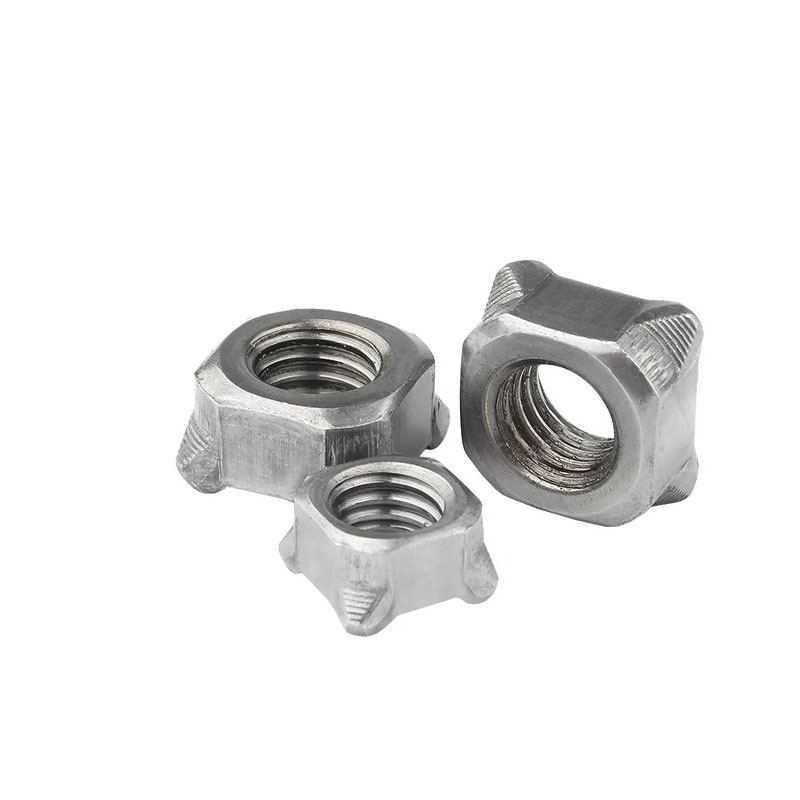
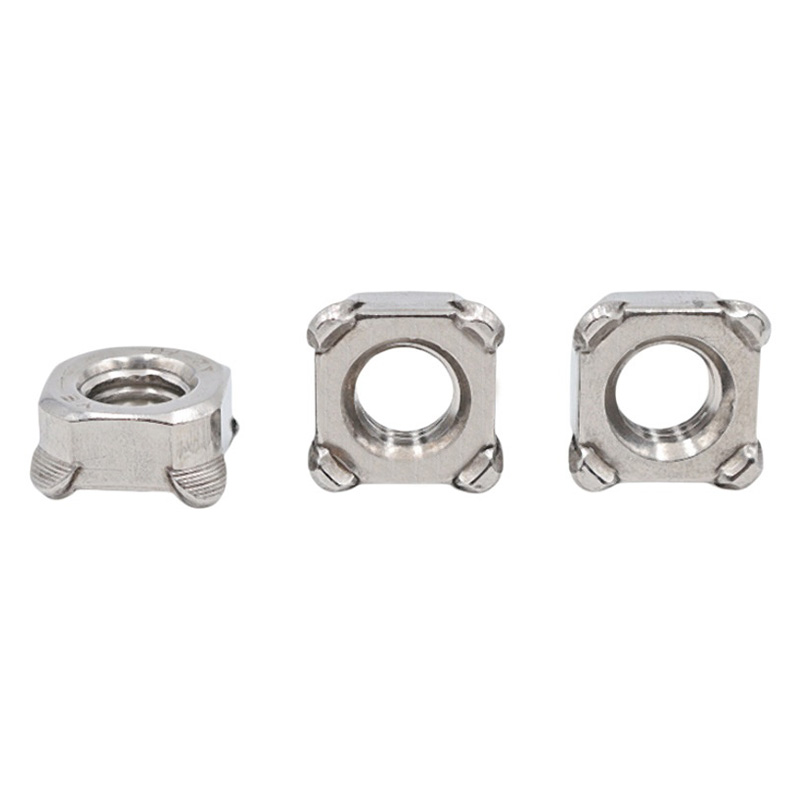
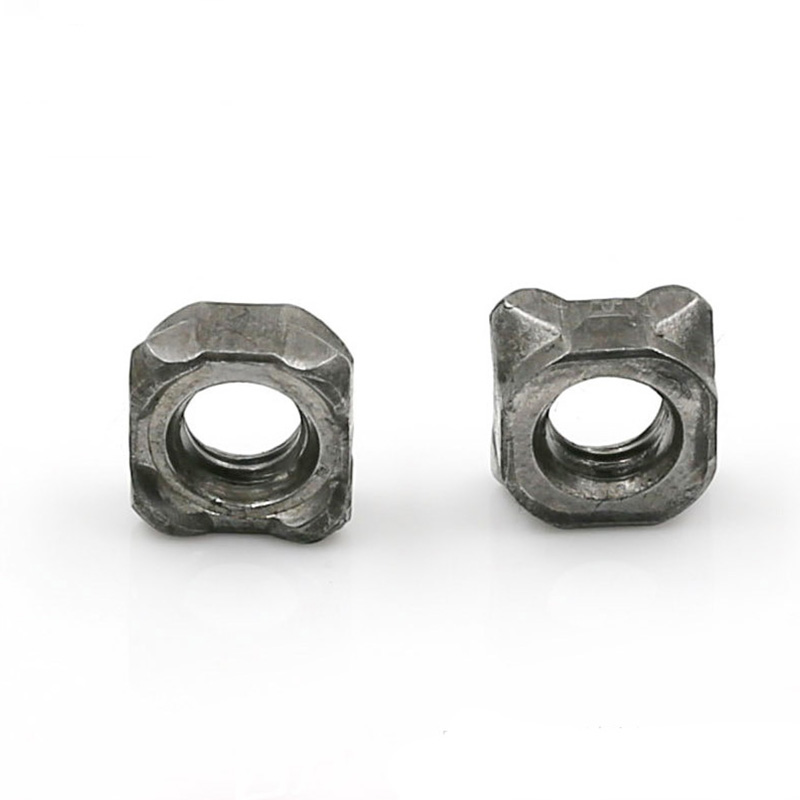
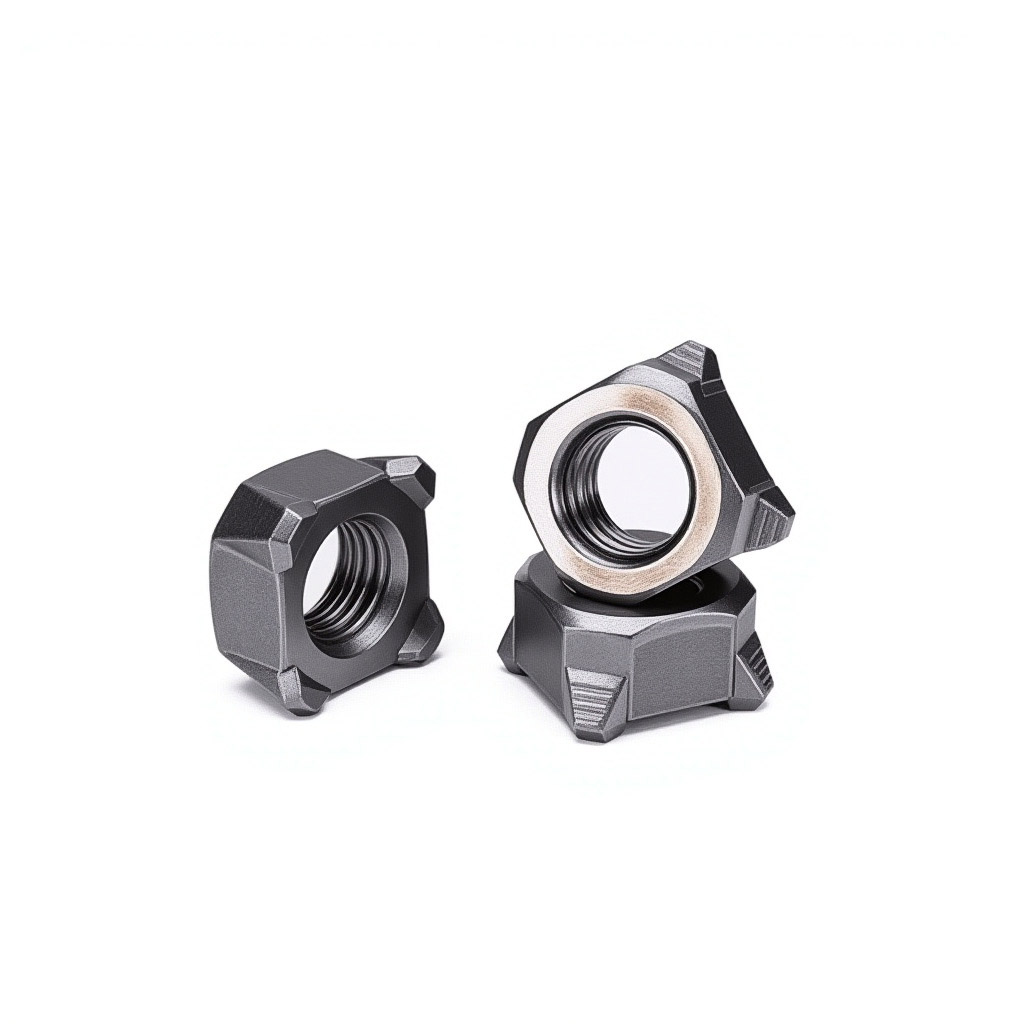
M8 Square Welded Nut
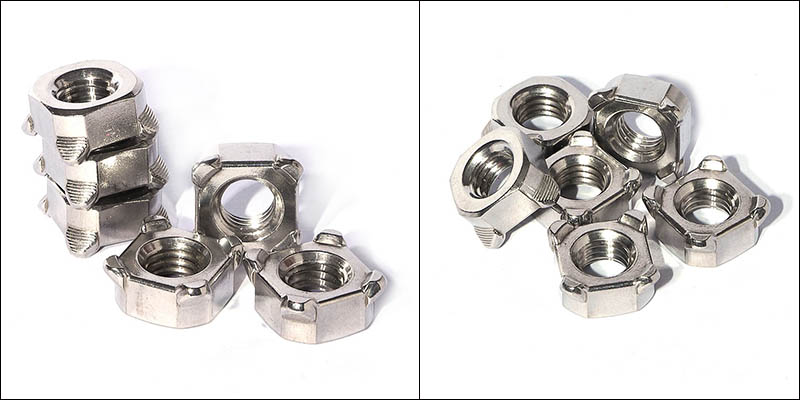
Xiaoguo® from China supplies M8 Square Welded Nut that is available for sample testing. Its square shape makes it easy to align with the automatic vibrating tray feeding system, and it is suitable for high-speed assembly line operations.
Model:Q 371-1999
Send Inquiry
Product Description
(1)Product Definition
The M8 Square Welded Nut is a special fastener with a square shape and four welding protrusions at the bottom corners. It is permanently fixed to the metal sheet through resistance spot welding and provides a reliable internal thread hole for subsequent bolt connections. This nut complies with the DIN 928 standard and is one of the most commonly used welding nut specifications in industries such as automobiles, home appliances, and agricultural machinery.
(2)enforce standards
The M8 Square Welded Nut is produced in strict accordance with the DIN 928:2013-12 standard. This standard specifies the dimensions and technical requirements for square welded nuts with coarse thread ranging from M4 to M16 and fine thread ranging from 8mm to 16mm. The product grade is A. The DIN 928 standard requires that the steel used for the welded nuts contain a carbon content of ≤0.25% to ensure good welding performance.
Welding process parameters
Welding parameters are the core factor for ensuring welding quality. The welding parameters for M8 Square Welded Nut need to be adjusted according to the material of the base plate and its thickness, etc. The following are reference parameters under typical working conditions:
(1)Welding current
The recommended value is 5,000 - 8,000 A
For small-sized nuts (such as M4-M6), the current can be controlled within 3000 - 5000 A; for medium-sized ones (M8-M10), for example, the M8 Square Welded Nut, the welding current is 5000 - 8000 A; for large-sized ones (M12 and above), it needs 8000 - 10000 A
(2)Electrode pressure
The recommended value is 2.5 - 4.0 kN
The pressure should cause multiple protrusions to be uniformly flattened by about 1/3 before power is applied. If the pressure is too high, the protrusions may be flattened prematurely; if it is too low, it may cause splashing.
(3)Welding time
The recommended value is 8 - 15 cycles (approximately 0.16 - 0.3 seconds)
The welding time is shorter than that of spot welding the same weld point. After determining the appropriate electrode pressure and current, adjust it to obtain satisfactory weld points.
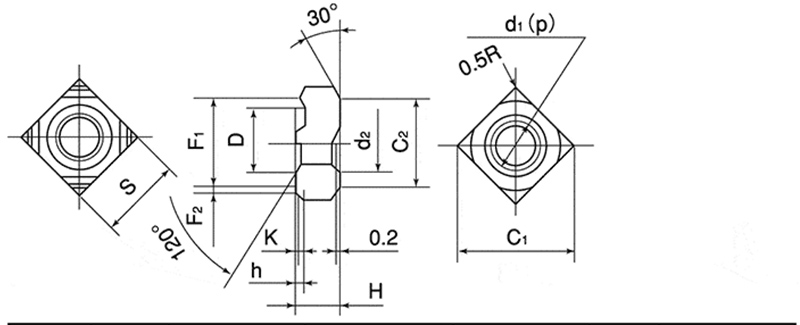
| d | p | S | H | h | K | D | |||||||
| NominalDiameter | Pitch | BasicDimension | Tolerance | BasicDimension | Tolerance | BasicDimension | Tolerance | BasicDimenson(Aproximate) | BasicDimension | Tolerance | |||
| M4 | 0.7 | 9.0 | 0一0.2 | 3.2 | ±0.15 | 0.8 | 0一0.2 | 0.2 | 7.0 | 一0.1一0.3 | |||
| M5 | 0.8 | 10.0 | 4.0 | 0.8 | 0.2 | 7.0 | |||||||
| M6 | 1.0 | 11.0 | 5.0 | 0.8 | 0.2 | 9.0 | |||||||
| M8 | 1.25 | 13.0 | 6.0 | ±0.2 | 0.8 | 0.2 | 11.0 | ||||||
Quality inspection
To verify the welding strength of the nuts, post-weld quality inspection must be carried out. The main methods include:
(1)Torque test: Insert the matching bolt into the welded nut, and apply the specified torque using a torque wrench. If the M8 Square Welded Nut does not rotate and the weld point is not torn, it is considered qualified.
(2)Push-out force test: Apply axial pushing force to the welded nut, and record the maximum breaking load using a universal testing machine. The fracture should occur in the base material.
(3)Visual inspection: Conduct a visual check to see if the nuts are tilted, if they are fully in contact with the sheet material, and for any splashing or cracks. At the same time, use a gauge block to verify if the threads have been deformed due to welding.
Hot Tags: M8 Square Welded Nut, China, Manufacturer, Supplier, Factory
Related Category
Hexagon Nut
Square Nut
Hexagon Flange Nut
Lock Nut
Cap Nut
Hexagon Slotted Nut
Hand Screw The Nut
Round Nut
Hubs Nuts
T-nut
Reed Nut
Other Nuts
Send Inquiry
Please Feel free to give your inquiry in the form below. We will reply you in 24 hours.