- English
- Español
- Português
- русский
- Français
- 日本語
- Deutsch
- tiếng Việt
- Italiano
- Nederlands
- ภาษาไทย
- Polski
- 한국어
- Svenska
- magyar
- Malay
- বাংলা ভাষার
- Dansk
- Suomi
- हिन्दी
- Pilipino
- Türkçe
- Gaeilge
- العربية
- Indonesia
- Norsk
- تمل
- český
- ελληνικά
- український
- Javanese
- فارسی
- தமிழ்
- తెలుగు
- नेपाली
- Burmese
- български
- ລາວ
- Latine
- Қазақша
- Euskal
- Azərbaycan
- Slovenský jazyk
- Македонски
- Lietuvos
- Eesti Keel
- Română
- Slovenski
- मराठी
- Srpski језик

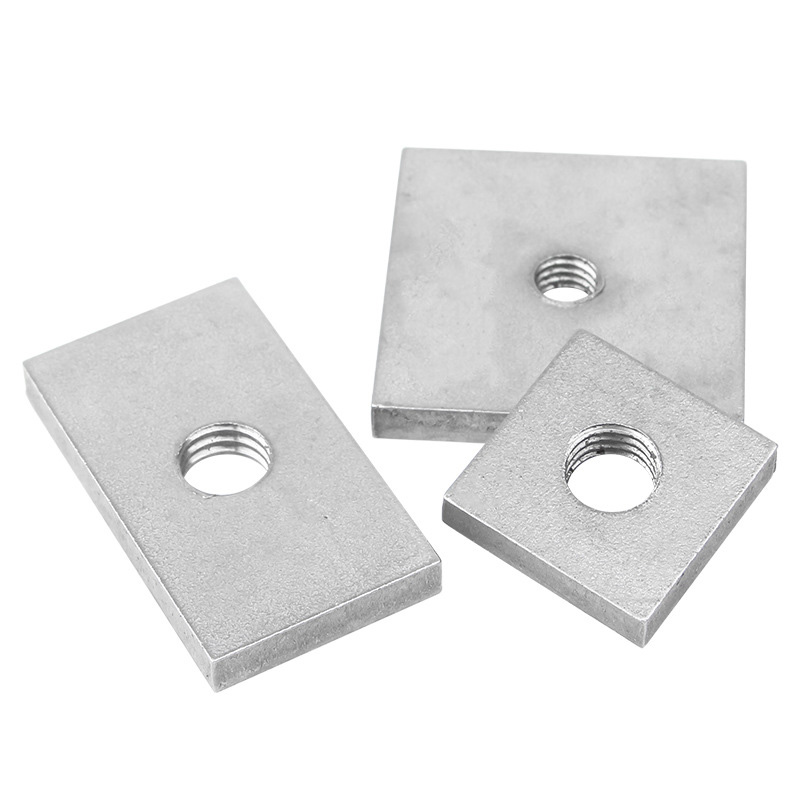
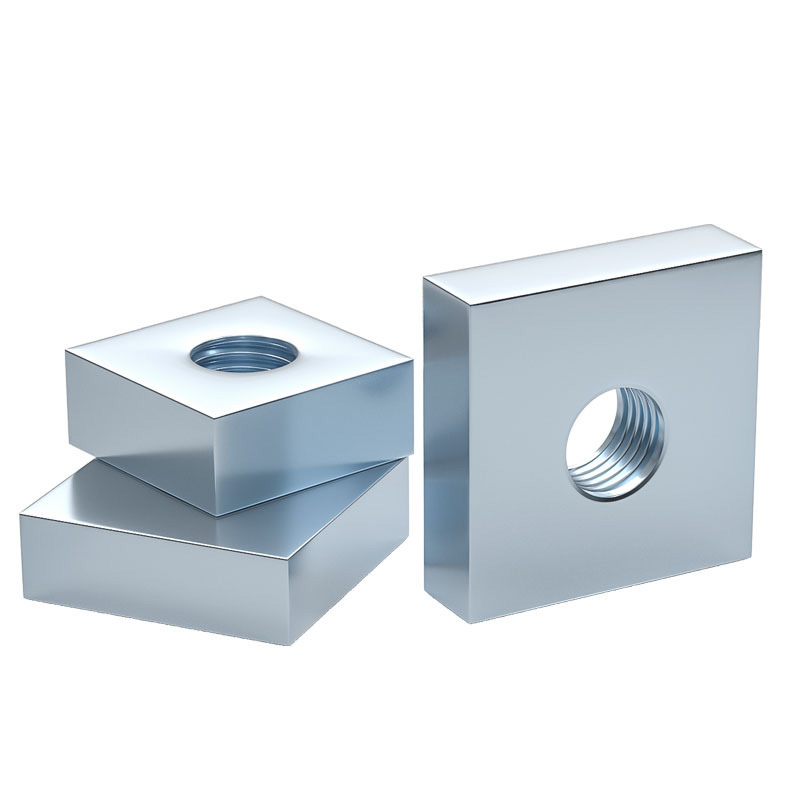
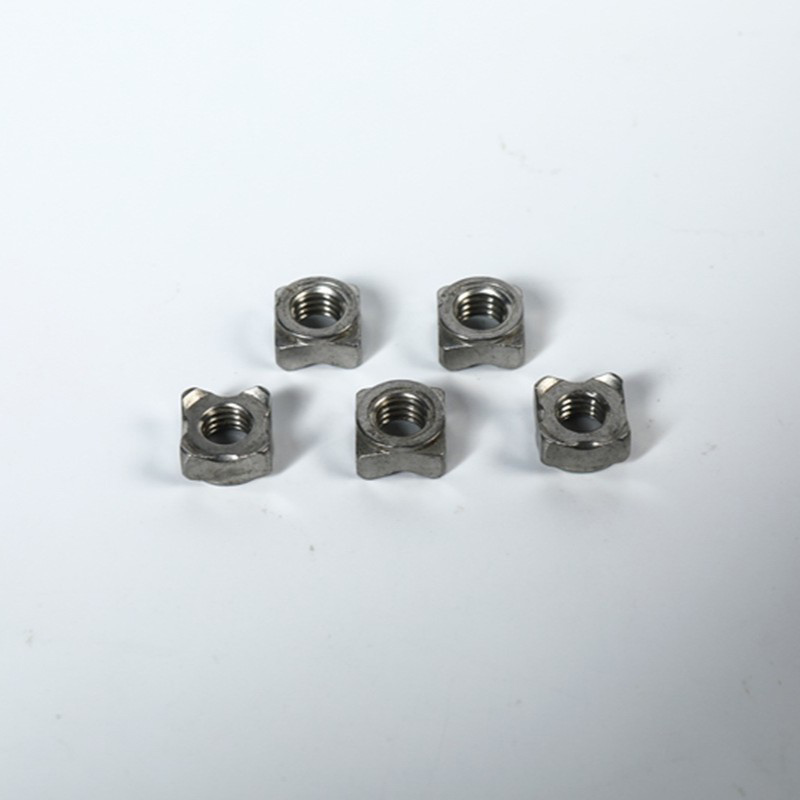
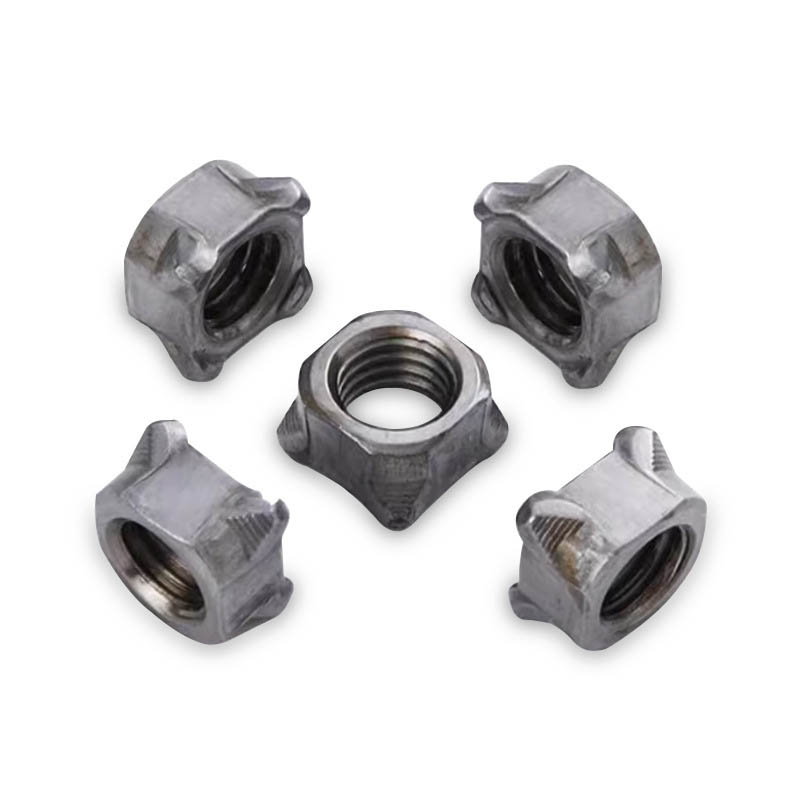
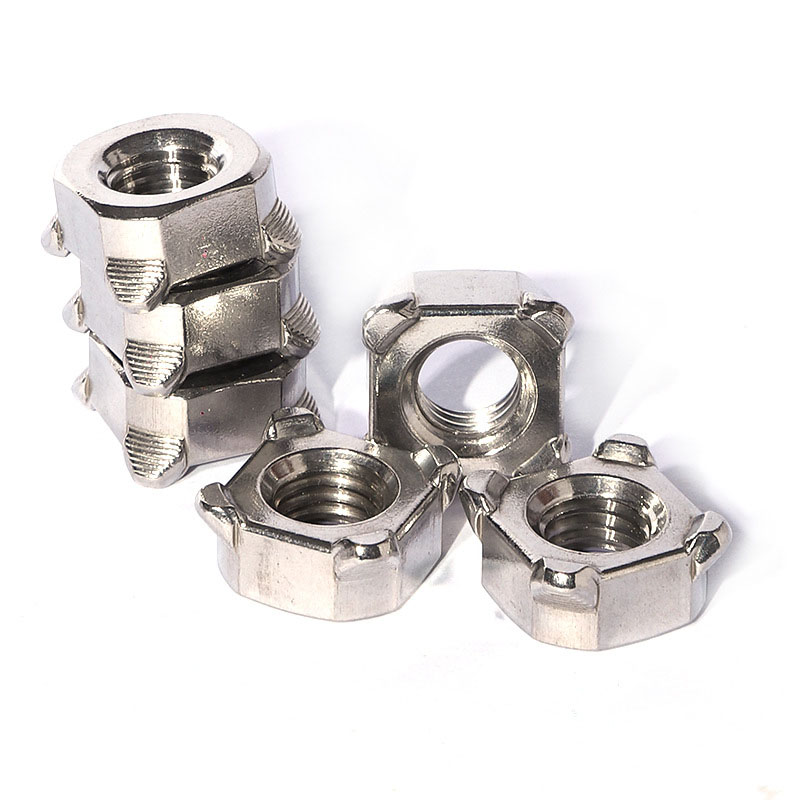
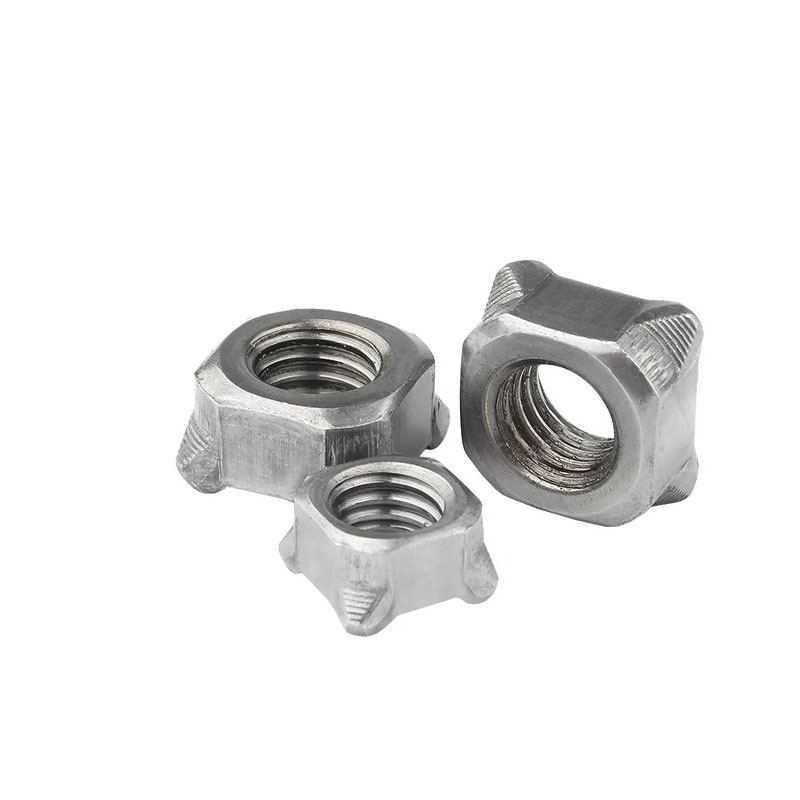
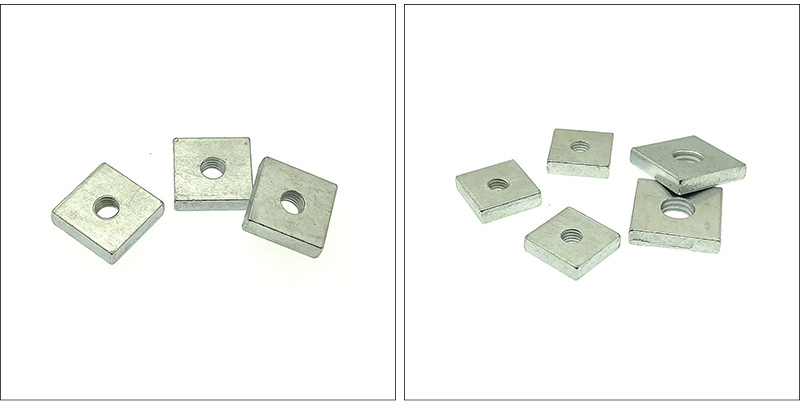
Square Thin Nut
The material specification of the square thin nut, special performance, a wide range of uses, to ensure the reliable fastening of heavy industrial equipment.From standard fasteners to custom fasteners, Xiaoguo® ensures export services at competitive prices.
Model:DIN 562-1987
Send Inquiry
Product Description
In order to extend the service life of the square thin nut, we will check the thread regularly for wear or debris. Clean with special tools and add lubricant. Replace corroded or damaged square thin nut in a timely manner to prevent system faults. Stainless steel is more suitable for corrosive working environments. Store unused square nuts in a dry, airtight container to prevent oxidation.
Product details
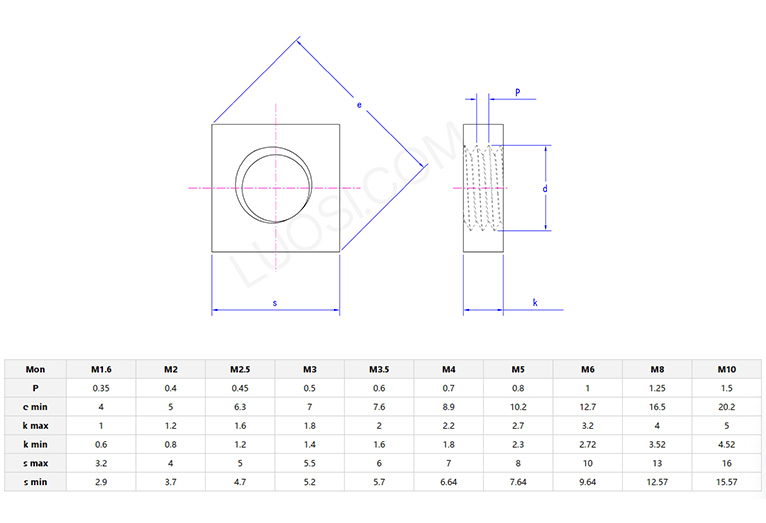
Square thin nut is available in standardized metric (M3-M24) and imperial (# 6-1 ") sizes to ensure a match with the bolt system. Thread pitch options include coarse threads for general purpose and fine threads for precision equipment requiring tighter tolerances. Custom sizes and non-standard thread configurations can meet the requirements of different working environments, such as aerospace components or heavy machinery. The size of this thin nuts - width, height and thread depth - is precisely designed to balance force distribution and spatial efficiency. For example, thicker square thin nut can be used for structural connections, while thinner shapes are suitable for small electronics. Detailed dimensional diagrams and 3D models help engineers select the right square nut for customer designs.
FAQ
Q: What packing options are available for bulk square thin nut orders?
A: The general packaging of bulk square thin nut is selected in a carton or plastic bucket, which has an anti-corrosion mat. For export, we provide pallet boxes with reinforced straps to prevent damage during transportation. Small batches can be provided in resealable plastic bag label size, material and lot number. OEM customers can use custom branding, such as printed logos or barcodes. We should also be asked to support environmentally friendly packaging (recycled materials). Each shipment includes a detailed packing list and supporting documents.
Product Materials
The main material we use for these nuts is common carbon steel. It’s the same material used for most basic fasteners you can find in a hardware store. Carbon steel is chosen because it’s affordable and meets the basic strength needs for daily use. We don’t use any special or expensive materials, just standard carbon steel that’s easy to process. The steel goes through basic processing steps to form the square shape, thin thickness, and internal threads. We make sure the threads are even and smooth, so they can fit with bolts easily without getting stuck. The material thickness is consistent, so the nuts have uniform strength—they won’t break or bend easily if you tighten them properly. Sometimes, we use low-carbon steel for smaller sizes, which is even easier to work with. We don’t add any extra alloys or materials, because these nuts are meant for light to medium fastening tasks, not heavy loads. The material is easy to source, which keeps the cost down for users. It’s not the strongest material out there, but it’s more than enough for everyday jobs like furniture assembly, small appliance repair, or DIY projects where you need a thin, square nut that gets the job done.
Product surface treatment
We use simple and practical surface treatments for these nuts, no extra fancy processes. The most common one is zinc plating. It’s a basic method that adds a thin zinc layer on the nut’s surface. This layer helps prevent the nut from rusting, which is useful if the nuts are used in damp places, like garages, outdoor tool boxes, or near water pipes. The zinc plating isn’t too thick, but it’s enough for daily use and light industrial scenarios. Sometimes we do a simple clear passivation after zinc plating, which just gives a little extra rust protection without changing how the nut looks. We don’t use bright or colored platings unless customers ask for them, since most people just need basic rust resistance. The surface treatment is applied evenly, so there are no spots where the metal is exposed. This makes sure the whole nut is protected. Square Thin Nut usually comes with this basic zinc plating, because it’s cheap and fits most daily and light industrial needs. The surface might have a slight matte look, not shiny, and that’s normal. We check the surface to make sure the plating doesn’t peel or flake off easily—if it does, the nut won’t resist rust well. Overall, the surface treatment is functional, simple, and just meant to keep the nuts usable for a long time in normal conditions.
Market Distribution
|
Market |
Revenue(Previous Year) |
Total Revenue (%) |
|
North America |
Confidential |
25 |
|
South America |
Confidential |
2 |
|
Eastern Europe |
Confidential |
16 |
|
Southeast Asia |
Confidential |
3 |
|
Africa |
Confidential |
2 |
|
Oceania |
Confidential |
2 |
|
Mid East |
Confidential |
3 |
|
Eastern Asia |
Confidential |
16 |
|
Western Europe |
Confidential |
17 |
|
Central America |
Confidential |
8 |
|
Northern Europe |
Confidential |
1 |
|
Southern Europe |
Confidential |
3 |
|
South Asia |
Confidential |
7 |
|
Domestic Market |
Confidential |
8 |
Hot Tags: Square Thin Nut, China, Manufacturer, Supplier, Factory
Related Category
Hexagon Nut
Square Nut
Hexagon Flange Nut
Lock Nut
Cap Nut
Hexagon Slotted Nut
Hand Screw The Nut
Round Nut
Hubs Nuts
T-nut
Reed Nut
Other Nuts
Send Inquiry
Please Feel free to give your inquiry in the form below. We will reply you in 24 hours.