- English
- Español
- Português
- русский
- Français
- 日本語
- Deutsch
- tiếng Việt
- Italiano
- Nederlands
- ภาษาไทย
- Polski
- 한국어
- Svenska
- magyar
- Malay
- বাংলা ভাষার
- Dansk
- Suomi
- हिन्दी
- Pilipino
- Türkçe
- Gaeilge
- العربية
- Indonesia
- Norsk
- تمل
- český
- ελληνικά
- український
- Javanese
- فارسی
- தமிழ்
- తెలుగు
- नेपाली
- Burmese
- български
- ລາວ
- Latine
- Қазақша
- Euskal
- Azərbaycan
- Slovenský jazyk
- Македонски
- Lietuvos
- Eesti Keel
- Română
- Slovenski
- मराठी
- Srpski језик

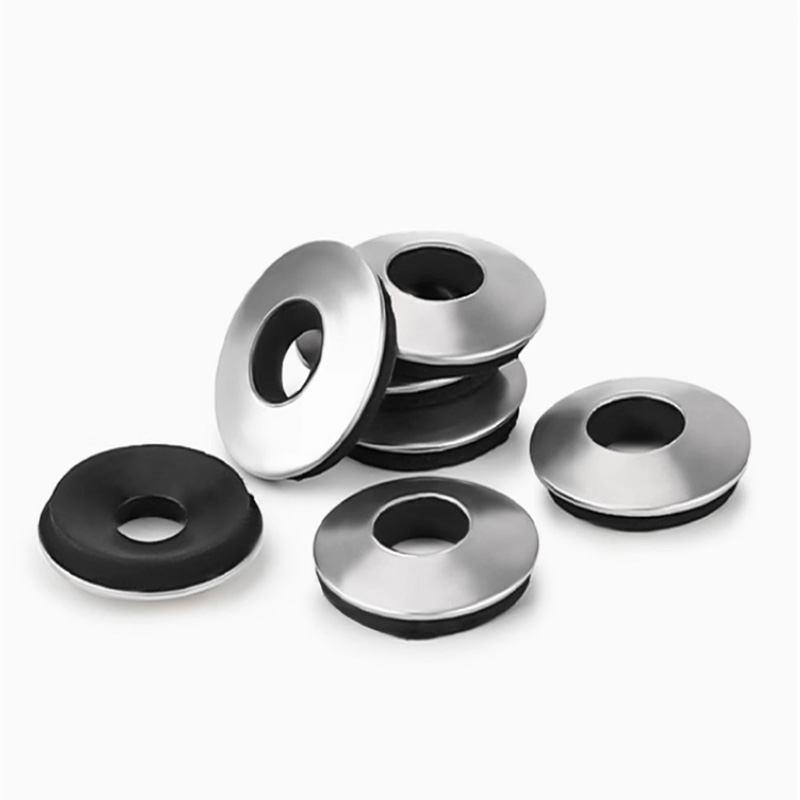
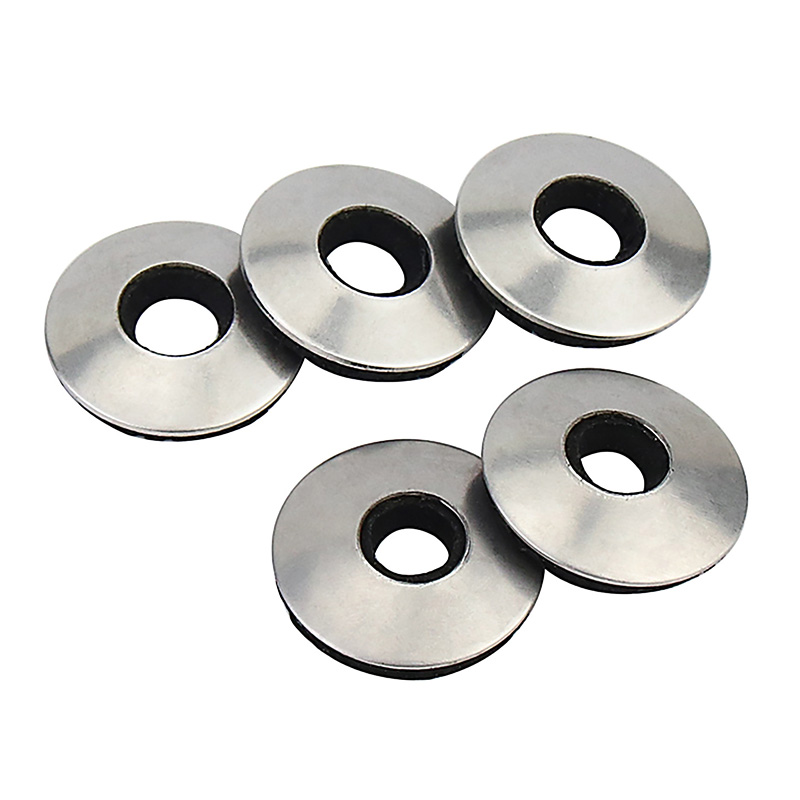
Neoprene EPDM Bonded Sealing Washers
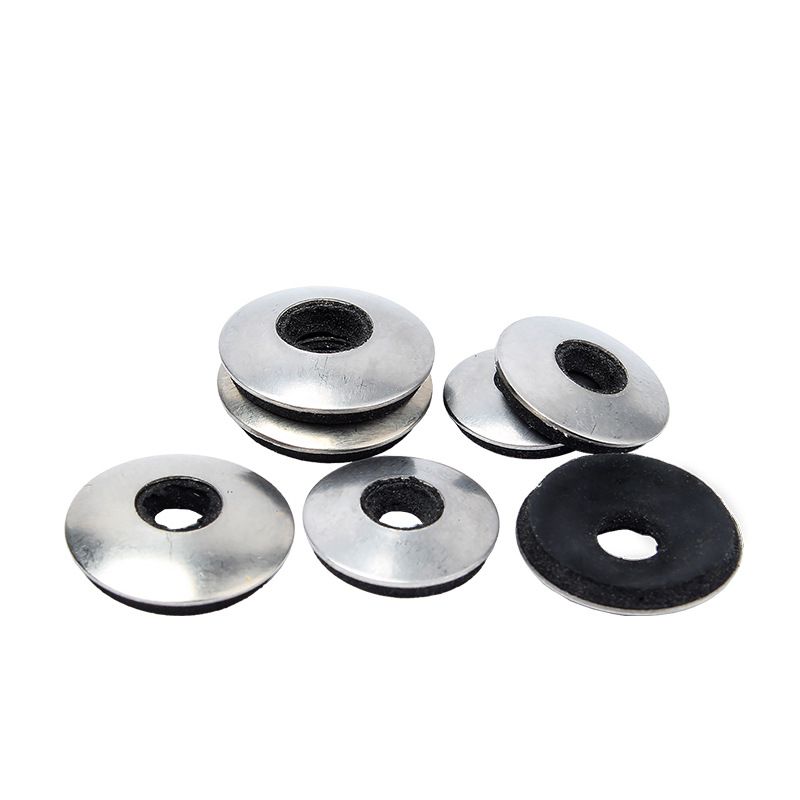
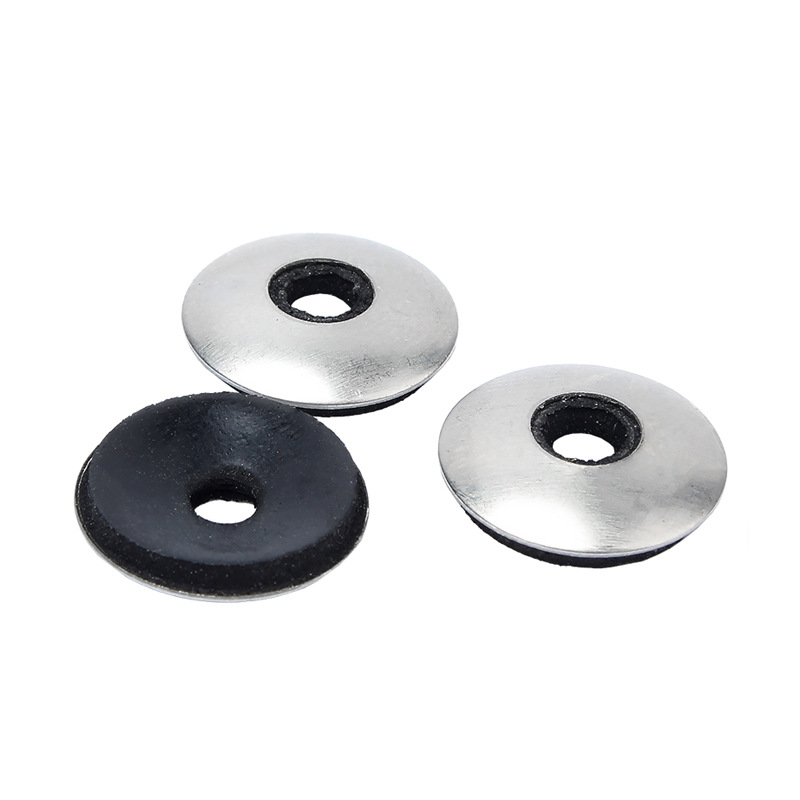
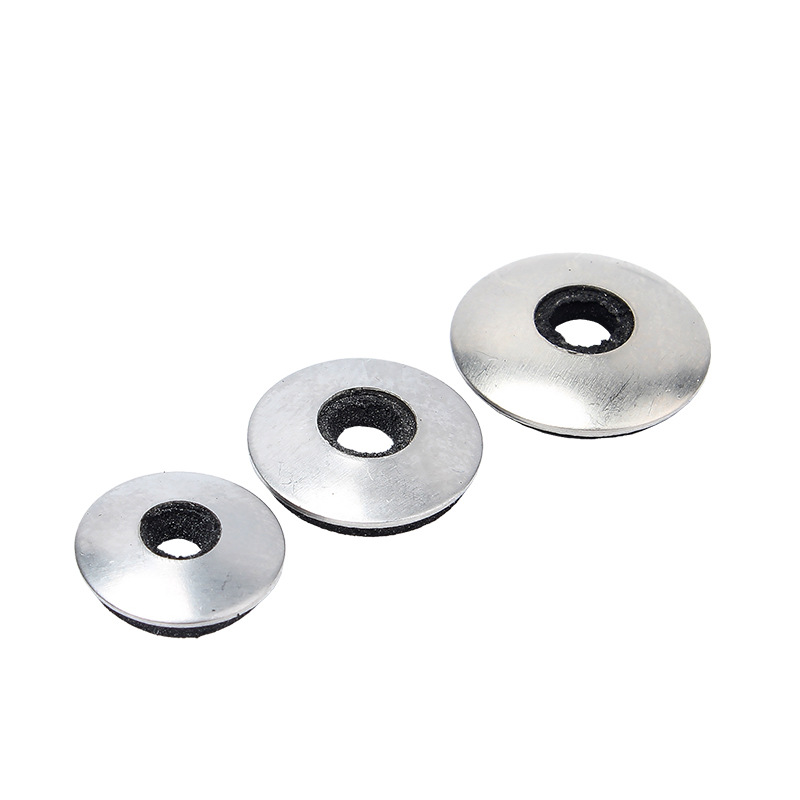
The Neoprene EPDM Bonded Sealing Washers produced by the Xiaoguo® factory have excellent sealing performance. They are waterproof, leak-proof, oil-proof and air-proof, and the sealing effect is particularly good.
Send Inquiry
Product Description
The structural features of the Neoprene EPDM Bonded Sealing Washers are as follows:
(1)Integral vulcanization bonding
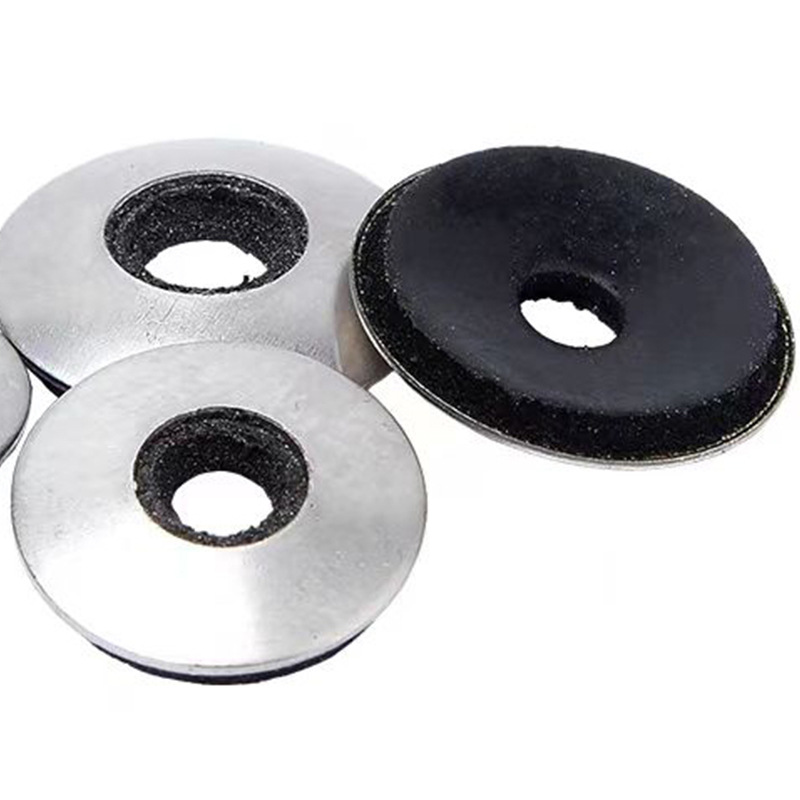
The metal washer of the Neoprene EPDM Bonded Sealing Washers is permanently bonded to the neoprene rubber through a high-temperature vulcanization process, and there is no risk of separation or detachment.
(2)Metal outer ring
The exterior is usually made by stamping low-carbon steel, galvanized steel or stainless steel, and is located on the outer edge or back of the washer.
(3)Chloroprene rubber sealing ring
It is located on the inner side or bottom of the metal ring, forming a raised seal or a flat sealing surface.
(4)Hollow or semi-sealed structure
The design of the Neoprene EPDM Bonded Sealing Washers is that a metal outer ring is covered with a rubber inner ring. The bottom rubber is slightly higher than the metal edge, ensuring that the sealing surface is the first point of contact.
(5)Anti-slip and positioning structure
There is no gap between the metal outer edge and the rubber inner edge. When tightened, the rubber is compressed until it reaches the metal plane, achieving the "positioning compression" function.
(6)Standardized dimensions
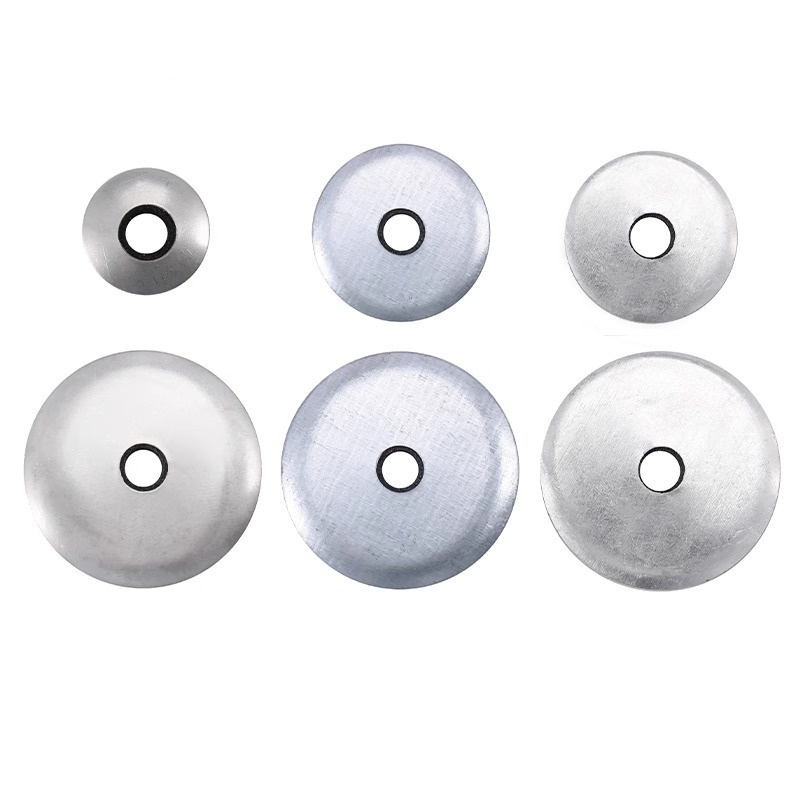
Common hole diameters, outer diameters and thicknesses follow international standards and can be directly replaced with ordinary flat washers or O-rings in combination.
Working principle
The Neoprene EPDM Bonded Sealing Washers is a type of limit-compression sealing component. Now, let me introduce to you the working principle of it.
(1)Initial Contact
When the bolt passes through the inner hole of the Neoprene EPDM Bonded Sealing Washers and begins to be tightened, the chloroprene rubber layer at the bottom of the gasket first comes into contact with the surface of the connected component. At this point, the rubber has not undergone significant deformation, and there is still a small gap between the metal outer ring and the surface of the connected component.
(2)Elastic compression
Continue to tighten, the chloroprene rubber is subjected to pressure and undergoes elastic deformation. The rubber is pressed into the surface of the connection component to form a "Fitting seal". At the same time, due to the pressure, the rubber generates a rebound force, which presses the sealing cover tightly in the opposite direction to prevent the fluid from passing through.
(3)Metal stopper
When the rubber is compressed to a certain extent, the outer edge of the metal outer ring comes into contact with the surface of the connected component. The rigidity of the metal determines the compression stop point - the rubber will not be compressed indefinitely.
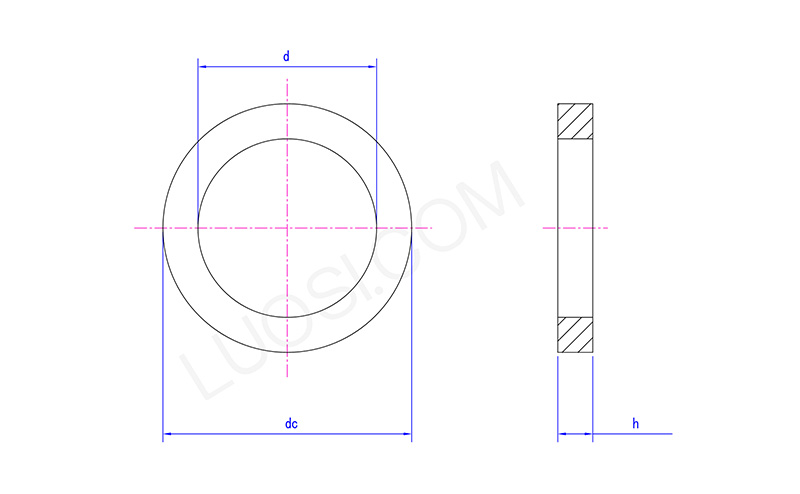
| Mon | φ27 | φ30 | φ33 | φ36 | φ39 | φ42 | φ45 | φ48 | φ52 | φ56 | φ60 |
| d max | 27.365 | 30.395 | 33.395 | 36.395 | 39.395 | 42.395 | 45.395 | 48.395 | 52.53 | 56.53 | 60.53 |
| d min | 27.035 | 30.005 | 33.005 | 36.005 | 39.005 | 42.005 | 45.005 | 48.005 | 52.07 | 56.07 | 60.07 |
| dc max | 36.395 | 39.395 | 42.395 | 45.395 | 48.395 | 52.53 | 56.53 | 60.53 | 64.23 | 68.23 | 72.23 |
| dc min | 36.005 | 39.005 | 42.005 | 45.005 | 48.005 | 52.07 | 56.07 | 60.07 | 63.77 | 67.77 | 71.77 |
| h max | 2.2 | 2.2 | 2.2 | 2.2 | 2.2 | 2.2 | 2.2 | 2.2 | 2.2 | 2.2 | 2.2 |
| h min | 1.8 | 1.8 | 1.8 | 1.8 | 1.8 | 1.8 | 1.8 | 1.8 | 1.8 | 1.8 | 1.8 |
Hot Tags: Neoprene EPDM Bonded Sealing Washers, China, Manufacturer, Supplier, Factory
Related Category
Send Inquiry
Please Feel free to give your inquiry in the form below. We will reply you in 24 hours.