- English
- Español
- Português
- русский
- Français
- 日本語
- Deutsch
- tiếng Việt
- Italiano
- Nederlands
- ภาษาไทย
- Polski
- 한국어
- Svenska
- magyar
- Malay
- বাংলা ভাষার
- Dansk
- Suomi
- हिन्दी
- Pilipino
- Türkçe
- Gaeilge
- العربية
- Indonesia
- Norsk
- تمل
- český
- ελληνικά
- український
- Javanese
- فارسی
- தமிழ்
- తెలుగు
- नेपाली
- Burmese
- български
- ລາວ
- Latine
- Қазақша
- Euskal
- Azərbaycan
- Slovenský jazyk
- Македонски
- Lietuvos
- Eesti Keel
- Română
- Slovenski
- मराठी
- Srpski језик


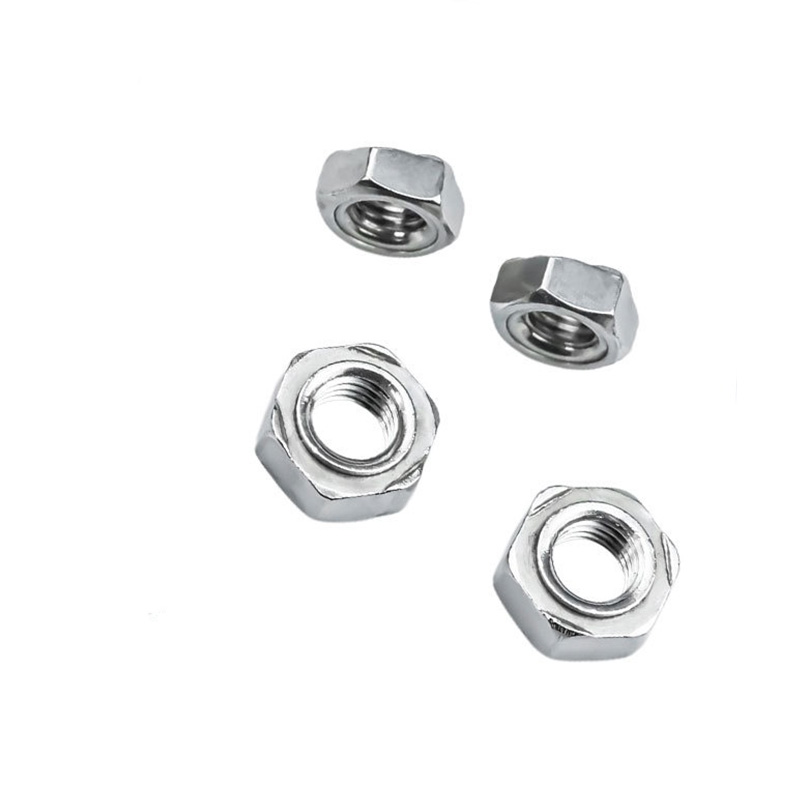
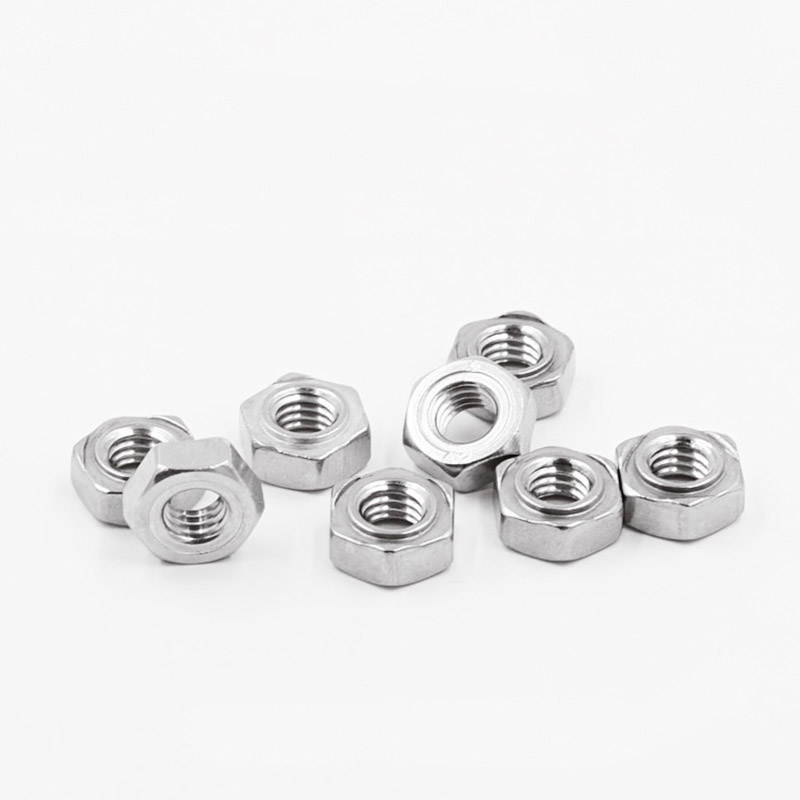
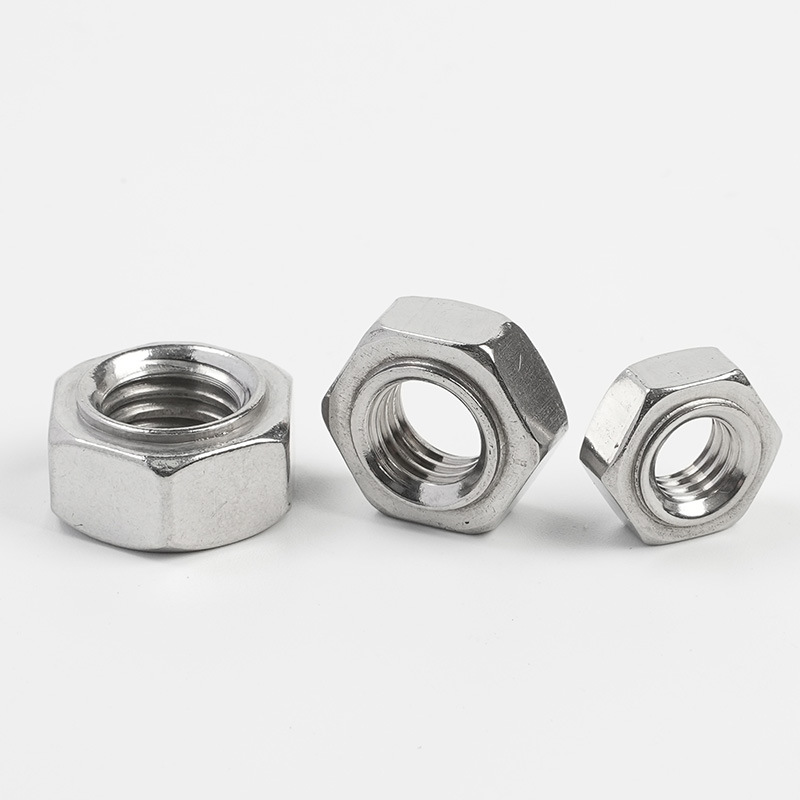
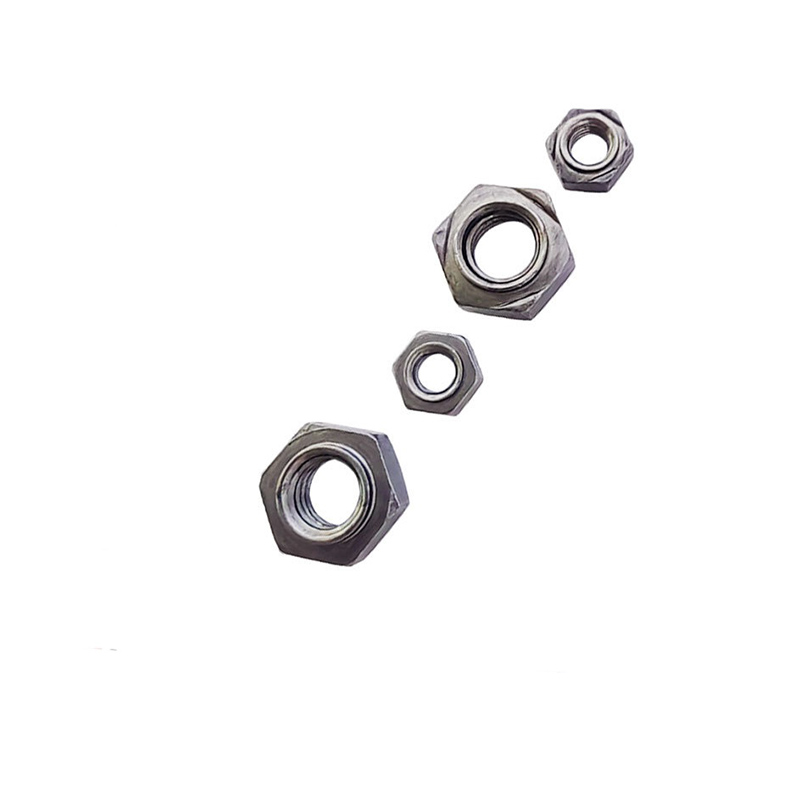
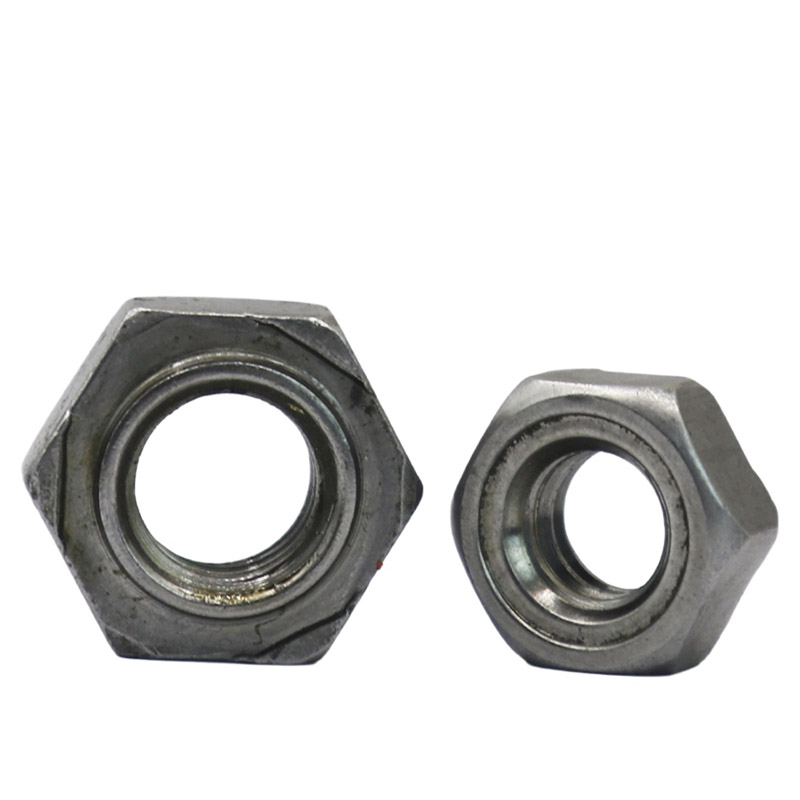
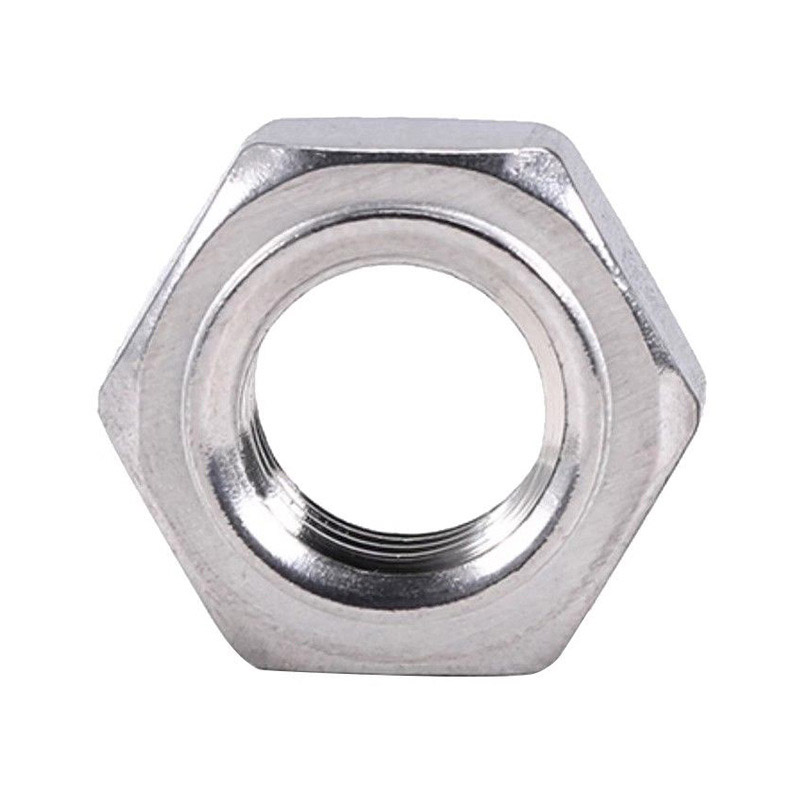
Hex Coupling Nut
Do you want to purchase hex coupling nut from Xiaoguo®? You will then have the convenient component for connecting bolts. These nuts are threaded at both ends and are very suitable for connecting two bolts. We can provide free samples.
Model:ASME/ANSI B18.2.2-13-2015
Send Inquiry
Product Description
In industries such as custom furniture or small mechanical assembly, hex coupling nut helps to establish a strong connection between parts. Whether you are a DIY enthusiast or a small manufacturer, these nuts can provide solutions for your fastening needs.

Product details and parameters
DIY enthusiasts find hex coupling nut very practical. When customizing a bookshelf, you may need to connect some threaded rods to build a sturdy support structure. They can help you extend the rods to the appropriate length and ensure a firm connection. If you are doing backyard construction work, such as building a pavilion, these nuts can be used to connect different parts of the frame. They are also very suitable for fixing or modifying furniture. Perhaps you want to lengthen the table legs, and hex coupling nut can achieve this.
In the factory, hex coupling nut is used for assembling and maintaining mechanical equipment. For example, in manufacturing plants that use large conveyor belts, the hex coupling nut may be used to connect the threaded rods of the fixed conveyor belt system. In the automotive industry, it can be used for vehicle assembly. It is also used for assembling chassis or certain engine components that require threaded connections.

Our market distribution
Market
Revenue(Previous Year)
Total Revenue (%)
North America
Confidential
15
South America
Confidential
3
Eastern Europe
Confidential
16
Southeast Asia
Confidential
5
Mid East
Confidential
5
Eastern Asia
Confidential
15
Western Europe
Confidential
14
Central America
Confidential
5
Northern Europe
Confidential
10
South Asia
Confidential
12
Function Basics
Hex coupling nut is a very convenient fastener. You can regard it as a connector that connects two threaded components together. These nuts have a long hexagonal body. Their main function is to connect or link threaded rods or similar components. Suppose you have two short threaded rods and you need one long threaded rod. At this point, hex coupling nut is needed.
Product Material
Hex Coupling Nut is mostly made of carbon steel for general use, which is cost-effective and easy to machine. The carbon steel used is usually low to medium carbon, allowing it to be drilled and tapped into full internal threads that are essential for connecting two bolts. Some versions are made of stainless steel, mainly grades 304 and 316, for applications in humid or corrosive environments like outdoor machinery or marine equipment. A small number of coupling nuts use alloy steel for higher strength needs, such as heavy industrial assemblies. Many hex coupling nuts also have surface treatments like zinc plating or black oxide coating. These treatments add a thin protective layer to prevent rust, extending the service life in normal use conditions. The material selection depends on the intended application, with carbon steel being the standard choice for most common scenarios.
Product transportation costs
The transportation cost of Hex Coupling Nut varies based on order quantity, shipping distance, transportation method and destination. For small orders under 5 kilograms, international express services like DHL or FedEx are commonly used. The initial weight fee for such express ranges from $12 to $25, and each additional kilogram adds about $4 to $10. For medium to large orders over 5 kilograms, sea freight or air freight is more economical. Sea freight cost is calculated by volume or weight, whichever is higher, with a 20-foot container costing around $700 to $1400 for long-haul international routes. Air freight is faster but 4 to 6 times more expensive than sea freight. Domestic transportation costs are lower, with road freight for 1 ton of nuts ranging from $40 to $70 for short distances. Additional costs may include customs clearance fees, insurance fees and packaging reinforcement fees for international shipments. Larger order quantities can often get discounted freight rates, so it’s recommended to confirm the detailed cost with the supplier or logistics provider in advance.
Hot Tags: Hex Coupling Nut, China, Manufacturer, Supplier, Factory
Related Category
Hexagon Nut
Square Nut
Hexagon Flange Nut
Lock Nut
Cap Nut
Hexagon Slotted Nut
Hand Screw The Nut
Round Nut
Hubs Nuts
T-nut
Reed Nut
Other Nuts
Send Inquiry
Please Feel free to give your inquiry in the form below. We will reply you in 24 hours.