- English
- Español
- Português
- русский
- Français
- 日本語
- Deutsch
- tiếng Việt
- Italiano
- Nederlands
- ภาษาไทย
- Polski
- 한국어
- Svenska
- magyar
- Malay
- বাংলা ভাষার
- Dansk
- Suomi
- हिन्दी
- Pilipino
- Türkçe
- Gaeilge
- العربية
- Indonesia
- Norsk
- تمل
- český
- ελληνικά
- український
- Javanese
- فارسی
- தமிழ்
- తెలుగు
- नेपाली
- Burmese
- български
- ລາວ
- Latine
- Қазақша
- Euskal
- Azərbaycan
- Slovenský jazyk
- Македонски
- Lietuvos
- Eesti Keel
- Română
- Slovenski
- मराठी
- Srpski језик

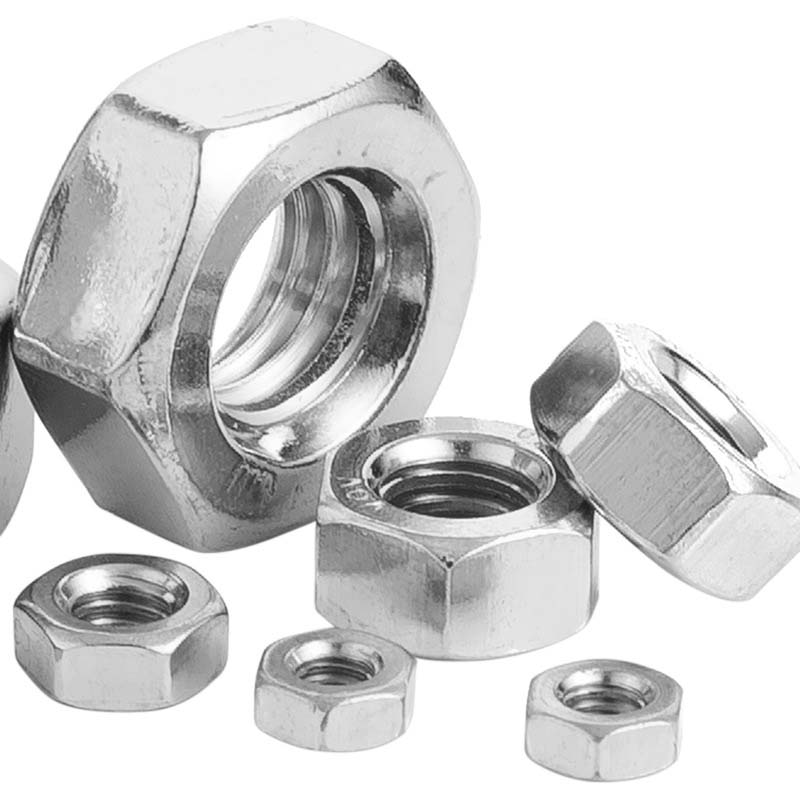
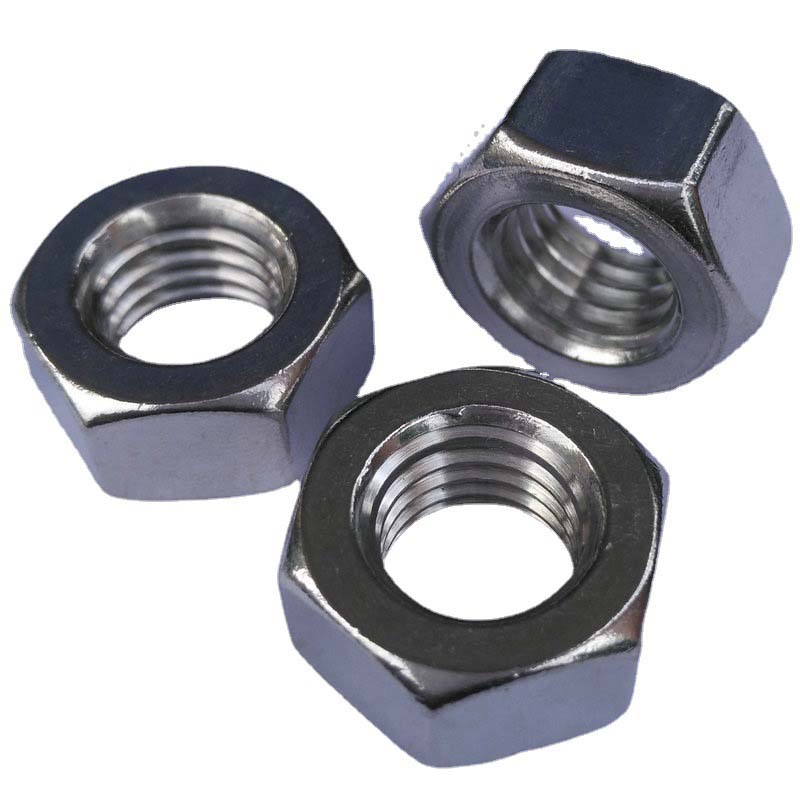
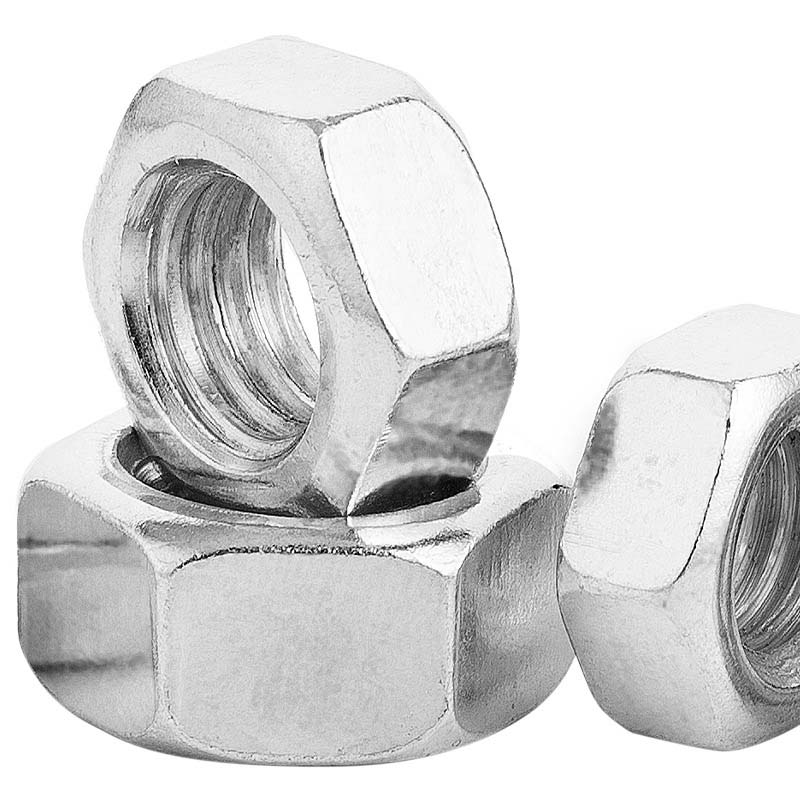
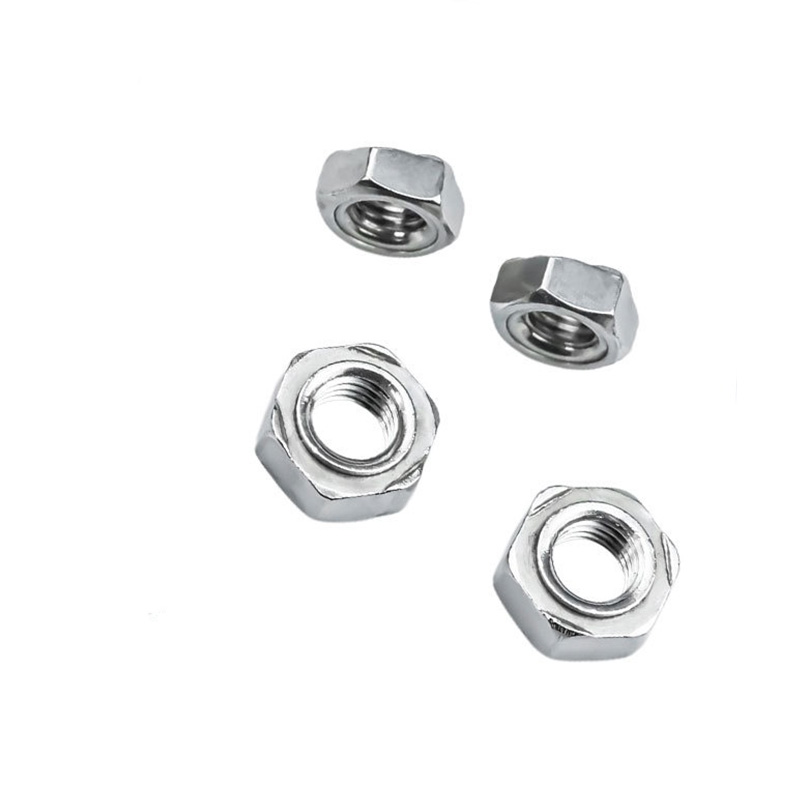
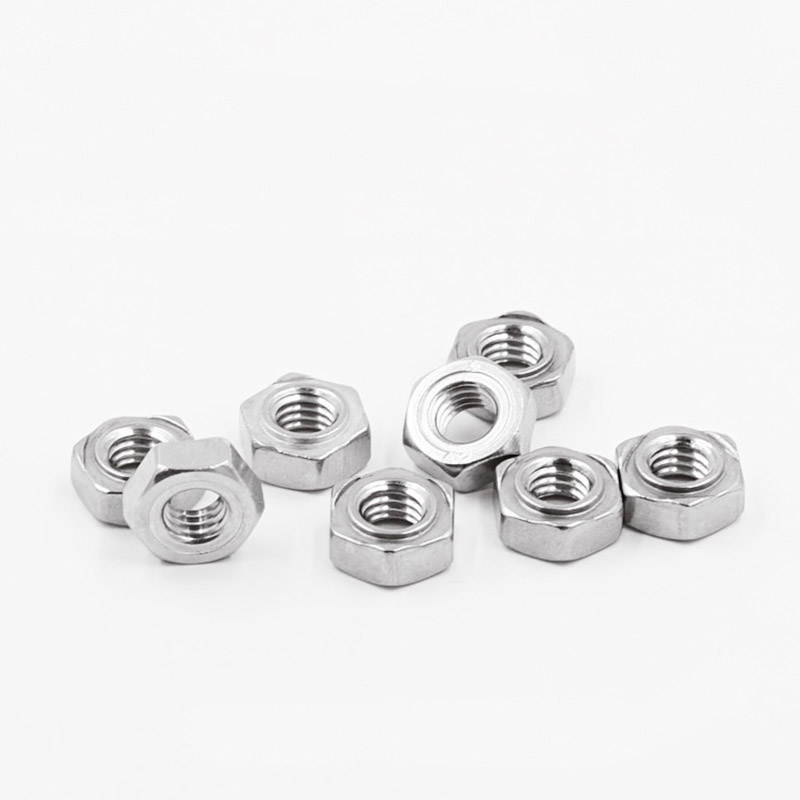
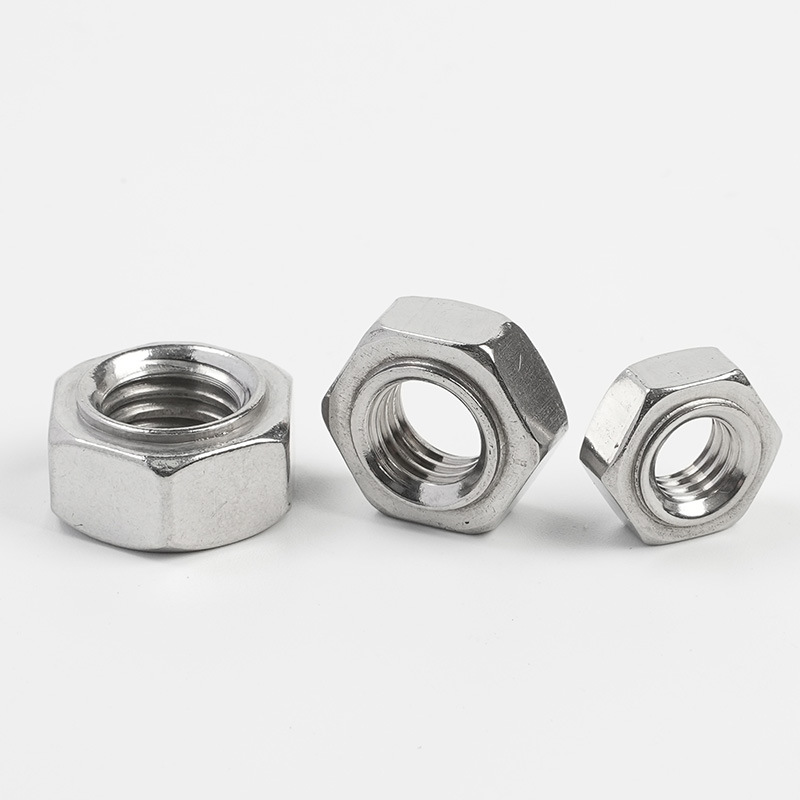
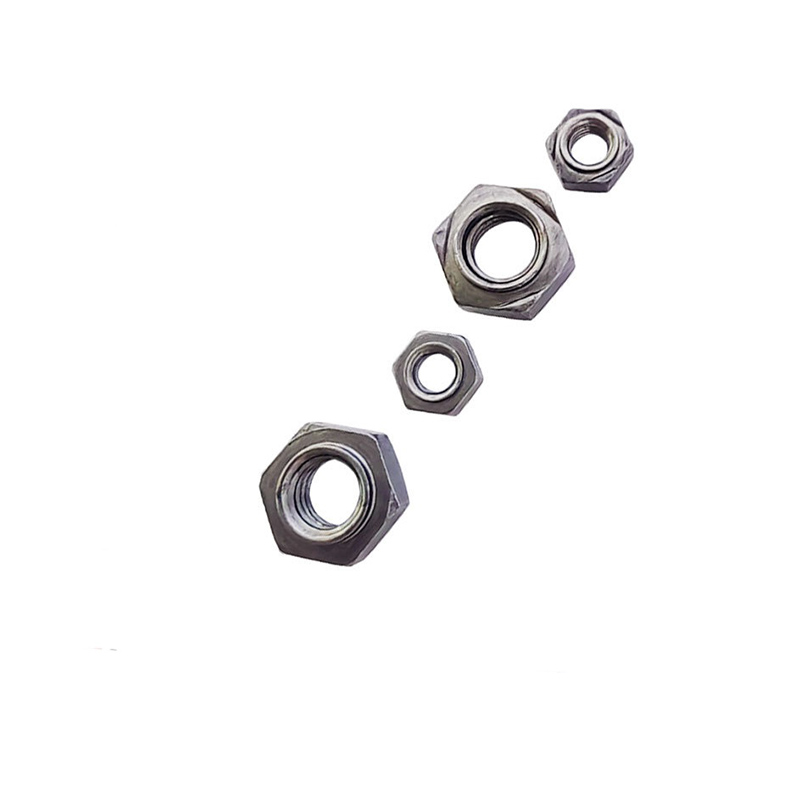
Class 2 Regular Hexagon Nut
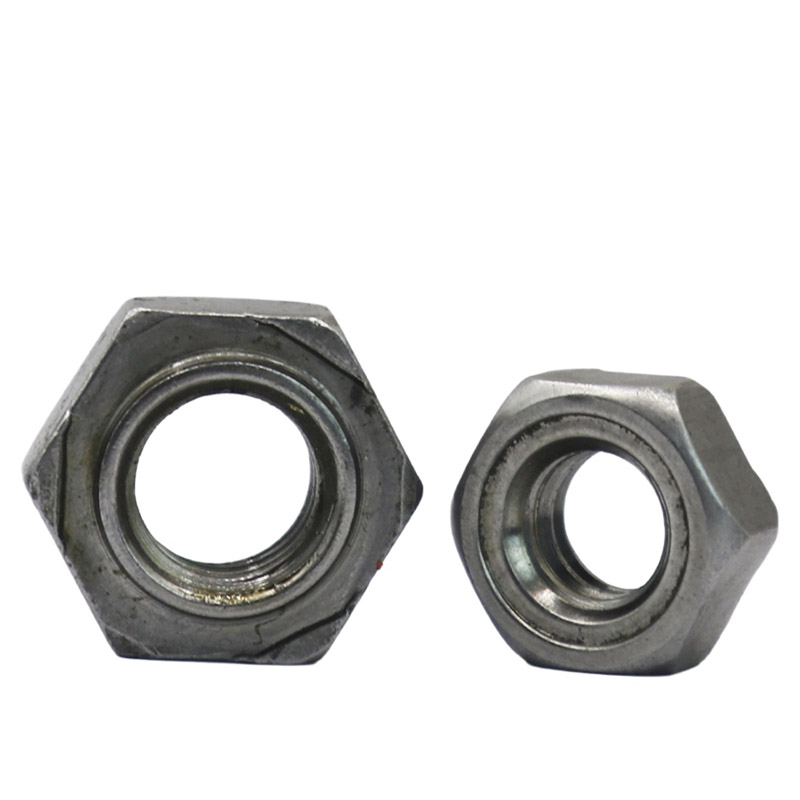
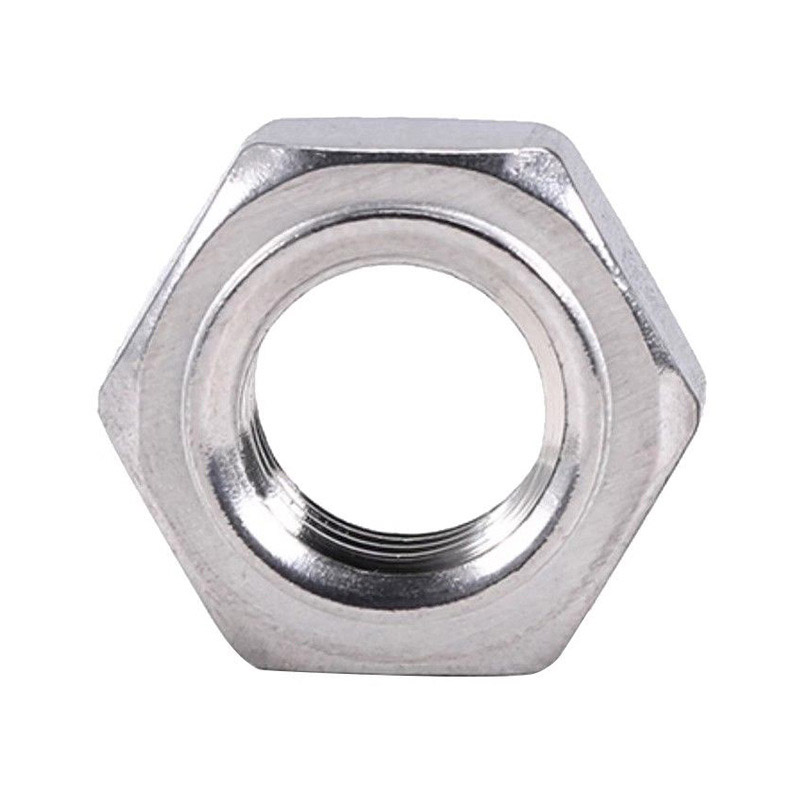
Class 2 regular hexagon nuts are hexagonal nuts that meet the medium strength grade, comply with the corresponding standards, and have a chamfered shape.The class 2 regular hexagon nuts manufactured by Xiaoguo®.Meanwhile, we offer free in-stock samples for your inspection.
Model:JIS B1181-1.3-1993
Send Inquiry
Product Description
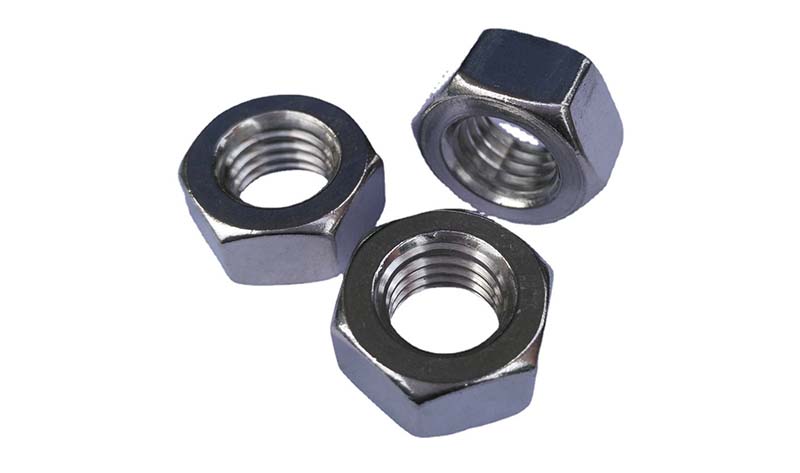
Class 2 regular hexagon nut is a kind of nut with medium strength. "Grade 2" refers to its mechanical performance. It is stronger than the ordinary nuts sold in hardware stores. "Finishing" refers to the fact that its surface undergoes special treatment. These nuts can meet daily work.
Product details and parameters
Class 2 regular hexagon nut is used in many industries. In the construction industry, whether it is building tall buildings or constructing Bridges, it is needed to connect various steel structural components. For example, when building scaffolding, it can firmly fix the steel pipes and ensure the safety of the construction workers. In bridge construction, it firmly connects components such as steel beams and bears the weight of passing vehicles.
In the mechanical manufacturing industry, the regular hexagon nut is also a very common part. When assembling mechanical equipment, it is needed to fix the components and ensure that the parts do not loosen during the operation of the equipment. Like the assembly of a car engine, it is used to secure various pipes, brackets and parts to ensure the normal operation of the engine.
In the production of some daily necessities, the regular hexagon nut can connect the frames and components of tables and chairs. The assembly of household appliances, such as the fixation of internal parts in refrigerators and washing machines, also uses it.
Precautions
There are some points to note when using class 2 regular hexagon nut. When installing, tighten it to the specified torque. If it is too loose, the parts may fall off; if it is too tight, the nut or the connected components may be damaged. In addition, it is necessary to regularly check whether the nuts are loose or worn. Once any problem is found, the nuts should be replaced in time. The regular hexagon nuts of different specifications cannot be mixed randomly. The correct size and model need to be selected according to actual needs; otherwise, they cannot be installed or have a fixed function.
Product surface treatment
Class 2 Regular Hexagon Nut has several common surface treatment options based on different use environments. The most basic one is zinc plating, which forms a thin protective layer on the surface to prevent rust. This treatment is suitable for dry indoor environments or general industrial scenarios. Another option is black oxide treatment; it creates a black film that enhances wear resistance and provides basic corrosion protection. For damp or outdoor environments, hot-dip galvanizing is used. This process coats the nut with a thicker zinc layer, offering better rust resistance. All surface treatments go through standard processes to ensure the coating adheres firmly. There’s no peeling or flaking during installation and use. The treatment method is usually marked on the product package for easy identification by users.
Product specifications and grades
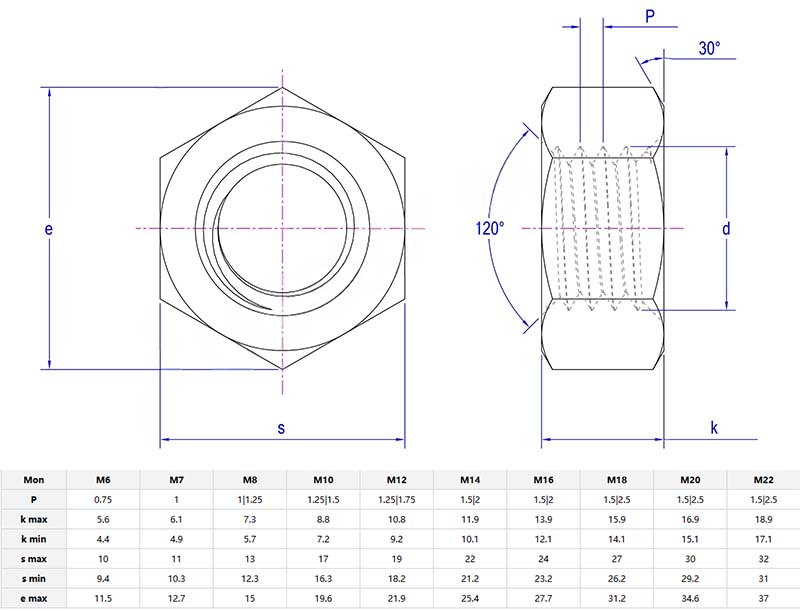
The "Class 2" in Class 2 Regular Hexagon Nut refers to its thread fit grade, which is a common standard for general-purpose fasteners. This grade means the nut’s internal thread has moderate precision, suitable for most non-high-precision assembly requirements. In terms of size specifications, it covers a wide range of thread diameters and pitch combinations, matching standard bolts of corresponding sizes. The nominal diameter usually ranges from M6 to M36, and both coarse and fine thread options are available. The nut’s thickness and hexagon size also follow international standard dimensions, ensuring compatibility with standard wrenches and bolts. Each batch of nuts is inspected for dimensional accuracy, including thread pitch, inner diameter, and hexagon side length, to meet the Class 2 grade requirements. Detailed specification parameters are provided in the product manual or on the order sheet for customers to check.
Hot Tags: Class 2 Regular Hexagon Nut, China, Manufacturer, Supplier, Factory
Product Tag
Related Category
Hexagon Nut
Square Nut
Hexagon Flange Nut
Lock Nut
Cap Nut
Hexagon Slotted Nut
Hand Screw The Nut
Round Nut
Hubs Nuts
T-nut
Reed Nut
Other Nuts
Send Inquiry
Please Feel free to give your inquiry in the form below. We will reply you in 24 hours.