- English
- Español
- Português
- русский
- Français
- 日本語
- Deutsch
- tiếng Việt
- Italiano
- Nederlands
- ภาษาไทย
- Polski
- 한국어
- Svenska
- magyar
- Malay
- বাংলা ভাষার
- Dansk
- Suomi
- हिन्दी
- Pilipino
- Türkçe
- Gaeilge
- العربية
- Indonesia
- Norsk
- تمل
- český
- ελληνικά
- український
- Javanese
- فارسی
- தமிழ்
- తెలుగు
- नेपाली
- Burmese
- български
- ລາວ
- Latine
- Қазақша
- Euskal
- Azərbaycan
- Slovenský jazyk
- Македонски
- Lietuvos
- Eesti Keel
- Română
- Slovenski
- मराठी
- Srpski језик

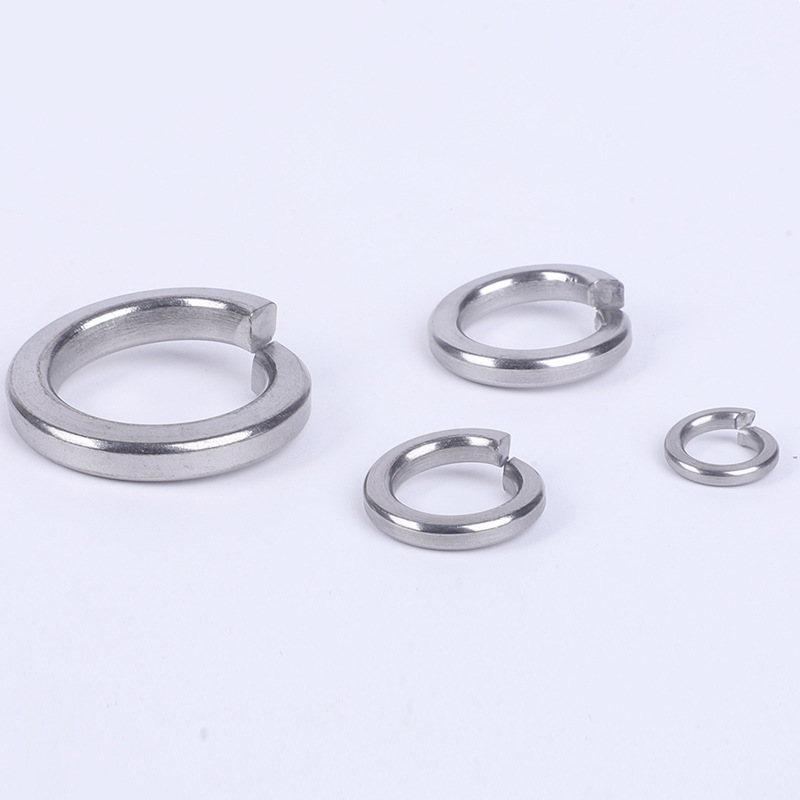
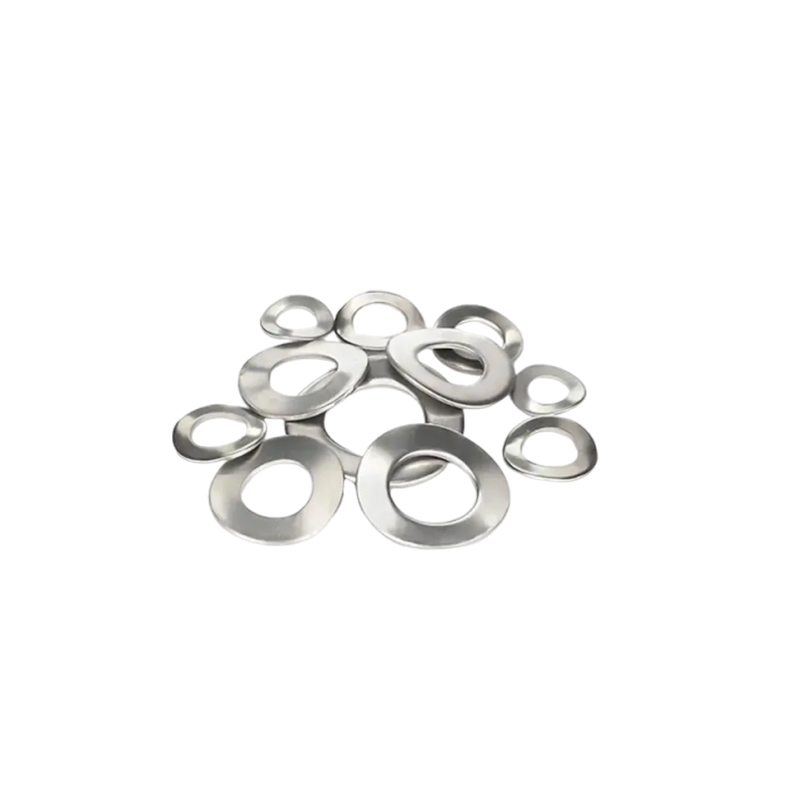
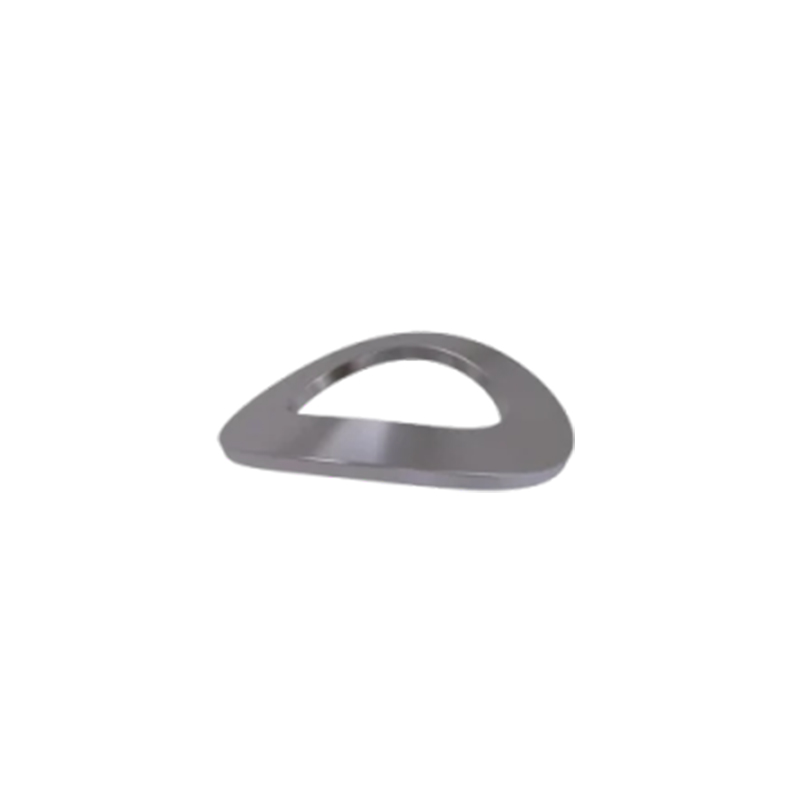
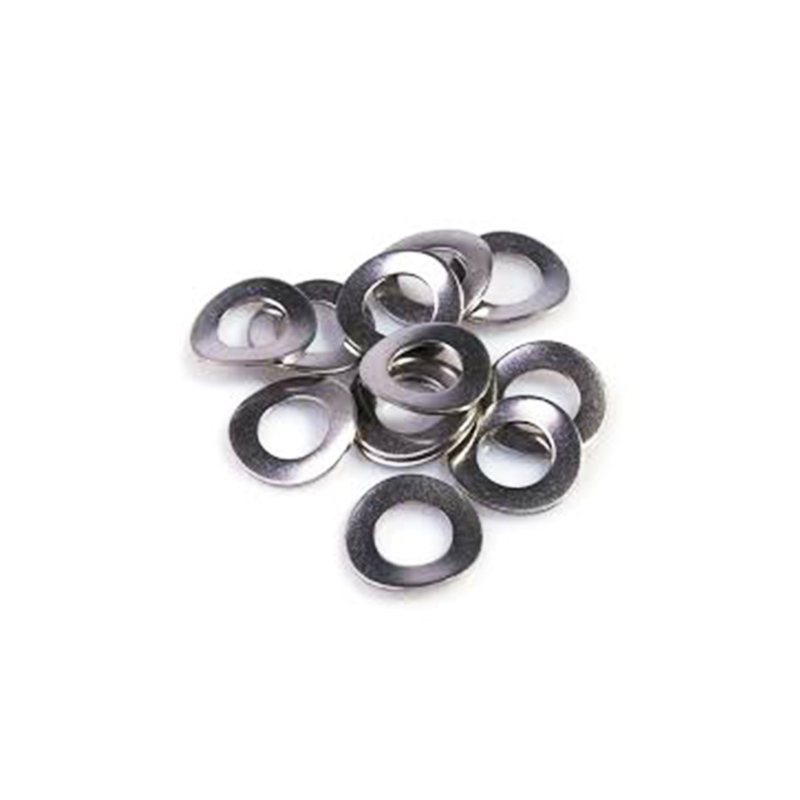
Spring Lock Washers
The Spring Lock Washers produced by the Xiaoguo® factory have natural elasticity. After being tightened, they will continuously exert a reverse elastic force on the bolts and nuts, effectively preventing the bolts and nuts from loosening.
Send Inquiry
Product Description
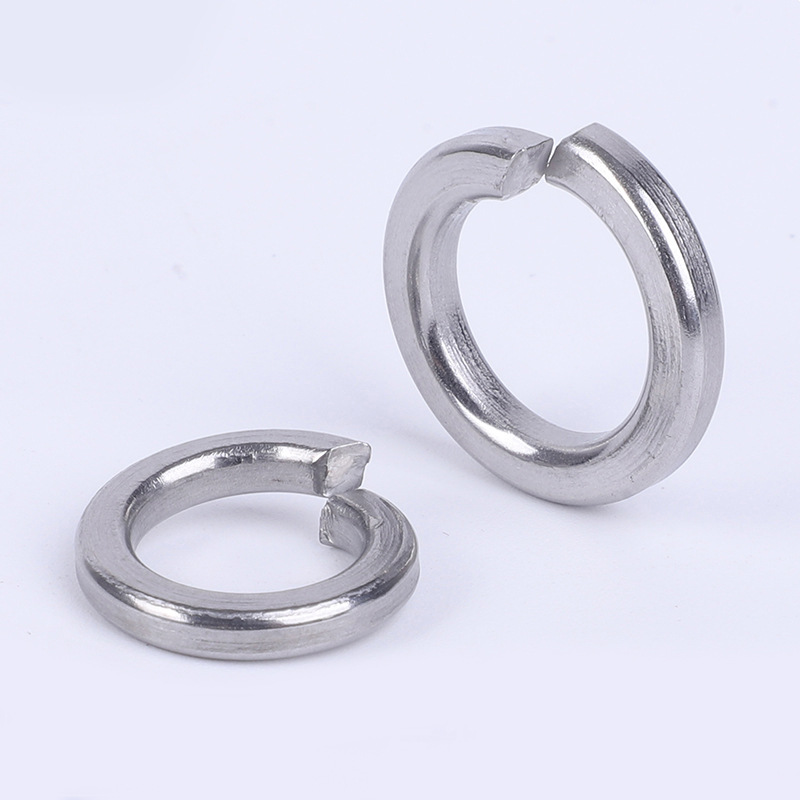
Spring Lock Washers, commonly known as spring washer, elastic washer or locking washer, is a metal gasket with a notch that slightly protrudes. The material is mostly carbon steel and stainless steel. It is specifically designed to be paired with bolt heads and nuts. By its own elasticity, it prevents the bolt from loosening due to the vibration of the equipment.
In simple terms, the Spring Lock Washers is a "resistant force with elasticity" that is inserted between the screw and the workpiece. It is relatively inexpensive, small in size, occupies little space, has a simple structure, and is easy to install. It is one of the most common anti-loosening parts used in industrial production, automobiles, machinery, electrical appliances, and DIY assembly.
How to carry out the work?
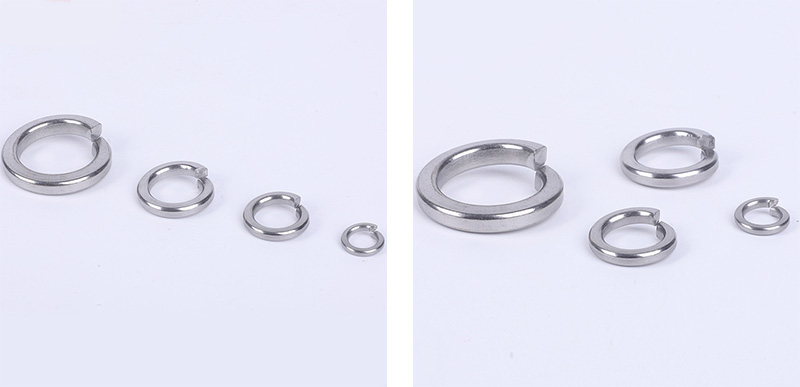
When you see the shape of the Spring Lock Washers, everything becomes clear - it is not a flat circular ring, but a metal ring that has been cut once, with the cut opening offset up and down. Its cross-section is inclined, and precisely because of this shape, it inherently has elasticity.
The process of the work is actually quite simple:
(1)Installation: Put the Spring Lock Washers on the bolt, and place it under the bolt head or the nut.
(2)Tightening: When the nut is turned downwards, the spring washer will be pushed down. The spring washer, which was in a state of being offset up and down at the cut edge, is flattened, creating a force that pushes back.
(3)Anti-loosening: After the spring washer is flattened, it keeps trying to "spring back". The opposite-directional elasticity generated by this will increase the friction on the entire connection, thereby resisting the loosening caused by vibration. At the same time, the flattened ends of the spring washer will produce sharp edges that will penetrate the bolt head and the surface of the workpiece, forming a physical "locking" effect, which further prevents the bolt from rotating back.
The anti-loosening function of the Spring Lock Washers is achieved through two things: one is the friction caused by the elasticity, and the other is the biting force formed when the sharp edges penetrate the surface.
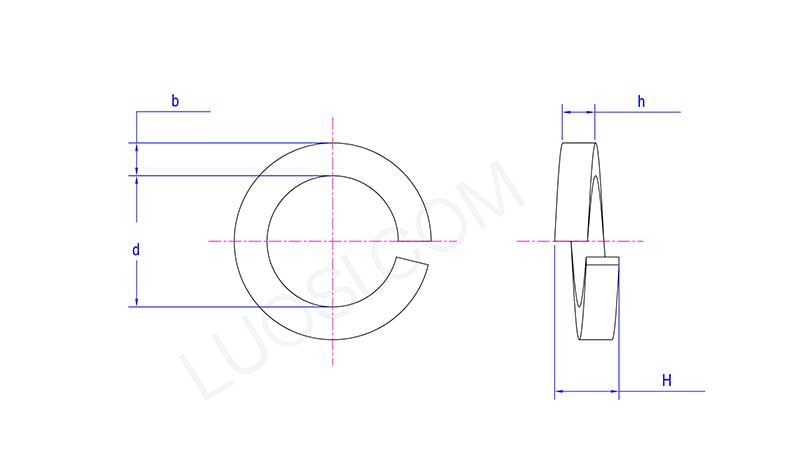
| Mon | φ18 | φ20 | φ22 | φ2 4 | φ27 | φ30 | φ33 | φ36 | φ39 | φ42 | φ45 |
| d min | 18.2 | 20.2 | 22.5 | 24.5 | 27.5 | 30.5 | 33.5 | 36.5 | 39.5 | 42.5 | 45.5 |
| d max | 19.04 | 21.04 | 23.34 | 25.5 | 28.5 | 31.5 | 34.7 | 37.7 | 40.7 | 43.7 | 46.7 |
| b min | 4.3 | 4.8 | 5.3 | 5.8 | 6.5 | 7.2 | 8.2 | 8.7 | 9.7 | 10.2 | 10.7 |
| b max | 4.7 | 5.2 | 5.7 | 6.2 | 7.1 | 7.8 | 8.8 | 9.3 | 10.3 | 10.8 | 11.3 |
| h min | 4.3 | 4.8 | 5.3 | 5.8 | 6.5 | 7.2 | 8.2 | 8.7 | 9.7 | 10.2 | 10.7 |
| h max | 4.7 | 5.2 | 5.7 | 6.2 | 7.1 | 7.8 | 8.8 | 9.3 | 10.3 | 10.8 | 11.3 |
| H min | 9 | 10 | 11 | 12 | 13.6 | 15 | 17 | 18 | 20 | 21 | 22 |
| H max | 11.25 | 12.5 | 13.75 | 15 | 17 | 18.75 | 21.25 | 22.5 | 25 | 26.25 | 27.5 |
Hot Tags: Spring Lock Washers, China, Manufacturer, Supplier, Factory
Related Category
Send Inquiry
Please Feel free to give your inquiry in the form below. We will reply you in 24 hours.