- English
- Español
- Português
- русский
- Français
- 日本語
- Deutsch
- tiếng Việt
- Italiano
- Nederlands
- ภาษาไทย
- Polski
- 한국어
- Svenska
- magyar
- Malay
- বাংলা ভাষার
- Dansk
- Suomi
- हिन्दी
- Pilipino
- Türkçe
- Gaeilge
- العربية
- Indonesia
- Norsk
- تمل
- český
- ελληνικά
- український
- Javanese
- فارسی
- தமிழ்
- తెలుగు
- नेपाली
- Burmese
- български
- ລາວ
- Latine
- Қазақша
- Euskal
- Azərbaycan
- Slovenský jazyk
- Македонски
- Lietuvos
- Eesti Keel
- Română
- Slovenski
- मराठी
- Srpski језик

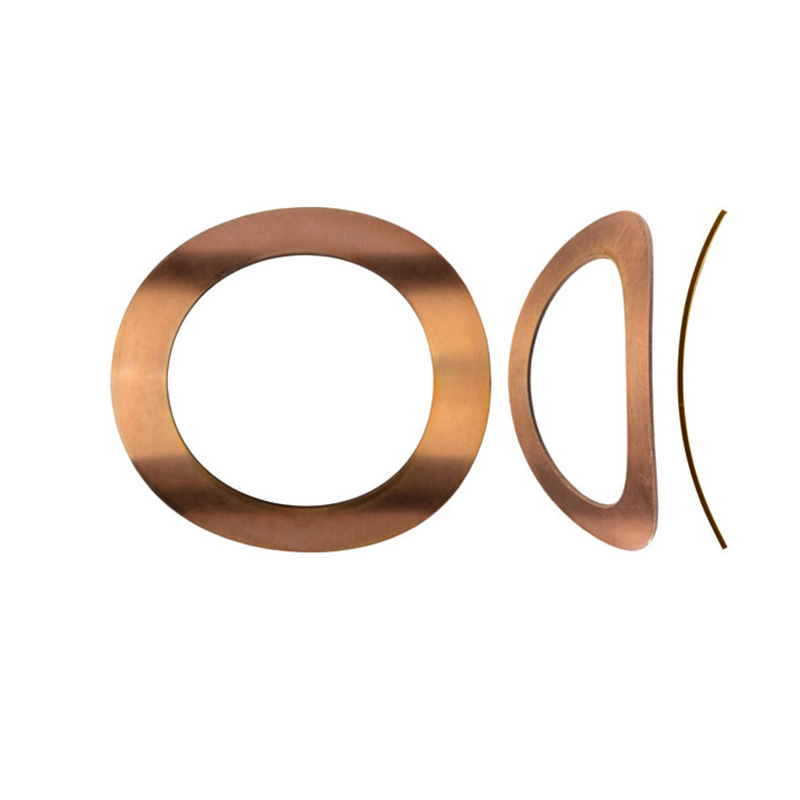
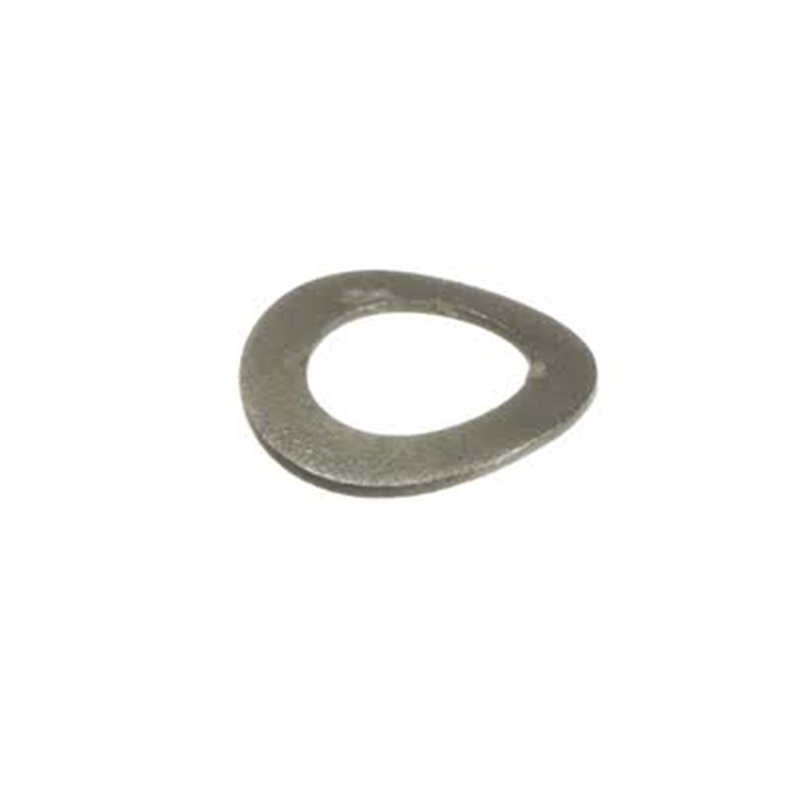
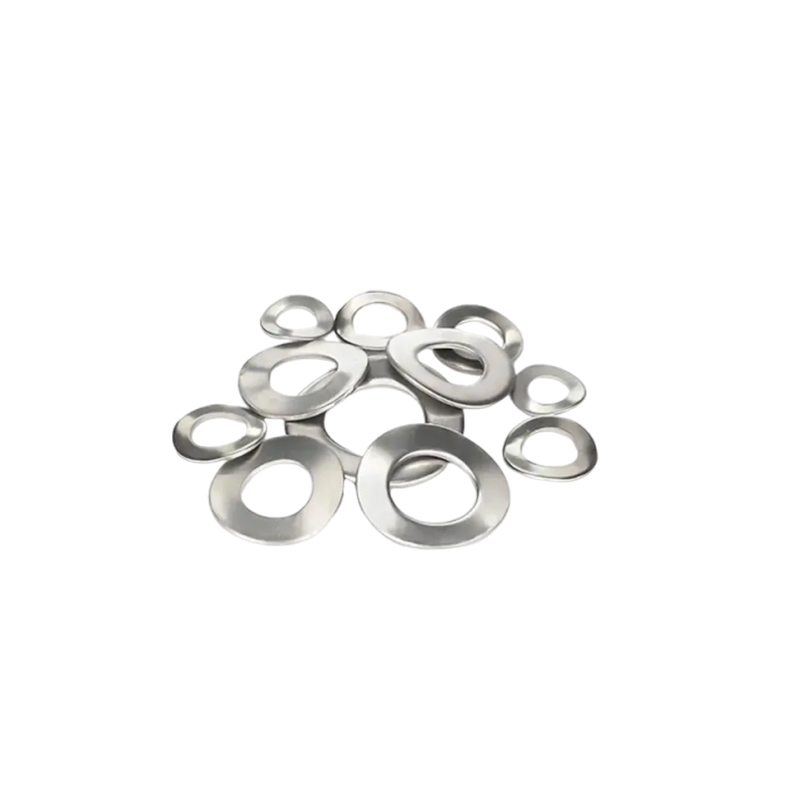
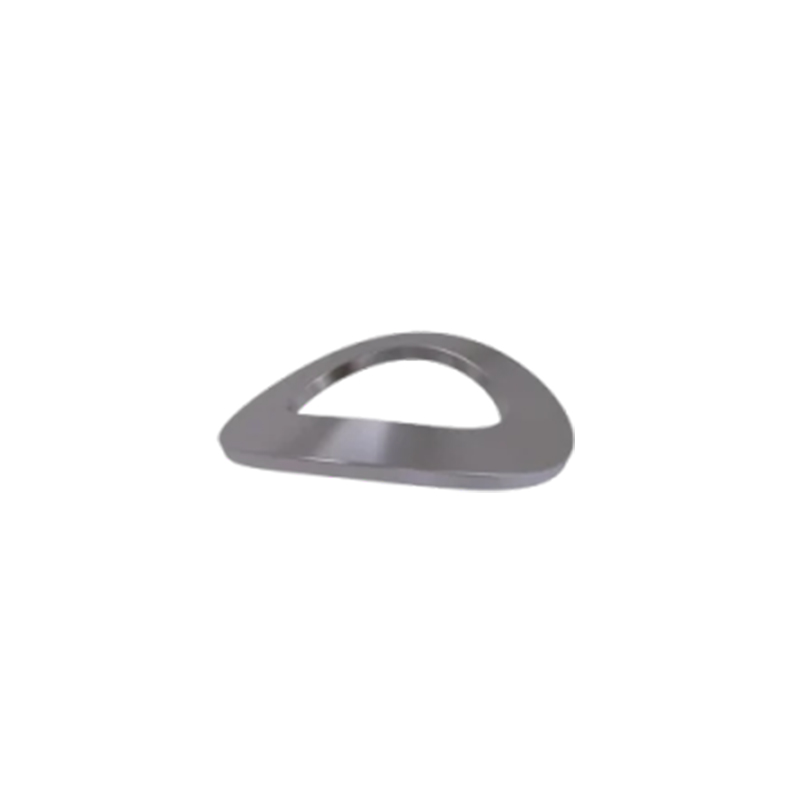
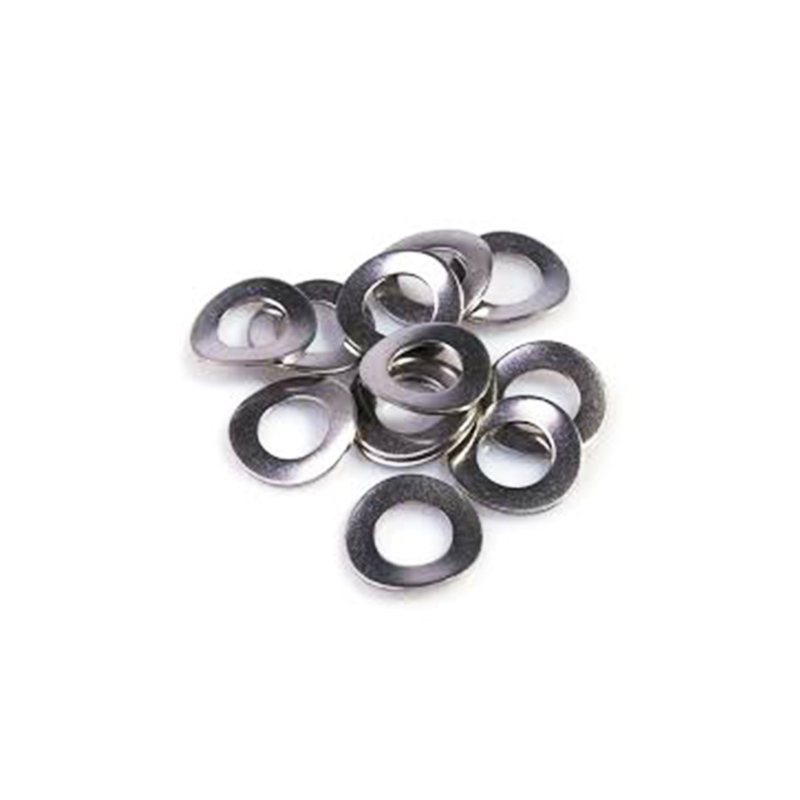
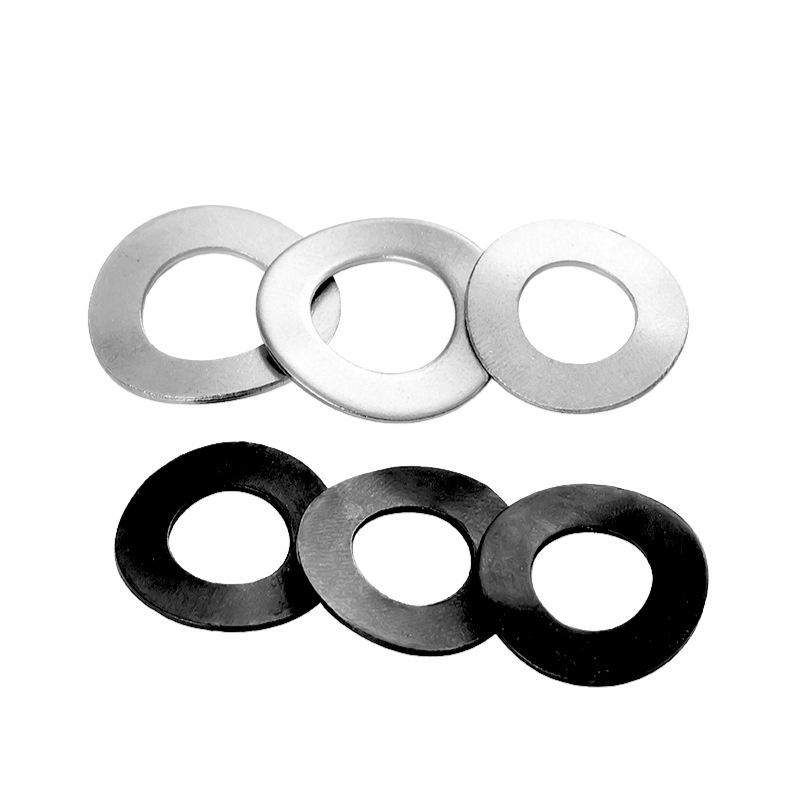
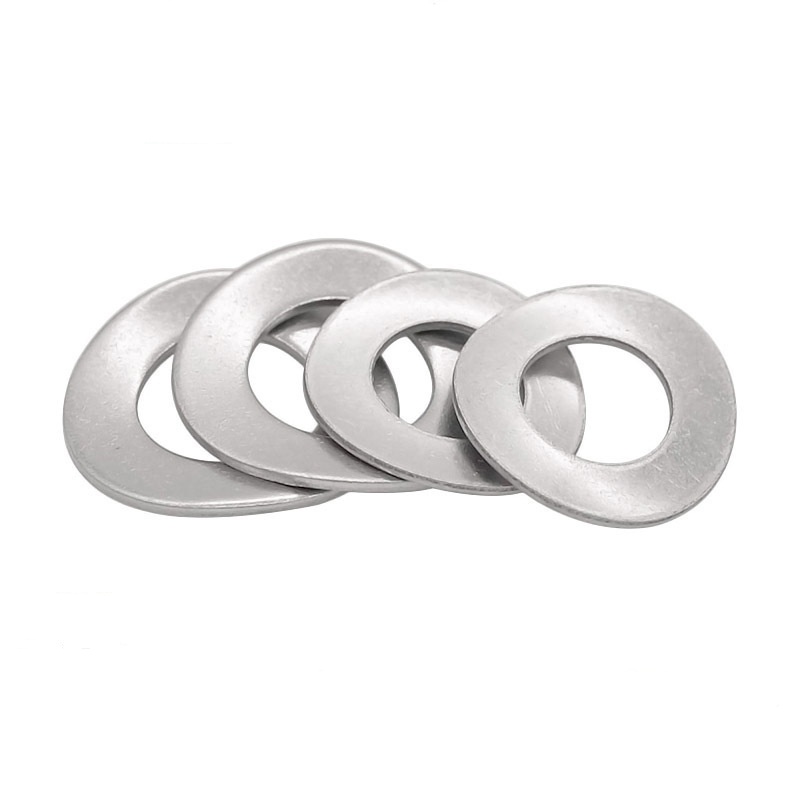
Stainless Steel Curved Spring Washer
The Stainless Steel Curved Spring Washer in the Xiaoguo® inventory have a wide range of applications and offer high cost-effectiveness. They help numerous customers save costs and provide effective usage guidance.
Send Inquiry
Product Description
The Application of Stainless Steel Curved Spring Washer in Precision Machinery and Instruments
The Stainless Steel Curved Spring Washer, thanks to its unique material properties and structural advantages, has become a widely adopted choice for precision instrument designers and engineers.
【1】Typical application case
(1)Medical Magnetic Resonance Imaging (MRI)
It is extremely sensitive to magnetic field interference. In the precise components inside the equipment, high-performance Stainless Steel Curved Spring Washer are used to effectively avoid the interference of electromagnetic fields on the imaging readings.
(2)Laser radar and optical equipment
In high-end microscopes, laser radar's precise focusing and rotating mechanisms, they are used to eliminate mechanical gaps and ensure smooth and precise angle rotation.
(3)Medical surgical instruments
In the micro transmission structure of the instruments, the Stainless Steel Curved Spring Washer need to cooperate with the telescopic device to provide precise axial elasticity.

【2】Multidimensional advantages
Overall, the Stainless Steel Curved Spring Washer has the following multiple advantages:
(1)High space utilization: The structure is compact, typically only 1/3 to 1/2 of that of traditional springs. In some miniature devices, as much as 50% of the axial space can be saved.
(2)Long fatigue life: During the design process, the stress distribution is uniform. Under appropriate compression, its fatigue life can reach tens of thousands to millions of cycles.
(3)The elastic output is smooth: It can provide a predictable and nearly linear preload force within its effective deformation range.
(4)Mechanical response stability: The multi-layer structure exhibits a more uniform variation characteristic, which can effectively reduce the vibration and impact responses during the operation process, and improve the stability of the mechanical system's operation.
(5) It cuts down on noise by soaking up vibration energy as parts move.
(6) You can choose different materials, wave counts, and layers depending on what you need – so it works for all kinds of conditions.
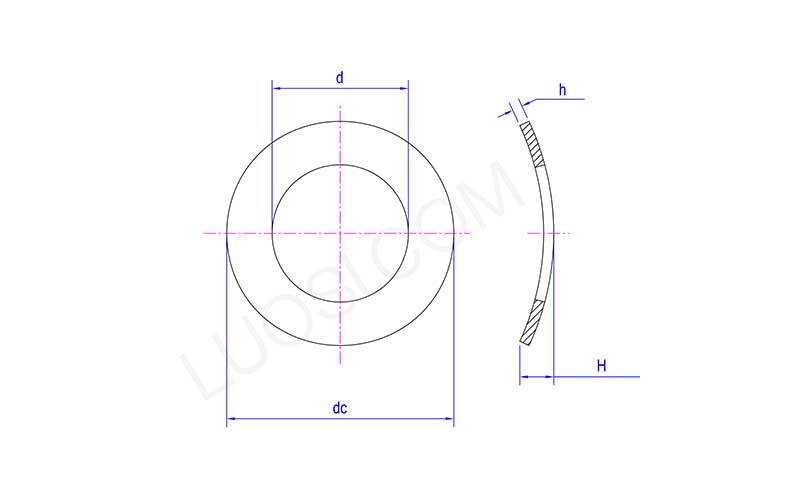
| Mon | ɸ2 | ɸ2.5 | ɸ3 | ɸ4 | ɸ5 | ɸ6 | ɸ8 | ɸ10 |
| d min | 2.2 | 2.7 | 3.2 | 4.3 | 5.3 | 6.4 | 8.4 | 10.5 |
| d max | 2.45 | 2.95 | 3.5 | 4.6 | 5.6 | 6.76 | 8.76 | 10.93 |
| dc min | 4.2 | 5.2 | 5.7 | 7.64 | 9.64 | 10.57 | 14.57 | 17.57 |
| dc max | 4.5 | 5.5 | 6 | 8 | 10 | 11 | 15 | 18 |
| H min | 0.5 | 0.55 | 0.65 | 0.8 | 0.9 | 1.1 | 1.7 | 2 |
| H max | 1 | 1.1 | 1.3 | 1.6 | 1.8 | 2.2 | 3.4 | 4 |
| h | 0.3 | 0.3 | 0.4 | 0.5 | 0.5 | 0.5 | 0.5 | 0.8 |
【3】Core parameters for selection
(1) Hole size or bolt diameter – this tells you what size washer you need.
(2) Material – pick it based on where it's going. For example, use stainless steel A4 in a salty or corrosive environment.
(3) Load – figure out how much preload your equipment needs, then choose the right type of Stainless Steel Curved Spring Washer.
(4) Deflection – how much space you have for the washer to bend will decide how much it needs to compress.
(5) Outer and inner diameter – these have to fit the mounting hole exactly.
Hot Tags: Stainless Steel Curved Spring Washer, China, Manufacturer, Supplier, Factory
Related Category
Send Inquiry
Please Feel free to give your inquiry in the form below. We will reply you in 24 hours.