- English
- Español
- Português
- русский
- Français
- 日本語
- Deutsch
- tiếng Việt
- Italiano
- Nederlands
- ภาษาไทย
- Polski
- 한국어
- Svenska
- magyar
- Malay
- বাংলা ভাষার
- Dansk
- Suomi
- हिन्दी
- Pilipino
- Türkçe
- Gaeilge
- العربية
- Indonesia
- Norsk
- تمل
- český
- ελληνικά
- український
- Javanese
- فارسی
- தமிழ்
- తెలుగు
- नेपाली
- Burmese
- български
- ລາວ
- Latine
- Қазақша
- Euskal
- Azərbaycan
- Slovenský jazyk
- Македонски
- Lietuvos
- Eesti Keel
- Română
- Slovenski
- मराठी
- Srpski језик

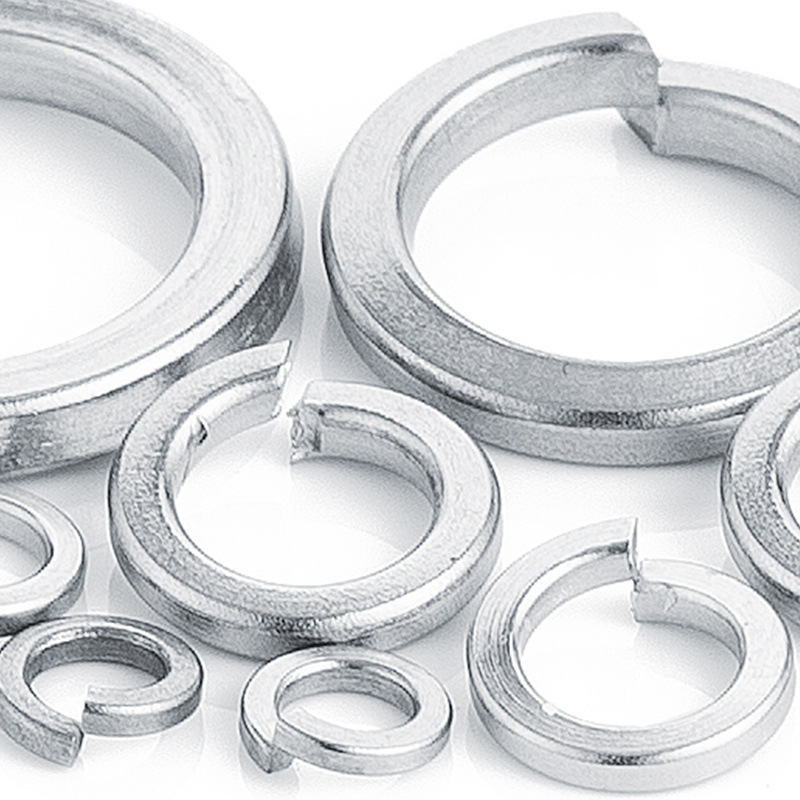
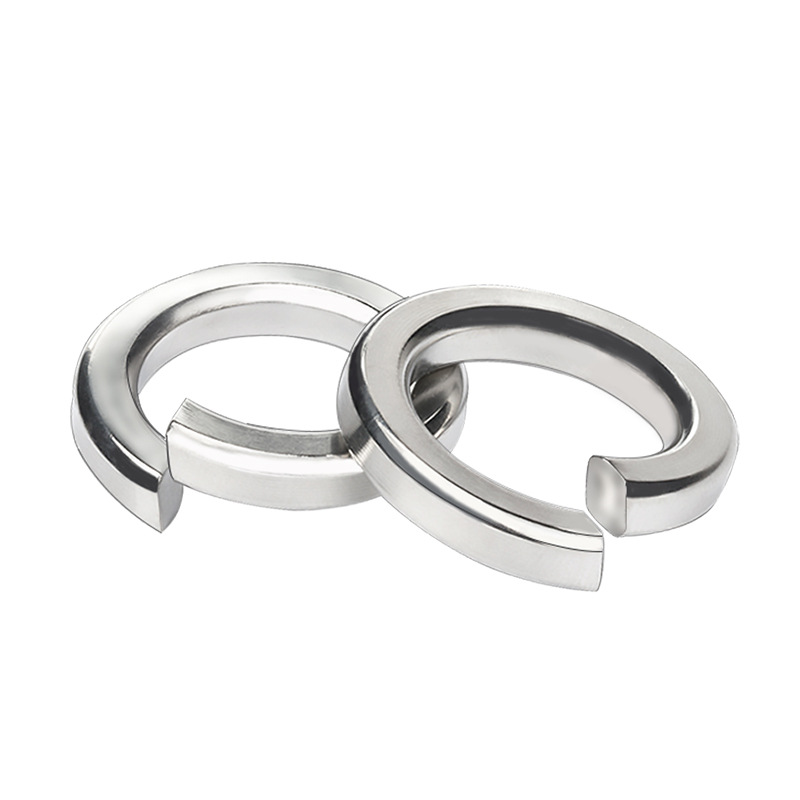
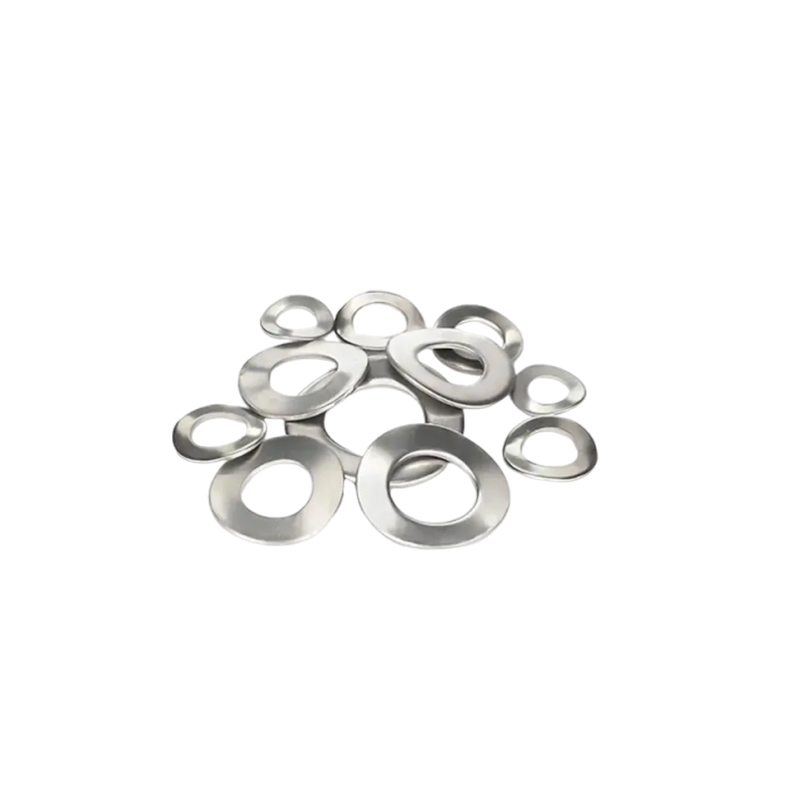
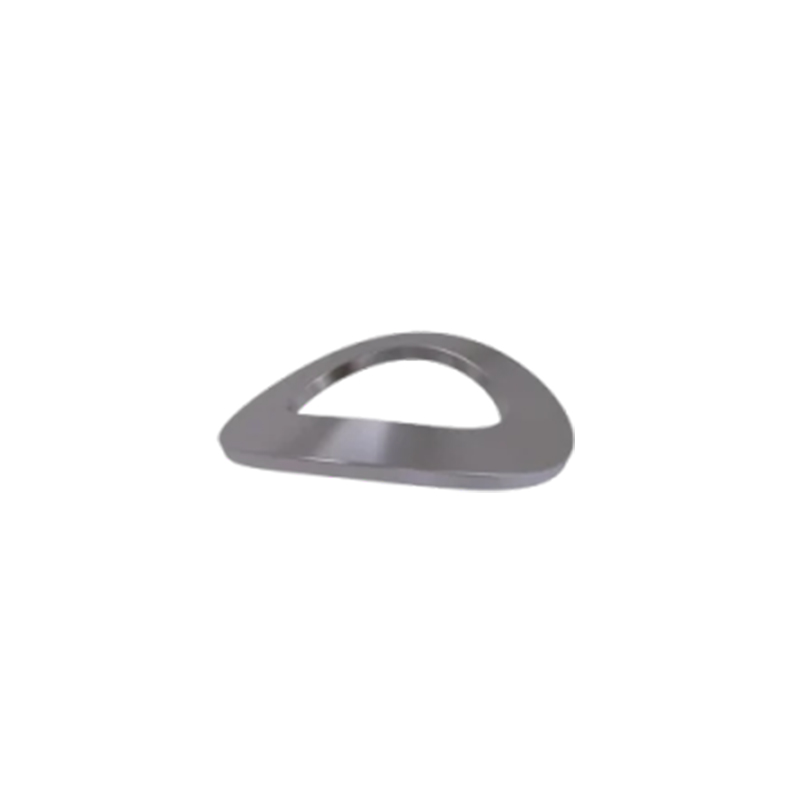
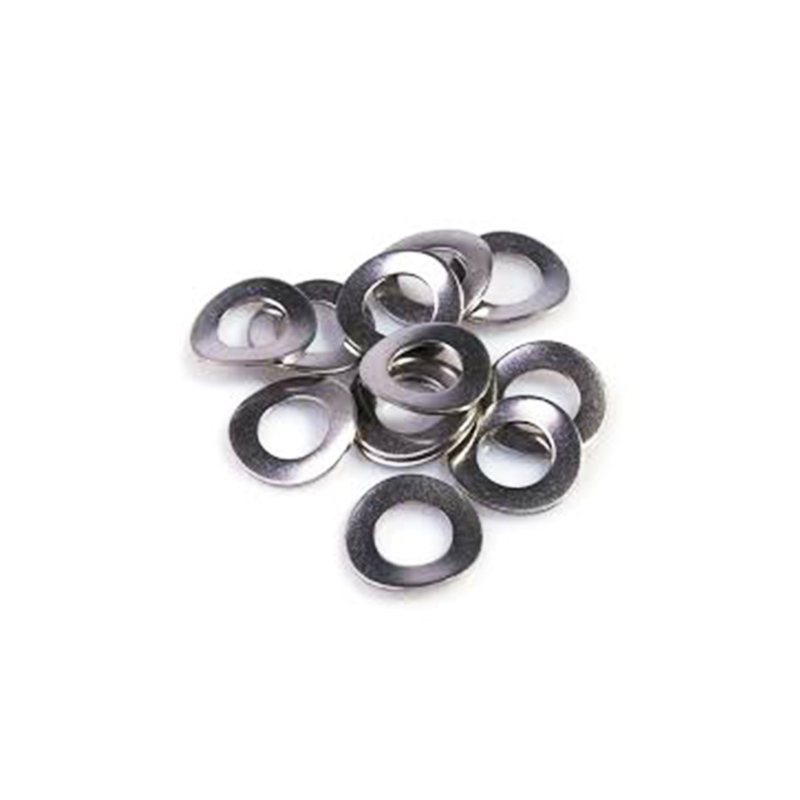
Split Lock Washer
During use, the connected parts may undergo a slight compression after being subjected to force. The elasticity of the Split Lock Washer produced by Xiaoguo® factory can compensate for this deformation and still keep the connection intact.
Send Inquiry
Product Description
In the automotive industry, the Split Lock Washer is a fundamental component. Its primary function is to prevent loosening. When it is compressed, it continuously generates reverse elasticity to increase the friction between the threads; at the same time, the sharp opening end will "bite" into the bolt head and the contact surface, creating additional physical resistance, thereby effectively resisting the continuous vibrations and impacts during vehicle operation.
【1】Specific application
(1)Engine and Ancillary Systems: Used to secure the generator, starter, fuel pump accessories, preventing them from loosening in a high-vibration environment. Also commonly found on bolts at positions such as the engine and transmission mounts, oil pan, valve cover, etc.
(2)Chassis and suspension system: Commonly seen at the connection points of control arms, stabilizer bars, shock absorbers and other suspension components; at the flange connection between the exhaust pipe and the manifold,Split Lock Washer are also used to prevent the bolts from loosening under high temperatures.
(3)Transmission system: The cover bolts used to fix the transmission components such as the differential and transfer case.
(4)Brake system: For some high-performance vehicles, it is used to secure the brake caliper bolts.
(5)Electrical system: In older vehicles, it is commonly used to fix the ground wire.
【2】Specification selection
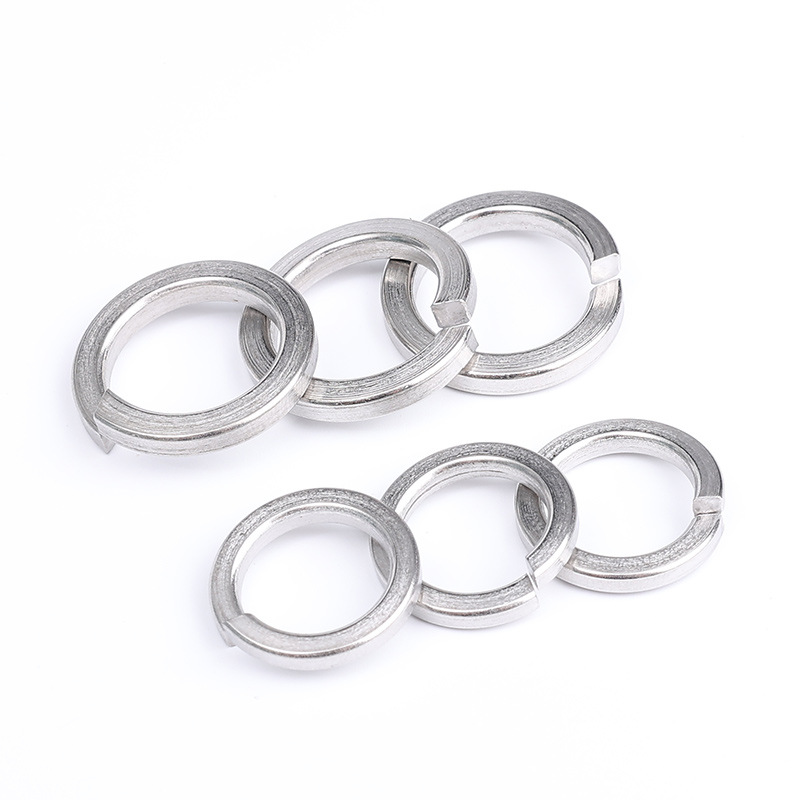
(1)The specifications directly correspond to the nominal diameter of the bolts, and their sizes follow specific national standards. DIN 127 (a German standard) is one of the most widely used metric standards in the automotive industry.
(2)The Split Lock Washer has sufficient strength and elasticity on its own. Common performance grades include Grade 5 (general type) and Grade 8 (high strength).
【3】Material selection
(1)Common carbon steel: Economical and practical, with yellow zinc or colored zinc coating (such as Dacromet) surface treatment, providing basic anti-corrosion capabilities.
(2)Stainless steel: Such as A2 or A4, are mainly used in high humidity and salt spray environments. A4 (316), due to its molybdenum content, has a stronger resistance to chloride ion corrosion and is particularly suitable for chassis or exhaust systems.
You may want to know
(1)Can Split Lock Washer really prevent loosening under high vibration in automotive applications?
It can play a certain role. Its elasticity increases friction, and the open end will bite into the contact surface. It is effective for moderate vibrations.
(2)After removing the bolts, can I use it again?
It is not recommended. Because after installation, the gasket will be flattened and undergo plastic deformation, resulting in a decrease in elasticity.
(3)Which material is best for under‑carriage applications (salt, moisture)?
It is recommended to use A4 (316) stainless steel or electroless nickel coating on carbon steel.
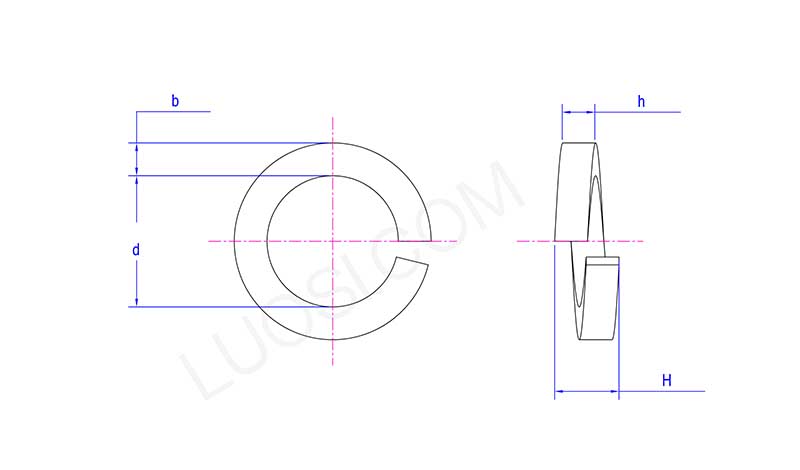
| Mon | φ18 | φ20 | φ22 | φ2 4 | φ27 | φ30 | φ33 | φ36 | φ39 | φ42 | φ45 |
| d min | 18.2 | 20.2 | 22.5 | 24.5 | 27.5 | 30.5 | 33.5 | 36.5 | 39.5 | 42.5 | 45.5 |
| d max | 19.04 | 21.04 | 23.34 | 25.5 | 28.5 | 31.5 | 34.7 | 37.7 | 40.7 | 43.7 | 46.7 |
| b min | 4.3 | 4.8 | 5.3 | 5.8 | 6.5 | 7.2 | 8.2 | 8.7 | 9.7 | 10.2 | 10.7 |
| b max | 4.7 | 5.2 | 5.7 | 6.2 | 7.1 | 7.8 | 8.8 | 9.3 | 10.3 | 10.8 | 11.3 |
| h min | 4.3 | 4.8 | 5.3 | 5.8 | 6.5 | 7.2 | 8.2 | 8.7 | 9.7 | 10.2 | 10.7 |
| h max | 4.7 | 5.2 | 5.7 | 6.2 | 7.1 | 7.8 | 8.8 | 9.3 | 10.3 | 10.8 | 11.3 |
| H min | 9 | 10 | 11 | 12 | 13.6 | 15 | 17 | 18 | 20 | 21 | 22 |
| H max | 11.25 | 12.5 | 13.75 | 15 | 17 | 18.75 | 21.25 | 22.5 | 25 | 26.25 | 27.5 |
Hot Tags: Split Lock Washer, China, Manufacturer, Supplier, Factory
Related Category
Send Inquiry
Please Feel free to give your inquiry in the form below. We will reply you in 24 hours.