- English
- Español
- Português
- русский
- Français
- 日本語
- Deutsch
- tiếng Việt
- Italiano
- Nederlands
- ภาษาไทย
- Polski
- 한국어
- Svenska
- magyar
- Malay
- বাংলা ভাষার
- Dansk
- Suomi
- हिन्दी
- Pilipino
- Türkçe
- Gaeilge
- العربية
- Indonesia
- Norsk
- تمل
- český
- ελληνικά
- український
- Javanese
- فارسی
- தமிழ்
- తెలుగు
- नेपाली
- Burmese
- български
- ລາວ
- Latine
- Қазақша
- Euskal
- Azərbaycan
- Slovenský jazyk
- Македонски
- Lietuvos
- Eesti Keel
- Română
- Slovenski
- मराठी
- Srpski језик

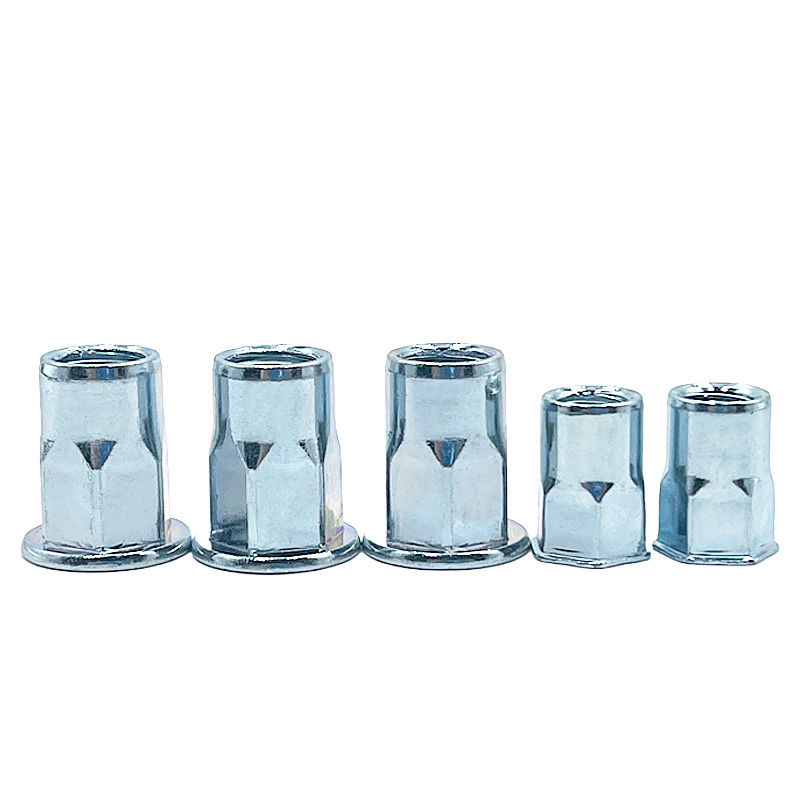
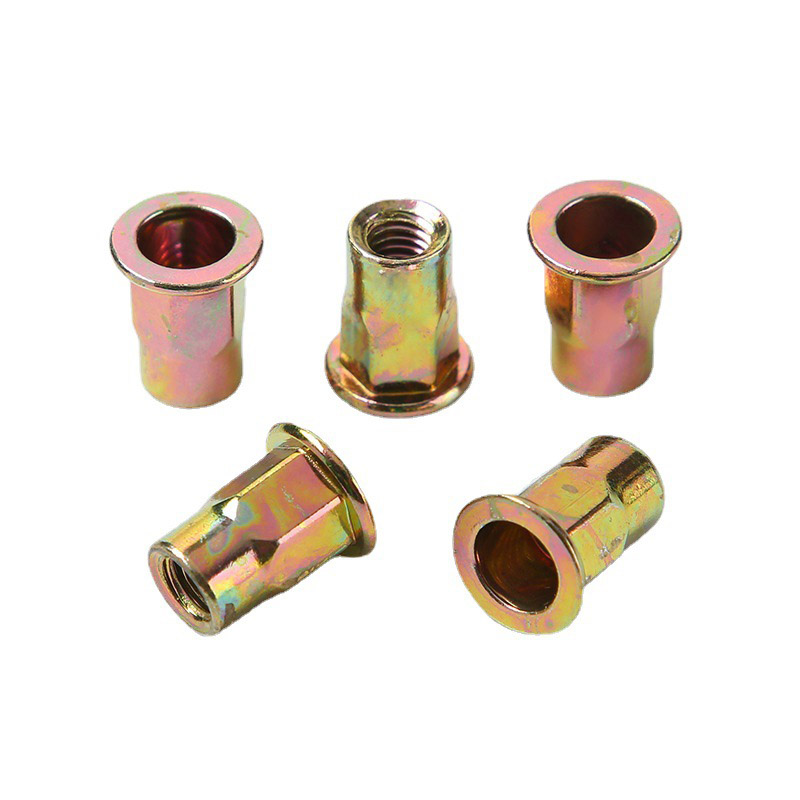
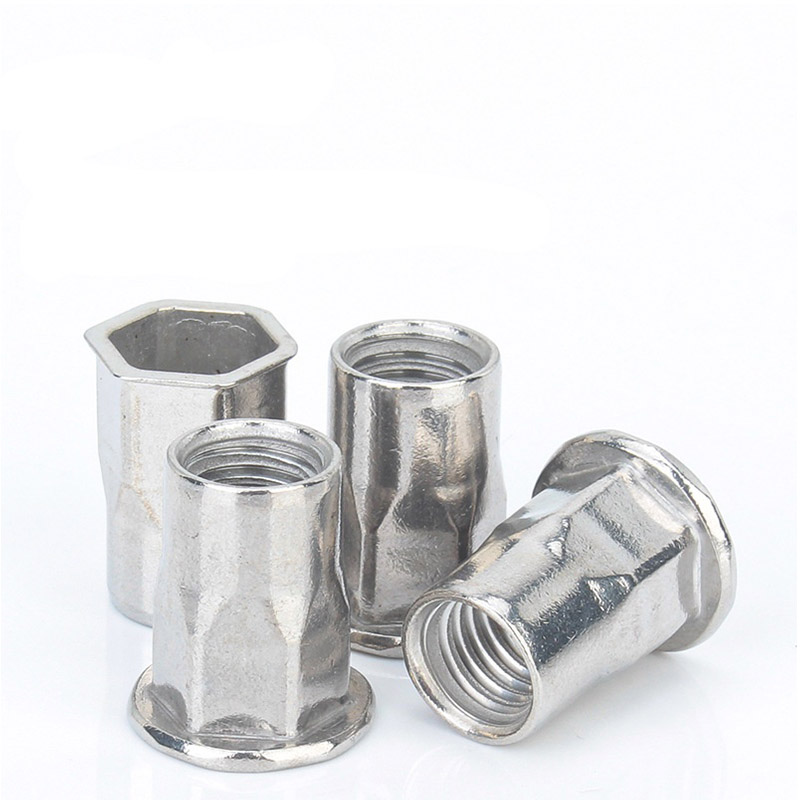
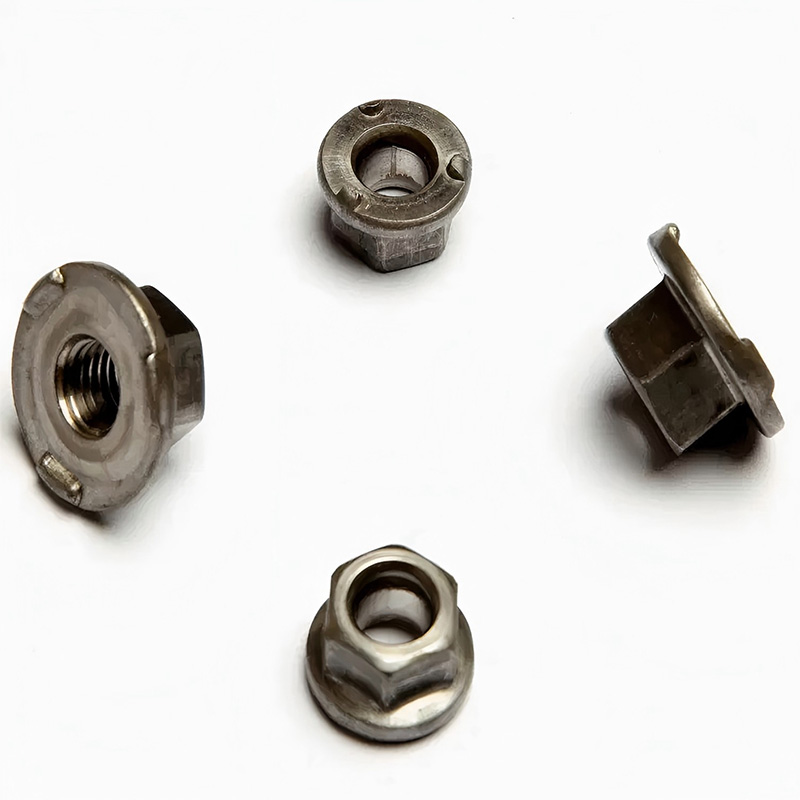
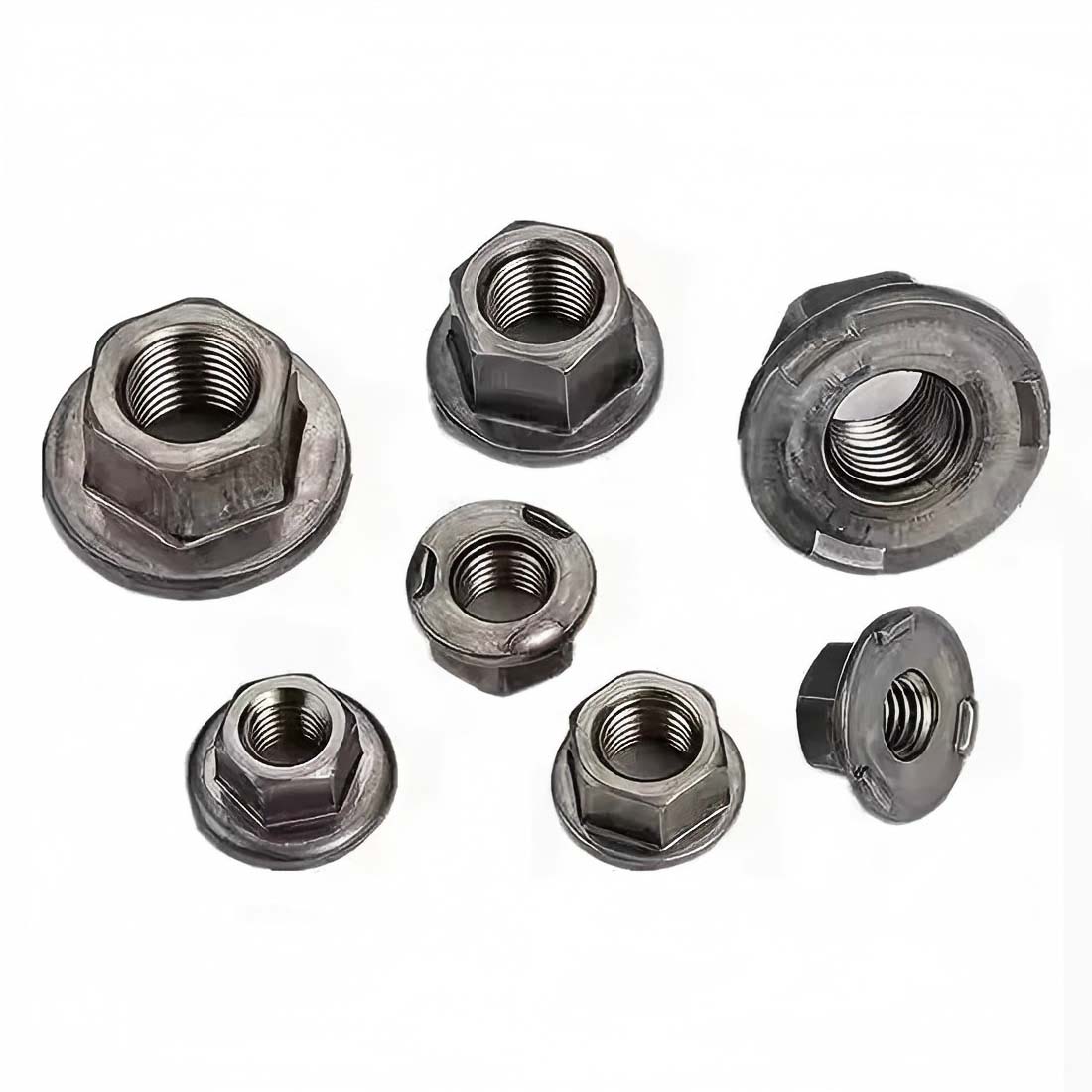
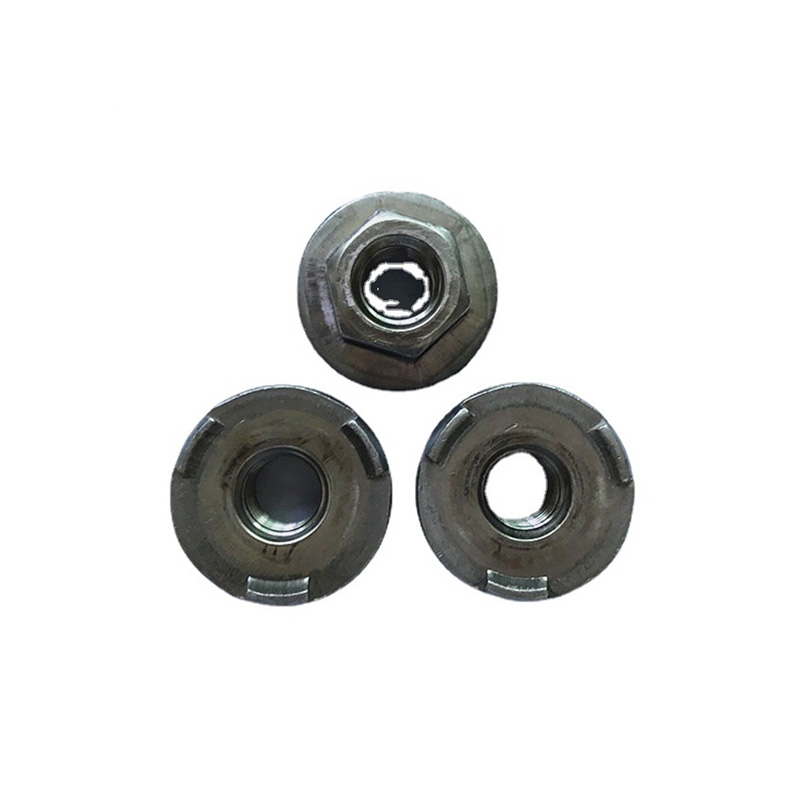
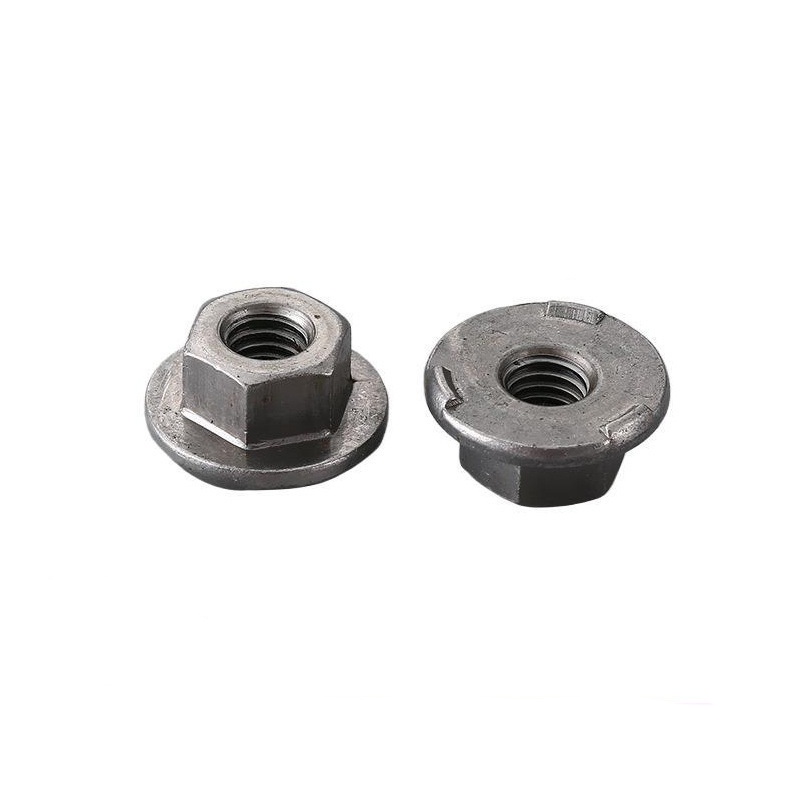
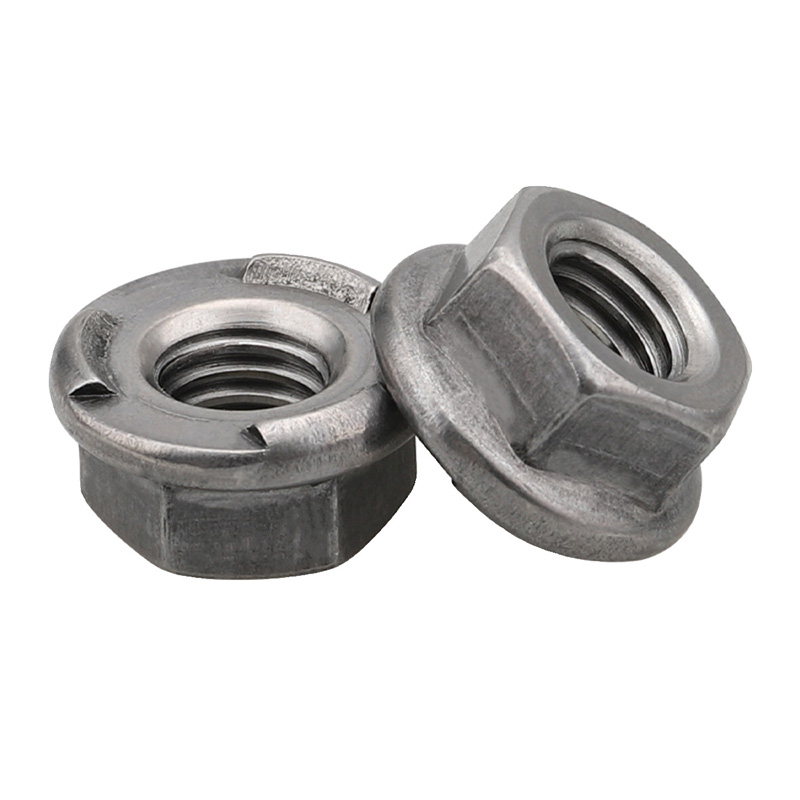
Secure Anchoring Hex Rivet Nut
Secure Anchoring Hex Rivet Nut with their hexagonal structure, offer superior torque resistance. Many buyers regularly purchase these components from Xiaoguo to ensure production schedules are met.
Model:GB/T17880.1-1999
Send Inquiry
Product Description
Secure Anchoring Hex Rivet Nuts are manufactured from a variety of durable materials to meet the diverse application needs of different industries and projects, including ordinary carbon steel, stainless steel (such as the commonly used grades 304 and 316), lightweight aluminum, and conductive copper. The selection of the right material for Nuts mainly depends on practical factors like the level of strength the fastener is required to have, its ability to resist corrosion in different settings, and the specific environmental conditions that the fastener will be exposed to during its use.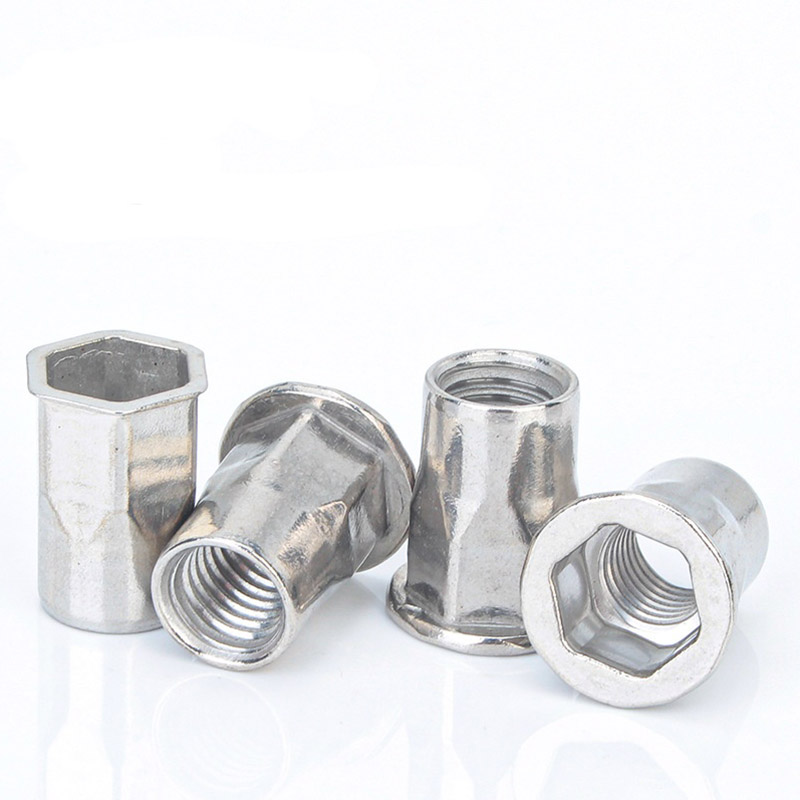
Surface
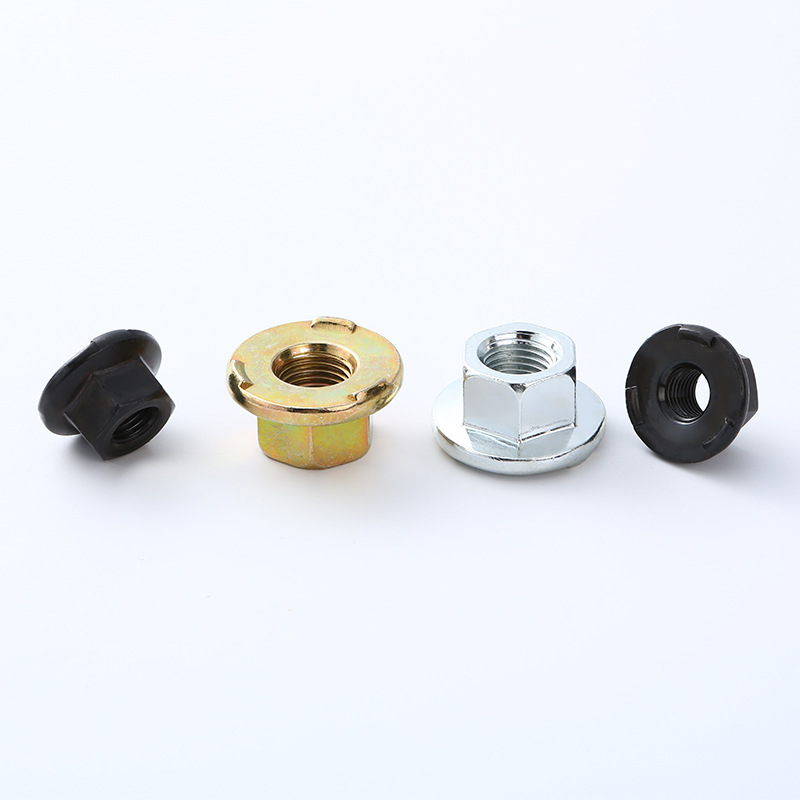
Secure Anchoring Hex Rivet Nuts get different surface treatments to make them work better. You’ll commonly see zinc plating on them—it gives decent corrosion resistance. Then there’s zinc-nickel coating, which is a more advanced option that protects them better; some of these coatings can even hold up through more than 720 hours of salt spray testing. These coatings that don’t have hexavalent chromium usually have lubricating particles mixed in, and that makes sure the friction coefficient stays steady. For the aluminum alloy types of Nuts, people use special coatings that are cured at set temperatures—this is to keep the material’s mechanical strength from changing. Also, thick-film passivation is another option; it’s a tough coating that doesn’t use chromium either. You pick the right treatment based on how you need to balance things like corrosion resistance, torque strength, and the kind of environment the fastener will be in.
FAQ
Q: What tools do you need to put in a Secure Anchoring Hex Rivet Nut?
A: You’ll need a special pulling tool to install it—people usually call it a rivet nut tool or installer. This tool has a threaded mandrel that screws into it internal threads. When you use the tool, it pulls the rivet nut. That makes the back end of the nut bend and bulge out. At the same time, the hex shape locks it into the pre-drilled hexagonal hole. This way, you get a strong, fixed threaded insert. And you don’t even need to reach the back of the workpiece to do it.
Hot Tags: Secure Anchoring Hex Rivet Nut, China, Manufacturer, Supplier, Factory
Related Category
Hexagon Nut
Square Nut
Hexagon Flange Nut
Lock Nut
Cap Nut
Hexagon Slotted Nut
Hand Screw The Nut
Round Nut
Hubs Nuts
T-nut
Reed Nut
Other Nuts
Send Inquiry
Please Feel free to give your inquiry in the form below. We will reply you in 24 hours.