- English
- Español
- Português
- русский
- Français
- 日本語
- Deutsch
- tiếng Việt
- Italiano
- Nederlands
- ภาษาไทย
- Polski
- 한국어
- Svenska
- magyar
- Malay
- বাংলা ভাষার
- Dansk
- Suomi
- हिन्दी
- Pilipino
- Türkçe
- Gaeilge
- العربية
- Indonesia
- Norsk
- تمل
- český
- ελληνικά
- український
- Javanese
- فارسی
- தமிழ்
- తెలుగు
- नेपाली
- Burmese
- български
- ລາວ
- Latine
- Қазақша
- Euskal
- Azərbaycan
- Slovenský jazyk
- Македонски
- Lietuvos
- Eesti Keel
- Română
- Slovenski
- मराठी
- Srpski језик

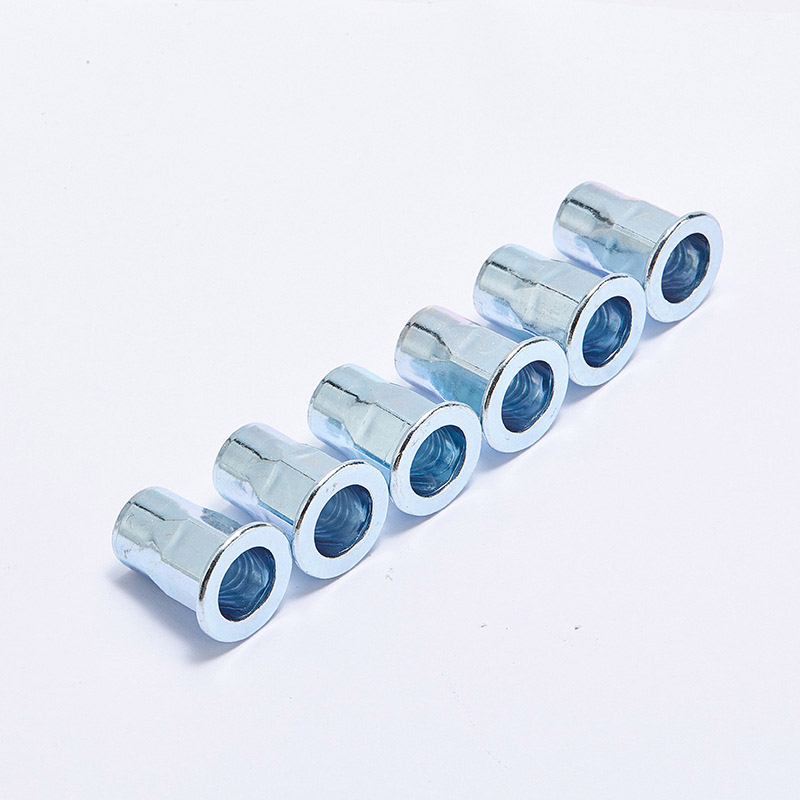
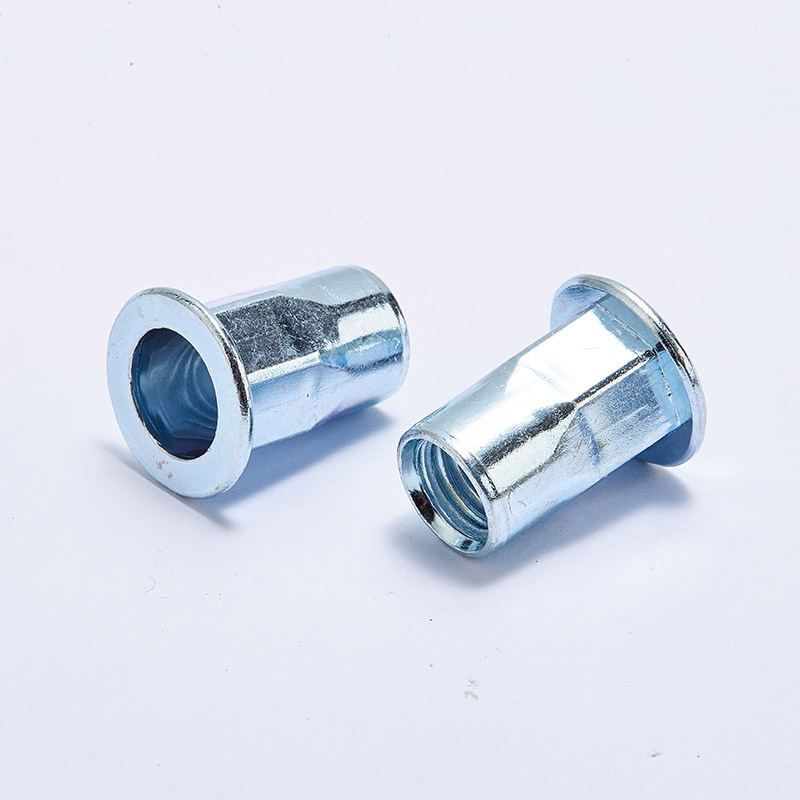
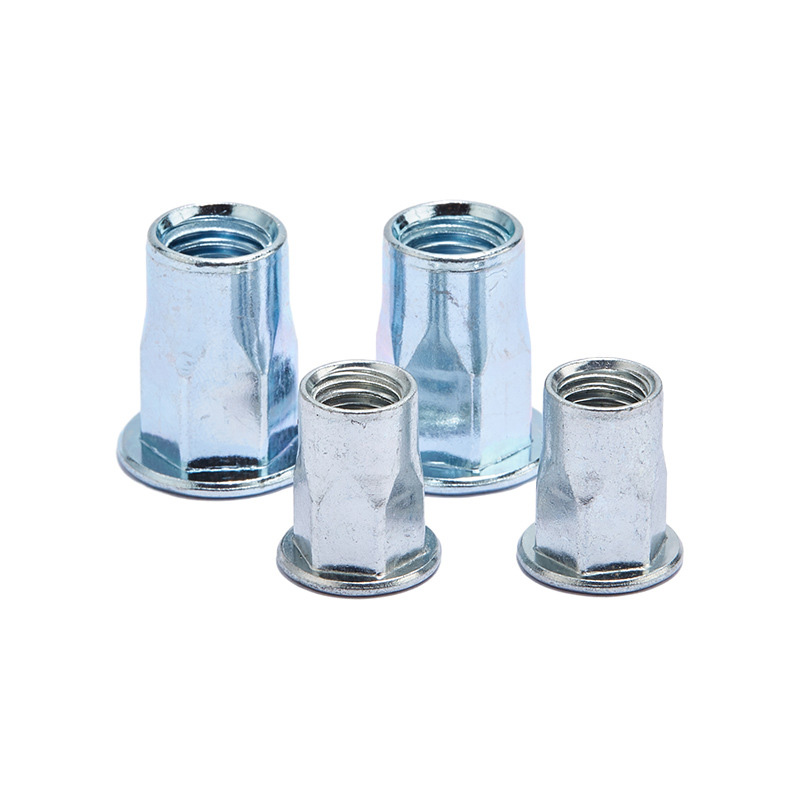
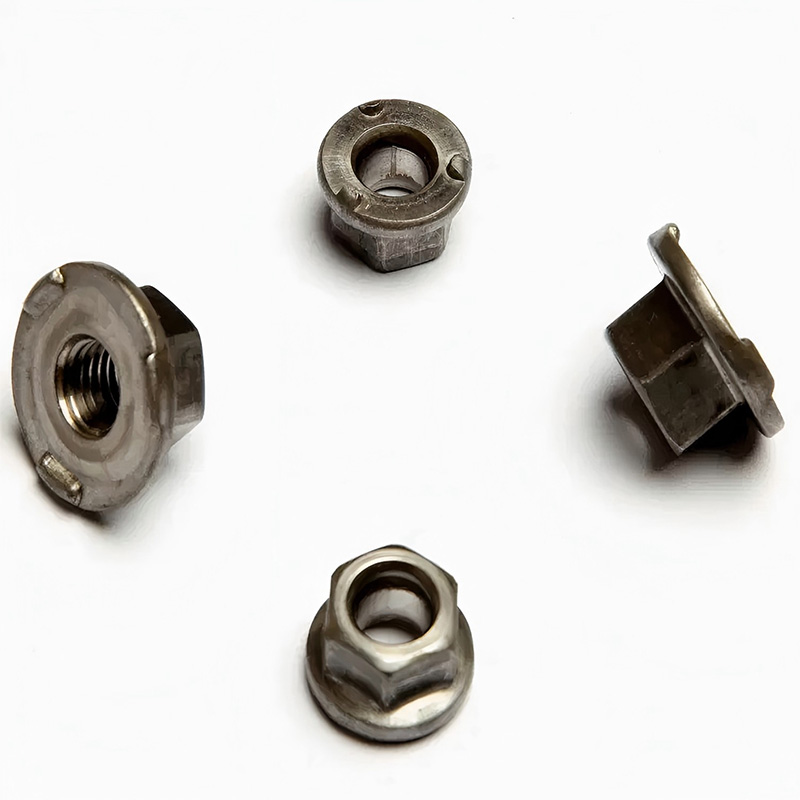
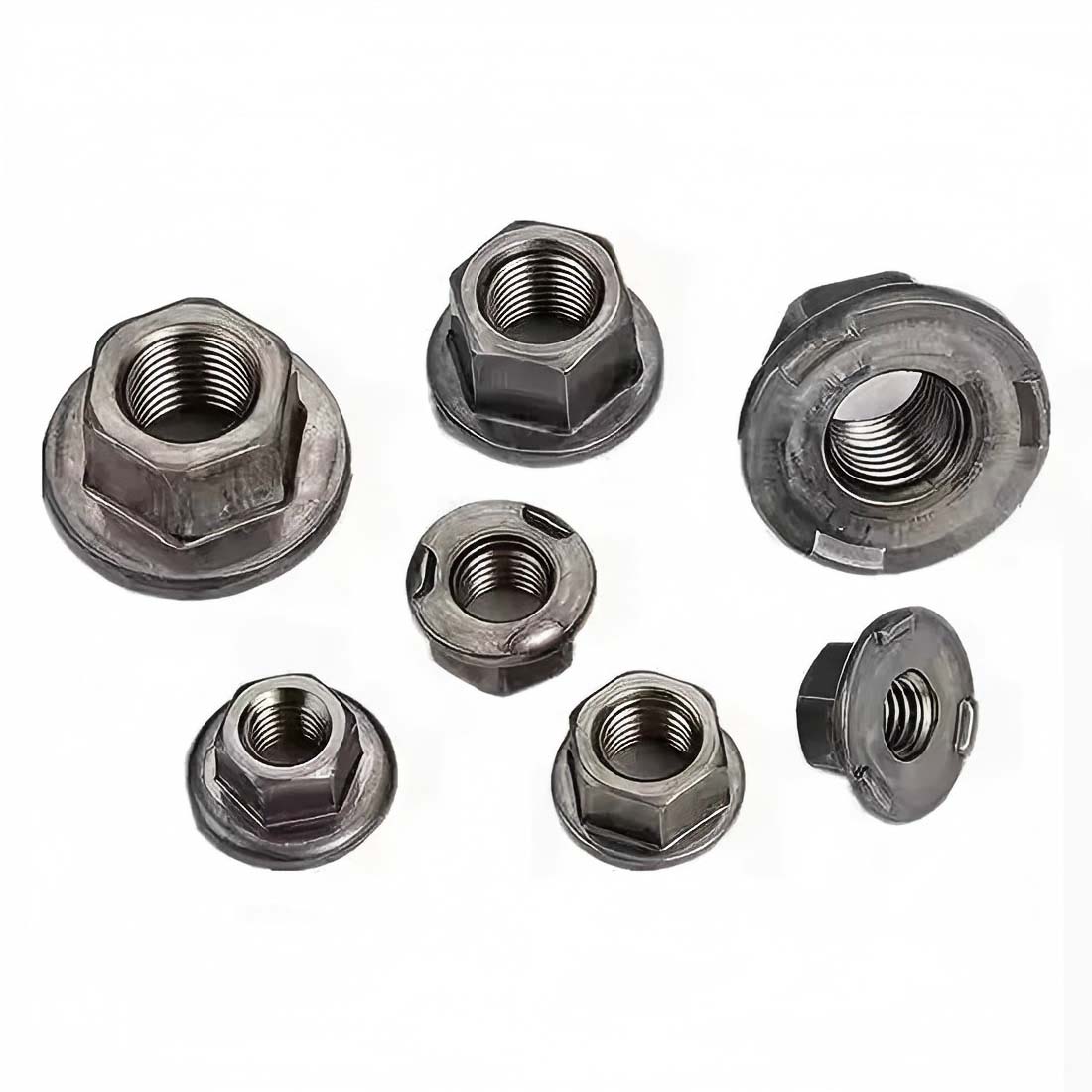
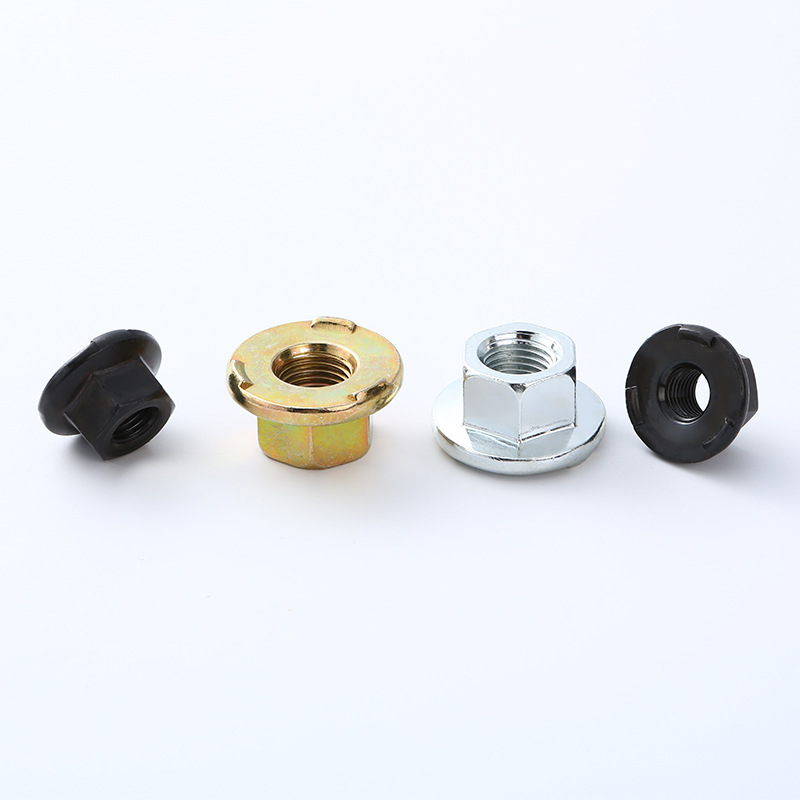
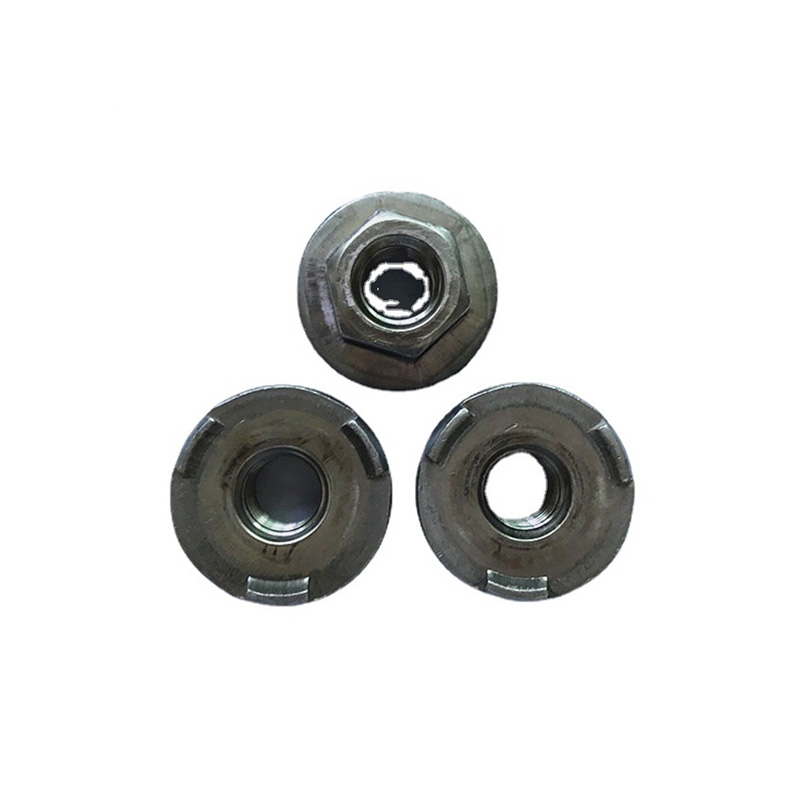
Hex Locking Hex Rivet Nut
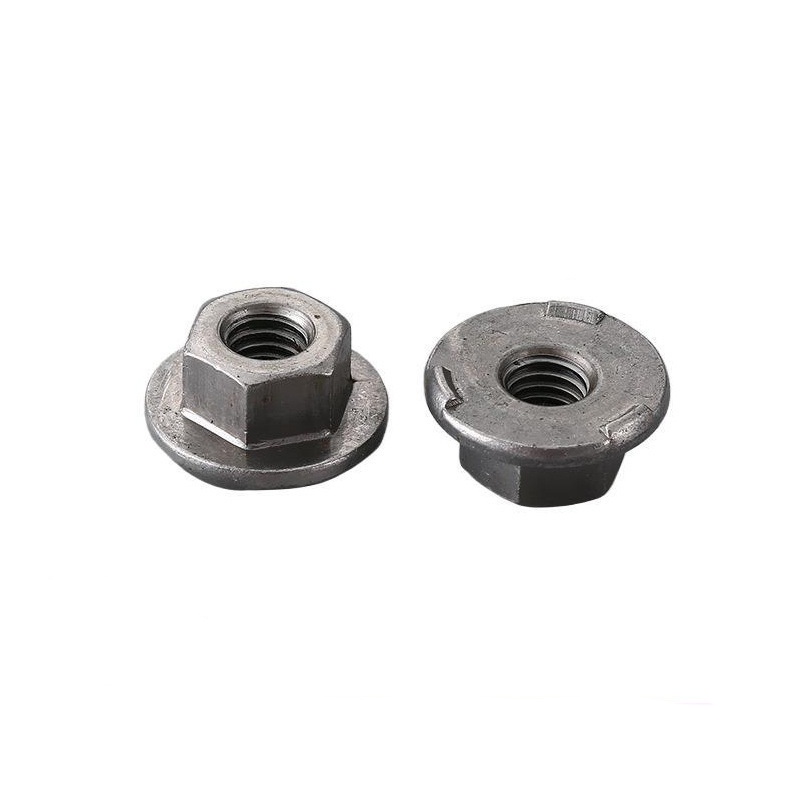
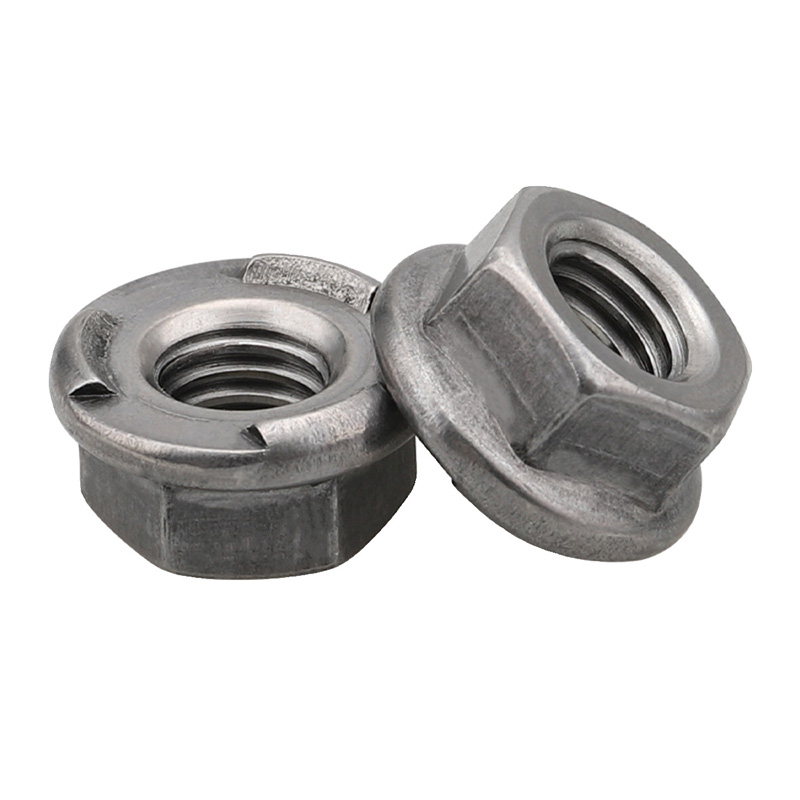
The biggest advantage of the Hex Locking Hex Rivet Nut is that it is not easily rotated after installation. Unlike round nuts, its hexagonal shape can firmly hold the installed material. Hex lock nuts manufactured by Xiaoguo provide a strong threaded insert in thin materials to improve cost-effectiveness.
Model:GB/T17880.1-1999
Send Inquiry
Product Description
To put these in place, you’ll need a Hex Locking Hex Rivet Nut tool (a special rivet gun) with mandrels that can be swapped out to match the nut’s thread size—things like M3 or M4 work for this.
There are a few main steps to get the installation done. First, make sure the pre-drilled hole in the base material is clean. Then, pick the right mandrel for your Nut and screw the nut onto it tight. Stick the assembled nut into the pre-drilled hole. Hold the tool straight up against the work surface, squeeze the handles hard to pull the rivet nut so it bends and clamps down tight on the back of the material. Last, unscrew the mandrel to take the tool off, and you’ll be left with a threaded insert that’s fixed in place.
Make sure you always pick a rivet nut that goes with the thickness of your material and the screw size you need—this way the fastening will hold well.
Packaging
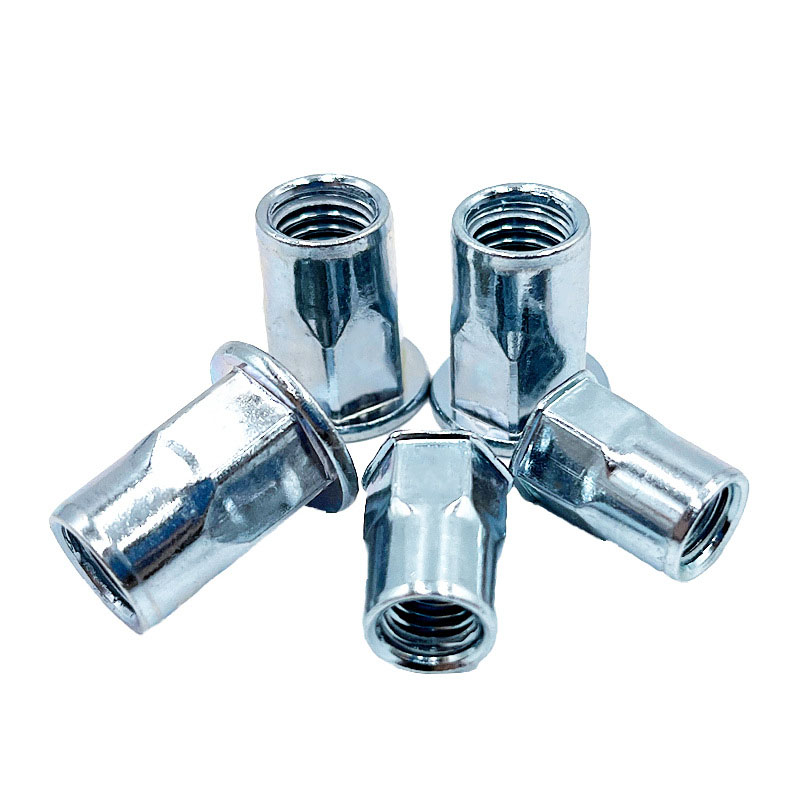
When it comes to the packaging of Hex Locking Hex Rivet Nuts, they’re typically sold in big batches for the day-to-day industrial or trade applications that businesses have. For a specific example, one well-known supplier in the industry sells these rivet nuts in standard packs that contain 50 pieces each. On top of that, manufacturers and wholesalers can provide even bigger bulk packaging options for customers who need larger quantities—some of these suppliers will sort assorted types of Nuts into sturdy cartons or simple plastic bags for delivery, and if you’re placing a large-scale order with them, you can also request OEM customization to match your exact product needs and branding requirements too.
What’s the main plus of using a Hex Locking Hex Rivet Nut?
A: Its biggest upside is that it doesn’t spin easily once installed. Unlike the round ones, its hexagonal shape grips onto the material it’s fitted into. So when you’re tightening the bolt, the nut won’t turn along with it. This makes it really useful for blind applications—like when you can only work from one side. It’s great for softer materials too, such as wood, plastic, or thin sheet metal. In these cases, having a threaded anchor that stays put and doesn’t spin is key for putting things together properly and making sure it holds up well over time.
Hot Tags: Hex Locking Hex Rivet Nut, China, Manufacturer, Supplier, Factory
Related Category
Hexagon Nut
Square Nut
Hexagon Flange Nut
Lock Nut
Cap Nut
Hexagon Slotted Nut
Hand Screw The Nut
Round Nut
Hubs Nuts
T-nut
Reed Nut
Other Nuts
Send Inquiry
Please Feel free to give your inquiry in the form below. We will reply you in 24 hours.