- English
- Español
- Português
- русский
- Français
- 日本語
- Deutsch
- tiếng Việt
- Italiano
- Nederlands
- ภาษาไทย
- Polski
- 한국어
- Svenska
- magyar
- Malay
- বাংলা ভাষার
- Dansk
- Suomi
- हिन्दी
- Pilipino
- Türkçe
- Gaeilge
- العربية
- Indonesia
- Norsk
- تمل
- český
- ελληνικά
- український
- Javanese
- فارسی
- தமிழ்
- తెలుగు
- नेपाली
- Burmese
- български
- ລາວ
- Latine
- Қазақша
- Euskal
- Azərbaycan
- Slovenský jazyk
- Македонски
- Lietuvos
- Eesti Keel
- Română
- Slovenski
- मराठी
- Srpski језик


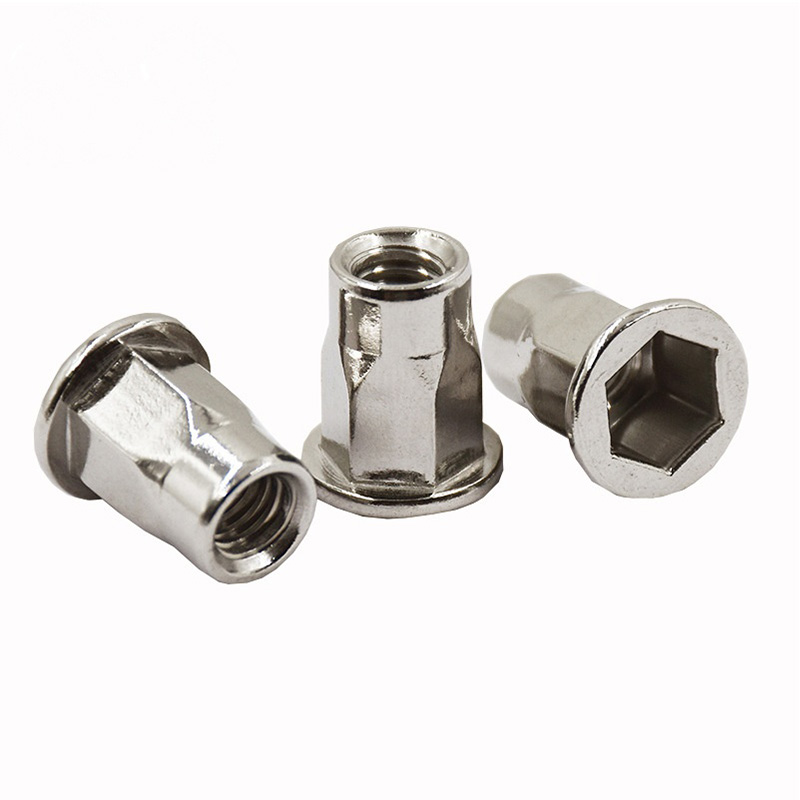
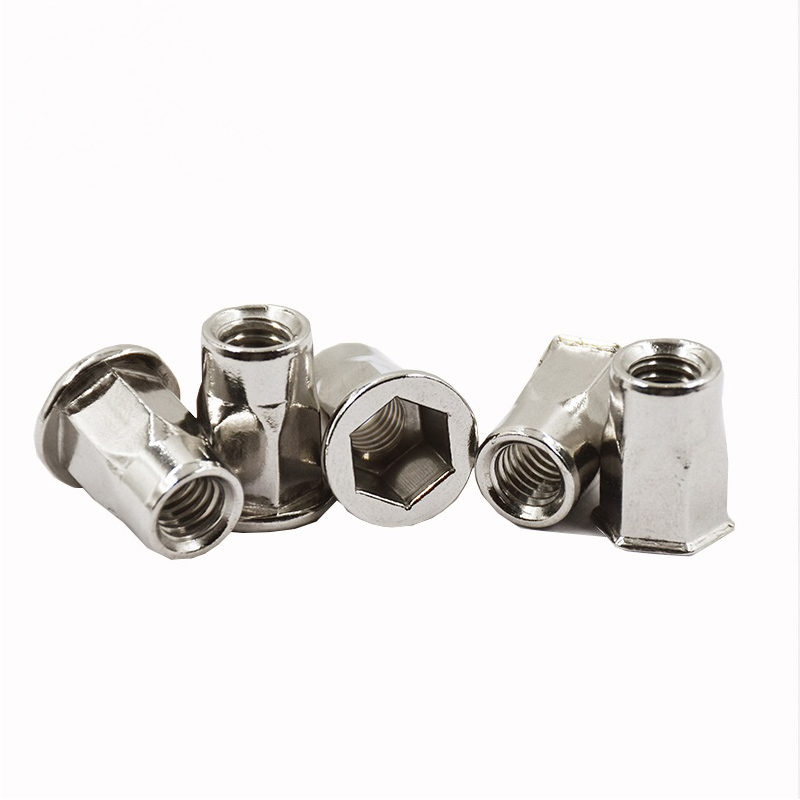
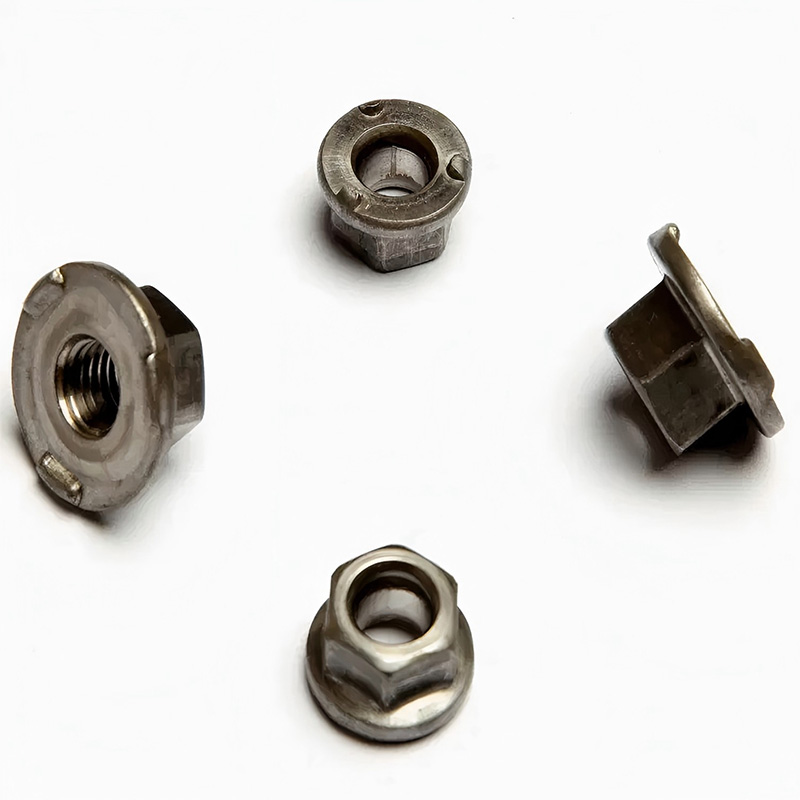
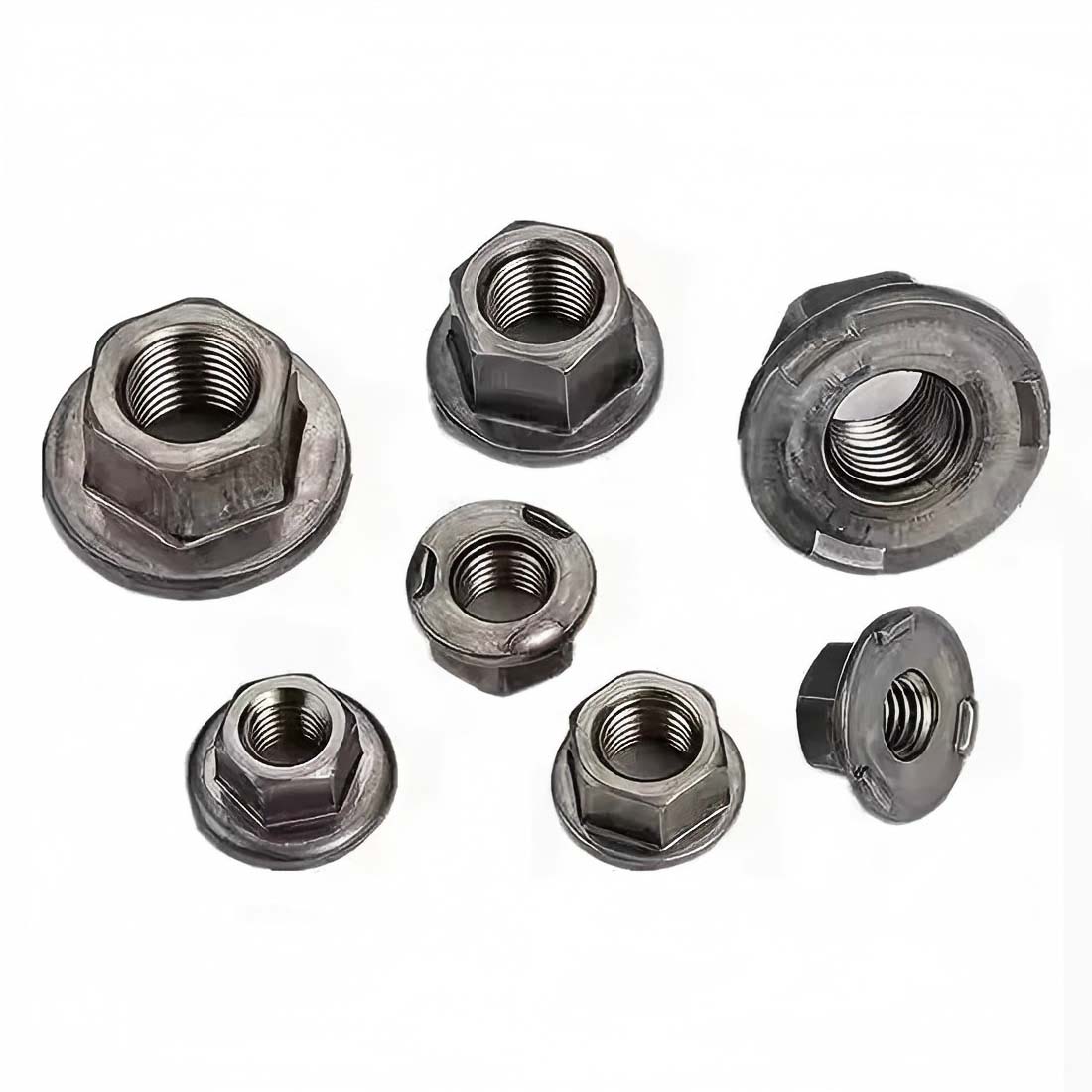
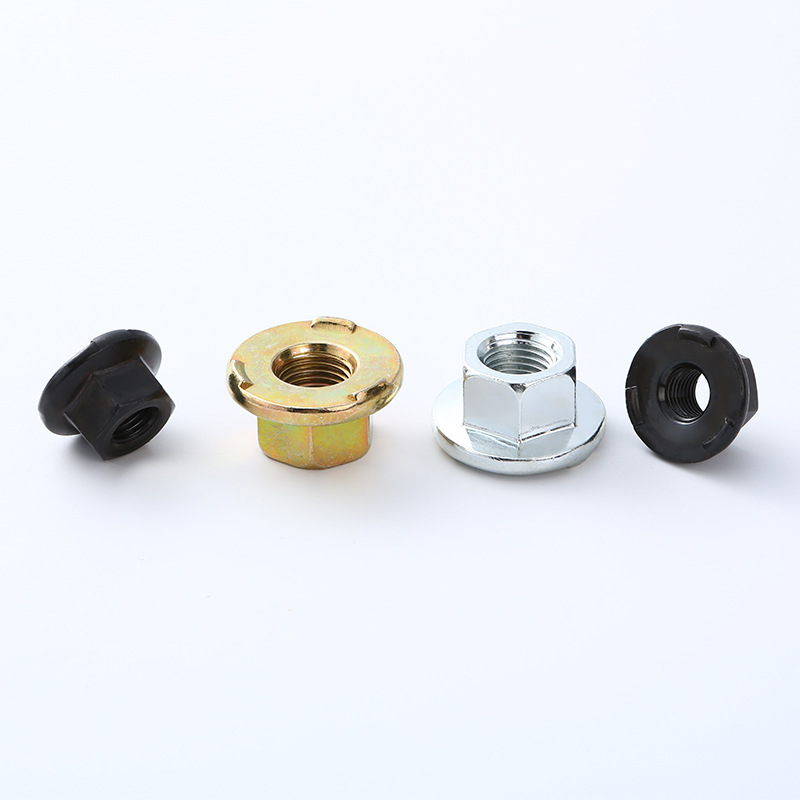
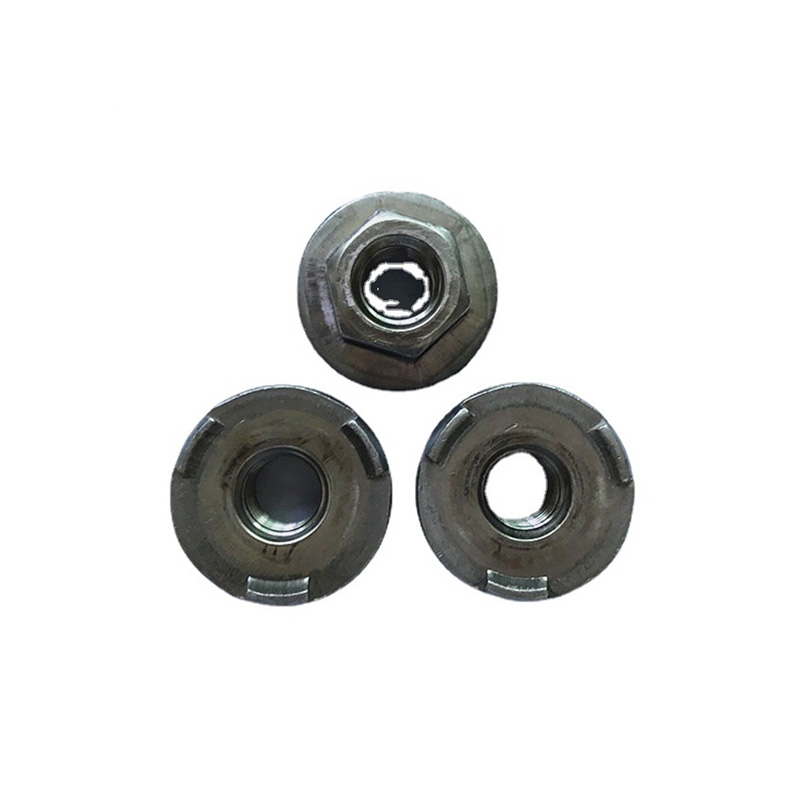
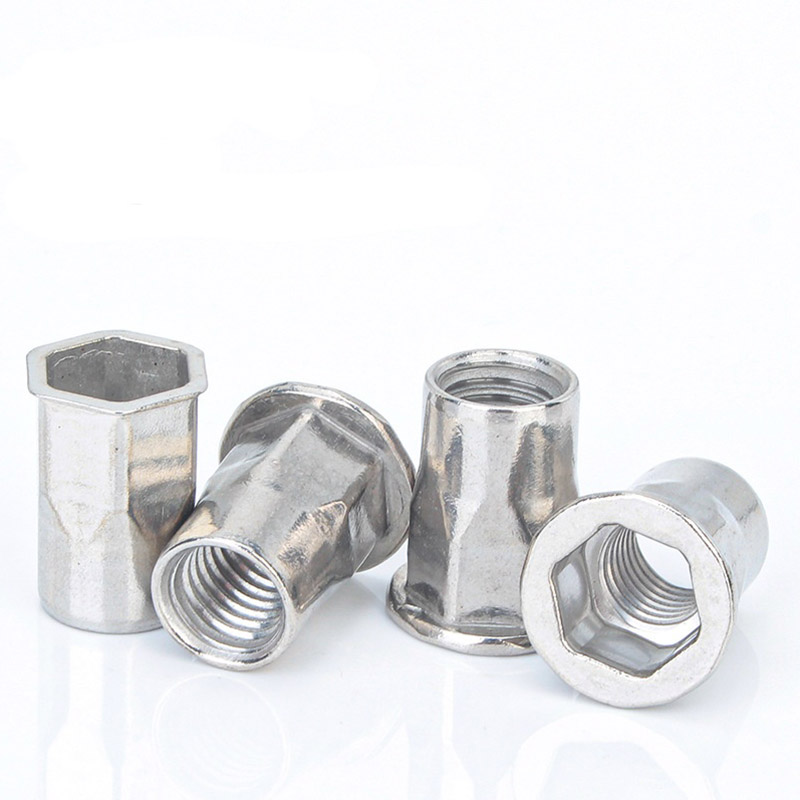
Blind Side Hex Rivet Nut
Available in steel, aluminum and stainless steel variants, the Blind Side Hex Rivet Nut suits different environmental needs. The purchasing teams of many customers often order these products from the Chinese supplier named Xiaoguo.
Model:GB/T17880.1-1999
Send Inquiry
Product Description
We list out the common specs for Blind Side Hex Rivet Nuts by their thread sizes—things like M3, M4, M5, M6, M8, M10, and M12 are what you’ll usually find. We make these fasteners out of different materials too, like carbon steel, stainless steel (grades 304 and 316 are the usual ones), and aluminum. We pick the material based on what’s needed for strength and how well it has to stand up to rust. For example, a carbon steel Nut might go by strength classes such as 4.8 or 6.8, while the stainless steel ones follow a different set of grade systems. These products are also designed to stick to certain industry standards, which set the rules for their size and how well they work—like how much torque they can handle before giving out.
Product quality control
To check the quality of Blind Side Hex Rivet Nut, we do strict checks on the materials, measure their dimensions, and run performance tests—all to make sure they’re reliable to use. Manufacturers usually follow the set industry standards, which lay out the chemical makeup of the materials, the mechanical properties like how hard the fasteners are and how much load they can stand, plus the allowed differences in their dimensions.
These coatings that don’t have hexavalent chromium in them usually have lubricating particles mixed in, and that keeps the friction coefficient steady. For the aluminum alloy types, we use special coatings that are cured at fixed temperatures—this way, the material’s mechanical strength doesn’t get affected. Also, thick-film passivation is another option; it’s a strong coating that doesn’t use chromium either. You choose the right treatment based on how you need to balance corrosion resistance, torque strength, and the kind of environment the fastener will be used in.
FAQ
Q: What kinds of materials can you put a Blind Side Hex Rivet Nut into?
A: You can install it in all sorts of materials, as long as you drill a hexagonal hole of the right size first. The common ones people use are mild steel, aluminum, and fiberglass. They work really well in brittle or soft materials too—like plastic, particle board, or thin sheet metal. Regular rivet nuts might spin in these materials, but this one’s hex shape grabs onto them better. That way, you get a threaded point that stays solid and doesn’t spin around.
Hot Tags: Blind Side Hex Rivet Nut, China, Manufacturer, Supplier, Factory
Related Category
Hexagon Nut
Square Nut
Hexagon Flange Nut
Lock Nut
Cap Nut
Hexagon Slotted Nut
Hand Screw The Nut
Round Nut
Hubs Nuts
T-nut
Reed Nut
Other Nuts
Send Inquiry
Please Feel free to give your inquiry in the form below. We will reply you in 24 hours.