
- English
- Español
- Português
- русский
- Français
- 日本語
- Deutsch
- tiếng Việt
- Italiano
- Nederlands
- ภาษาไทย
- Polski
- 한국어
- Svenska
- magyar
- Malay
- বাংলা ভাষার
- Dansk
- Suomi
- हिन्दी
- Pilipino
- Türkçe
- Gaeilge
- العربية
- Indonesia
- Norsk
- تمل
- český
- ελληνικά
- український
- Javanese
- فارسی
- தமிழ்
- తెలుగు
- नेपाली
- Burmese
- български
- ລາວ
- Latine
- Қазақша
- Euskal
- Azərbaycan
- Slovenský jazyk
- Македонски
- Lietuvos
- Eesti Keel
- Română
- Slovenski
- मराठी
- Srpski језик

China hexagonal screw Manufacturer, Supplier, Factory
Hexagonal screws are indispensable components in countless industrial and mechanical applications, providing exceptional strength and a secure fastening solution. Among the most popular types are Hexagon socket head cap screws, known for their cylindrical head with a hexagonal recess requiring a hex key for installation. These screws are designed for situations where a flush surface or a high torque application is needed. Similarly, Hexagon socket screws offer a broader category of fasteners that utilize the same internal hex drive, providing excellent resistance to cam-out and ensuring a reliable, tight fit. Both types are engineered for precision and durability, making them ideal for machinery, automotive assemblies, and construction projects where failure is not an option.
When specifying a hexagonal screw for your project, understanding its technical parameters is crucial for ensuring performance and compatibility. The standard <产品名字> is manufactured from high-grade materials and comes in a variety of sizes and specifications. Below is a detailed breakdown of the common product parameters and their corresponding standards.
Key Parameters of Hexagonal Screws
- Drive Type: Internal Hexagon (Hex Socket)
- Head Styles: Cap Head, Button Head, Flat Head, Shoulder Screw
- Thread Types: Metric Coarse, Metric Fine, UNC, UNF
- Materials: Alloy Steel, Stainless Steel (A2/A4), Brass, Titanium
- Surface Finishes: Plain, Black Oxide, Zinc Plated, Hot-Dip Galvanized
- Strength Grades: Grade 8.8, 10.9, 12.9 (Metric); Grade 2, 5, 8 (Imperial)
Standard Sizing Table (Metric)
| Nominal Size (M) | Socket Key Size | Head Diameter (mm) | Head Height (mm) | Proof Load (MPa, min for 12.9) |
|---|---|---|---|---|
| M3 | 2.5 | 5.5 | 3.0 | 970 |
| M4 | 3 | 7.0 | 4.0 | 970 |
| M5 | 4 | 8.5 | 5.0 | 970 |
| M6 | 5 | 10.0 | 6.0 | 970 |
| M8 | 6 | 13.0 | 8.0 | 970 |
| M10 | 8 | 16.0 | 10.0 | 970 |
| M12 | 10 | 18.0 | 12.0 | 970 |
The selection of the correct material and strength grade is paramount. Alloy steel screws with a strength grade of 12.9 are typically used in high-stress applications, while stainless steel variants (A2-70, A4-80) offer superior corrosion resistance for harsh environments. The dimensions and mechanical properties are governed by international standards such as ISO 4762 and DIN 912, ensuring interchangeability and consistent quality across different manufacturers. Proper installation using the correctly sized hex key is essential to prevent tool slippage and damage to the socket, which can compromise the fastener's integrity and clamping force.
Related Products

Hot Products

Cross Groove Six Angle Head Self Screw-Type C
Baoding Xiaoguo Intelligent Equipment Co., LTD. was set up formally in 2012, as one of the professional China cross groove six angle head self screw-type C manufacturer and China cross groove six angle head self screw-type C factory, we are strong strength and complete management. Also, we have own exporting license. We mainly deal in making a series of cross groove six angle head self screw-type C and so on. We stick to the principal of quality orientation and customer priority, we sincerely welcome your letters, calls and investigations for business cooperation. We assure you of our high quality services at all time.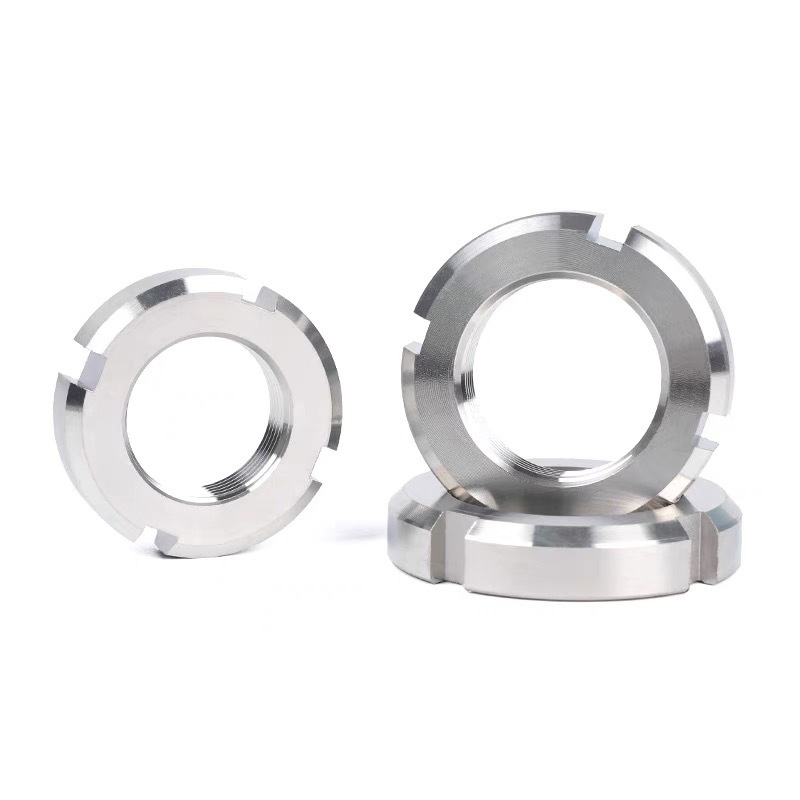
Radially Grooved Slotted Round Nut
This Radially Grooved Slotted round nut is often employed in automotive and machinery assembly for its secure fastening. Xiaoguo's Radially Grooved Slotted Round Nuts have a rigorous inspection process, enabling them to meet the needs of buyers for both small-volume purchases and large-scale industrial orders.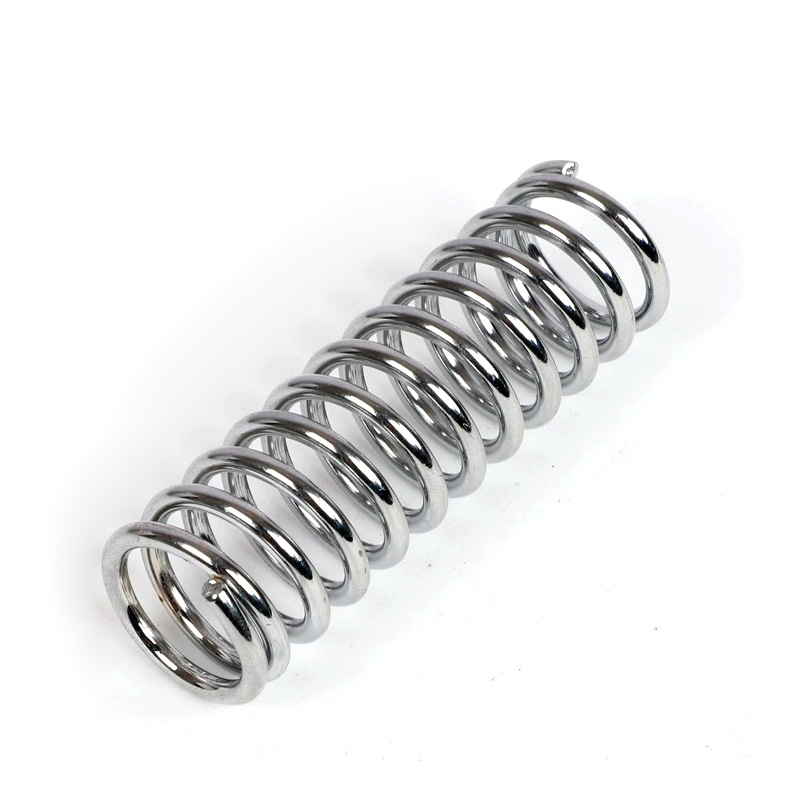
Reliably Resilient Spiral Spring
A Reliably Resilient Spiral Spring is a mechanical component formed from a flat strip of material wound into a compact spiral profile in a single plane. Manufacturers worldwide trust Xiaoguo® for critical helical spring applications in machinery and equipment systems.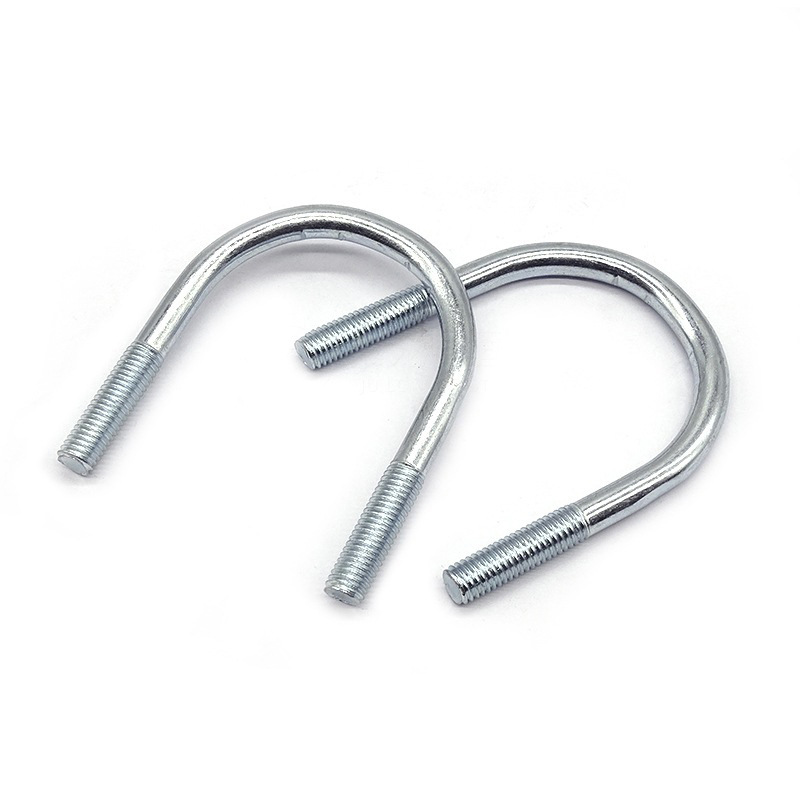
Exhaust U Bolt
China Xiaoguo® exhaust U bolt has a simple structure and can be quickly installed by simply pairing it with ordinary fasteners. It has high construction efficiency and significantly shortens the construction period.In addition, we can provide the exhaust U-bolt in stock . Please have them tested.
Black Square Nut with Single Chamfer
Xiaoguo® constantly innovates fastener technology to provide corrosion-resistant, high-strength fastening for various industries.Black Square Nut with Single Chamfer is made of carbon steel or stainless steel and are mainly used for furniture, automotive frames and structural joints that require anti-loosening stability.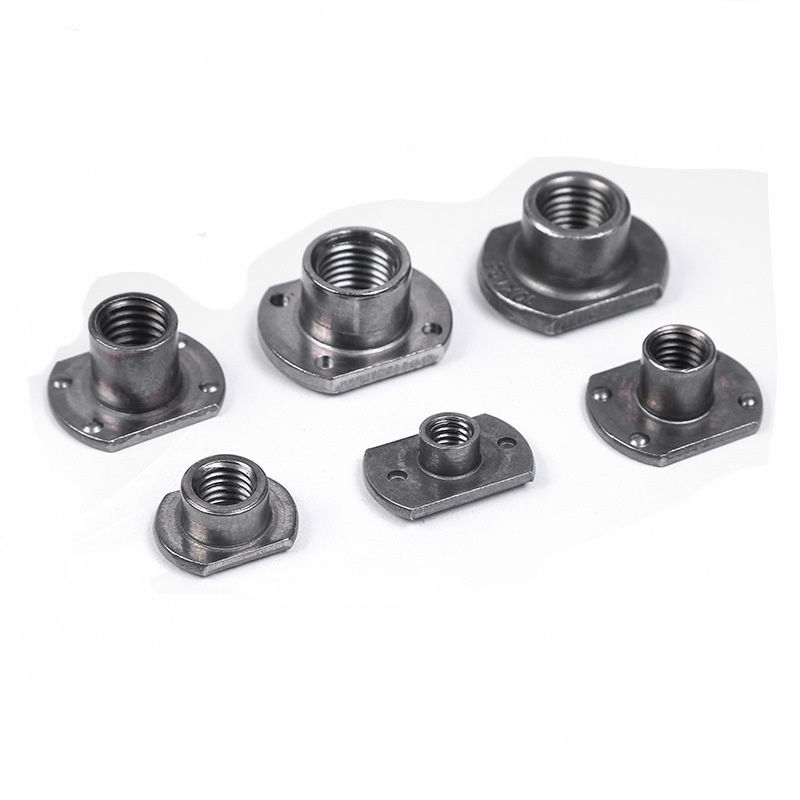
Anchor Like T Style Weld Nuts
The defining characteristic of Anchor Like T Style weld nuts is their distinctive T-shaped profile, featuring a broad base flange. Xiaoguo® utilizes materials from various suppliers, including carbon steel, stainless steel, and alloy, for diverse applications.
- Related Blog
- Reviews