
- English
- Español
- Português
- русский
- Français
- 日本語
- Deutsch
- tiếng Việt
- Italiano
- Nederlands
- ภาษาไทย
- Polski
- 한국어
- Svenska
- magyar
- Malay
- বাংলা ভাষার
- Dansk
- Suomi
- हिन्दी
- Pilipino
- Türkçe
- Gaeilge
- العربية
- Indonesia
- Norsk
- تمل
- český
- ελληνικά
- український
- Javanese
- فارسی
- தமிழ்
- తెలుగు
- नेपाली
- Burmese
- български
- ລາວ
- Latine
- Қазақша
- Euskal
- Azərbaycan
- Slovenský jazyk
- Македонски
- Lietuvos
- Eesti Keel
- Română
- Slovenski
- मराठी
- Srpski језик

China Hexagon socket head cap screws Manufacturer, Supplier, Factory
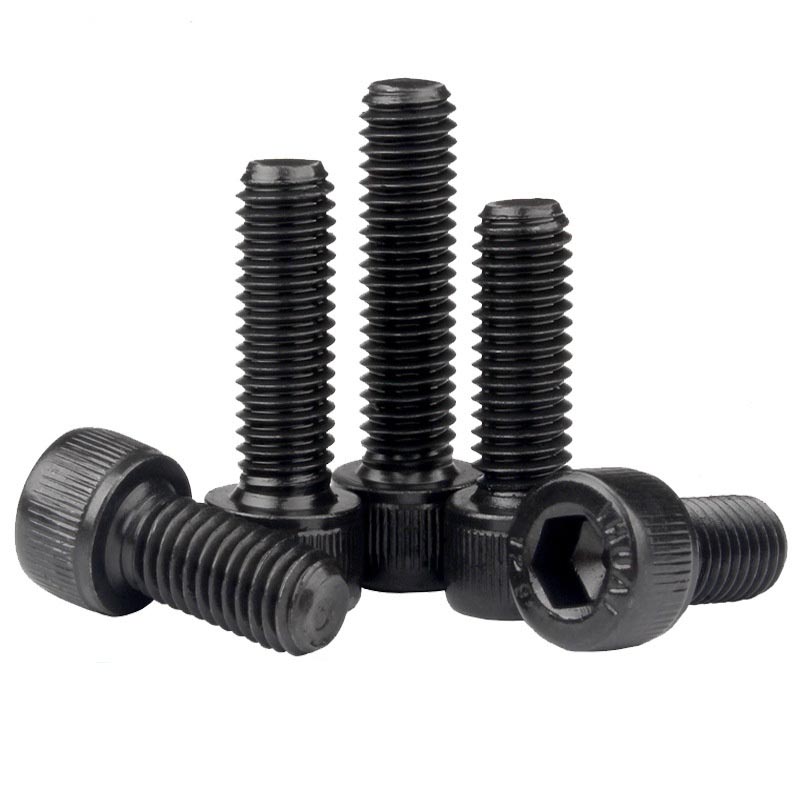
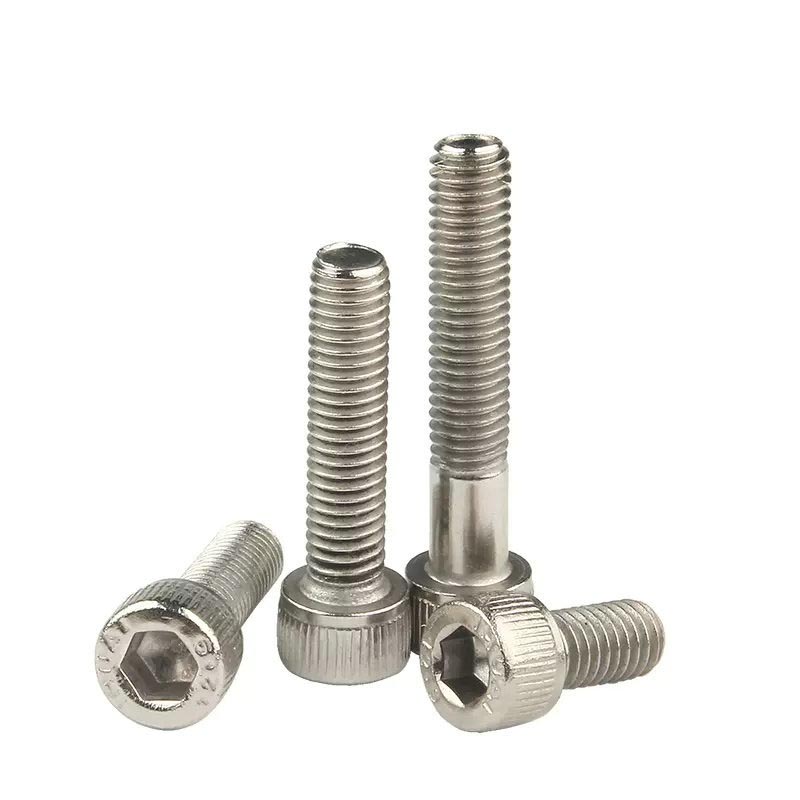
When it comes to reliable fastening solutions in demanding applications, hexagon socket head cap screws stand out for their exceptional performance and versatility. These screws feature a cylindrical head with a hexagonal socket, designed for use with an Allen key or hex wrench, allowing for high torque application and secure tightening in confined spaces. Among the various types available, the Hexagon socket head cap screws-Knurled head variant offers enhanced grip due to its knurled surface, making manual adjustments easier without tools. Similarly, the hexagonal knurled head screw provides excellent anti-slip properties, ideal for applications where frequent adjustments or removal is necessary. These screws are widely used in machinery, automotive, aerospace, and electronics industries, ensuring durability and precision in assembly processes.
Hexagon socket head cap screws are manufactured to meet stringent international standards, ensuring consistent quality and performance across various applications. Key parameters include material composition, dimensions, thread specifications, and mechanical properties, which are critical for selecting the right screw for specific needs. Below is a detailed overview of the standard parameters for hexagon socket head cap screws:
- Materials: Typically made from high-strength steel, stainless steel, or alloy steel, with options for corrosion-resistant coatings like zinc plating or black oxide.
- Head Types: Available in standard cap head, knurled head, flat head, and button head variations to suit different installation requirements.
- Drive Types: Hex socket (internal hex) drive, compatible with standard Allen wrenches for easy installation and removal.
- Thread Types: Metric (coarse and fine threads) and imperial (UNC, UNF) options, with full or partial threading based on application needs.
- Standards Compliance: Conforms to ISO 4762, DIN 912, ANSI/ASME B18.3, and other relevant international standards for dimensional accuracy and mechanical properties.
| Size (Metric) | Thread Pitch (mm) | Head Diameter (mm) | Socket Size (mm) | Tensile Strength (MPa) | Common Applications |
|---|---|---|---|---|---|
| M3 | 0.5 | 5.5 | 2.5 | 800 - 1000 | Electronics, small assemblies |
| M4 | 0.7 | 7.0 | 3.0 | 800 - 1000 | Automotive components, machinery |
| M5 | 0.8 | 8.5 | 4.0 | 800 - 1000 | General engineering, fixtures |
| M6 | 1.0 | 10.0 | 5.0 | 800 - 1000 | Heavy machinery, structural parts |
| M8 | 1.25 | 13.0 | 6.0 | 800 - 1000 | Industrial equipment, aerospace |
| M10 | 1.5 | 16.0 | 8.0 | 800 - 1000 | High-stress applications, construction |
In addition to the standard parameters, hexagon socket head cap screws offer customization options such as different lengths, surface treatments, and material grades to meet specific environmental and load-bearing requirements. Proper selection based on these parameters ensures optimal performance and longevity in various industrial settings.
Related Products


Hot Products
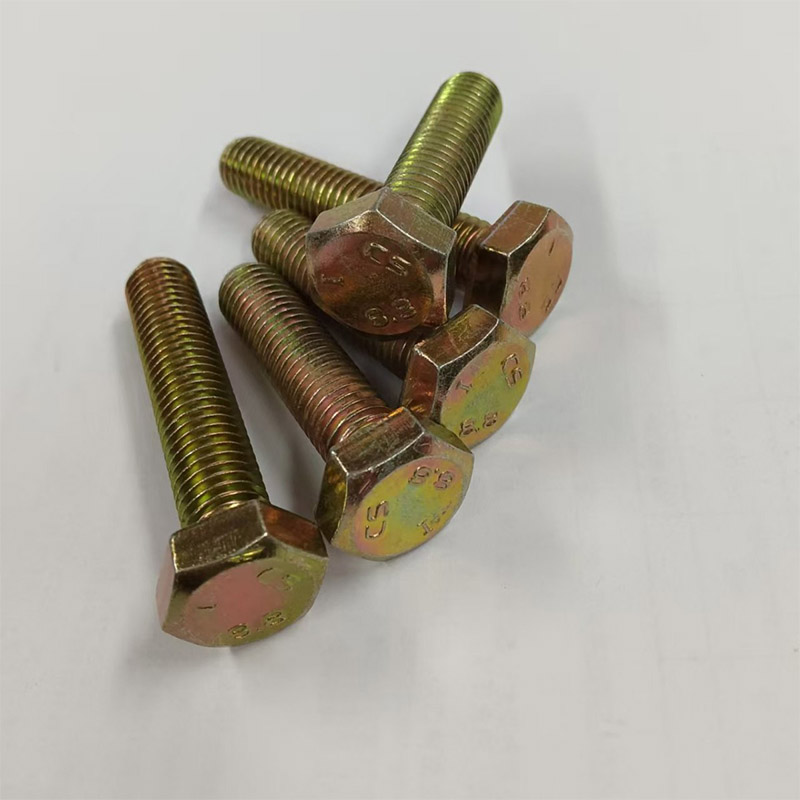
Black Hex Head Turning Screws
Black Hex Head Turning Screws are commonly used with wrenches or sockets for high-torque tightening applications. For over a decade, Xiaoguo® has served as a trusted supplier, providing reliable bolts, nuts, screws (including the aforementioned black hex head screws-turning), and washers to diverse industries.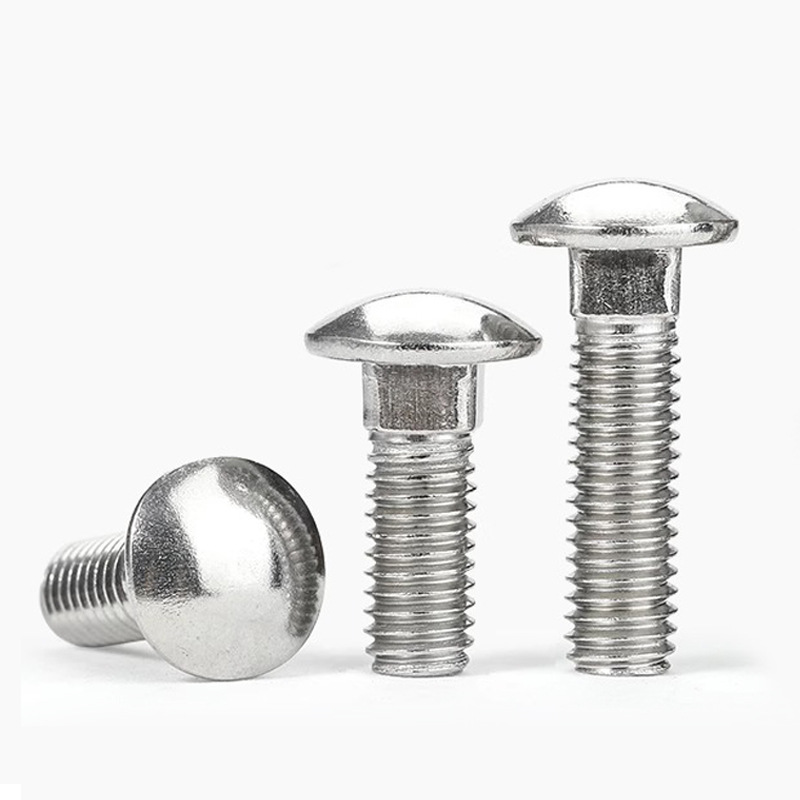
Mushroom Head Square Neck Bolt
Mushroom head square neck bolt is suitable for scenarios that require aesthetic stability, such as furniture and equipment casings. After installation, the surface is flat and easy to tighten. China Xiaoguo® has a large inventory of bolts. If you have any purchasing needs recently, you can contact us at any time. We are online 24 hours a day, can provide quotations quickly and have a fast delivery speed, which can save your waiting time.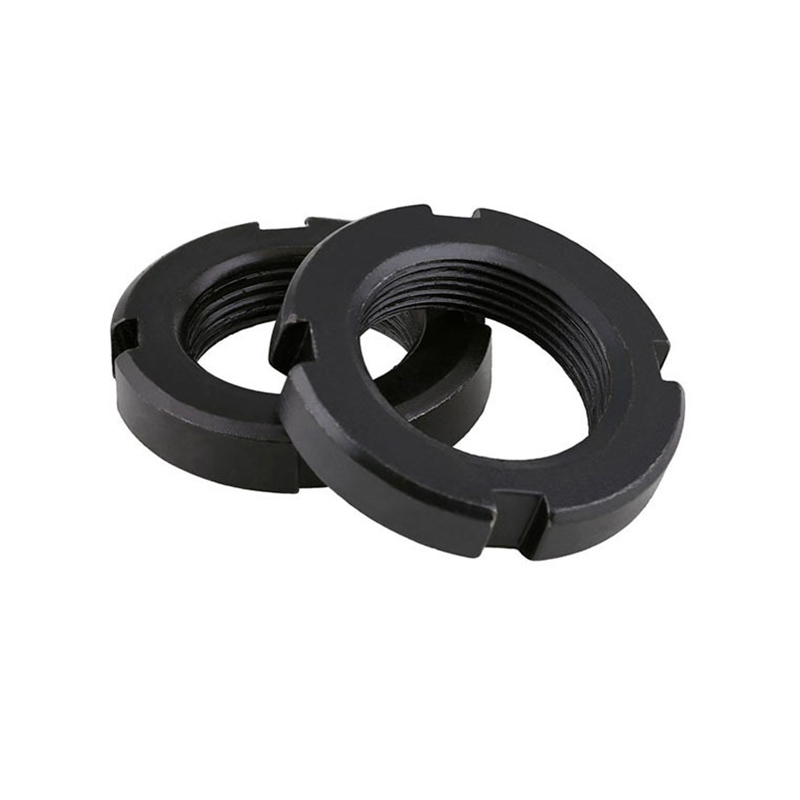
Slotted Round Lock Nut
The core feature of the China supplier Xiaoguo® Slotted round lock nut is its reliable anti-loosening performance. The locking principle is mechanical, and it can provide physical obstruction when combined with a split pin. Slotted round lock nut is in stock and ready to ship. Therefore, if you require excellent anti-loosening performance, I highly recommend that you choose our product.
Positively Retained Split Pin
Positively Retained split pin is a type of mechanical fastener that uses mechanical interference or a self-locking mechanism to ensure that the connected parts will not come loose accidentally under vibration or stress.Xiaoguo's positive fixed cotter pins are elastic and corrosion-resistant, so you can choose them with confidence.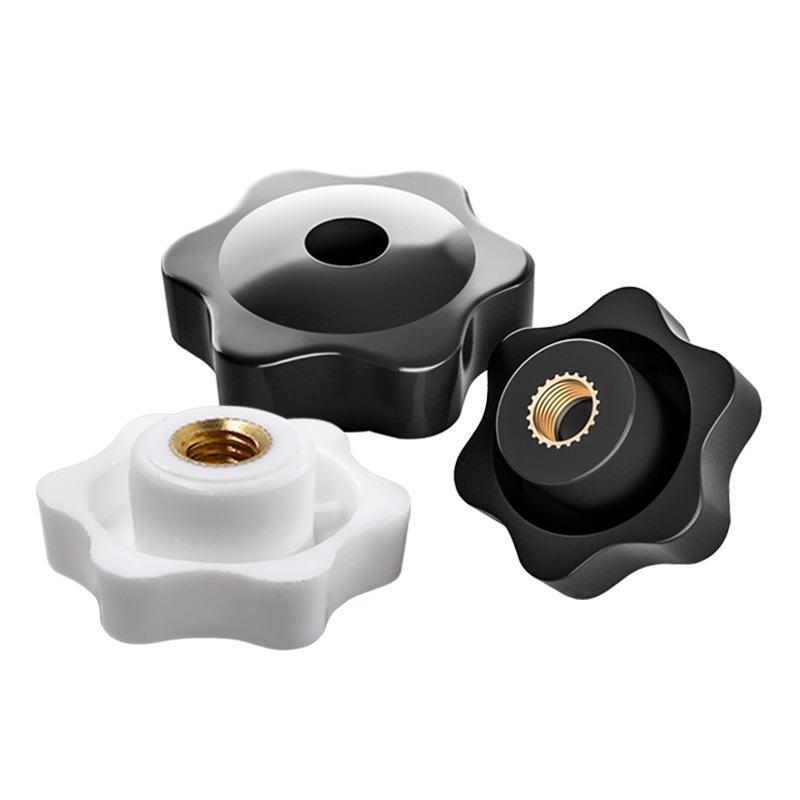
Female Thread Star Shaped Head Clamping Nuts
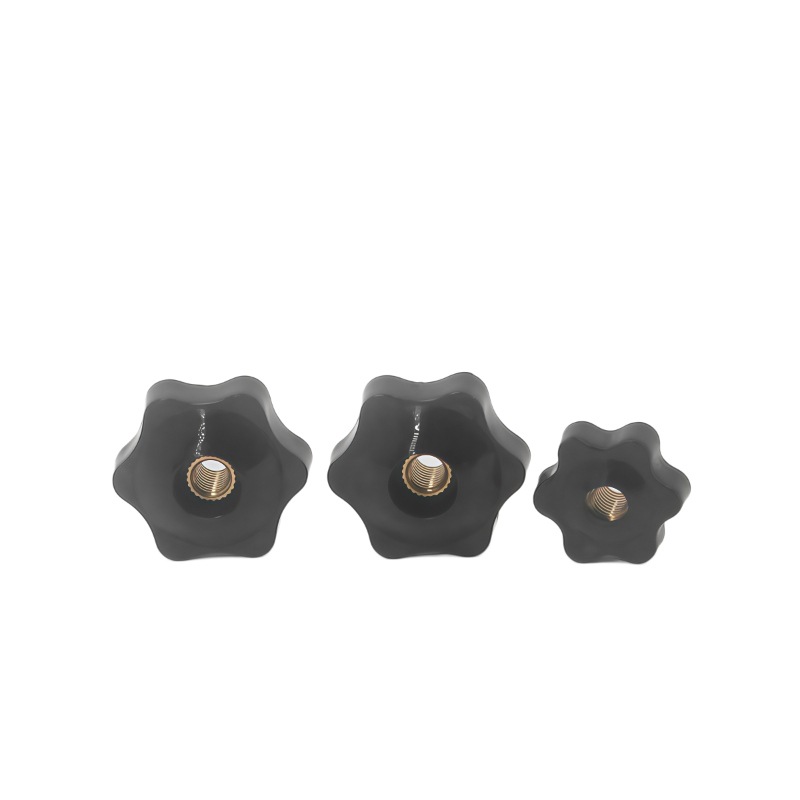
Female Thread Star Shaped Head Clamping Nuts are frequently chosen by engineers when a secure, low-profile fastening solution with excellent anti-slip properties is needed. As a supplier, Xiaoguo® offers just-in-time delivery programs to help clients optimize their inventory and reduce warehousing costs.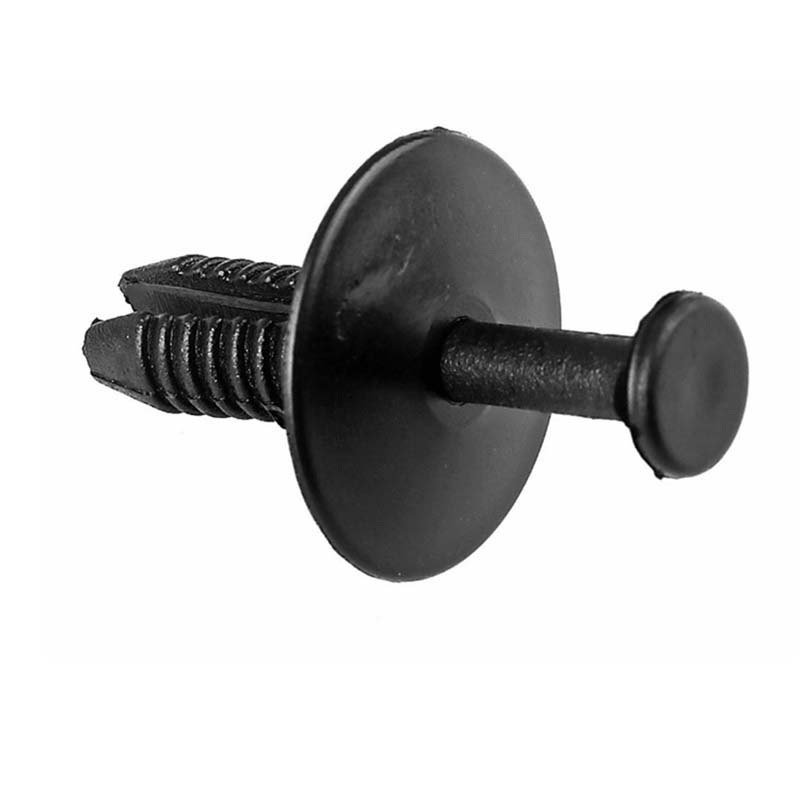
Expanding Rivet Clips Push Type
Xiaoguo® supplies fasteners to various industrial sectors.Unlike metal cotter pins, the expanding rivet clips push type offers excellent resistance to corrosion and electrical insulation.
- Related Blog
- Reviews