- English
- Español
- Português
- русский
- Français
- 日本語
- Deutsch
- tiếng Việt
- Italiano
- Nederlands
- ภาษาไทย
- Polski
- 한국어
- Svenska
- magyar
- Malay
- বাংলা ভাষার
- Dansk
- Suomi
- हिन्दी
- Pilipino
- Türkçe
- Gaeilge
- العربية
- Indonesia
- Norsk
- تمل
- český
- ελληνικά
- український
- Javanese
- فارسی
- தமிழ்
- తెలుగు
- नेपाली
- Burmese
- български
- ລາວ
- Latine
- Қазақша
- Euskal
- Azərbaycan
- Slovenský jazyk
- Македонски
- Lietuvos
- Eesti Keel
- Română
- Slovenski
- मराठी
- Srpski језик

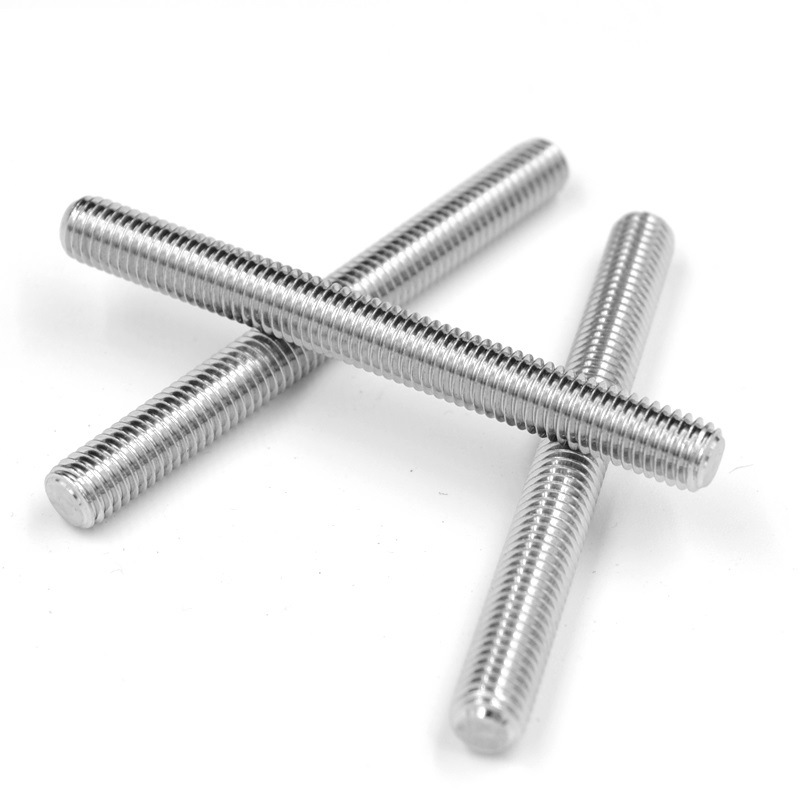
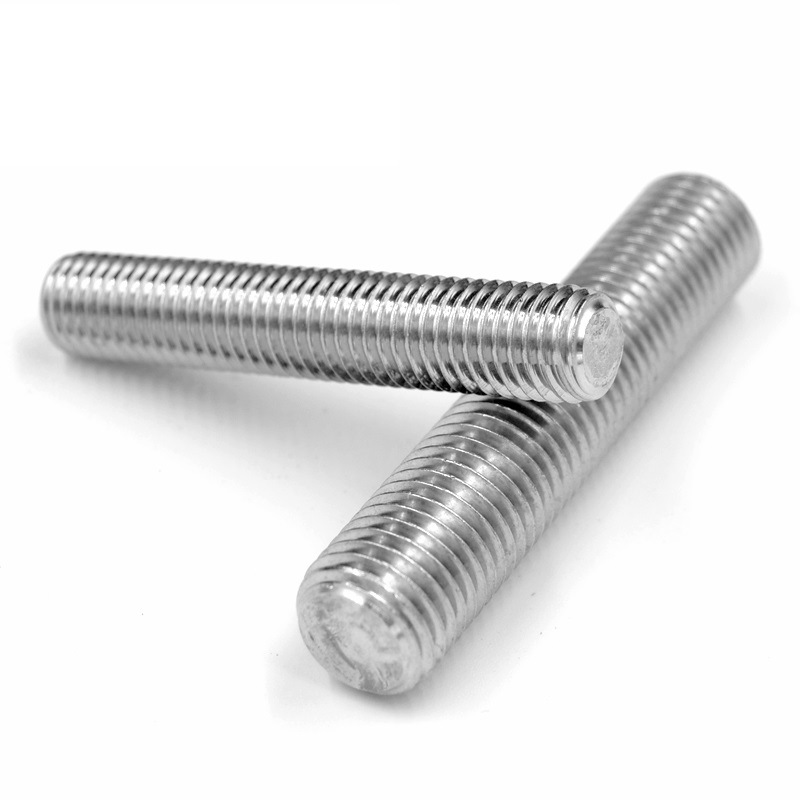
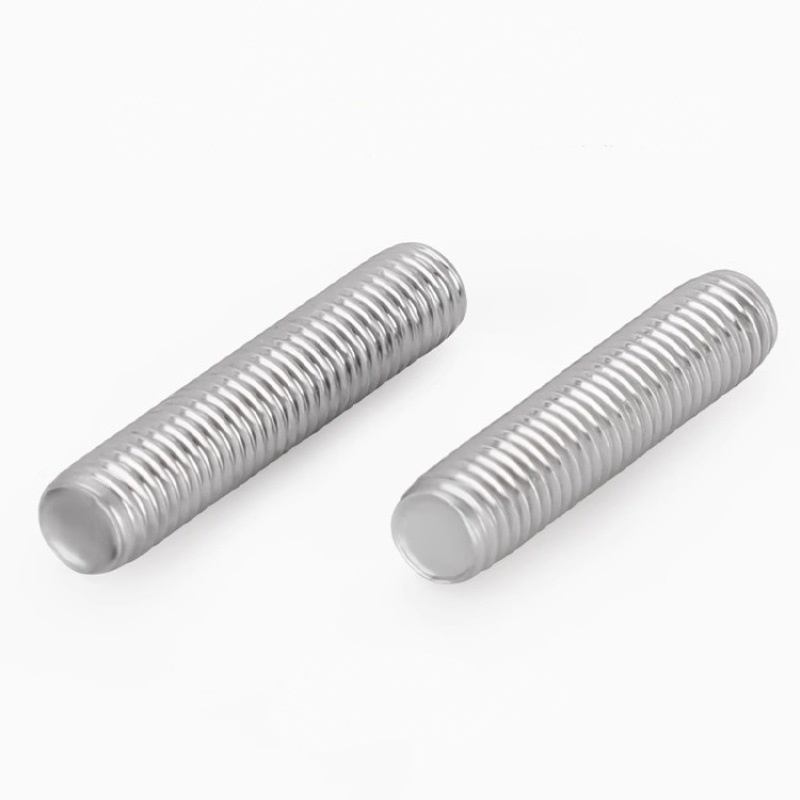
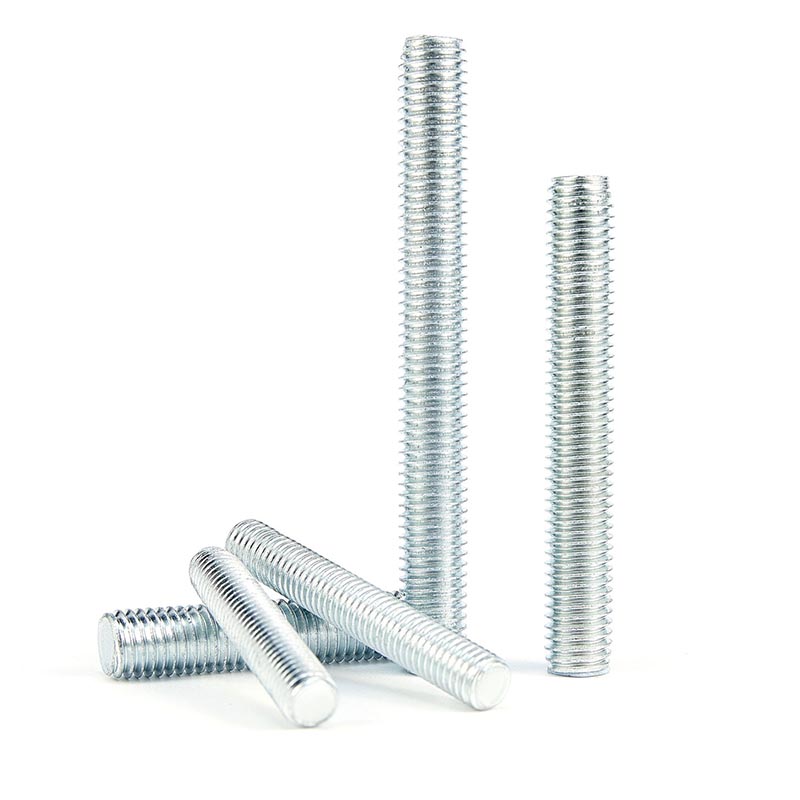
High Strength Threaded Rod
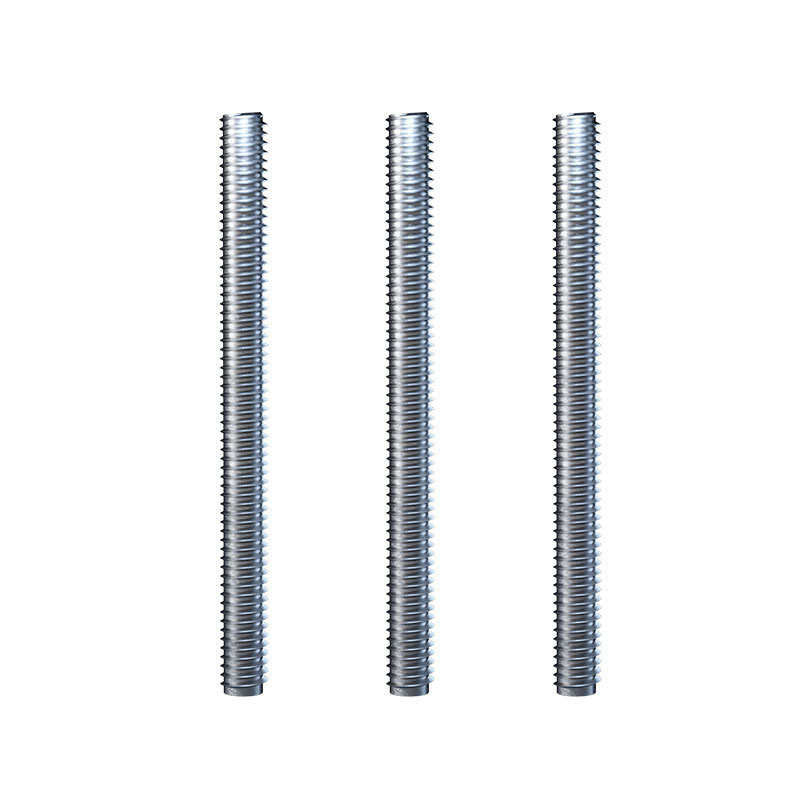
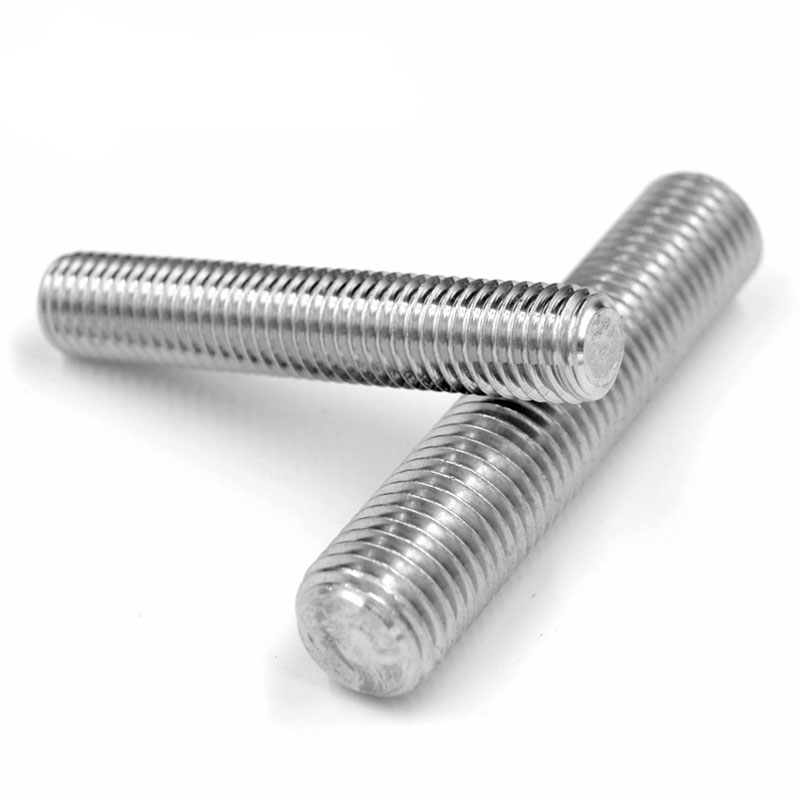
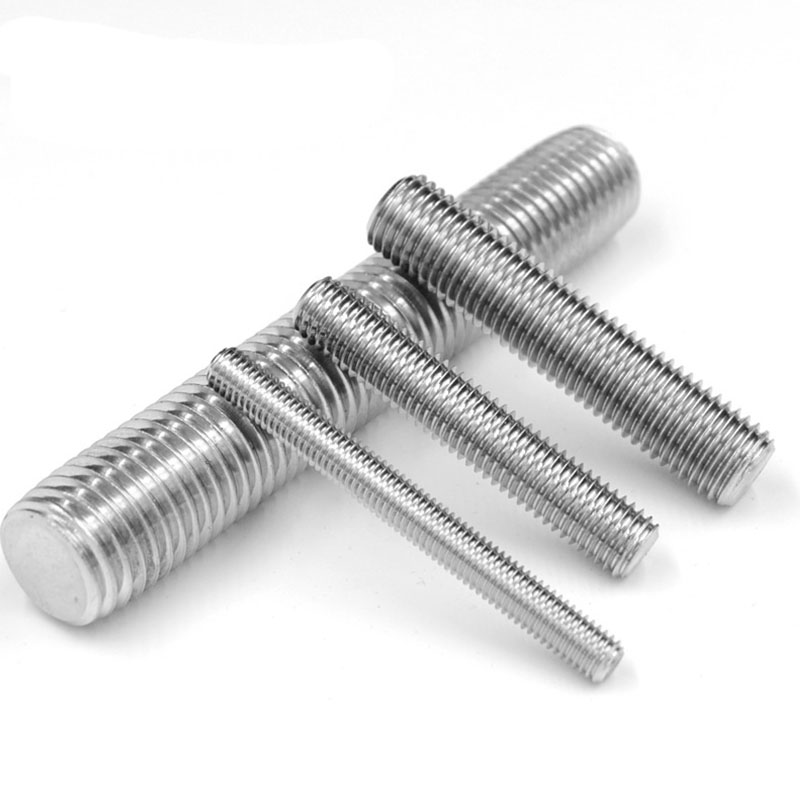
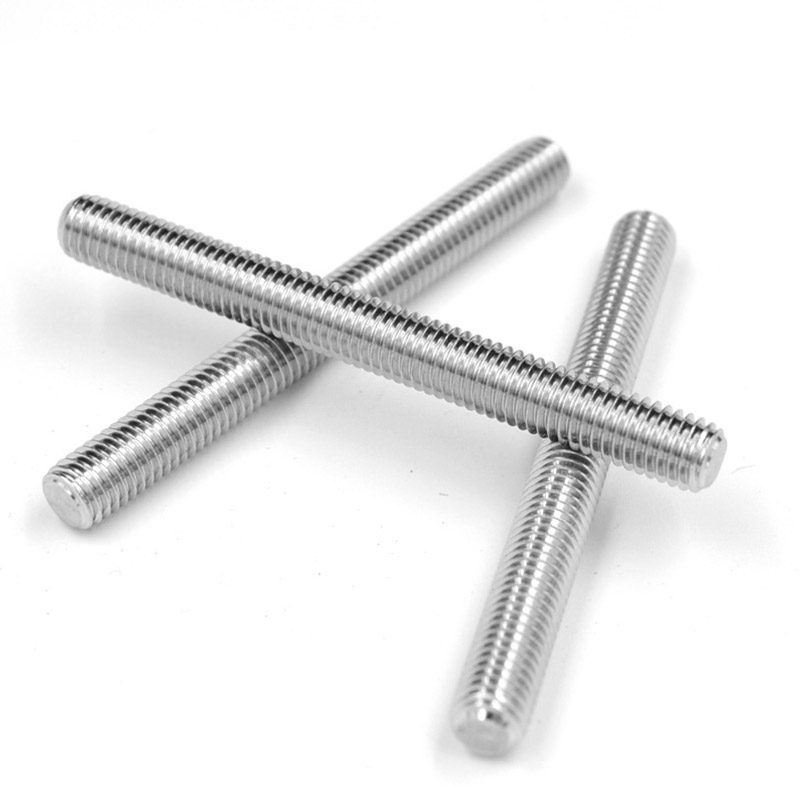
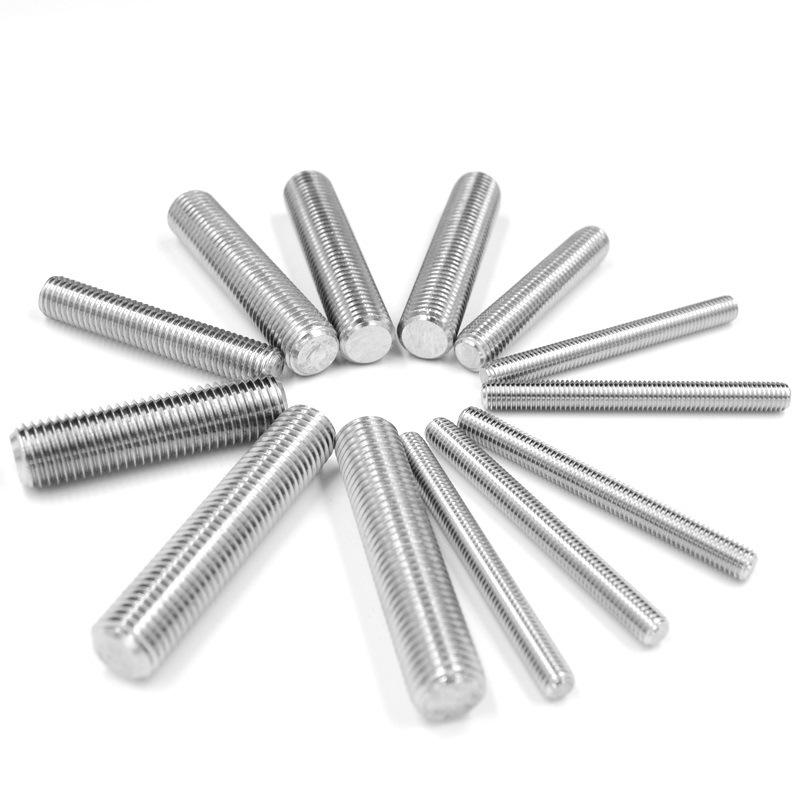
High-strength threaded rods are fasteners that resist shear by applying preload and utilizing static friction. The key difference lies in the form of force rather than the material strength grade. Their applications span multiple industries, from mechanical assembly to concrete anchoring. Purchasing Xiaoguo's products can help you establish a high-strength threaded rod supply chain.
Send Inquiry
Product Description
This High Strength Threaded Rod is pretty straightforward to use—whether you’re working on stuff in the shop or doing DIY projects at home. First off, pick the right size and material based on how much weight it needs to hold and where you’ll be using it.
Start by lining up the holes in the parts you want to connect—make sure the hole diameter matches the rod’s threads. Then screw a nut onto one end of the rod until it hits the tip, and run the rod through the holes.
You can put washers on both sides to spread out the pressure—it’s not required, but it helps keep things stable. After that, thread another nut onto the other end and tighten both nuts slowly with a wrench to hold everything in place.
If there’s gonna be a lot of vibration, you can add thread lock to the nuts for extra security. If the rod is too long, just cut it with a hacksaw and smooth out the cut end so it doesn’t mess up the threads.
We package these High Strength Threaded Rods in a practical way—mostly to keep them from getting damaged during shipping and to make them easy for you to grab and use. Here’s how we do it: each rod gets its own plastic protective sleeve. That way, the threads don’t get scratched or messed up when they’re being transported. The sleeves have clear labels on them: size (like M6-M24), length (1m to 3m), material, and any relevant standards (such as ISO 4017).
For small orders, we usually bundle them in groups of 10, 25, or 50, then put them in sturdy cardboard boxes. The boxes have dividers inside so the rods don’t twist around or get tangled with each other. If you’re ordering large quantities or longer rods, we use thicker corrugated boxes or wooden crates. We also wrap them in moisture-proof film to stop them from rusting.
We can also do custom packaging if you need it. Like, we can cut the rods to your specified length and put them in small retail-sized plastic trays, or do roll packaging for continuous industrial use.
What materials are your High Strength Threaded Rods typically made from?
A: We offer High Strength Threaded Rod in common materials like low-carbon steel (Grade 4.8), medium-carbon steel (Grade 8.8), stainless steel (A2-304/A4-316), and aluminum. The specific choice will depend on your requirements for the strength and corrosion resistance needed for the product application.
| D | P | D | P | D | P |
| M3 | 0.5 | M14 | 2 | M30 | 3.5 |
| M4 | 0.7 | M16 | 2 | M33 | 3.5 |
| M5 | 0.8 | M18 | 2.5 | M36 | 4 |
| M6 | 1 | M20 | 2.5 | M39 | 4 |
| M8 | 1.25 | M22 | 2.5 | M42 | 4.5 |
| M10 | 1.5 | M24 | 3 | M45 | 4.5 |
| M12 | 1.75 | M27 | 3 | M48 | 5 |
Hot Tags: High Strength Threaded Rod, China, Manufacturer, Supplier, Factory
Related Category
Send Inquiry
Please Feel free to give your inquiry in the form below. We will reply you in 24 hours.