- English
- Español
- Português
- русский
- Français
- 日本語
- Deutsch
- tiếng Việt
- Italiano
- Nederlands
- ภาษาไทย
- Polski
- 한국어
- Svenska
- magyar
- Malay
- বাংলা ভাষার
- Dansk
- Suomi
- हिन्दी
- Pilipino
- Türkçe
- Gaeilge
- العربية
- Indonesia
- Norsk
- تمل
- český
- ελληνικά
- український
- Javanese
- فارسی
- தமிழ்
- తెలుగు
- नेपाली
- Burmese
- български
- ລາວ
- Latine
- Қазақша
- Euskal
- Azərbaycan
- Slovenský jazyk
- Македонски
- Lietuvos
- Eesti Keel
- Română
- Slovenski
- मराठी
- Srpski језик


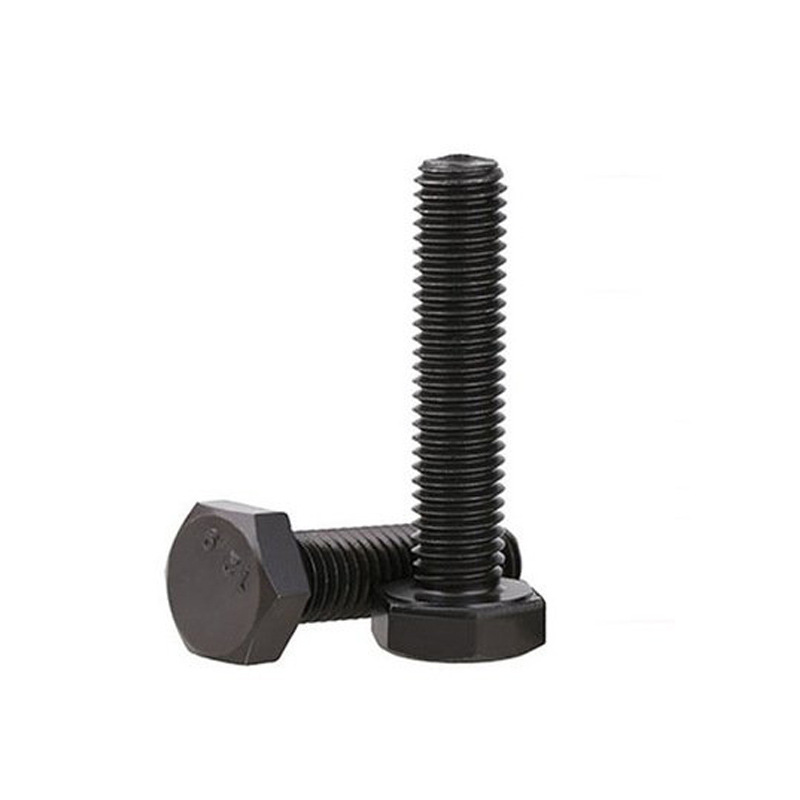
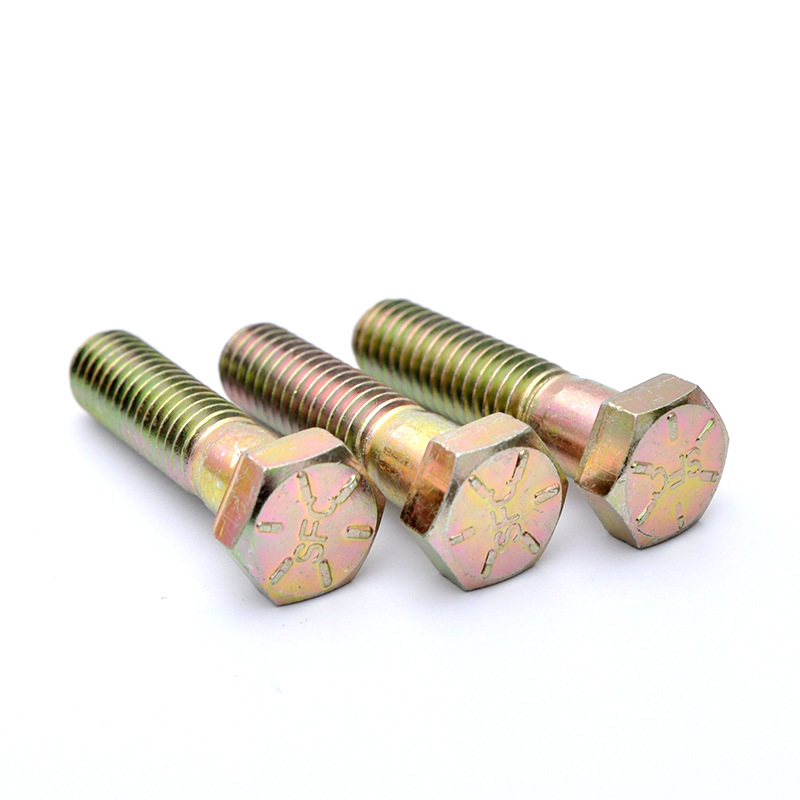
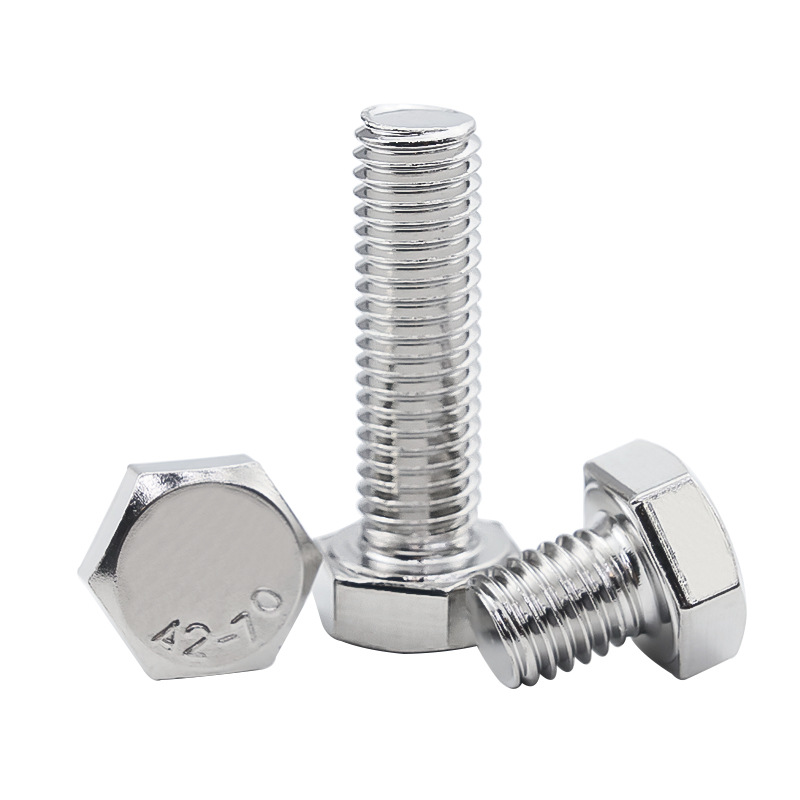
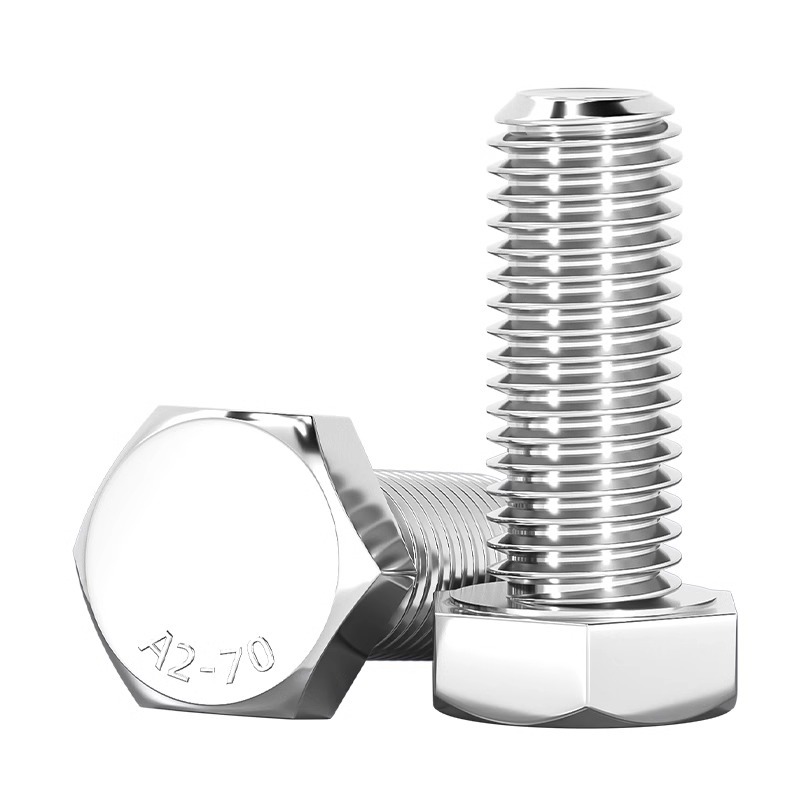
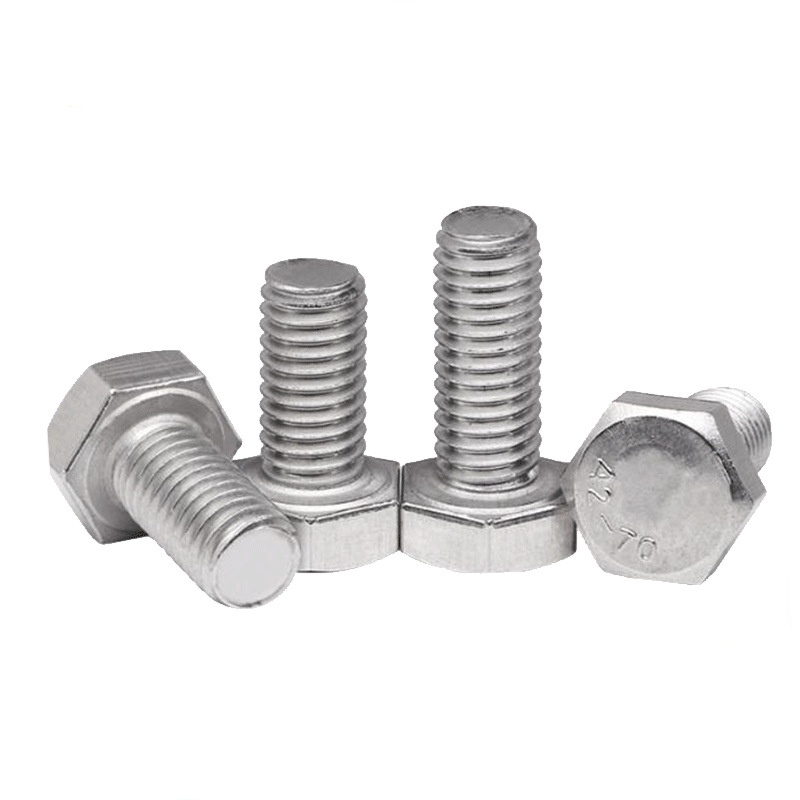
Grade 4.8 Zinc Plated Hexagon Bolt
Grade 4.8 zinc plated hexagon bolt is a fastener with bolt connection, used with nuts.The grade 4.8 zinc plated hexagon bolt is aesthetically pleasing and easy to install.Xiaoguo® factory specialized in the manufacturing and supplying of various fasteners and metal parts.
Model:DIN933-1987
Send Inquiry
Product Description
Grade 4.8 zinc plated hexagon bolt is a type of fastener consisting of a head and a screw (cylinder with external threads), which is used in conjunction with a nut to fasten two parts with a through-hole. This form of connection is called bolt connection. If the nut from the grade 4.8 zinc plated hexagon bolt down, and can make the two parts separate, so the bolt connection is a removable connection.

Advantages
Wide range of strength: The tensile strength of grade 4.8 zinc plated hexagon bolt is not less than 400MPa, and the yield strength is not less than 320MPa, which is able to meet the needs of general mechanical connections, building structure connections and many other conventional engineering application scenarios, such as the assembly of common mechanical equipment, building steel structure of some non-critical parts of the connection and so on.
Lower cost: Compared with high-strength grade bolts, 4.8 grade bolts in the production process of raw material requirements are relatively low, the manufacturing process is relatively simple, do not need to go through complex heat treatment and other processes to improve the strength, so its production cost is lower, in the more stringent cost control of the project has a greater advantage.
Good processing performance: Grade 4.8 zinc plated hexagon bolt material hardness is moderate, easy for cutting, drilling, tapping and other machining operations, can efficiently produce bolts in line with the requirements of dimensional accuracy and surface quality, but also conducive to the installation of the site for the necessary secondary processing, such as adjusting the length of the bolt.

Installation advantages
Grade 4.8 zinc plated hexagon bolt because its strength is not particularly high, in the installation process, the use of ordinary tools such as wrenches and so on can be tightened operation, do not need to use a special high-strength bolt installation tools, reducing the difficulty of installation and installation costs, but also improve the efficiency of the installation.
In some common electrical housing or internal component connections, grade 4.8 zinc plated hexagon bolt can provide sufficient tightening force at a lower cost.
Application
General mechanical equipment: In some mechanical equipment that does not require high strength, such as some simple mechanical assembly or connection of light equipment, grade 4.8 zinc plated hexagon bolt can meet the basic fastening needs.
Furniture Manufacturing: In furniture assembly, grade 4.8 bolts are commonly used to connect wood panels, plates and other components, and their economy and moderate strength make them common fasteners in furniture manufacturing.
Construction: In the construction structure, such as some non-load-bearing connection parts or light construction structure connection,grade 4.8 zinc plated hexagon bolt can also play its role!
Product Material
Grade 4.8 Zinc Plated Hexagon Bolt is mainly made of low-carbon steel, which matches the 4.8 strength grade requirements. Low-carbon steel is selected because it has good machinability, making it easy to form the hexagon head and precise threads during production. The zinc plating on the surface is an electroplating process that forms a thin zinc layer on the bolt's surface. This layer acts as a barrier to prevent the underlying steel from contacting air and moisture, thereby reducing rust and corrosion. The zinc plating process follows basic industrial standards to ensure the coating adheres firmly, not easily peeling off during installation or use. For general indoor or mild outdoor environments, this material and surface treatment combination can meet the basic service life needs without additional anti-corrosion measures. The bolt's material composition and plating thickness are consistent across batches to ensure uniform performance.
Product transportation costs
The transportation cost of Grade 4.8 Zinc Plated Hexagon Bolt varies based on several factors: order quantity, shipping distance, transportation method, and destination type. For small orders, usually less than 10 kilograms, international express (like DHL or FedEx) is common. The initial weight fee for international express ranges from $15 to $30, with each additional kilogram adding $5 to $12. For medium to large orders over 10 kilograms, sea freight or air freight is more economical. Sea freight cost is calculated by cubic meter or weight, with a 20-foot container typically costing $800 to $1500 for long-distance routes, and the unit cost drops significantly for bulk shipments. Air freight is faster but 3 to 6 times more expensive than sea freight. Domestic transportation costs are lower, with road freight for 1 ton of bolts ranging from $50 to $80 for short distances. Additional costs may include packaging reinforcement fees, insurance fees, and customs clearance fees for international shipments. It’s advisable to confirm the exact transportation plan and cost with the supplier in advance, as larger order quantities can often negotiate better freight rates.
Hot Tags: Grade 4.8 Zinc Plated Hexagon Bolt, China, Manufacturer, Supplier, Factory
Related Category
Hexagon Head Bolt
Hexagon Head Flange Bolt
Square Head Bolt
Round Head Bolt
Countersunk Bolt
Knuckle Bolt
T-bolt
U Bolt
Foundation Bolts
Anchor Bolt
Hub Bolt
Hexalobular Socket Pan Head Bolt
Twelve Angle Bolt
Send Inquiry
Please Feel free to give your inquiry in the form below. We will reply you in 24 hours.