- English
- Español
- Português
- русский
- Français
- 日本語
- Deutsch
- tiếng Việt
- Italiano
- Nederlands
- ภาษาไทย
- Polski
- 한국어
- Svenska
- magyar
- Malay
- বাংলা ভাষার
- Dansk
- Suomi
- हिन्दी
- Pilipino
- Türkçe
- Gaeilge
- العربية
- Indonesia
- Norsk
- تمل
- český
- ελληνικά
- український
- Javanese
- فارسی
- தமிழ்
- తెలుగు
- नेपाली
- Burmese
- български
- ລາວ
- Latine
- Қазақша
- Euskal
- Azərbaycan
- Slovenský jazyk
- Македонски
- Lietuvos
- Eesti Keel
- Română
- Slovenski
- मराठी
- Srpski језик


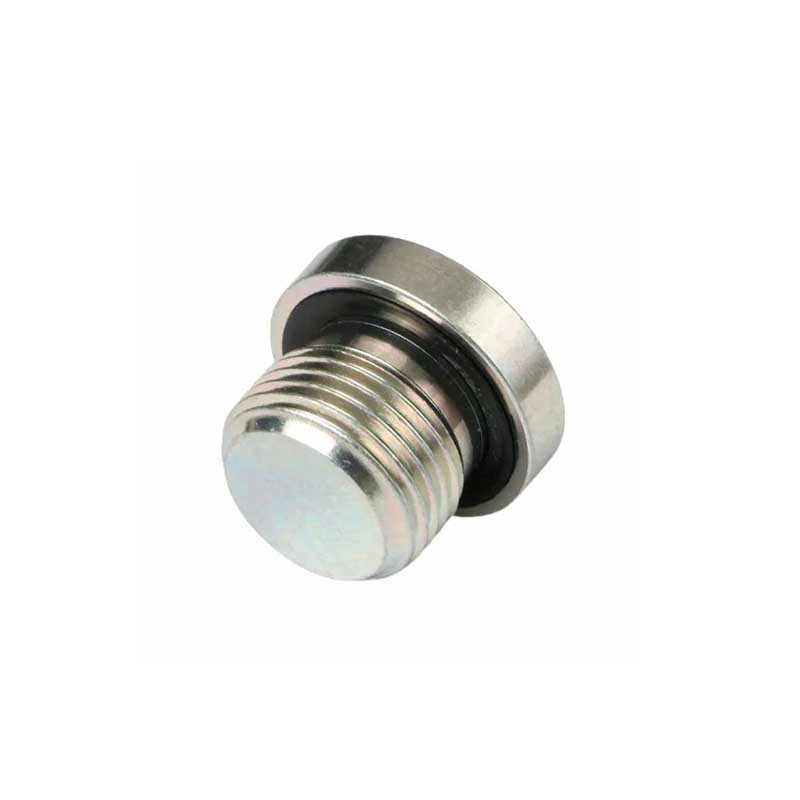
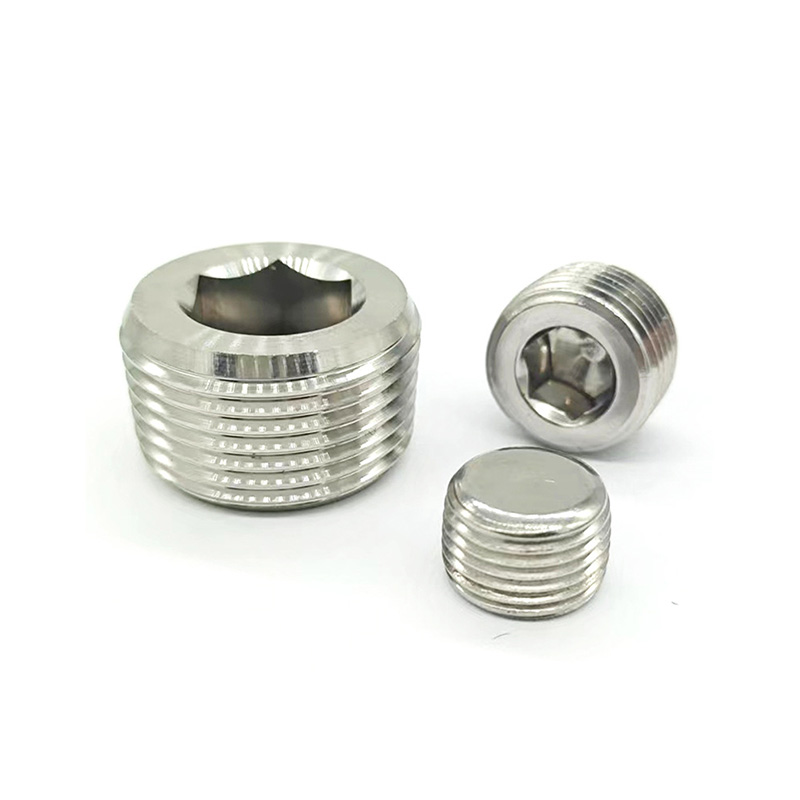
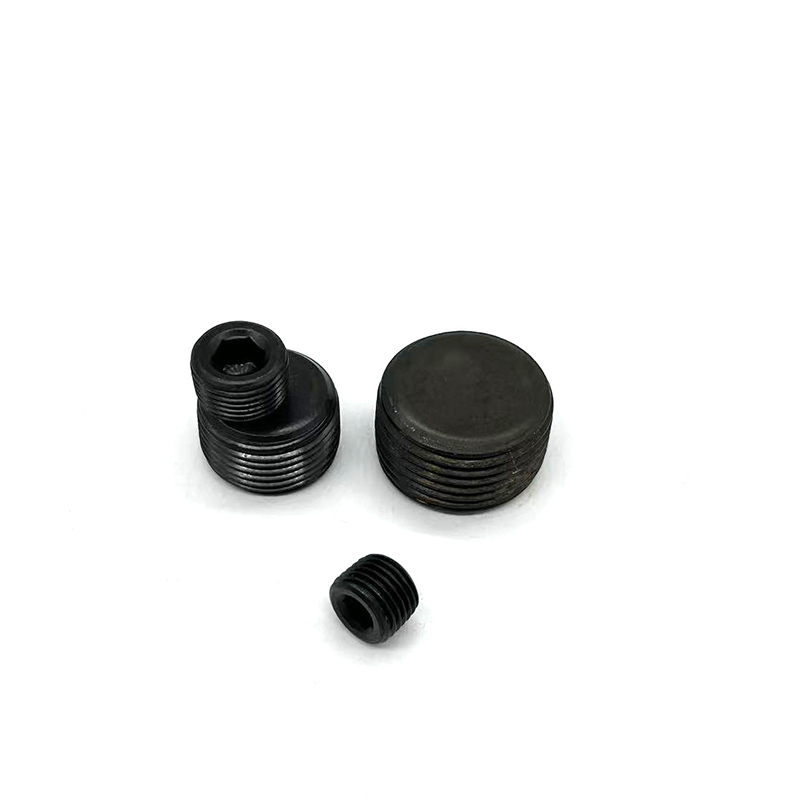
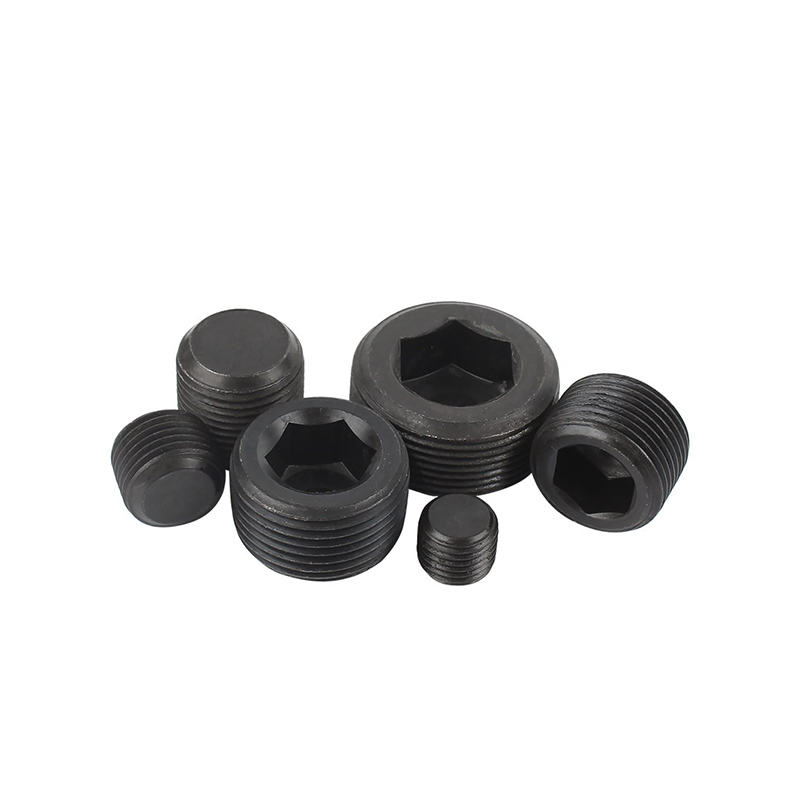
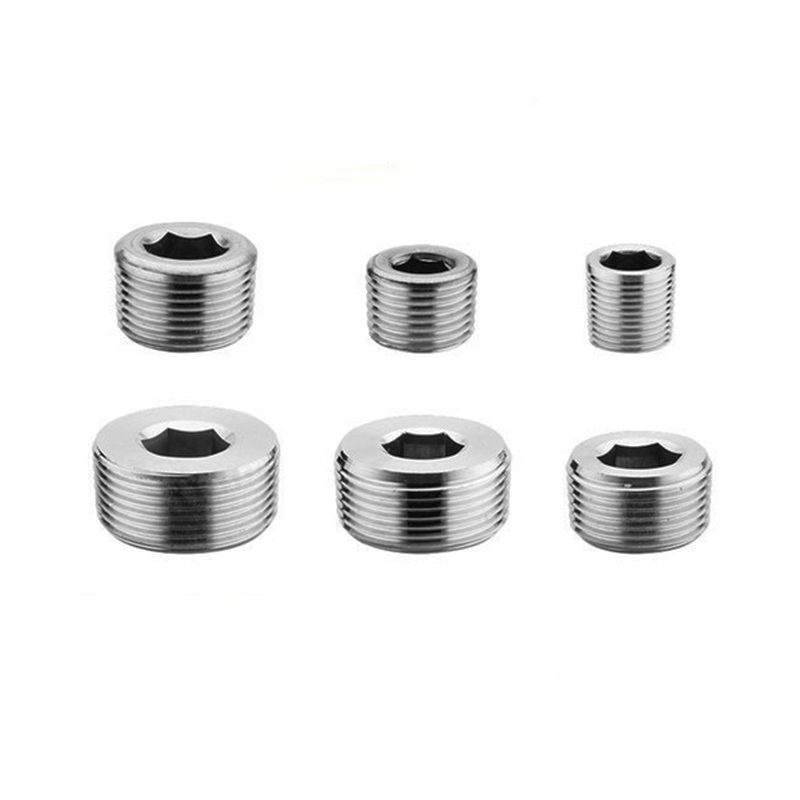
BSP Male Captive Seal Plug
Purchasing the Xiaoguo® BSP Male Captive Seal Plug will enhance work efficiency. During installation, only the threads need to be cleaned and then tightened using an internal hexagonal wrench at the recommended torque. The installation is simple and it simplifies the operation process.
Model:IS09974-2Type E
Send Inquiry
Product Description
More comprehensive and in-depth maintenance is required for the BSP Male Captive Seal Plug, and for critical applications or specific periods, aging components should be replaced preventively.
【1】Replacement of the core sealing components
The sealing ring is the core wear-prone component of the system, and its lifespan is affected by various factors such as material, pressure, and temperature.
(1)Preventive replacement cycle: For FKM material sealing rings, in normal working conditions, it is recommended to perform a preventive replacement every 2-3 years. In harsh environments such as high temperature, high pressure, or strong corrosive media, the replacement frequency should be shortened to once a year or less.
(2)Specific replacement steps:
①System depressurization: Before replacement, make sure the hydraulic system has been completely depressurized.
②Disassembly of old parts: Carefully unscrew the old BSP Male Captive Seal Plug with an internal hex socket wrench. Be careful not to scratch the threads.
③Cleaning and inspection: Thoroughly clean it body and the port threads, and check for any damage to the plug body and the port.
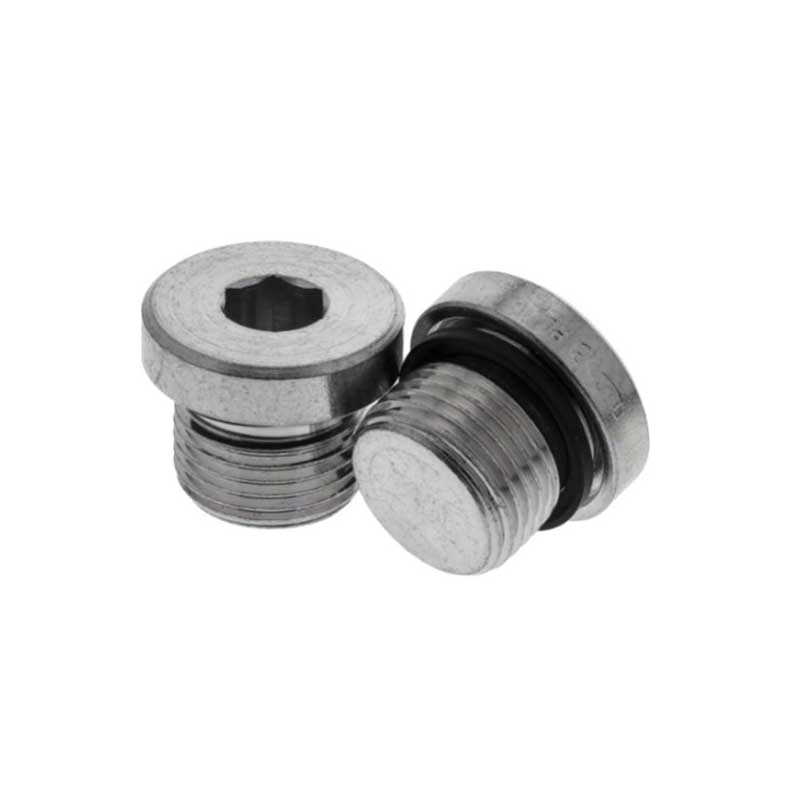
④Replacement of seals: Remove the old anti-detachment seal ring and install a new seal of the same specification as the original. Ensure it is correctly and firmly inserted into the groove without any distortion or misalignment.
⑤Reinstallation: Install the screw back according to the torque value specified by the manufacturer using a torque wrench.
【2】The influence of material properties on maintenance
Different types of BSP Male Captive Seal Plug have different focuses in terms of maintenance.
(1)Carbon Steel: In humid or corrosive environments, extra attention should be paid to rust prevention. Check if the coating is intact; if necessary, apply rust preventive oil.
(2)Stainless Steel: It has strong corrosion resistance. The inspection focus should be on the wear of the threads and mechanical damage.
(3)Brass: Its hardness is relatively low. Special attention should be paid to whether the threads have been damaged due to excessive tightening or incorrect engagement.
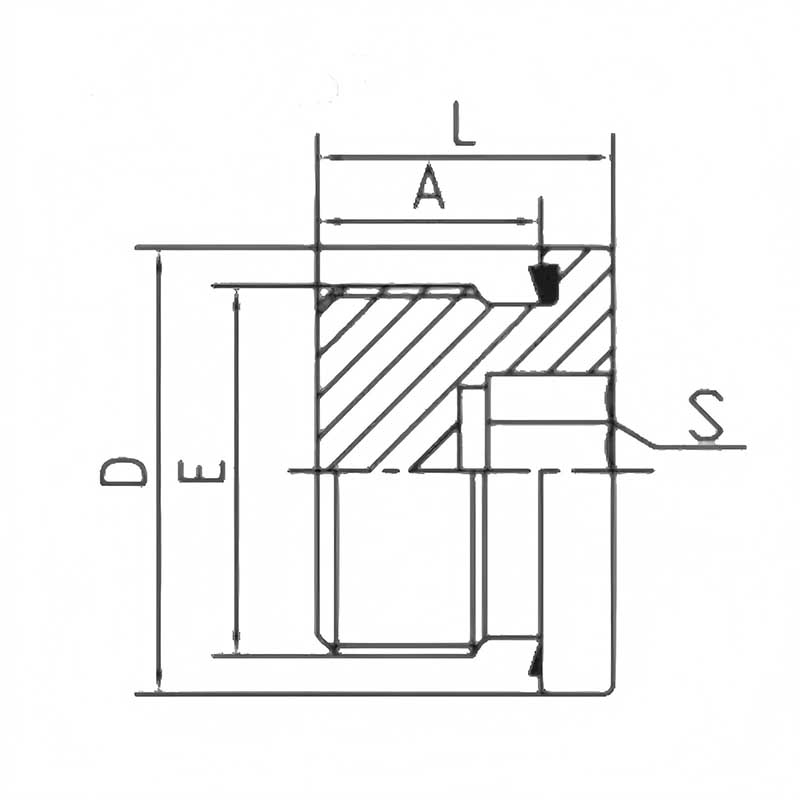
| PART# | THREAD | CAPTIVE | DIMENSIONS | MPA | ||||
| E | ED | A | L | S | D | N.M | PN | |
| SEG02 | G1/8”X28 | ED—10 | 8 | 12 | 5 | 14 | 11-13 | 40 |
| SEG04 | G1/4”X19 | ED—14 | 12 | 17 | 6 | 19 | 25-30 | 40 |
| SEG06 | G3/8”X19 | ED—17 | 12 | 17 | 8 | 22 | 42-58 | 40 |
| SEG08 | G1/2”X14 | ED—21 | 14 | 19 | 10 | 27 | 72-82 | 40 |
| SEG12 | G3/4”X14 | ED—27 | 16 | 21 | 12 | 32 | 21-140 | 40 |
| SEG16 | G1"X11 | ED—33 | 16 | 22.8 | 17 | 40 | 150-180 | 40 |
| SEG20 | G1.1/4”X11 | ED—42 | 16 | 22.8 | 22 | 50 | 190-280 | 31.5 |
| SEG24 | G1.1/2”X11 | ED—48 | 16 | 22.8 | 24 | 55 | 260-350 | 31.5 |
| SEG32 | G2"X11 | ED—60 | 18 | 26 | 27 | 70 | 340-400 | 31.5 |
| SEG40 | G2—1/2X11 | ED—B40 | - | - | 27 | - | 340-400 | 31.5 |
Hot Tags: BSP Male Captive Seal Plug, China, Manufacturer, Supplier, Factory
Related Category
Bolt
Nut
Screw
Stud
Welding Nuts
Self Drilling And Wood Screws
Washer
Closing Ring
Pin
Riveting Parts
Assemble Metal
Tools And Other Fasteners
Steel Wire Rope
Coil Spring
Oil Plug
Send Inquiry
Please Feel free to give your inquiry in the form below. We will reply you in 24 hours.