- English
- Español
- Português
- русский
- Français
- 日本語
- Deutsch
- tiếng Việt
- Italiano
- Nederlands
- ภาษาไทย
- Polski
- 한국어
- Svenska
- magyar
- Malay
- বাংলা ভাষার
- Dansk
- Suomi
- हिन्दी
- Pilipino
- Türkçe
- Gaeilge
- العربية
- Indonesia
- Norsk
- تمل
- český
- ελληνικά
- український
- Javanese
- فارسی
- தமிழ்
- తెలుగు
- नेपाली
- Burmese
- български
- ລາວ
- Latine
- Қазақша
- Euskal
- Azərbaycan
- Slovenský jazyk
- Македонски
- Lietuvos
- Eesti Keel
- Română
- Slovenski
- मराठी
- Srpski језик

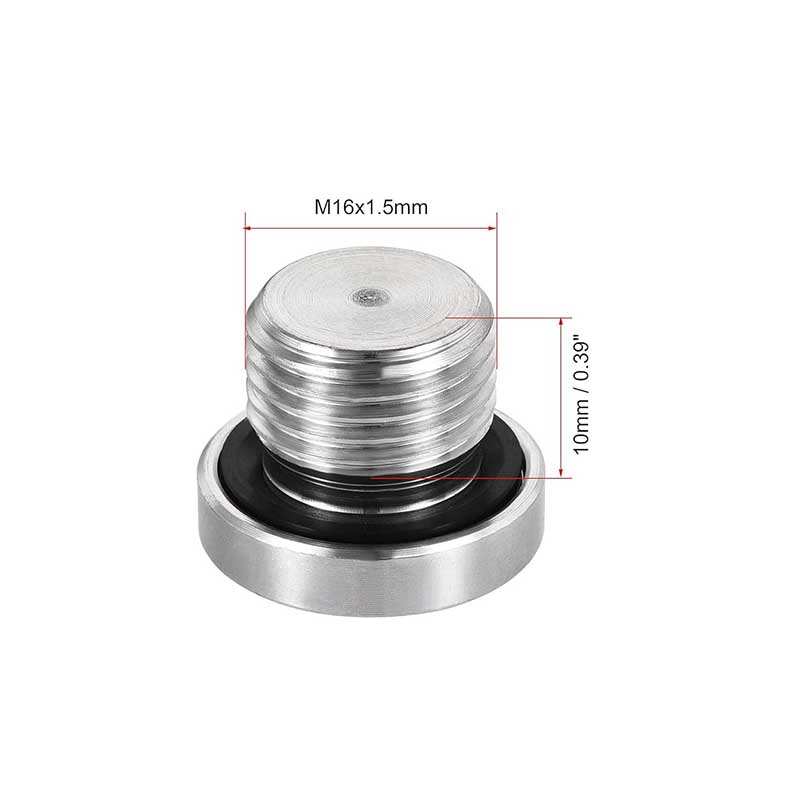
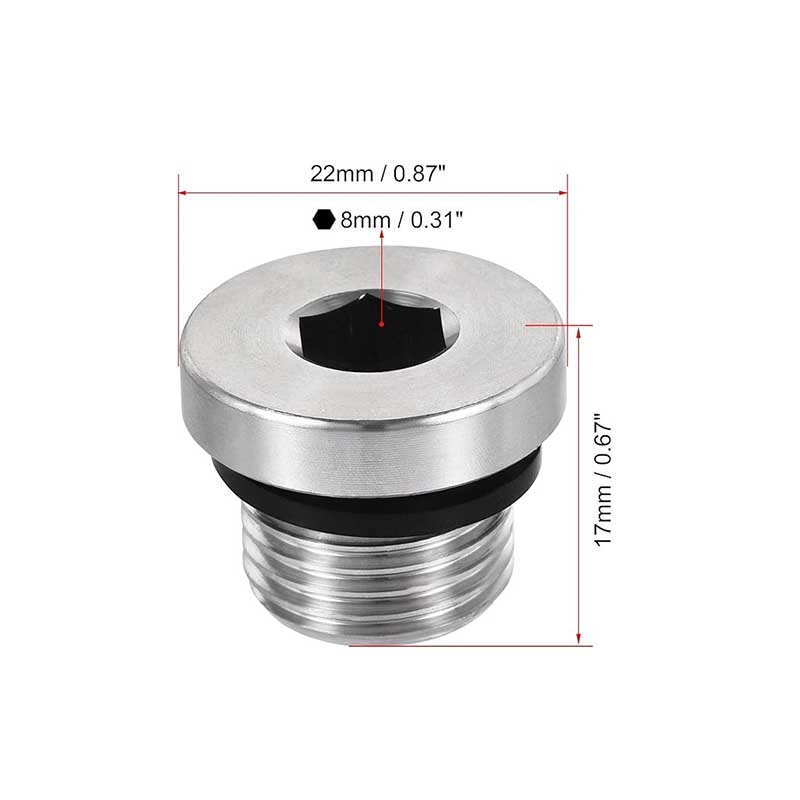
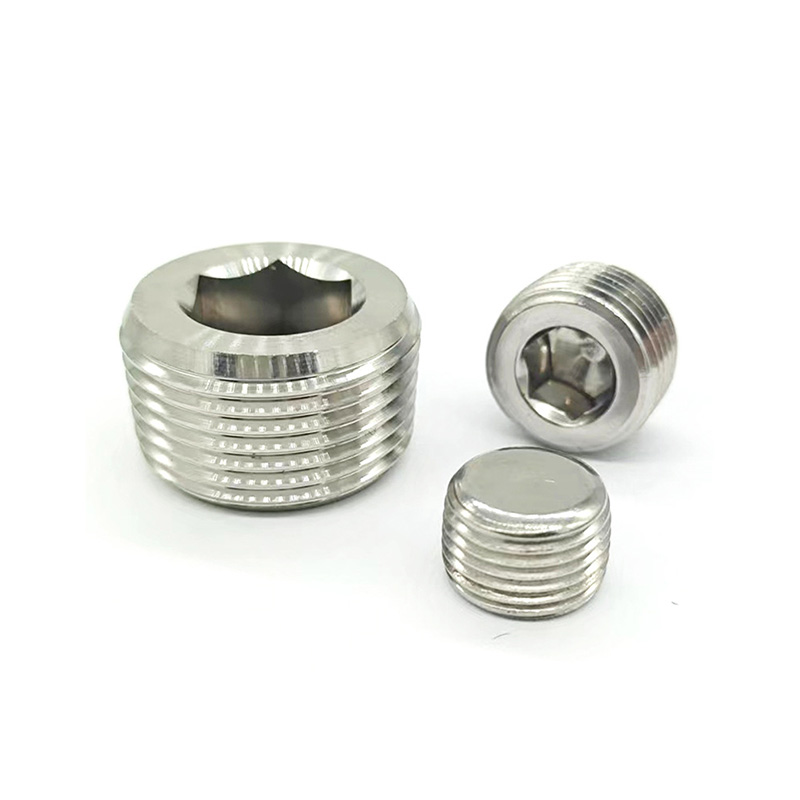
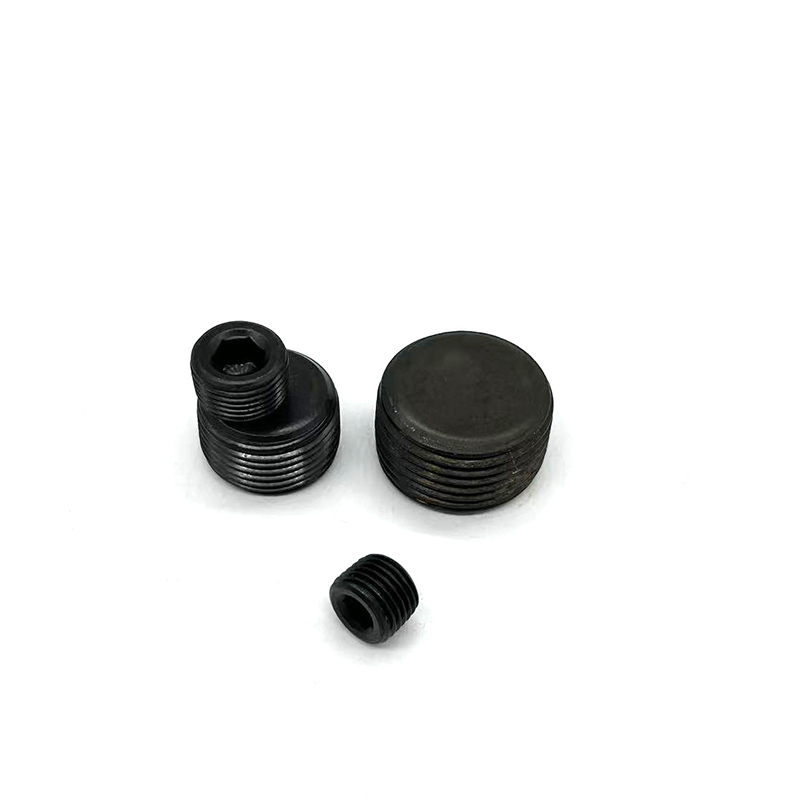
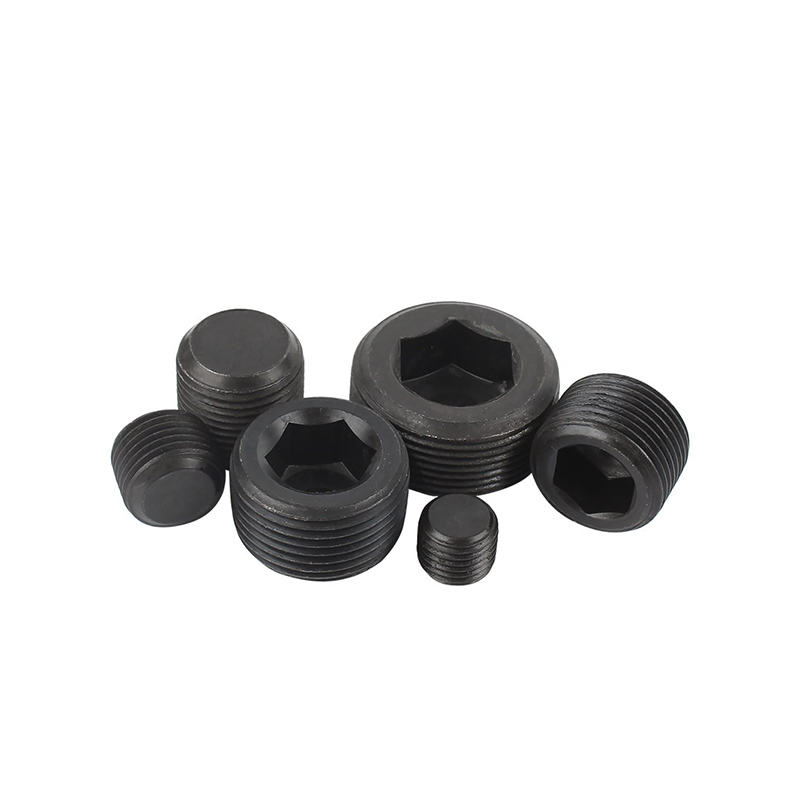
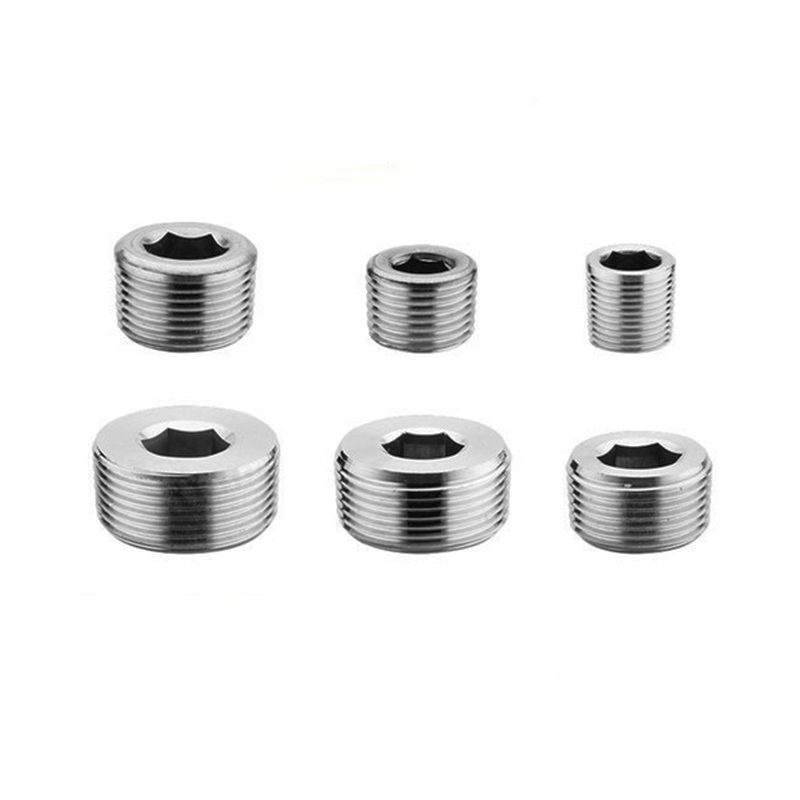
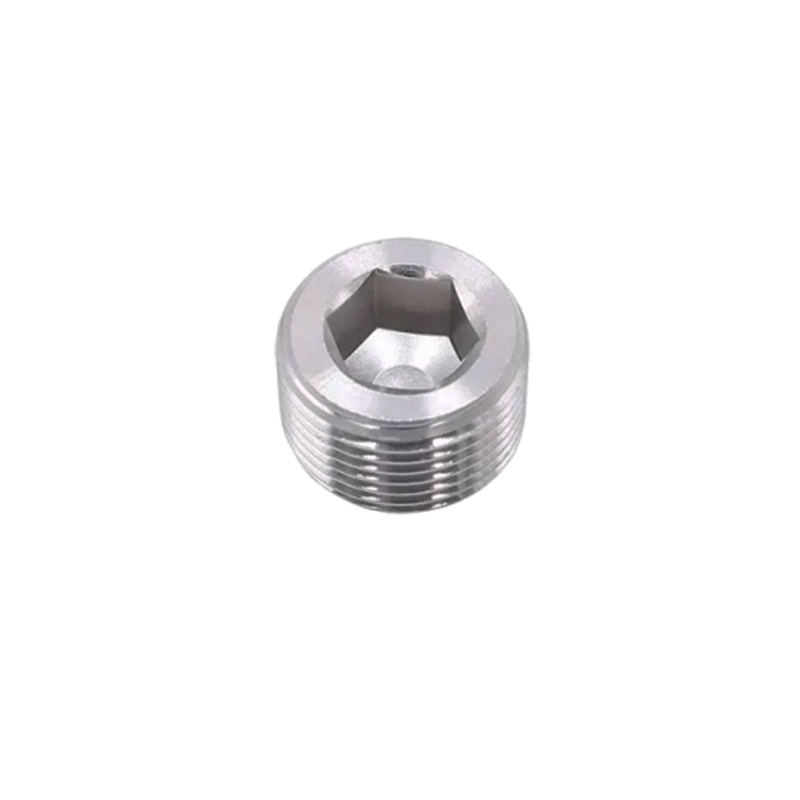
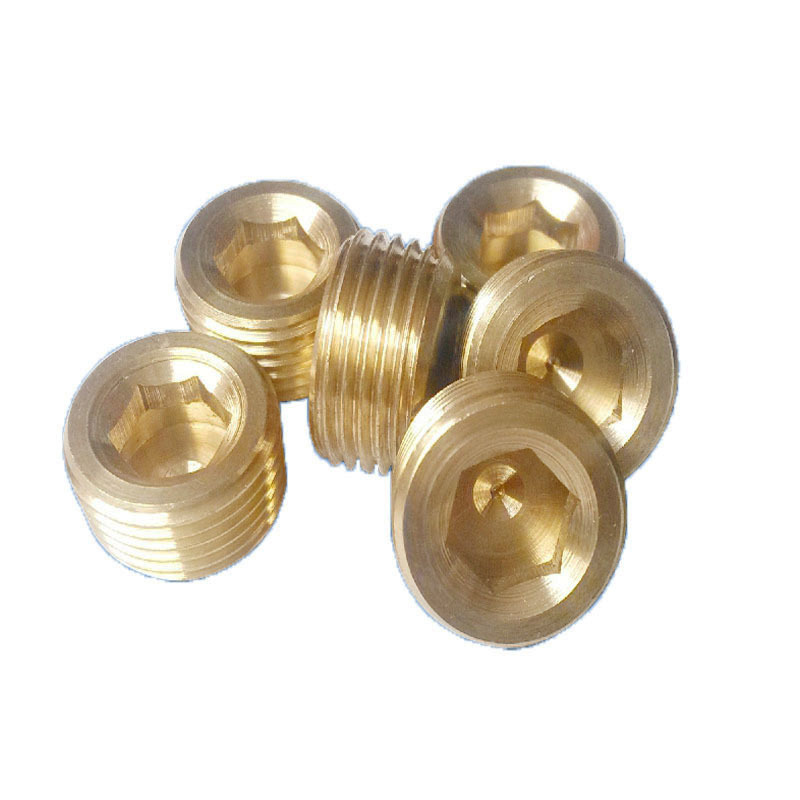
BSP Male Captive Hollow Seal Plug
Xiaoguo® is a reliable China supplier of BSP Male Captive Hollow Seal Plug, with their reliable sealing performance and long service life, that can effectively reduce system downtime, maintenance frequency and hydraulic oil consumption. In the long run, they result in lower costs. You can first check whether the sample is qualified.
Model:IS09974-2Type E
Send Inquiry
Product Description
When using the BSP Male Captive Hollow Seal Plug, please follow the regular procedures. Here are some points to note:
(1) Make sure it is oriented in the correct direction - when installing, check if the lips of the sealing ring are facing the side with the liquid pressure.
(2) Remember not to scratch it - during the entire operation, slow down. Make sure that tools or sharp threads do not scratch the sealing ring.
(3) Do not over-tighten - over-tightening is a common mistake. This may damage the sealing ring or damage the threads. Please operate strictly according to the recommended torque values.
(4) Be careful to avoid cross-wiring situations - if you are tightening the screws by hand but feel very strenuous or the screws cannot be smoothly screwed in, it is likely that the screw threads are not aligned. Immediately pull out the screw, check the threads, re-align them, and try again.

Daily maintenance and inspection
Developing the habit of regularly inspecting the BSP Male Captive Hollow Seal Plug is beneficial as it enables you to detect faults at an early stage. This way, minor problems won't escalate into major ones.
(1) Check for leaks - While the equipment is running, carefully observe the connection between the plug and the hydraulic interface. Look for any oil leakage or dripping.
(2) Check the sealing element - Just inspect the sealing ring at the end of the plug. Ensure it is undamaged - without cracks, hardening, wear or deformation. Also, check if it is still firmly embedded in its groove.
(3) Check it and interface - Observe for any physical damage on the BSP Male Captive Hollow Seal Plug head and the installation interface, such as dents, scratches or rust. Also, ensure the plug is securely installed without any looseness.
(4) Check the environment - If your equipment has specific requirements, pay attention to abnormal vibrations in the system - such vibrations may cause the connection to loosen. Also, keep the working area clean.
(5) Check frequency - For routine maintenance, inspect once a week. However, if the equipment you operate is under high pressure, has a lot of vibration or is in harsh conditions, then conduct an inspection every shift. For those infrequently operated equipment, conduct a comprehensive inspection during each shutdown for maintenance.
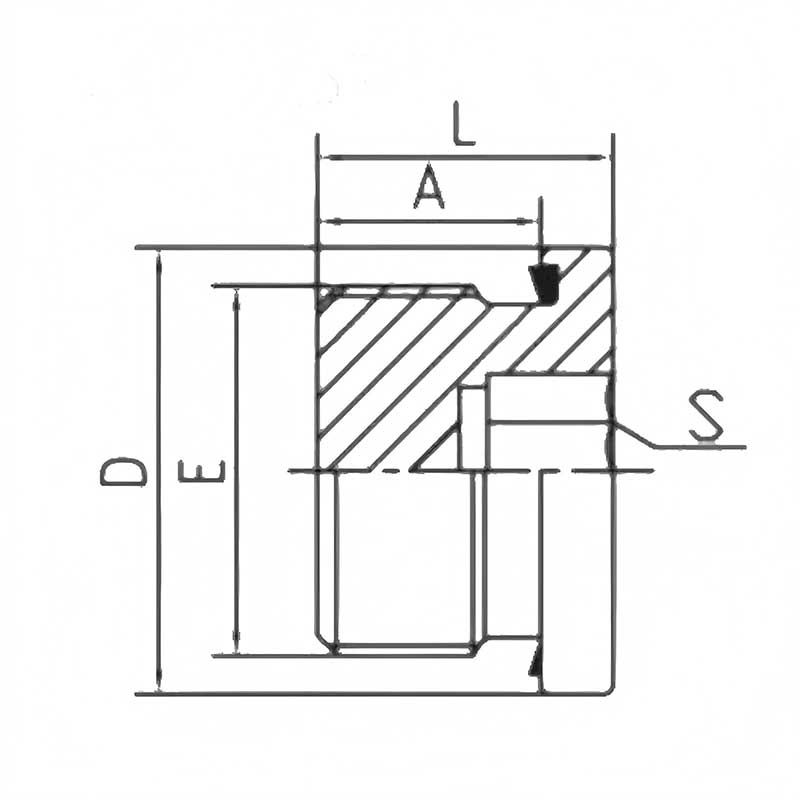
| PART# | THREAD | CAPTIVE | DIMENSIONS | MPA | ||||
| E | ED | A | L | S | D | N.M | PN | |
| SEG02 | G1/8”X28 | ED—10 | 8 | 12 | 5 | 14 | 11-13 | 40 |
| SEG04 | G1/4”X19 | ED—14 | 12 | 17 | 6 | 19 | 25-30 | 40 |
| SEG06 | G3/8”X19 | ED—17 | 12 | 17 | 8 | 22 | 42-58 | 40 |
| SEG08 | G1/2”X14 | ED—21 | 14 | 19 | 10 | 27 | 72-82 | 40 |
| SEG12 | G3/4”X14 | ED—27 | 16 | 21 | 12 | 32 | 21-140 | 40 |
| SEG16 | G1"X11 | ED—33 | 16 | 22.8 | 17 | 40 | 150-180 | 40 |
| SEG20 | G1.1/4”X11 | ED—42 | 16 | 22.8 | 22 | 50 | 190-280 | 31.5 |
| SEG24 | G1.1/2”X11 | ED—48 | 16 | 22.8 | 24 | 55 | 260-350 | 31.5 |
| SEG32 | G2"X11 | ED—60 | 18 | 26 | 27 | 70 | 340-400 | 31.5 |
| SEG40 | G2—1/2X11 | ED—B40 | - | - | 27 | - | 340-400 | 31.5 |
Hot Tags: BSP Male Captive Hollow Seal Plug, China, Manufacturer, Supplier, Factory
Related Category
Bolt
Nut
Screw
Stud
Welding Nuts
Self Drilling And Wood Screws
Washer
Closing Ring
Pin
Riveting Parts
Assemble Metal
Tools And Other Fasteners
Steel Wire Rope
Coil Spring
Oil Plug
Send Inquiry
Please Feel free to give your inquiry in the form below. We will reply you in 24 hours.