- English
- Español
- Português
- русский
- Français
- 日本語
- Deutsch
- tiếng Việt
- Italiano
- Nederlands
- ภาษาไทย
- Polski
- 한국어
- Svenska
- magyar
- Malay
- বাংলা ভাষার
- Dansk
- Suomi
- हिन्दी
- Pilipino
- Türkçe
- Gaeilge
- العربية
- Indonesia
- Norsk
- تمل
- český
- ελληνικά
- український
- Javanese
- فارسی
- தமிழ்
- తెలుగు
- नेपाली
- Burmese
- български
- ລາວ
- Latine
- Қазақша
- Euskal
- Azərbaycan
- Slovenský jazyk
- Македонски
- Lietuvos
- Eesti Keel
- Română
- Slovenski
- मराठी
- Srpski језик

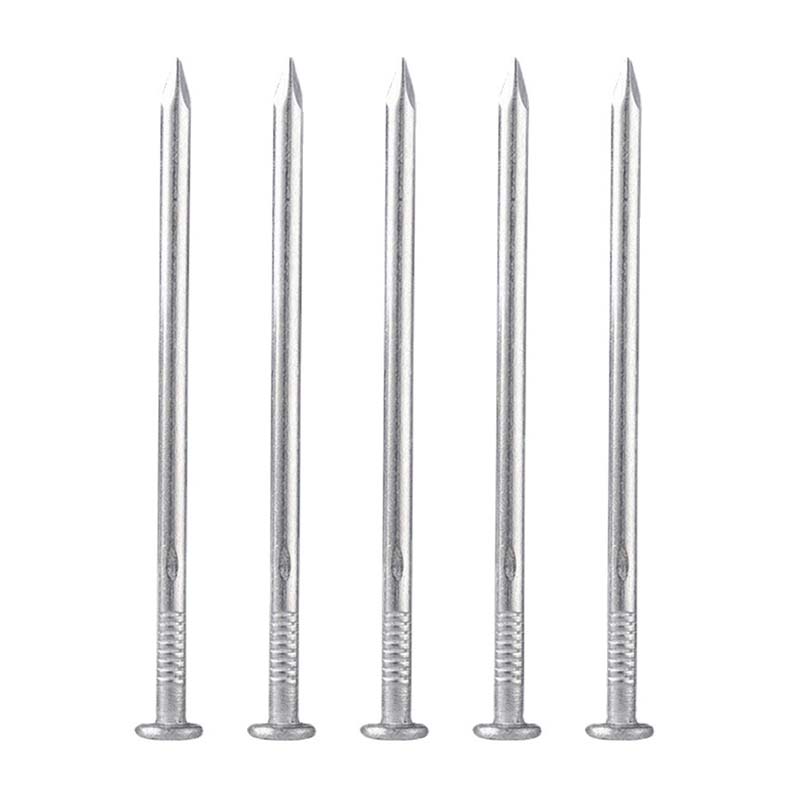
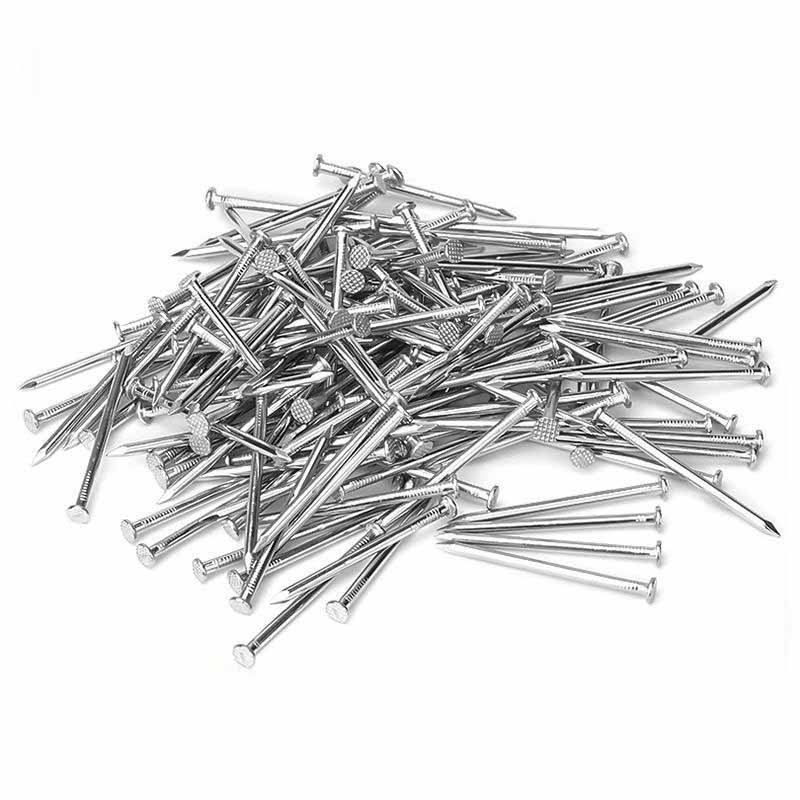
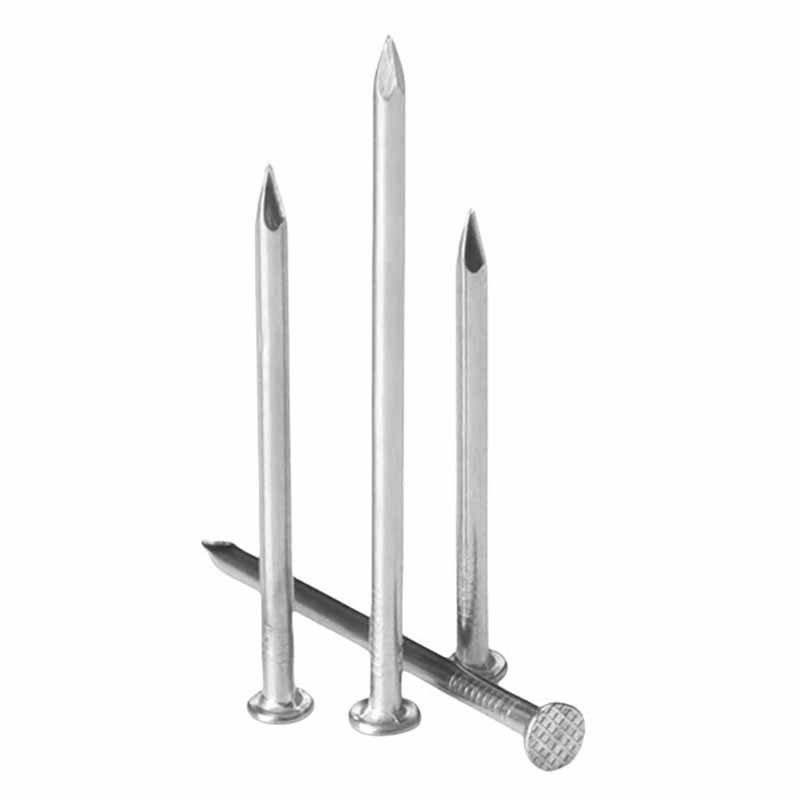
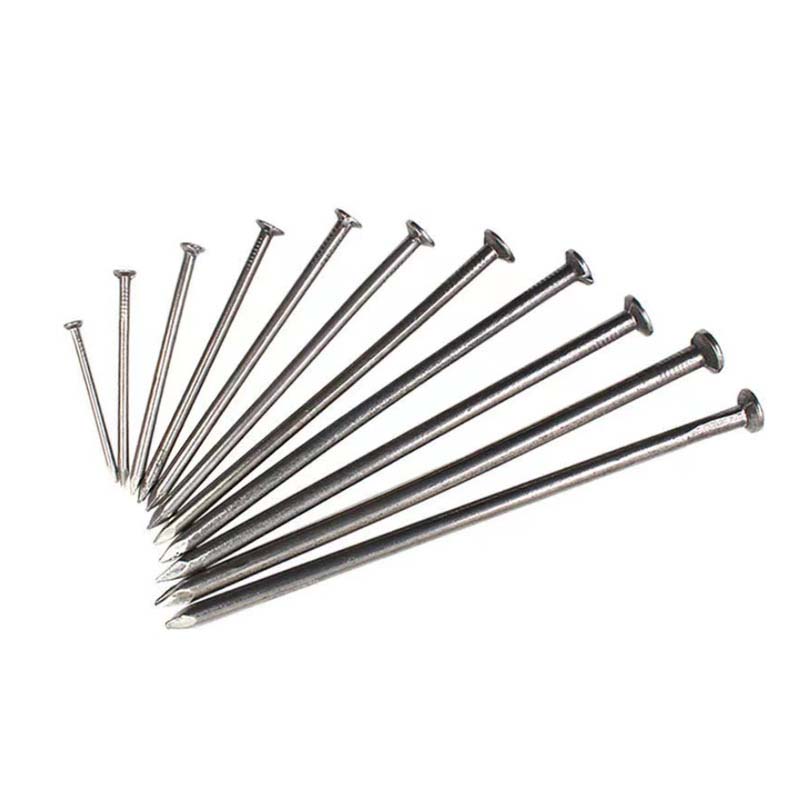
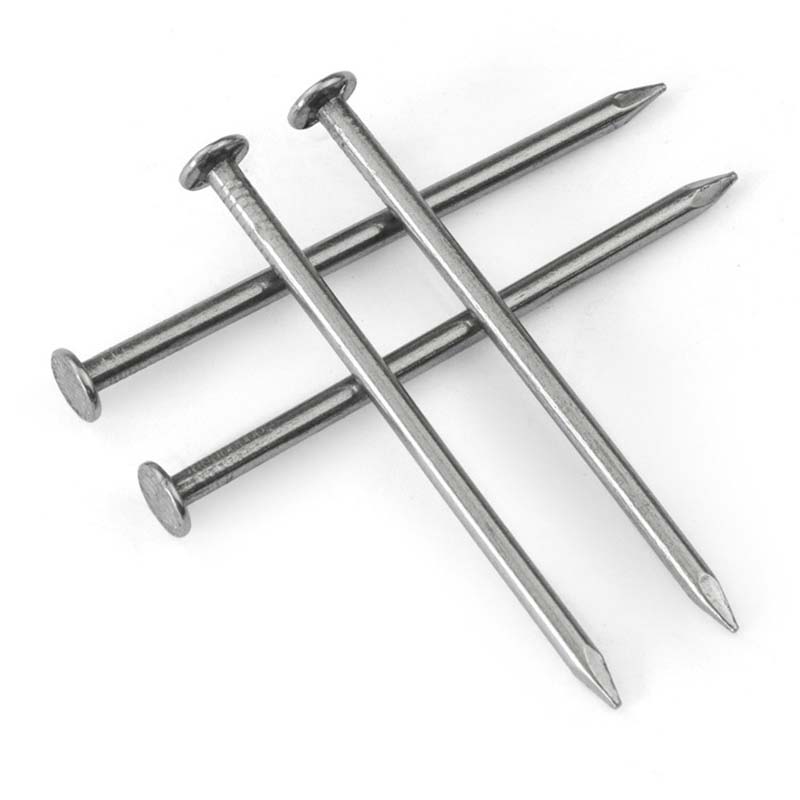
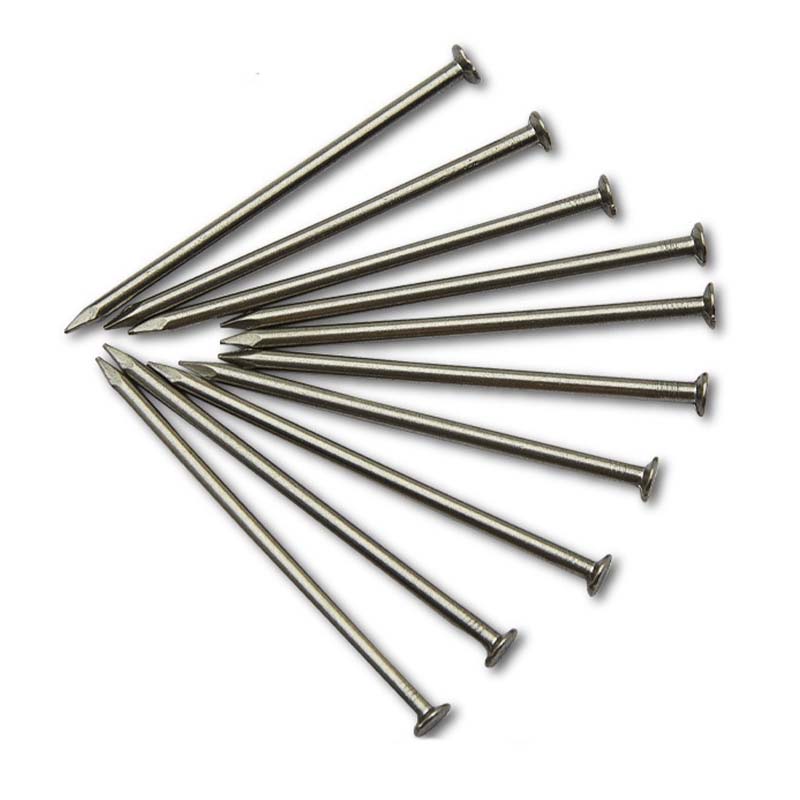
Steel Nail With Flat Head
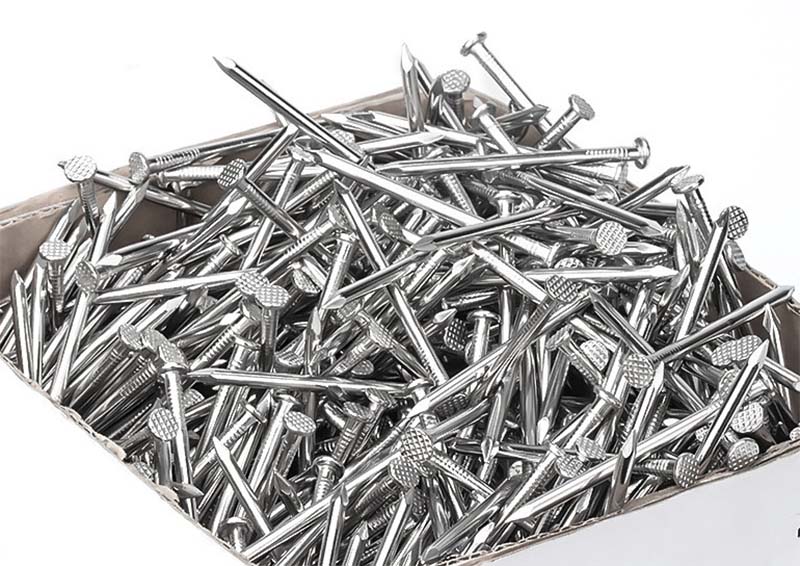
Steel nail with flat head is a stronger than iron nail. They can hold more weight, so if you're working on big, heavy projects, steel dowel keep things stable for a long time.Xiaoguo® provides 24/7 technical support to assist clients with product selection and installation.
Model:JIS A5508-9-2009
Send Inquiry
Product Description
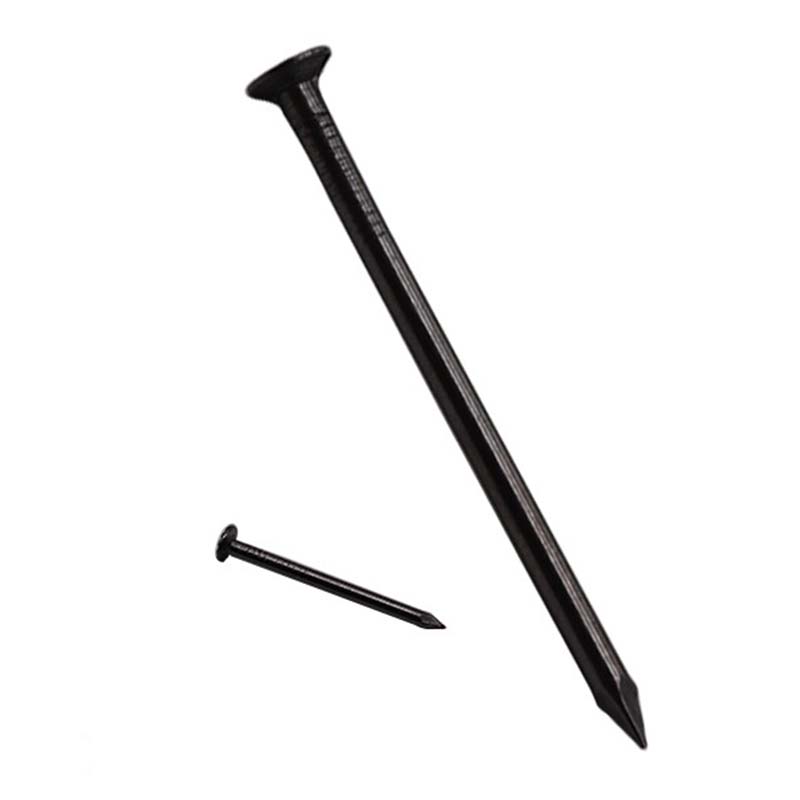
Steel nail with flat head get treated in a few ways to do their job better. Hot-dip galvanizing dunks them in zinc for a thick rust-proof layer,great for outdoor gear that sits in rain or dirt for years. Electro-galvanized is a lighter, smoother zinc coat, better for indoor furniture where you don’t want rough-looking nails. Epoxy coating fights off chemicals, so factories with harsh stuff use those. Phosphate ones help paint grip better, and stainless steel gives a polished finish for spots where looks matter. Basically, these treatments keep nails from rotting in weather, sun, or beat-up places,so they stay tough wherever you stick them.
Size
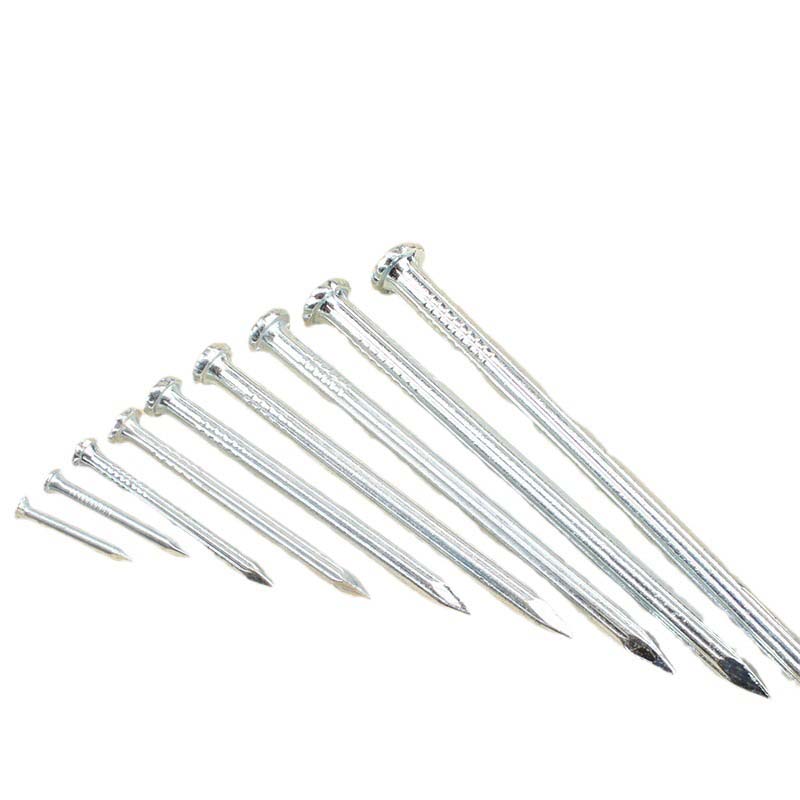
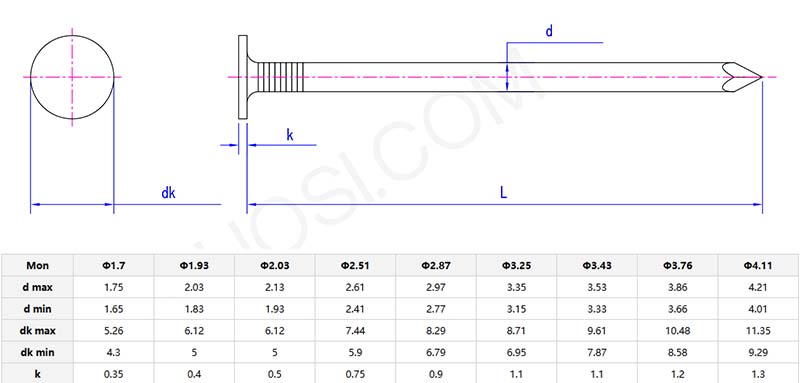
Steel nail with flat head come in many sizes,diameters from 0.5mm to 8mm and lengths from 10mm to 300mm to fit all kinds of jobs. You might see them sized by the penny system (like 8d, 16d) or in metric measurements (50mm, 100mm). The shanks (the shaft part) can be smooth, ringed, or spiral,each works better in certain materials, like ringed shanks for gripping wood tighter. The heads also vary: flat, countersunk (so they sit flush), or rounded, which is better for looks or function.If your project requires a specific size or shape, they can be custom made.Just remember to choose nails based on how thick the material is and how much weight they need to hold,that way, they’ll work best.
International Standards
Q:Do the steel nail with flat head produced by Xiaoguo® meet international quality standards such as ASTM or ISO?
A: Our steel nails meet ASTM F1667 (U.S.) and ISO 9001 standards, which means the material is consistent, sizes are accurate, and they perform reliably. We do strict batch testing for hardness, shear strength, and how thick the coating is. You’ll get Certificates of Compliance (COC) and Mill Test Reports (MTRs) to check the quality. For markets like the EU, we make sure they follow REACH rules, avoiding restricted substances like hexavalent chromium.
Product usage instructions
Using a Steel Nail With Flat Head is pretty straightforward, but you need to follow a few basic steps to get it right. First, make sure the surface you’re nailing into is clean and free of debris—this helps the nail go in smoothly. Hold the nail between your thumb and index finger, positioning its point where you want to drive it. Keep the nail as straight as possible; tilting it too much might cause it to bend or split the material, especially if you’re working with wood. Then, grab a hammer that’s the right size—too heavy might damage the nail head, too light will take more hits. Start with light taps to set the nail in place, so it doesn’t slip. Once it’s secure, you can hit harder, but still keep the hammer aligned with the nail. Keep going until the flat head sits flush with the surface. If you’re nailing into harder materials like concrete, you might need to pre-drill a small pilot hole first. This stops the nail from breaking and makes the job easier overall.
Product Packaging
The packaging of our Steel Nail With Flat Head is designed for practicality and easy storage. Each batch comes in cardboard boxes of different sizes, depending on the quantity—common options are 500-piece, 1000-piece, and 2000-piece boxes. The boxes have clear labels on the outside, printing the nail size, quantity, and product name, so you can quickly find what you need without opening them. Inside the box, the nails are sorted and placed in plastic bags to prevent them from rubbing against each other and getting scratched, or from rusting if stored in damp places. The cardboard boxes are sturdy enough to stack, which saves space in your garage, workshop, or storage room. For smaller needs, there are also small plastic packs with 100 or 200 nails, which are convenient for DIY enthusiasts or one-time small projects. The packaging is easy to open—just tear along the pre-cut seam—and resealable for the plastic packs, so you can keep the unused nails organized and protected until next time.
Hot Tags: Steel Nail With Flat Head, China, Manufacturer, Supplier, Factory
Related Category
Send Inquiry
Please Feel free to give your inquiry in the form below. We will reply you in 24 hours.