- English
- Español
- Português
- русский
- Français
- 日本語
- Deutsch
- tiếng Việt
- Italiano
- Nederlands
- ภาษาไทย
- Polski
- 한국어
- Svenska
- magyar
- Malay
- বাংলা ভাষার
- Dansk
- Suomi
- हिन्दी
- Pilipino
- Türkçe
- Gaeilge
- العربية
- Indonesia
- Norsk
- تمل
- český
- ελληνικά
- український
- Javanese
- فارسی
- தமிழ்
- తెలుగు
- नेपाली
- Burmese
- български
- ລາວ
- Latine
- Қазақша
- Euskal
- Azərbaycan
- Slovenský jazyk
- Македонски
- Lietuvos
- Eesti Keel
- Română
- Slovenski
- मराठी
- Srpski језик


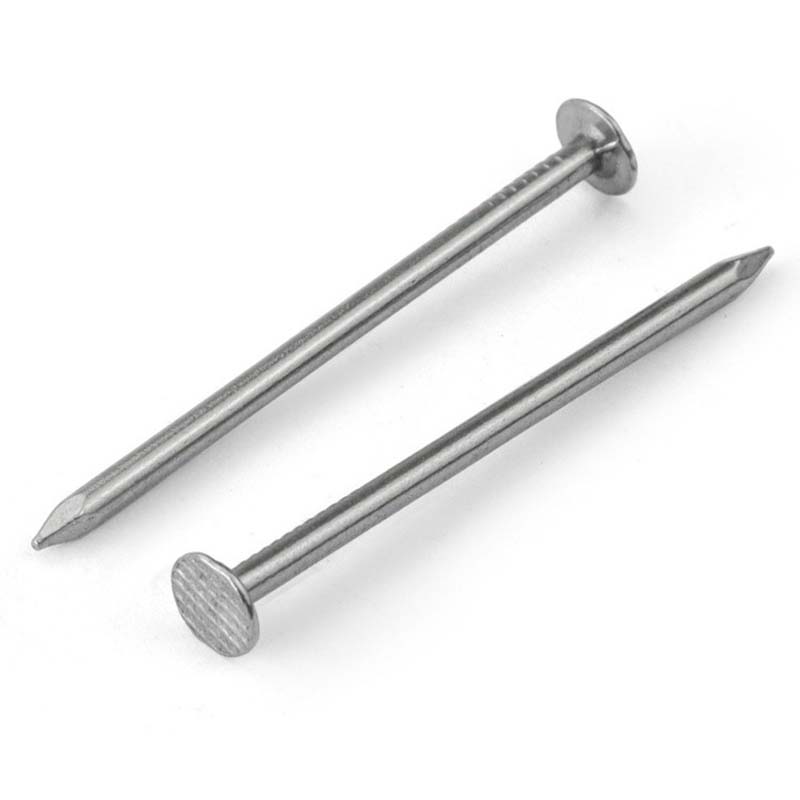
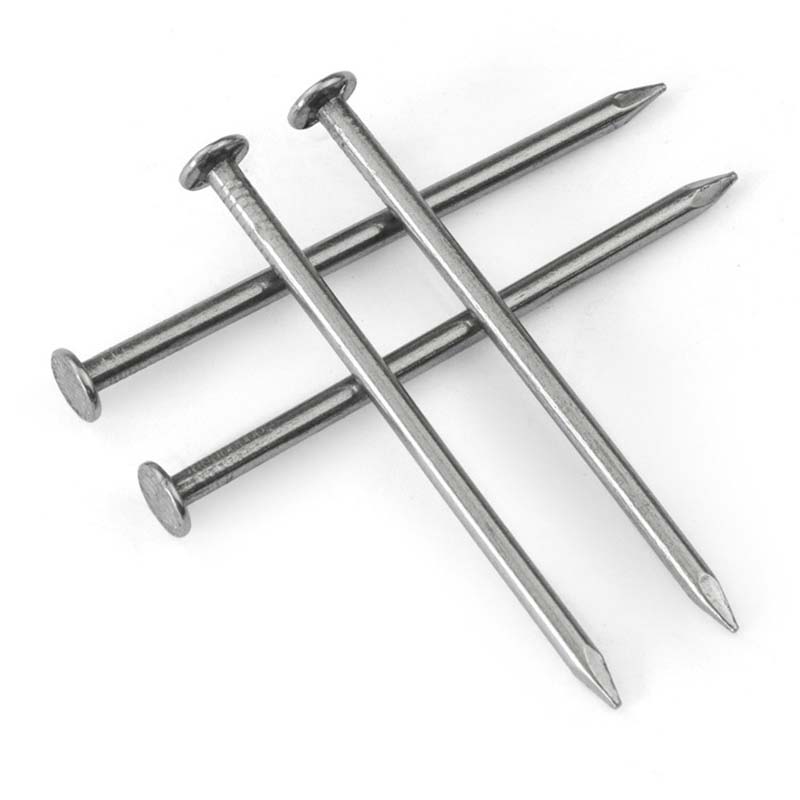
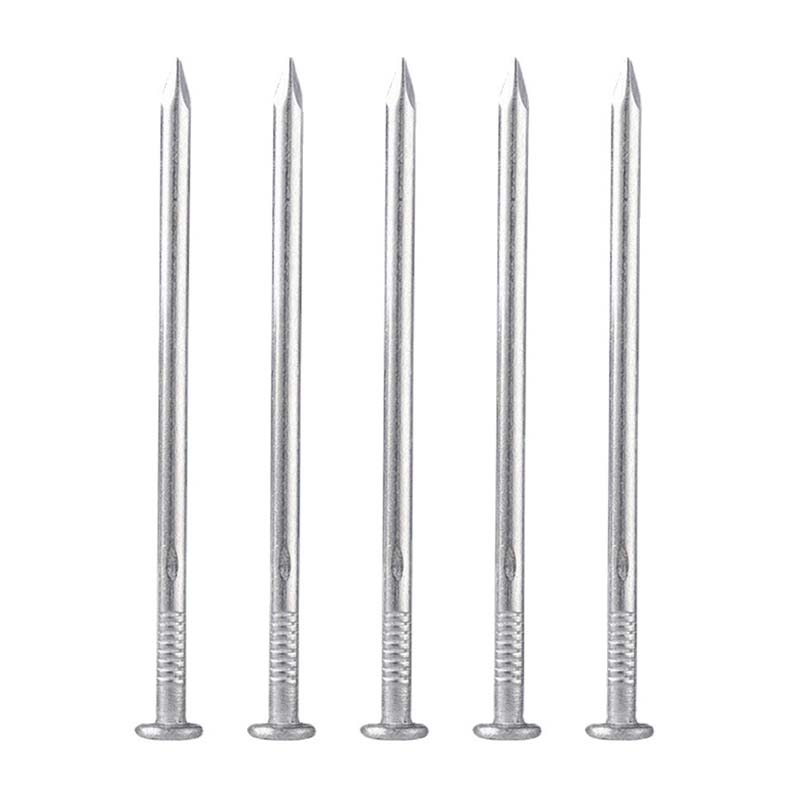
Flat Head Nail
When Xiaoguo® produces flat head nails, it will coat the nails with a layer of zinc or similar substances to protect the nails, prevent rust, extend the service life, and enable them to be used for a long time under harsh conditions.
Model:DIN 18182-4-1987
Send Inquiry
Product Description
Good flat head nails are usually made from low or medium carbon steel (like the ASTM A641/A563 stuff) or stainless steel (common grades like 304 or 316). Carbon steel keeps them hard, while stainless steel fights rust. Sometimes they toss in stuff like chromium or nickel to tweak the mix,say,for better rust resistance or heat tolerance. Xiaoguo® strictly controls the carbon content (about 0.05% to 0.75%), so that the nails are strong and durable and not easy to break. For work that requires attention to safety, such as electronics or heavy machinery, magnetic or non-magnetic nails can be selected. We strictly control the formula of nails, and these fasteners meet safety and performance requirements and meet relevant quality standards. No corners are cut in the production process.

Store
Store flat head nails properly to reduce rust and loss.Store them dry,like in sealed bins or bags,to keep moisture out. If they’ve got a rust-proof coating, don’t toss them around; scratches wreck the coating. Used them outside,check for rust or wear and swap those out fast. A quick spray of silicone or rust spray helps them last longer sitting around. Stainless steel’s low-maintenance, but if they get dunked in saltwater or chemicals, just rinse them off.Follow the above storage requirements to keep them in use for a long time and reduce losses.
Transport packaging
Q: What packaging options are available for flat head nail to prevent damage during transit?
A: Our steel nail come in moisture-proof cartons (25kg-50kg) with plastic liners inside to stop rusting. For large orders, we use wooden pallets with strong straps to keep the boxes from shifting during transport. You can add custom branding, like labels or special boxes, if you want. When shipping by sea, we include desiccant packets and anti-rust VCI paper to protect the nails on long trips. We also pack containers efficiently to cut down on shipping costs while making sure everything arrives in good shape.
Product surface treatment
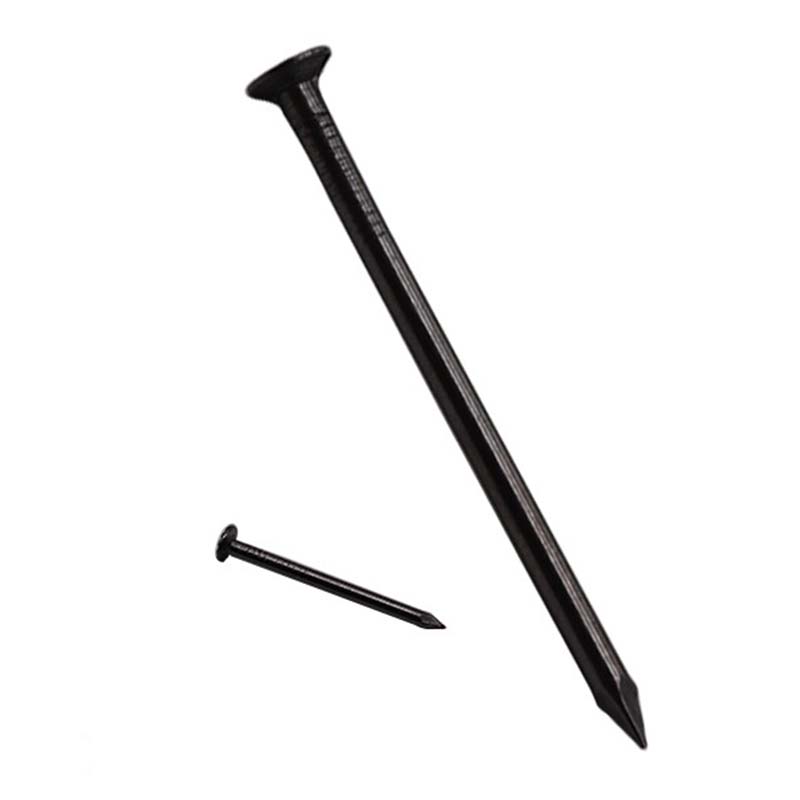
Flat Head Nail usually adopts simple surface treatments to meet basic use needs and prevent rust. The most common one is galvanization—either hot-dip or electro-galvanizing. Hot-dip galvanizing forms a thicker zinc layer, suitable for outdoor use like fixing wooden fences or outdoor frames. Electro-galvanizing has a thinner layer, used for indoor scenarios such as furniture assembly or wall decoration. Some nails get black oxide treatment, which gives a dark surface and basic corrosion resistance. The treatment process focuses on practicality, not appearance. No extra decorative treatments are added. Before leaving the factory, each nail is checked for surface uniformity—no peeling of the coating or obvious spots. The surface treatment mainly extends the service life, avoiding rust and deformation during use in ordinary environments.
Product specifications and grades
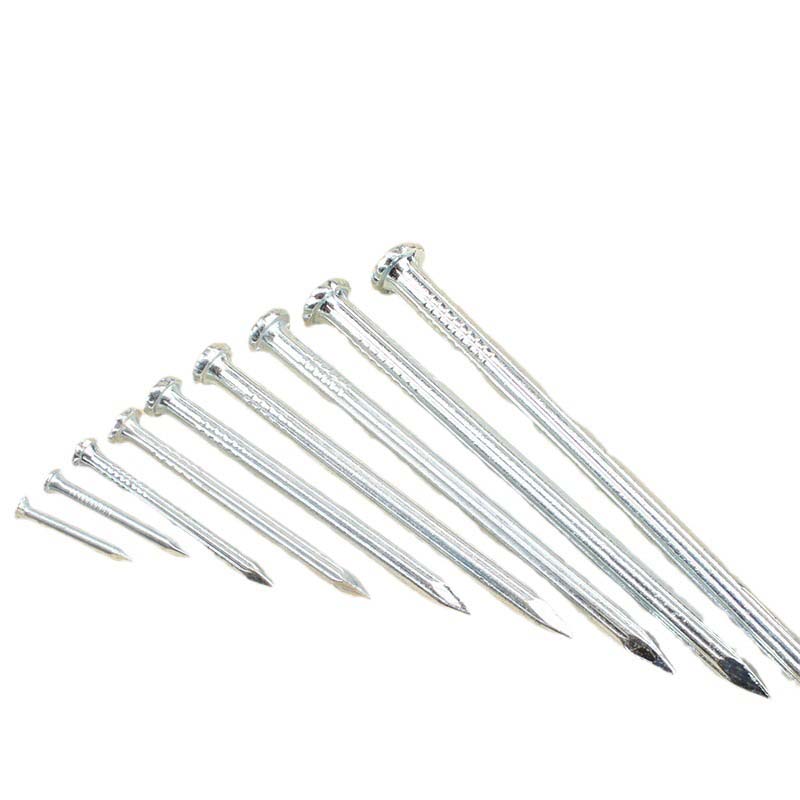
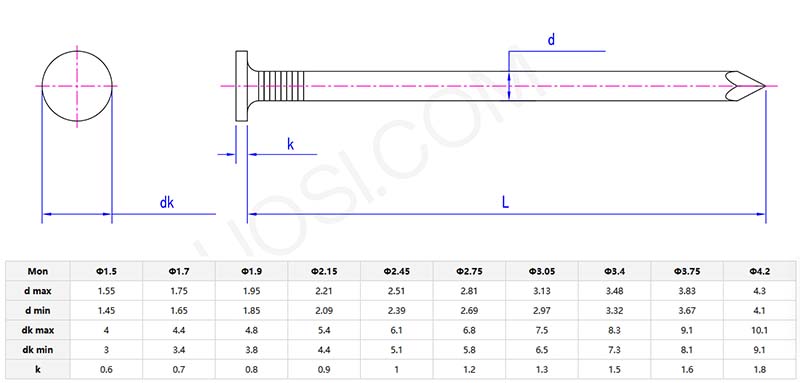
The specifications and grades of these nails are divided based on actual application scenarios. Specifications mainly refer to length and diameter—length ranges from 10mm to 50mm, and diameter varies accordingly to match different thicknesses of workpieces. Thin nails are used for fixing thin boards or decorative materials, while thick ones are for wooden structures or heavy-duty fastening. Grades are divided by material quality and processing precision. Ordinary grade nails are made of common carbon steel, for daily household use like fixing picture frames or small furniture. Industrial grade nails use higher-quality steel, with stricter thread (if any) and head flatness control, suitable for construction or mechanical auxiliary fastening. Each batch is labeled with specific specifications and grades, so users can choose based on their actual needs without confusion.
Hot Tags: Flat Head Nail, China, Manufacturer, Supplier, Factory
Related Category
Send Inquiry
Please Feel free to give your inquiry in the form below. We will reply you in 24 hours.