- English
- Español
- Português
- русский
- Français
- 日本語
- Deutsch
- tiếng Việt
- Italiano
- Nederlands
- ภาษาไทย
- Polski
- 한국어
- Svenska
- magyar
- Malay
- বাংলা ভাষার
- Dansk
- Suomi
- हिन्दी
- Pilipino
- Türkçe
- Gaeilge
- العربية
- Indonesia
- Norsk
- تمل
- český
- ελληνικά
- український
- Javanese
- فارسی
- தமிழ்
- తెలుగు
- नेपाली
- Burmese
- български
- ລາວ
- Latine
- Қазақша
- Euskal
- Azərbaycan
- Slovenský jazyk
- Македонски
- Lietuvos
- Eesti Keel
- Română
- Slovenski
- मराठी
- Srpski језик

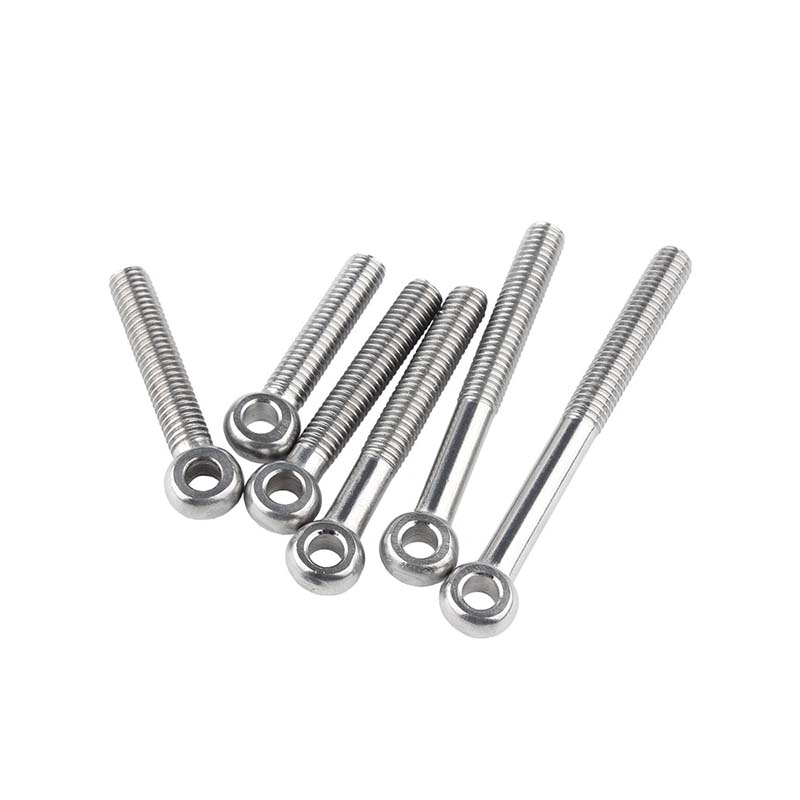
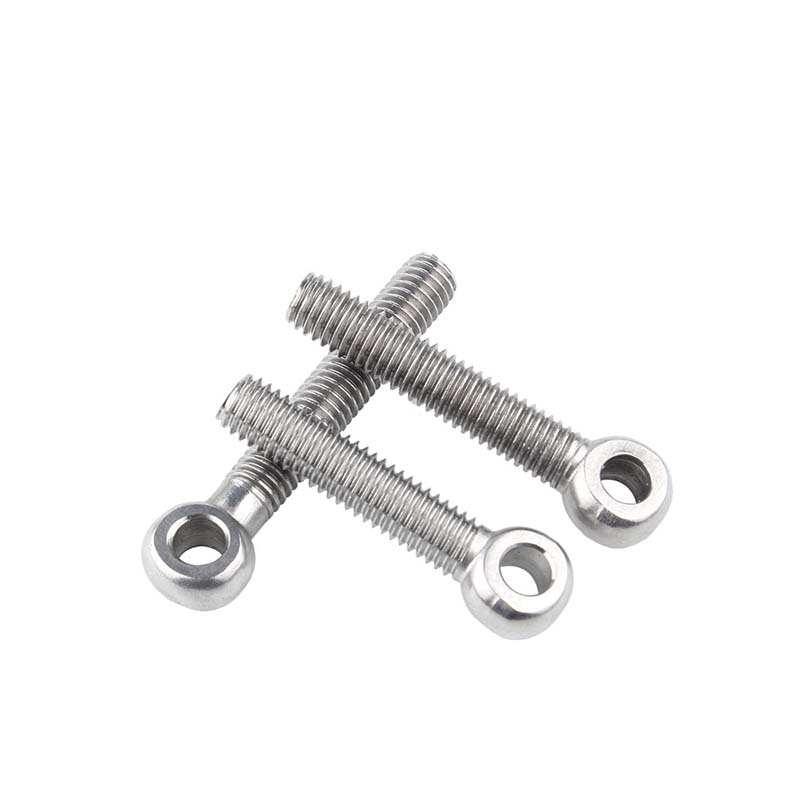
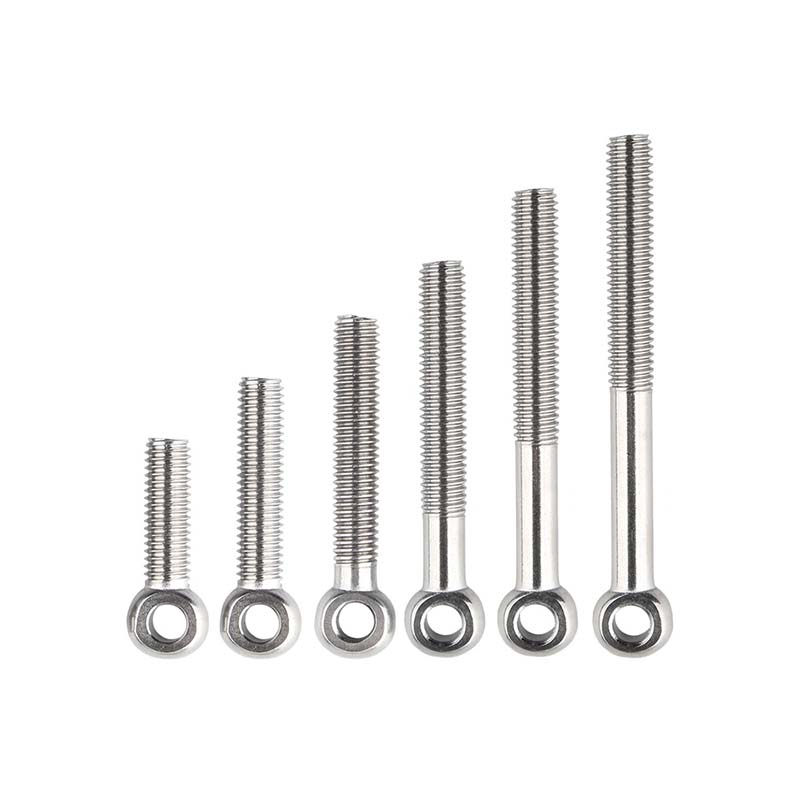
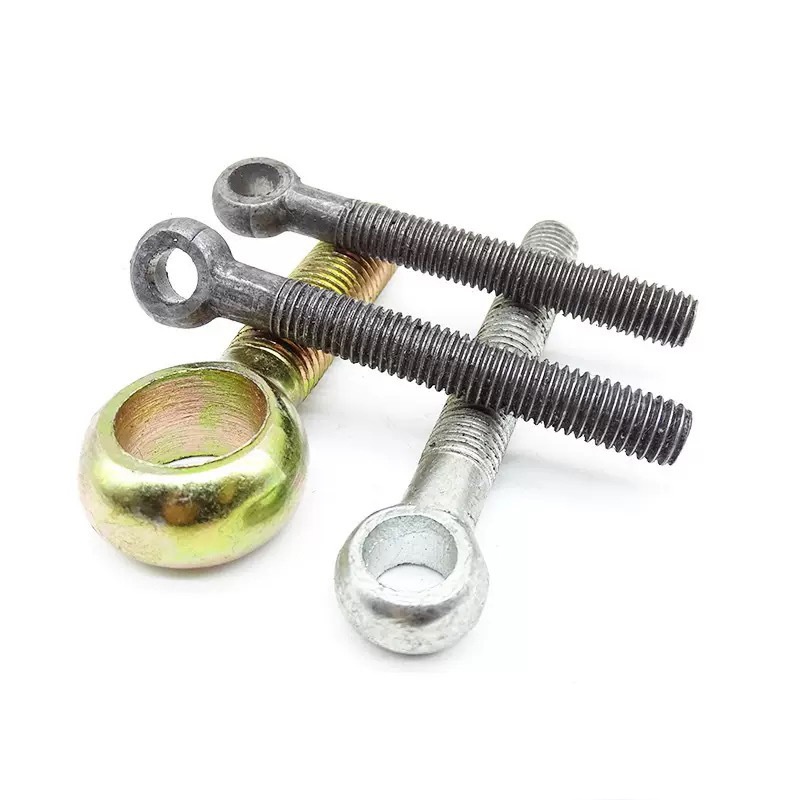
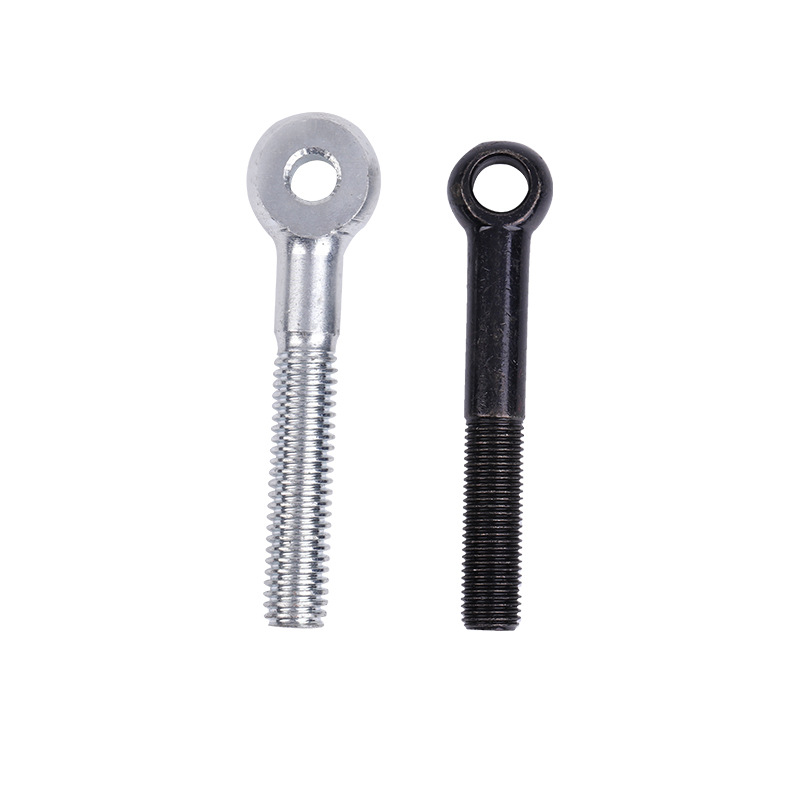
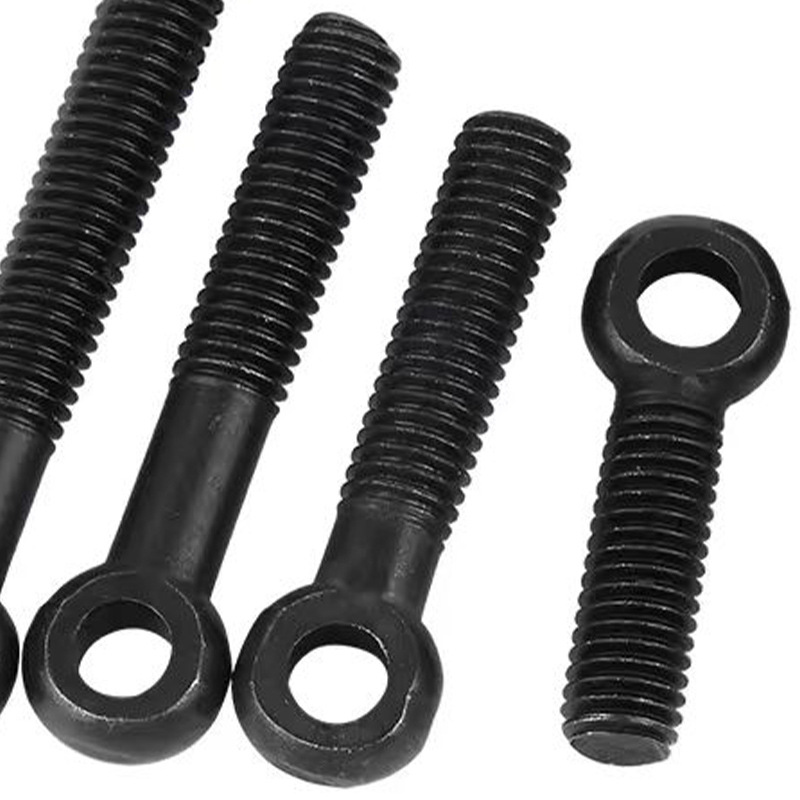
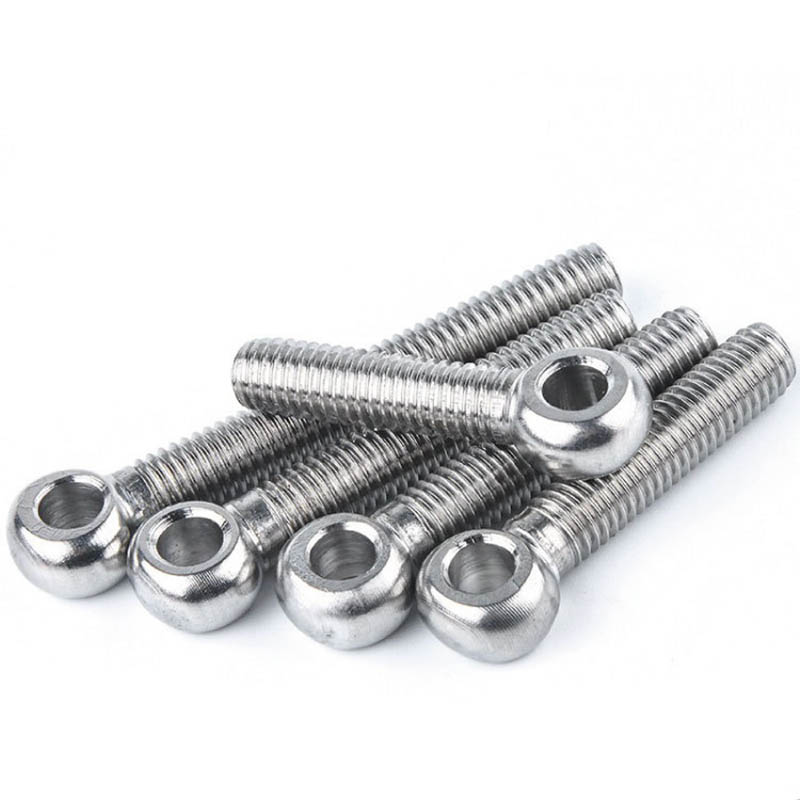
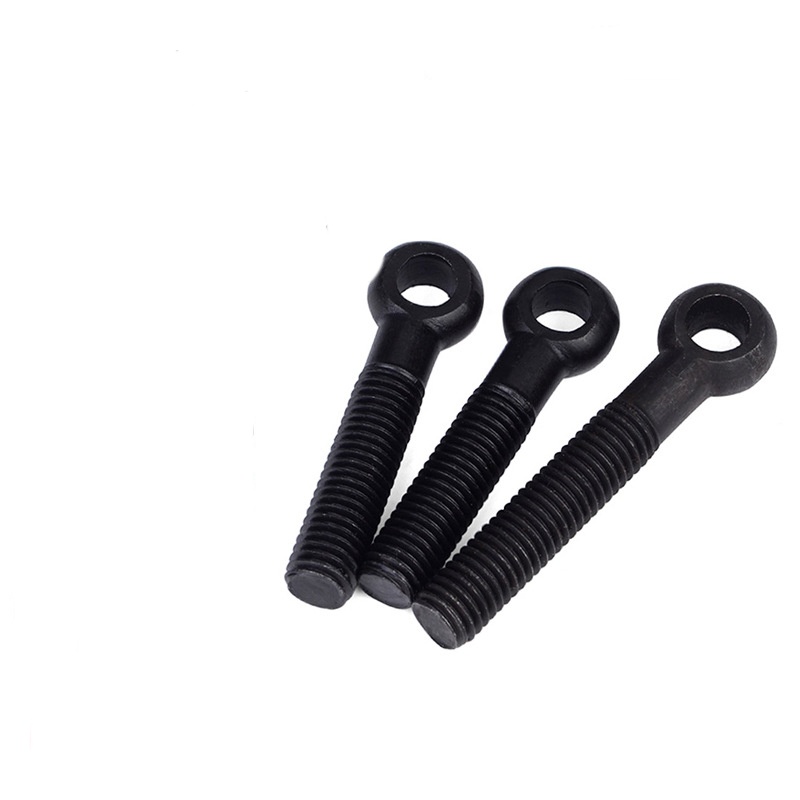
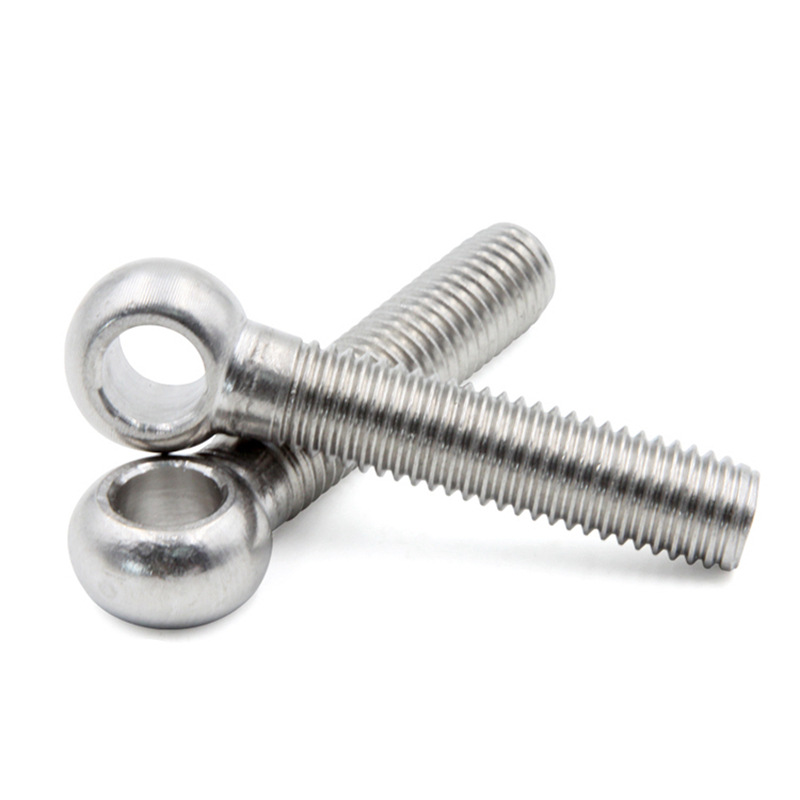
Steel Eye Bolts
Custom packaging (barcode labeling, vacuum sealing) is free for Xiaoguo®’s repeat wholesale clients. Engineers usually choose Steel Eye Bolts for structures that move a lot. In these setups, how the weight is spread out and being able to change the pivot points are really important for making everything work as well as possible.
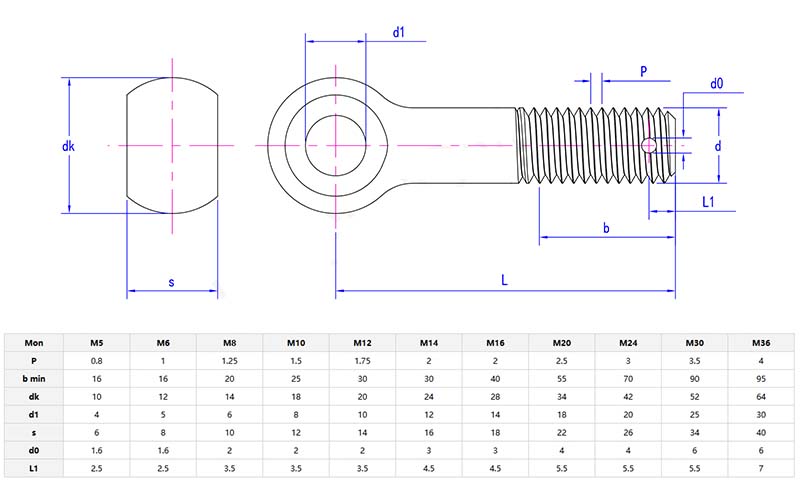
Model:GOST 3033-1979
Send Inquiry
Product Description
How long Steel Eye Bolts last really depends on how well you take care of them. You should check the threads regularly to make sure there’s no dirt or other stuff stuck in there. And put some lithium-based grease on them to keep friction down.
If you’re using the bolts in a place where things rust easily, go for stainless steel ones or ones with a protective coating. After they’ve been exposed to the elements, rinse them with clean water. Don’t tighten them too much, lest you’ll mess up the threads. Just use a torque wrench, then set it according to the manufacturer recommends.
If a bolt looks stretched out, has cracks, or has little pits on the surface that is time to replace it. For bolts that get used a lot, figure out how often you need to lubricate them based on how hard they’re working. Do these things, and the bolts will work well and won’t break when you least expect it.
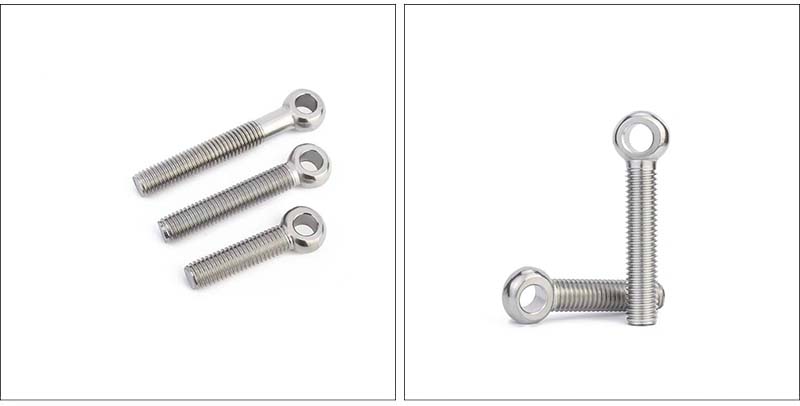
Product details
Regular Steel Eye Bolts are useful, but you can also get them customized. Some have hollow centers so you can run wires through them. Anti-backlash nuts help with getting really precise positioning. And there are ones with modular ends, which makes it easy to swap them out.
You can also choose custom threading, use special materials, for example, Inconel if it gets super hot, or even add RFID tags to keep track of them. Original equipment manufacturers (OEMs) work with engineers to make bolts that are just right for specific uses. Like, they can manufacture non-magnetic bolts for MRI machines or flat bolts that fit in tight spaces.
You can customize them so much, then these bolts are a great option when you have a unique technical problem to solve.
Q&A
Q: How often should the Steel Eye Bolts be inspected for maintenance?
A: Check the bolt every 3 to 6 months. How often you should do it depends on how much you use it. Look for signs of the threads wearing out, rust, or if it's getting loose because of vibration. Tighten it again to the right level (like 50 to 80 Nm) and put some lubricant on the part that pivots.
Product Uses
They are widely used in lifting and rigging work across different industries. You can find them in construction sites, warehouses and manufacturing plants, where they provide a stable attachment point for slings, chains or cables to lift heavy loads. They also work well in marine settings, like securing equipment on boats or docks, as they hold up against moisture. For daily uses, smaller versions help hang items such as ceiling lights, picture frames or hammocks. Some are applied in automotive and railway fields too, fixing cargo or components. Steel Eye Bolts come in different types for specific needs—those with shoulders suit angular lifts, while regular ones are for vertical loads. They’re easy to install by screwing the threaded end into a surface, making them a go-to hardware for securing or moving objects safely.
Product quality assurance
We follow strict standards during production to ensure reliability. The production process includes wire drawing, cold forging, heat treatment and surface treatment, all controlled to meet ISO, DIN and ASTM standards. Each piece goes through multiple inspections—checking for bends, cracks or worn threads before leaving the factory. Threads are made to fit ASME B1.1 specs, ensuring tight connection without loosening. Surface treatments like passivation or galvanization prevent rust, and we test them under salt fog to confirm corrosion resistance. We also control dimensional tolerance within ±0.01 to ±0.05 mm for precision. Before delivery, every batch is checked for load capacity to match rated limits. We don’t cut corners on materials, using 304 or 316 stainless steel as needed. Steel Eye Bolts are only shipped after passing all tests, so you can use them with confidence in various working conditions.
Hot Tags: Steel Eye Bolts, China, Manufacturer, Supplier, Factory
Related Category
Hexagon Head Bolt
Hexagon Head Flange Bolt
Square Head Bolt
Round Head Bolt
Countersunk Bolt
Knuckle Bolt
T-bolt
U Bolt
Foundation Bolts
Anchor Bolt
Hub Bolt
Hexalobular Socket Pan Head Bolt
Twelve Angle Bolt
Send Inquiry
Please Feel free to give your inquiry in the form below. We will reply you in 24 hours.