
- English
- Español
- Português
- русский
- Français
- 日本語
- Deutsch
- tiếng Việt
- Italiano
- Nederlands
- ภาษาไทย
- Polski
- 한국어
- Svenska
- magyar
- Malay
- বাংলা ভাষার
- Dansk
- Suomi
- हिन्दी
- Pilipino
- Türkçe
- Gaeilge
- العربية
- Indonesia
- Norsk
- تمل
- český
- ελληνικά
- український
- Javanese
- فارسی
- தமிழ்
- తెలుగు
- नेपाली
- Burmese
- български
- ລາວ
- Latine
- Қазақша
- Euskal
- Azərbaycan
- Slovenský jazyk
- Македонски
- Lietuvos
- Eesti Keel
- Română
- Slovenski
- मराठी
- Srpski језик

China Hexagonal thick nuts Manufacturer, Supplier, Factory
Hexagonal thick nuts are a specialized type of Hexagon nut designed for applications requiring higher clamping force, greater load distribution, and enhanced durability. These heavy-duty fasteners are commonly used in construction, machinery, and automotive industries where standard hex nuts may not provide sufficient strength or thread engagement. The unique geometry of hexagonal thick nuts allows them to withstand greater torque and stress, making them ideal for critical connections in structural frameworks, heavy equipment, and industrial assemblies. Engineers and procurement professionals often specify these nuts when working with high-strength bolts or in environments subject to vibration, corrosion, or extreme temperatures. With their robust design and reliable performance, hexagonal thick nuts ensure long-term stability and safety in demanding applications. When selecting a Hexagon nut for heavy-duty use, the thick variant offers distinct advantages in terms of fatigue resistance and secure fastening.
Hexagonal thick nuts are manufactured to precise standards, ensuring consistent quality and performance across various applications. Key parameters of Hexagonal thick nuts include dimensions, material grades, and mechanical properties, which are critical for proper selection and installation. Below is a detailed overview of the specifications for Hexagonal thick nuts.
- Thread Size: Available in metric (e.g., M6 to M48) and imperial (e.g., 1/4" to 2") standards to match bolt requirements.
- Width Across Flats: Typically ranges from 10 mm to 75 mm, depending on the size, providing a secure grip for wrenches.
- Height/Thickness: Generally 1.5 to 3 times the thickness of standard hex nuts, offering increased bearing surface.
- Material: Common options include carbon steel (grades 5, 8, 10), stainless steel (304, 316), and alloy steel, with coatings like zinc plating or hot-dip galvanizing for corrosion resistance.
- Strength Grade: Often classified under systems like ISO 898-2 or ASTM A563, with grades such as 8, 10, or 12 for high tensile applications.
- Surface Finish: Options include plain, phosphated, or dichromate finishes to enhance durability and aesthetic appeal.
| Parameter | Typical Range | Standards | Applications |
|---|---|---|---|
| Thread Size | M6 - M48 / 1/4" - 2" | ISO 4032, ASME B18.2.2 | General machinery, construction |
| Width Across Flats | 10 mm - 75 mm | DIN 934, ANSI B18.2.2 | Automotive, structural steel |
| Height | 8 mm - 40 mm | ISO 4034, ASTM A563 | Heavy equipment, bridges |
| Material Grade | Grade 5 to 12 / A2 to A4 | ISO 898-2, ASTM F594 | Marine, chemical plants |
| Proof Load | Up to 1200 MPa | ISO 898-1, SAE J429 | Aerospace, high-stress assemblies |
Related Products





Hot Products
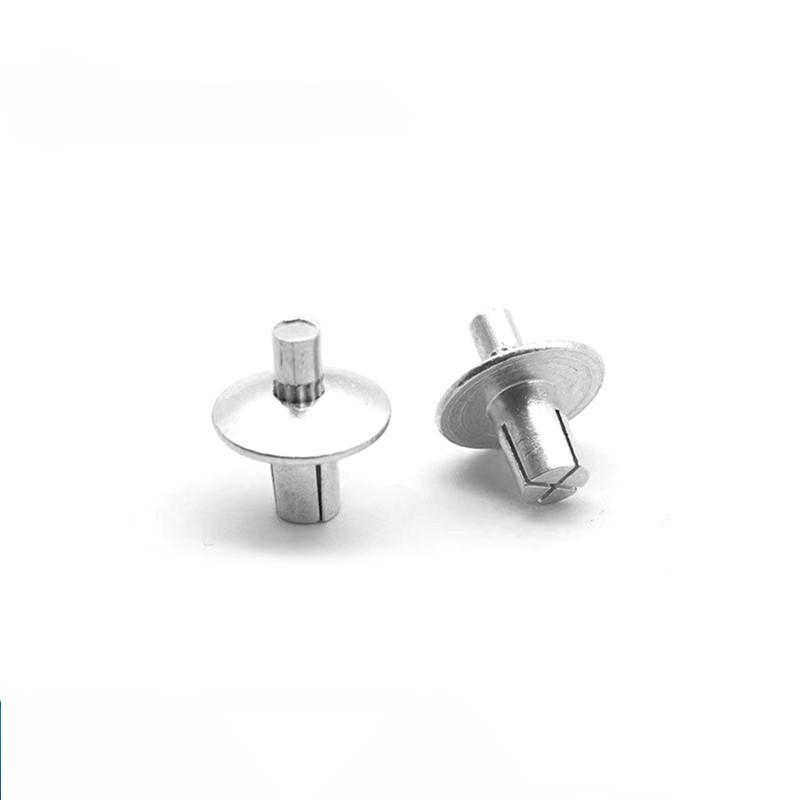
Multi Material Core Penetrating Rivet
Multi Material Core Penetrating Rivet features a unique design: its mandrel, when pulled, expands and penetrates into the rivet's own shell, creating a large blind-side footprint. The manufacturer behind this innovative fastening solution, Xiaoguo®, upholds a company culture that emphasizes innovation, responsibility, and customer satisfaction above all else.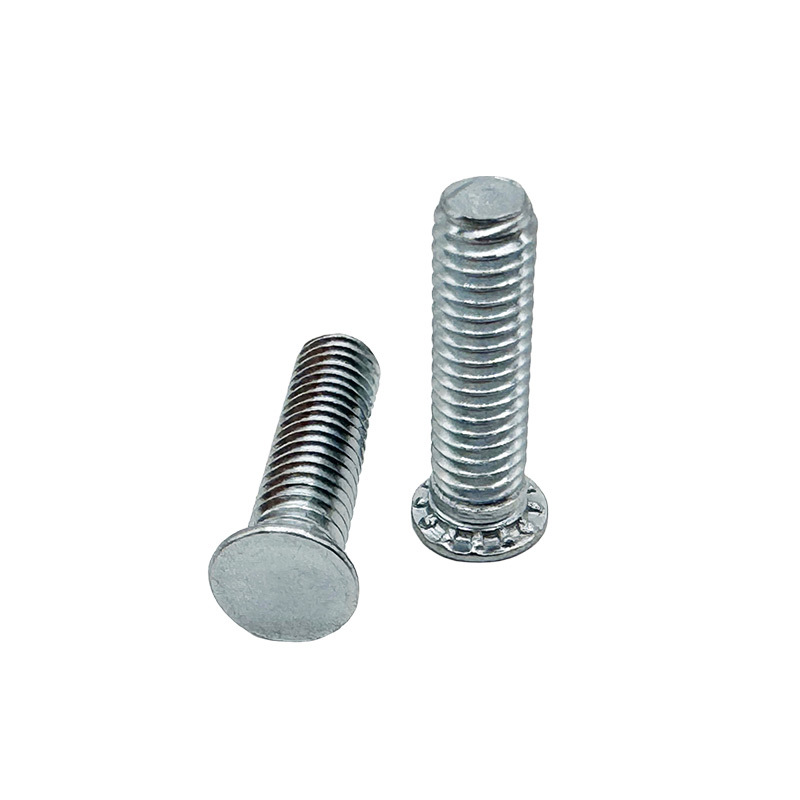
High Quality Press Riveting Screw
For cost-effective bulk projects, choose XIAO GUO. We provide high-performance cheap High Quality Press Riveting Screw options. Contact us for a competitive High Quality Press Riveting Screw quotation and low price High Quality Press Riveting Screw solutions.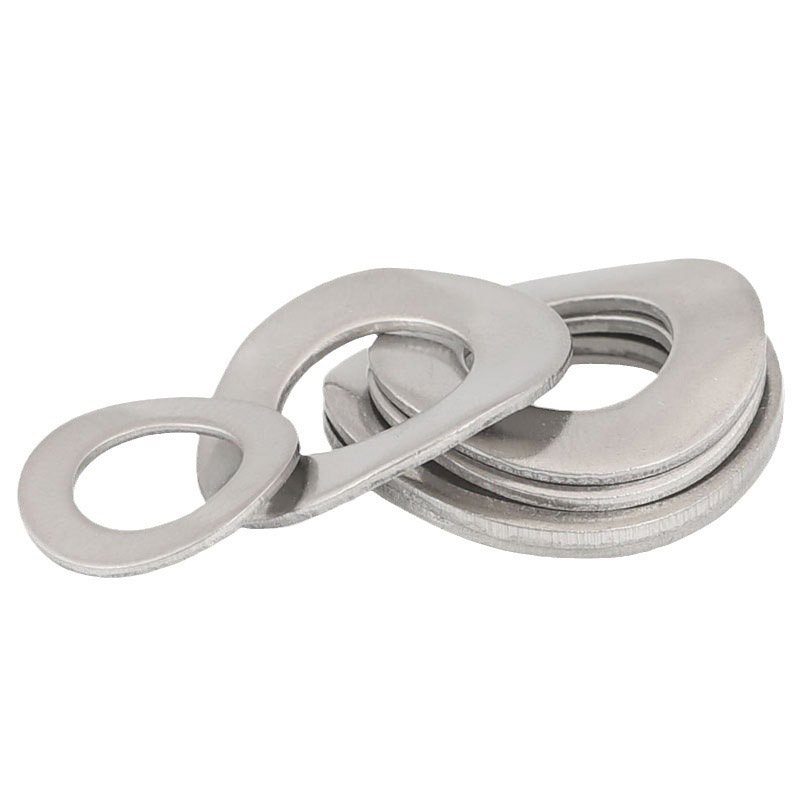
Disc Spring Washer
Disc spring washers are mechanical parts with a conical disc structure. When installed, the concave surface faces the connector and the convex surface faces the nut.Xiaoguo® collaborates with clients to optimize fastener solutions, reducing assembly time and maintenance costs.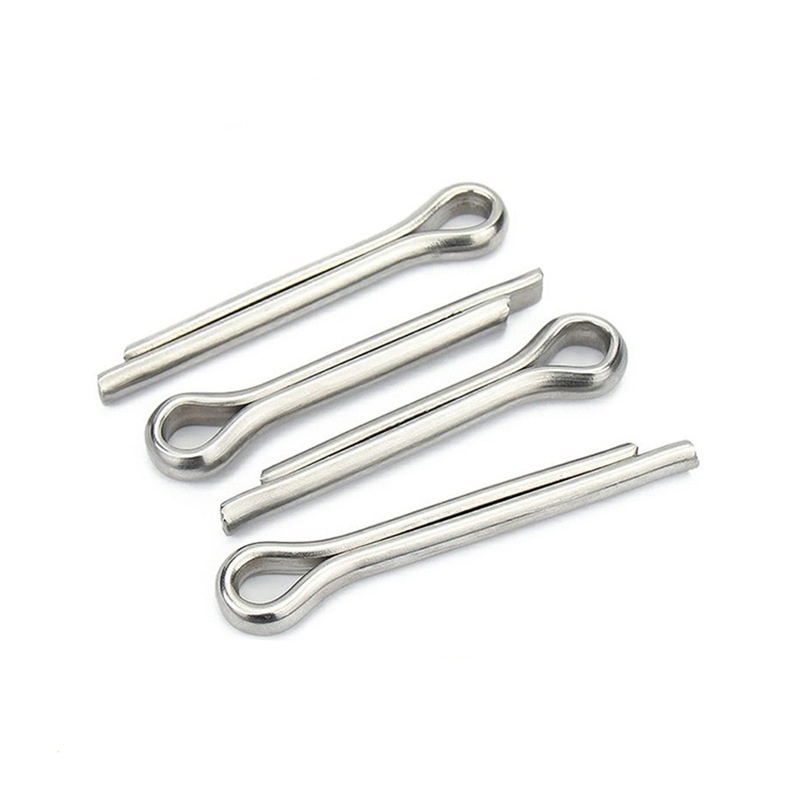
Convenient Split Pins
Convenient Split Pins, produced by Xiaoguo® – a professional manufacturer – benefit from the company's efficient logistics partnerships, ensuring reliable sea and air freight delivery worldwide. Typically made of relatively soft, malleable metals like mild steel, brass, or stainless steel, they are designed to be bent easily during installation and often removed/replaced during maintenance.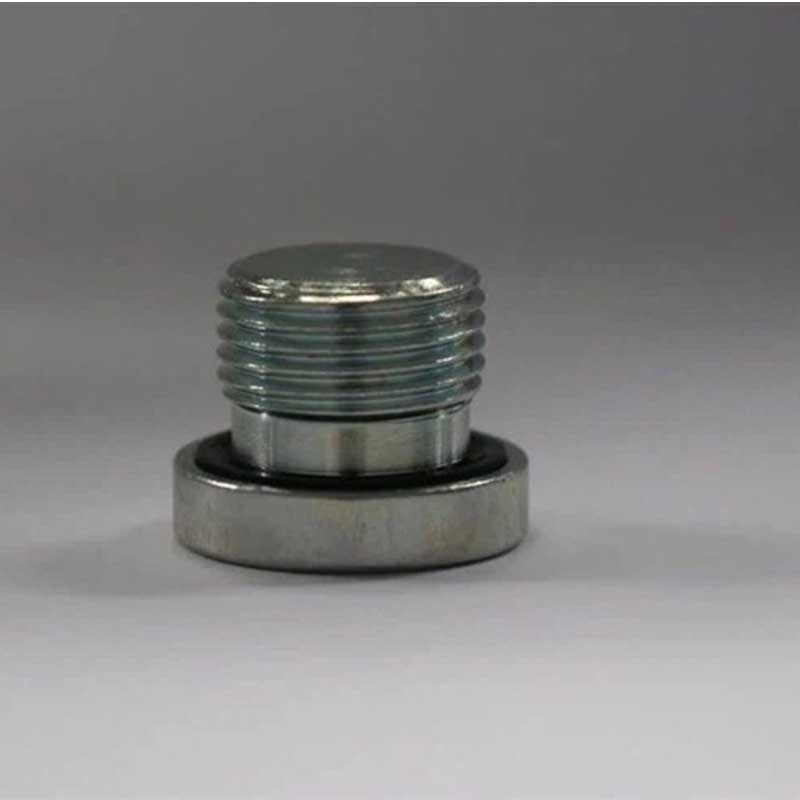
BSP Male Captive Seal Hollow Plug
The XiaoGuo® BSP Male Captive Seal Hollow Plug hexagonal drive method enables it to complete its tasks even in restricted working environments. In the early stage of cooperation, we strongly support conducting sample tests first, and then proceeding with large-scale orders.
Plain Tacket
For Plain tacket, everyone has different special concerns about it, and what we do is to maximize the product requirements of each customer, so the quality of our Plain tacket has been well received by many customers and enjoyed a good reputation in many countries. Baoding Xiaoguo Intelligent Equipment Co., LTD. Plain tacket have characteristic design & practical performance & competitive price, for more information on the Plain tacket, please feel free to contact us.
- Related Blog
- Reviews