- English
- Español
- Português
- русский
- Français
- 日本語
- Deutsch
- tiếng Việt
- Italiano
- Nederlands
- ภาษาไทย
- Polski
- 한국어
- Svenska
- magyar
- Malay
- বাংলা ভাষার
- Dansk
- Suomi
- हिन्दी
- Pilipino
- Türkçe
- Gaeilge
- العربية
- Indonesia
- Norsk
- تمل
- český
- ελληνικά
- український
- Javanese
- فارسی
- தமிழ்
- తెలుగు
- नेपाली
- Burmese
- български
- ລາວ
- Latine
- Қазақша
- Euskal
- Azərbaycan
- Slovenský jazyk
- Македонски
- Lietuvos
- Eesti Keel
- Română
- Slovenski
- मराठी
- Srpski језик

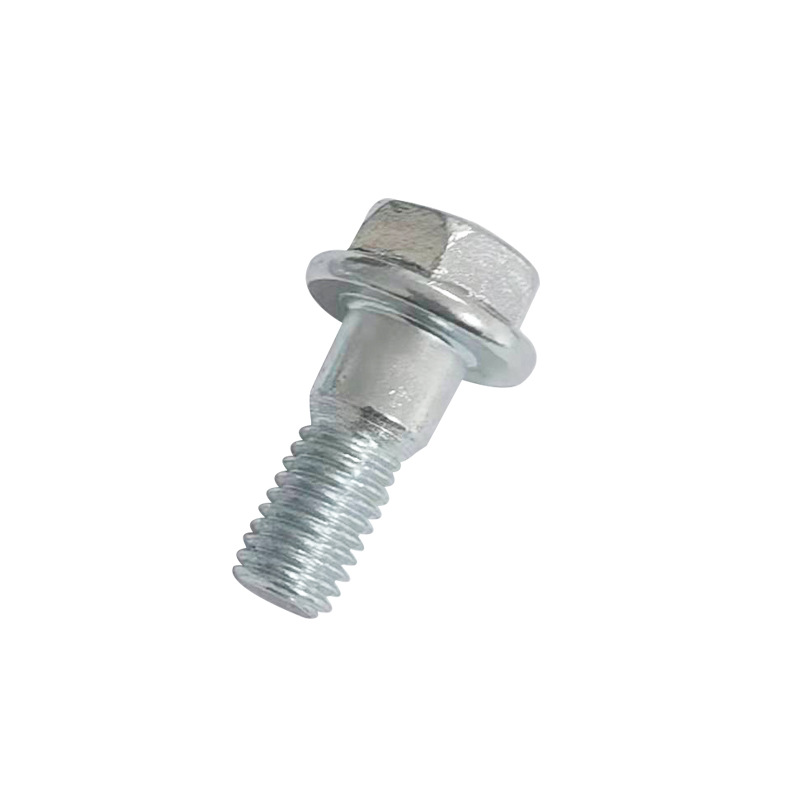
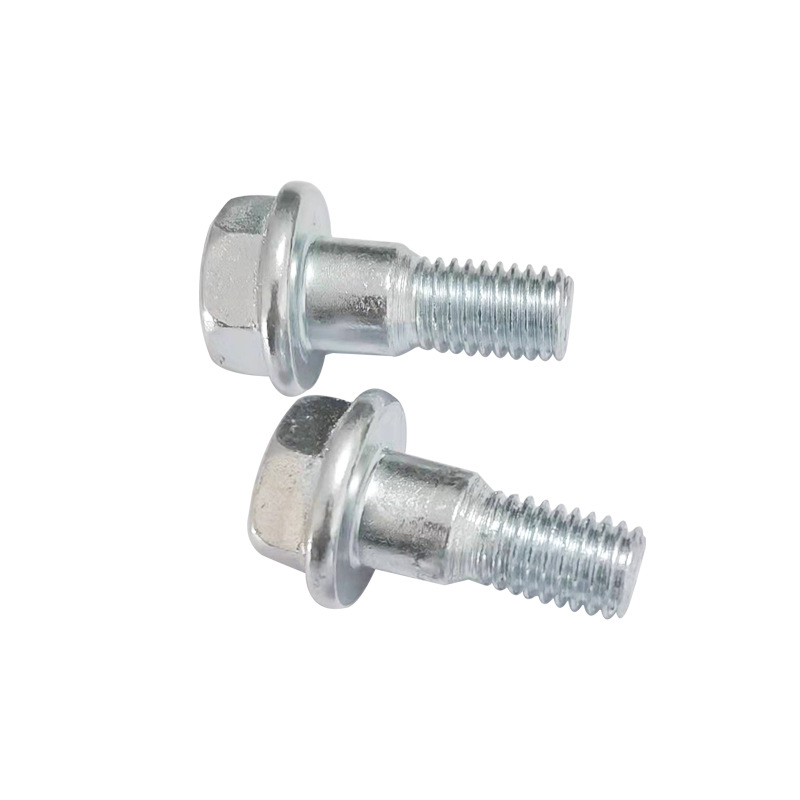
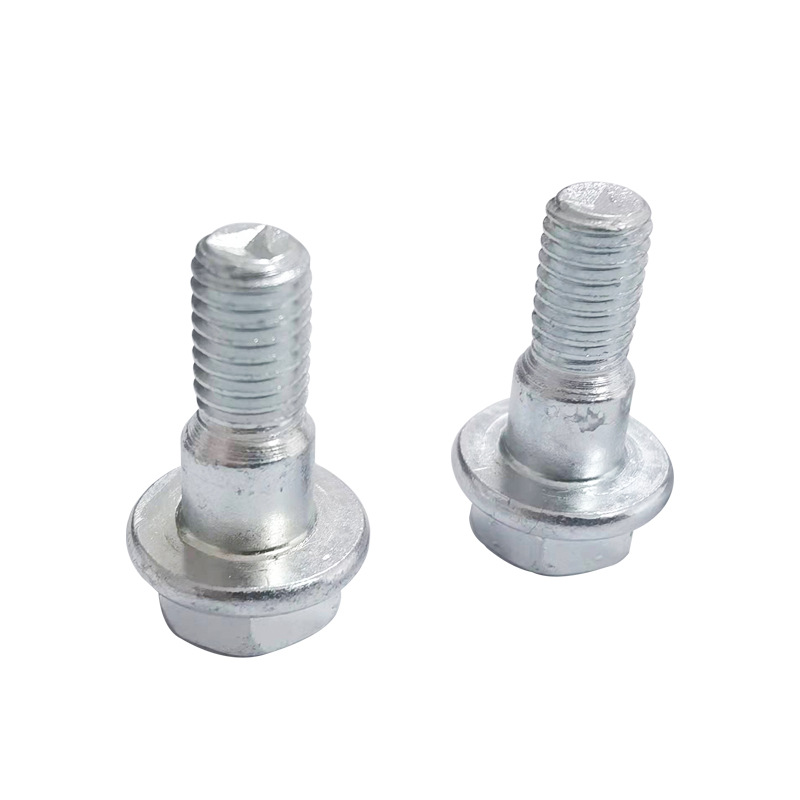
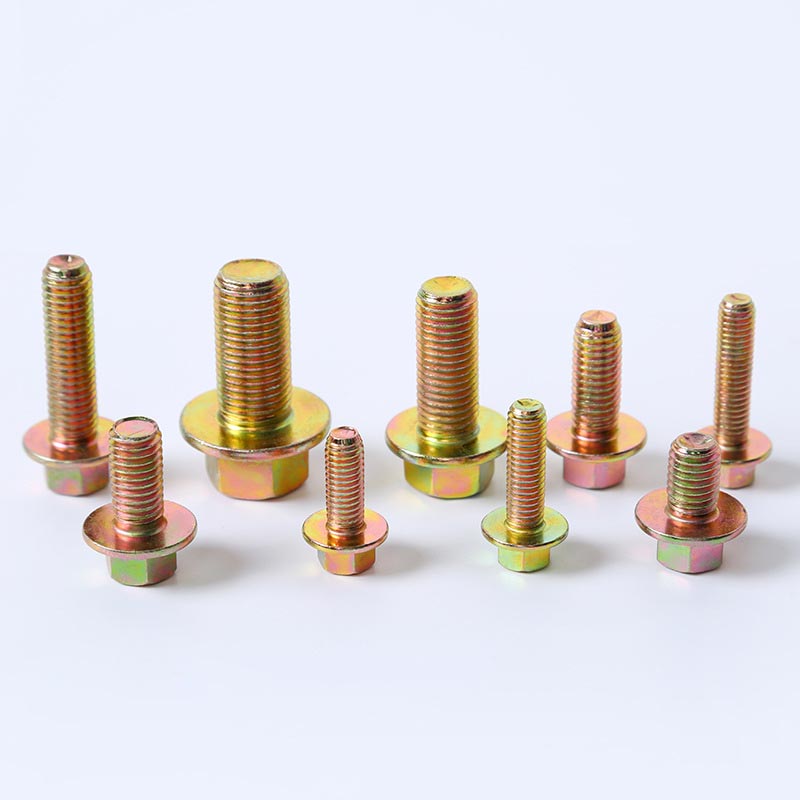
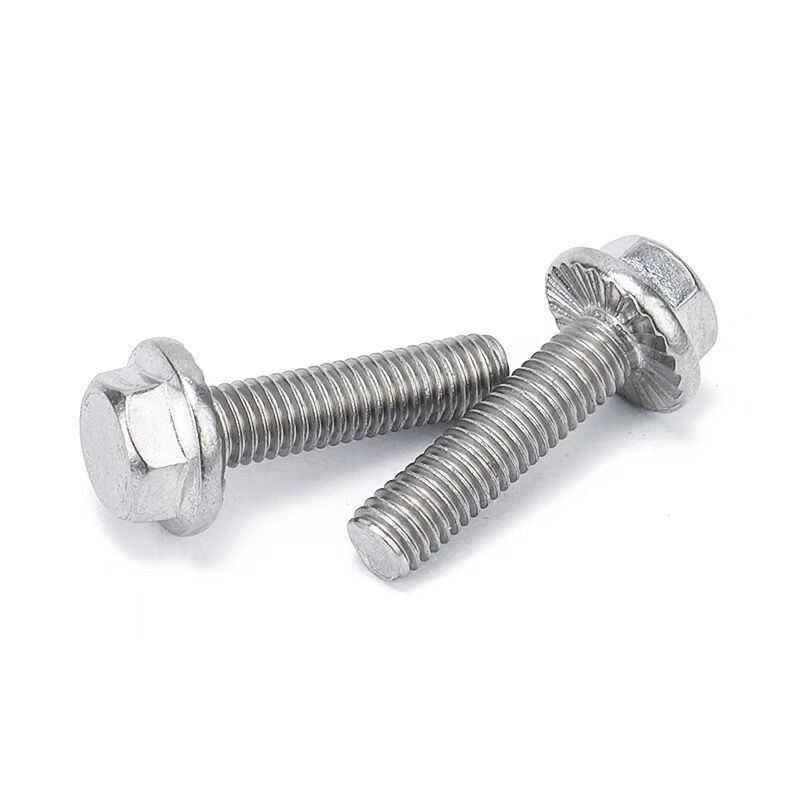
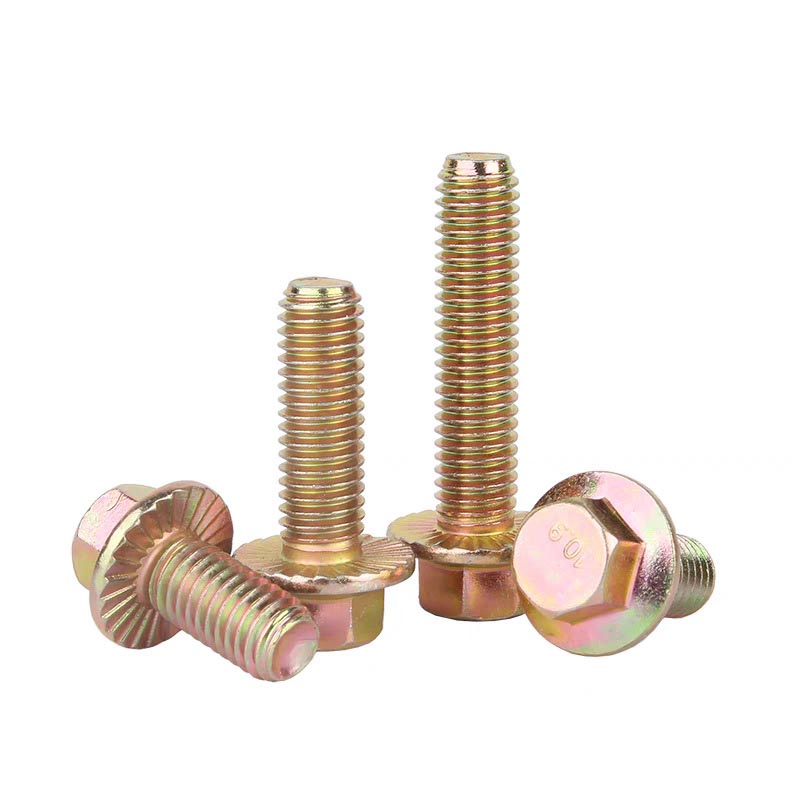
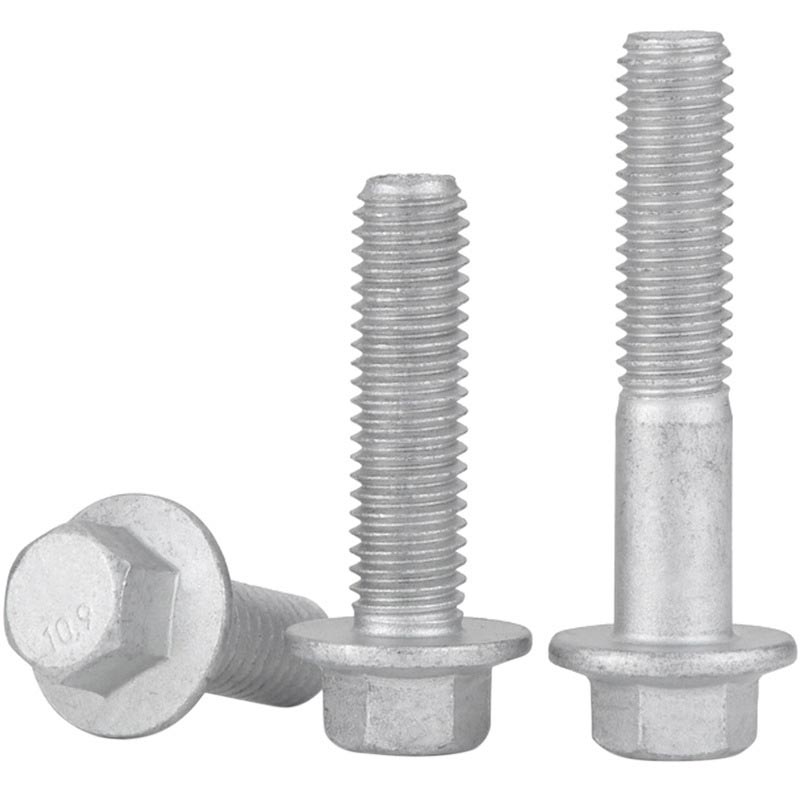
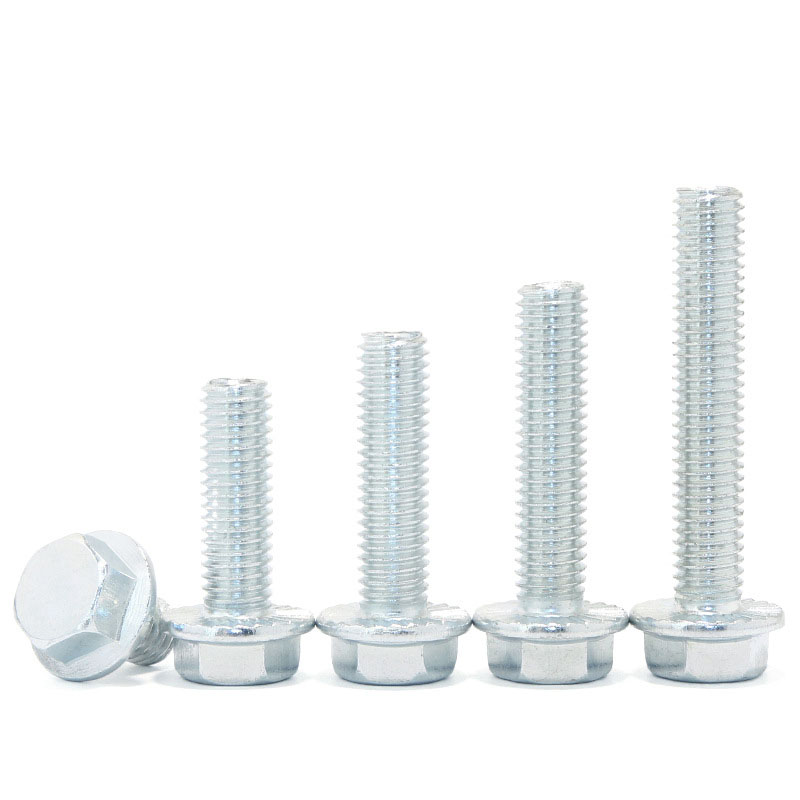
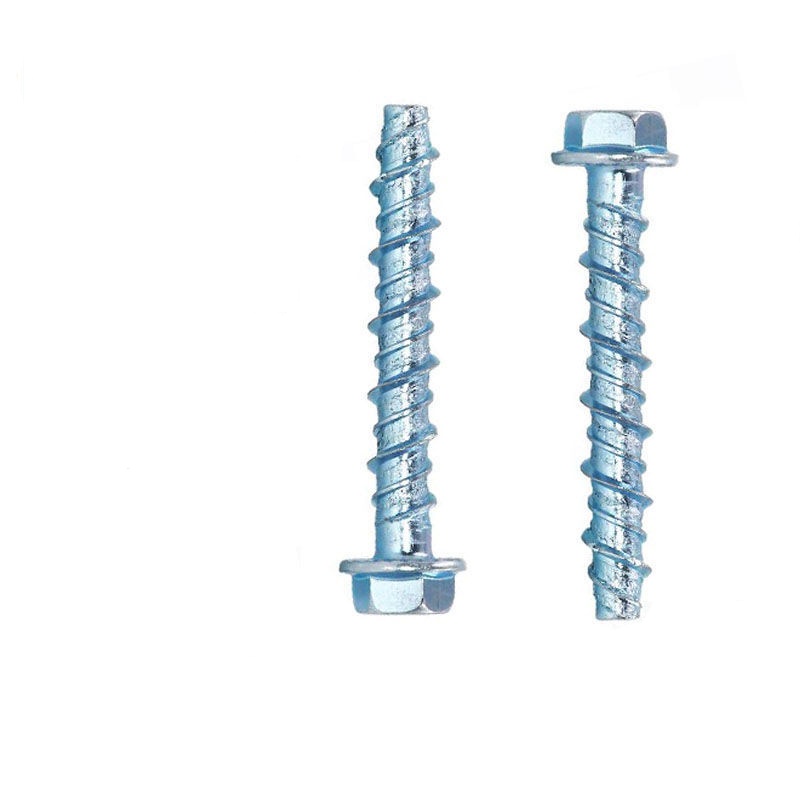
Hexagon Head Bolts with Flat Flange
Our Xiaoguo® products offer high-quality hexagon head bolts with flat flange.The head adopts a flange structure design, which improves the sealing performance and reduces the number of components used. Our products are produced strictly in accordance with quality standards. Each bolt has been carefully inspected, so you can use them with confidence.
Model:JIS B1189-1987
Send Inquiry
Product Description
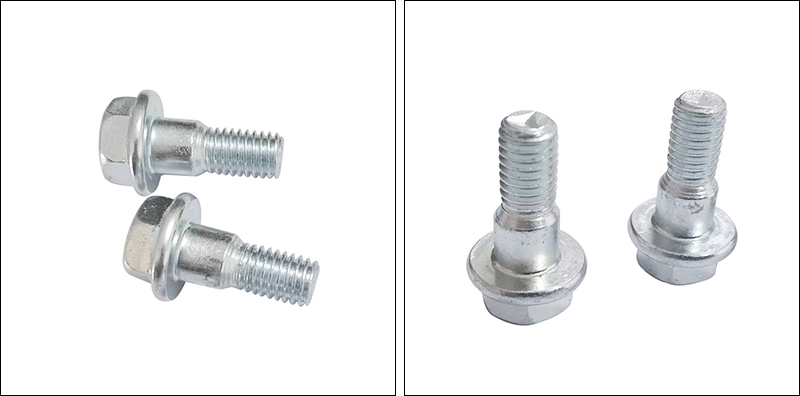
Hexagon head bolts with flat flange, like ordinary hexagon head bolts, have hexagonal heads, which is convenient for your installation. There is a flat flange plate under its bolt head. This flange plate is like a flat gasket growing directly on the bolt.
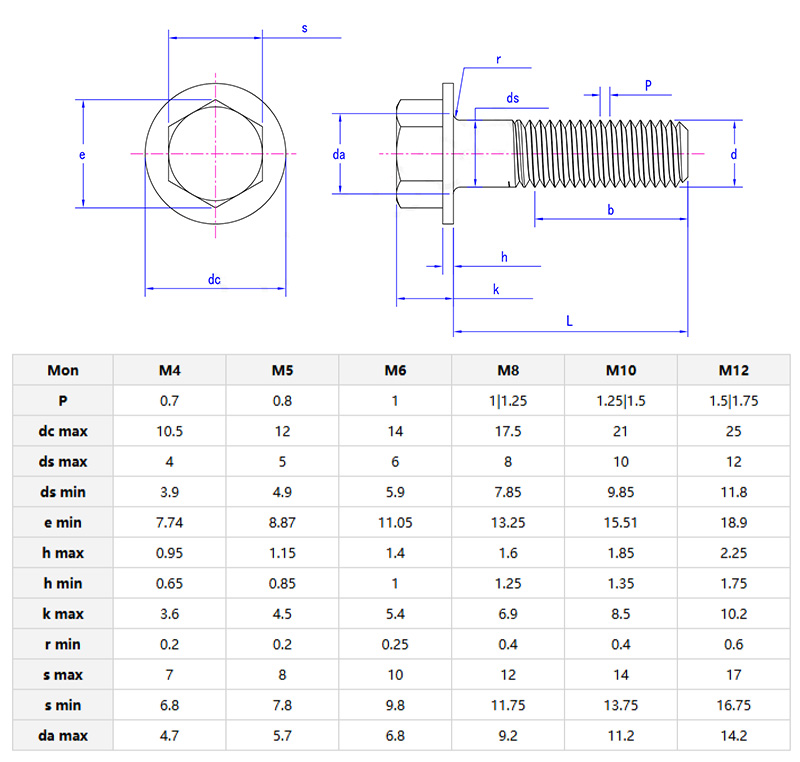
Product applications and parameters
The hexagon head bolts with flat flange has a most special design, that is, its flat flange. This flat flange plate fits closely with the connected object and has a large contact area. Just like standing on a big foot is more stable than on a small one, with a larger contact area, the force can be distributed more evenly after the bolt is tightened, avoiding excessive pressure at a certain point that may deform the material. It can be used to connect metals and other materials.
Hexagon head bolts with flat flange can be used to fix the interior panels. The flat flange can be stably installed beneath the decorative strip, and the stainless steel material can resist salt spray. Although not suitable for the hull, it is very suitable for installation beneath a neat deck.
Product features
The large flange plate of the hexagon head bolts with flat flange increases the contact area with the connected object. When you tighten it, its force can be distributed more evenly. Thus, the connection is very firm and not easy to loosen. It can better resist vibration, thereby reducing subsequent maintenance.
Product Material
The main materials used for Hexagon Head Bolts with Flat Flange include carbon steel, stainless steel, and alloy steel. Carbon steel is the most common option, cost-effective and suitable for general indoor applications where there’s no heavy moisture. Stainless steel, usually 304 or 316 grade, is used for environments with high humidity, corrosion risks, or outdoor use—like marine equipment or coastal construction. Alloy steel variants are designed for high-strength requirements, such as in heavy machinery or automotive engines that bear large loads. Some bolts also have surface treatments, like zinc plating or galvanizing, to enhance rust resistance. The material selection depends on the application scenario: for dry, low-load situations, carbon steel works; for corrosive or high-load environments, stainless steel or alloy steel is better. Each material has its own processing characteristics, but all meet basic strength standards to ensure the bolts hold components securely.
Q&A Session
What’s the difference between Hexagon Head Bolts with Flat Flange and regular hexagon bolts?
The key difference of Hexagon Head Bolts with Flat Flange is the integrated flat flange under the bolt head, which acts as a built-in washer. This design distributes pressure evenly on connected surfaces and prevents loosening from vibration, so no extra washers are needed. Regular hexagon bolts require separate washers for the same effect. Also, the flat flange improves connection stability, making these bolts more suitable for automotive and machinery assembly where firm fastening is required.
Hot Tags: Hexagon Head Bolts with Flat Flange, China, Manufacturer, Supplier, Factory
Related Category
Hexagon Head Bolt
Hexagon Head Flange Bolt
Square Head Bolt
Round Head Bolt
Countersunk Bolt
Knuckle Bolt
T-bolt
U Bolt
Foundation Bolts
Anchor Bolt
Hub Bolt
Hexalobular Socket Pan Head Bolt
Twelve Angle Bolt
Send Inquiry
Please Feel free to give your inquiry in the form below. We will reply you in 24 hours.