- English
- Español
- Português
- русский
- Français
- 日本語
- Deutsch
- tiếng Việt
- Italiano
- Nederlands
- ภาษาไทย
- Polski
- 한국어
- Svenska
- magyar
- Malay
- বাংলা ভাষার
- Dansk
- Suomi
- हिन्दी
- Pilipino
- Türkçe
- Gaeilge
- العربية
- Indonesia
- Norsk
- تمل
- český
- ελληνικά
- український
- Javanese
- فارسی
- தமிழ்
- తెలుగు
- नेपाली
- Burmese
- български
- ລາວ
- Latine
- Қазақша
- Euskal
- Azərbaycan
- Slovenský jazyk
- Македонски
- Lietuvos
- Eesti Keel
- Română
- Slovenski
- मराठी
- Srpski језик

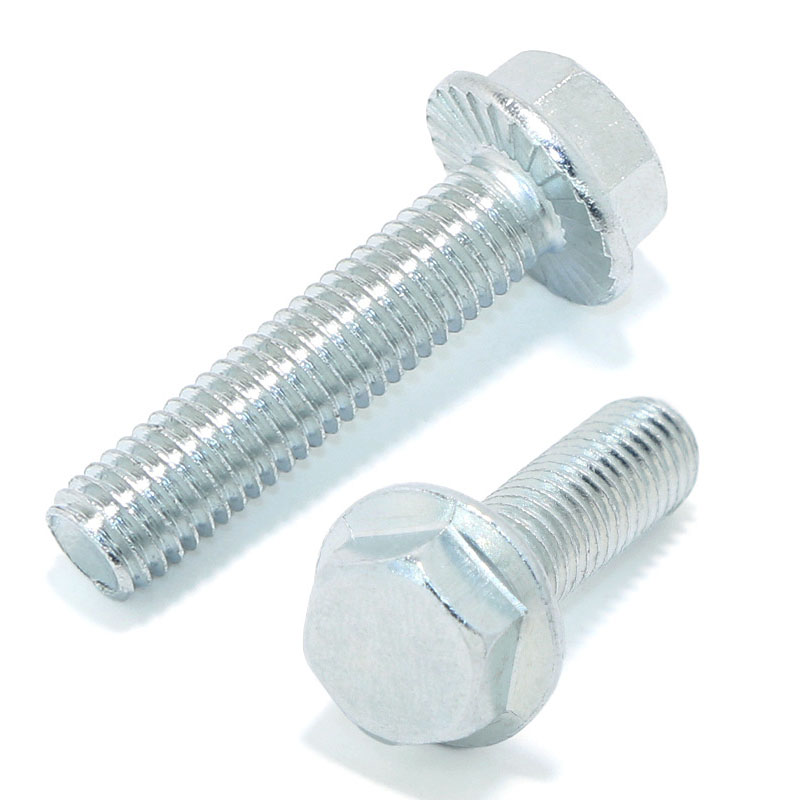
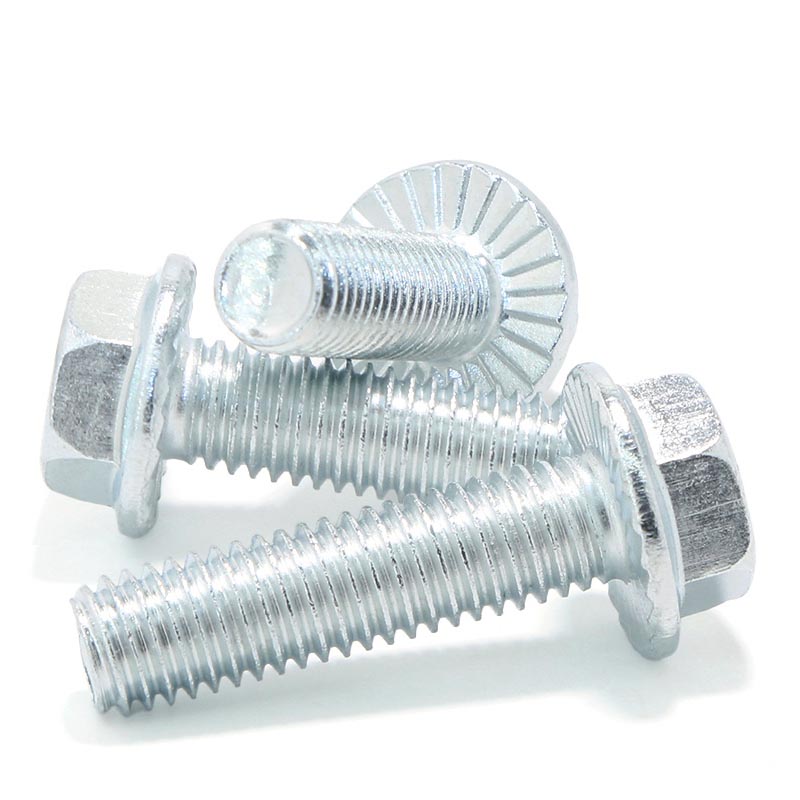
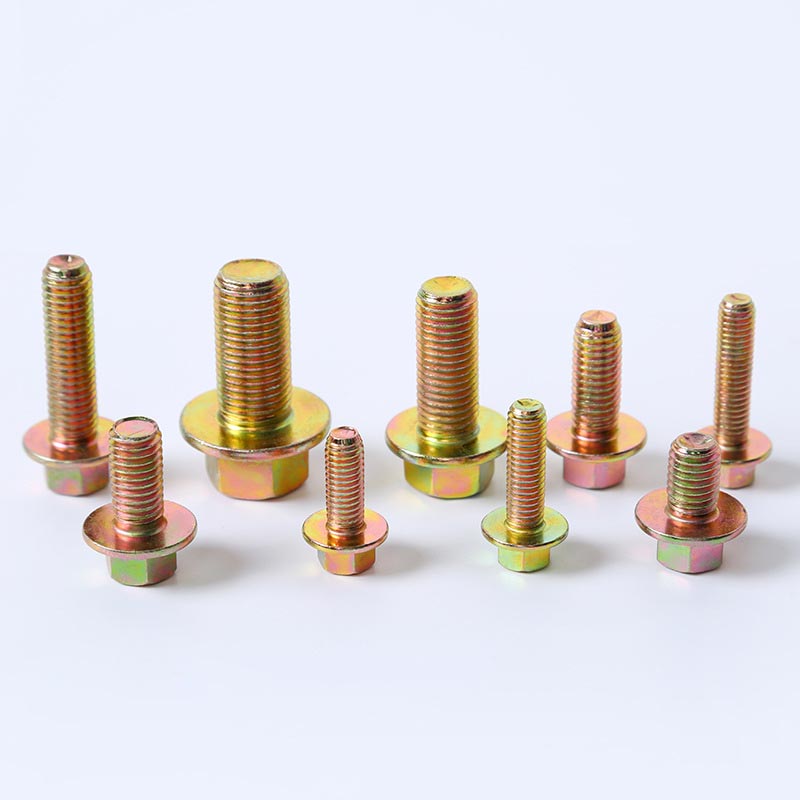
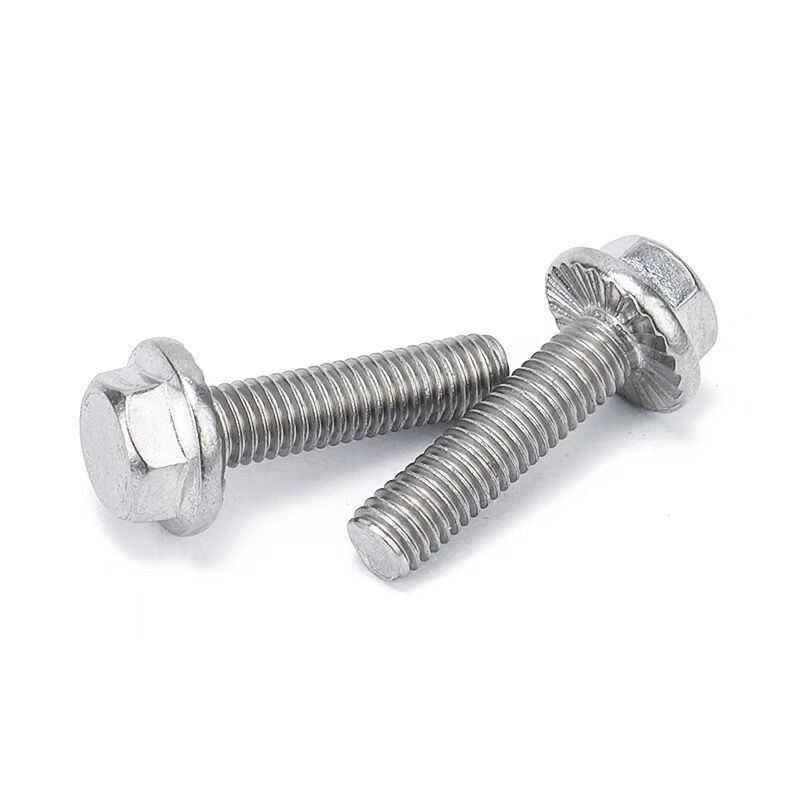
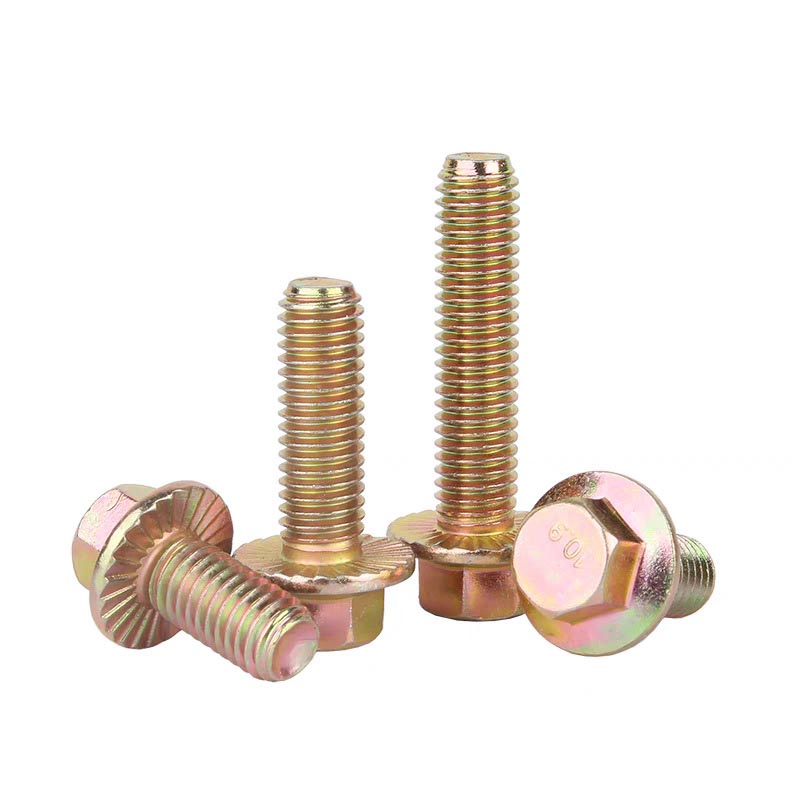
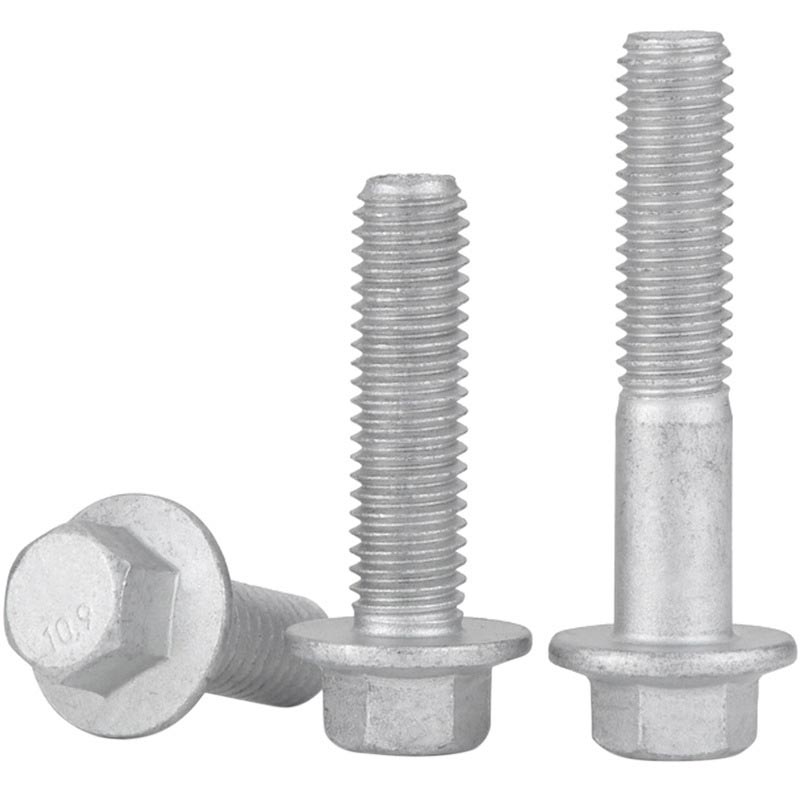
Flange Bolts
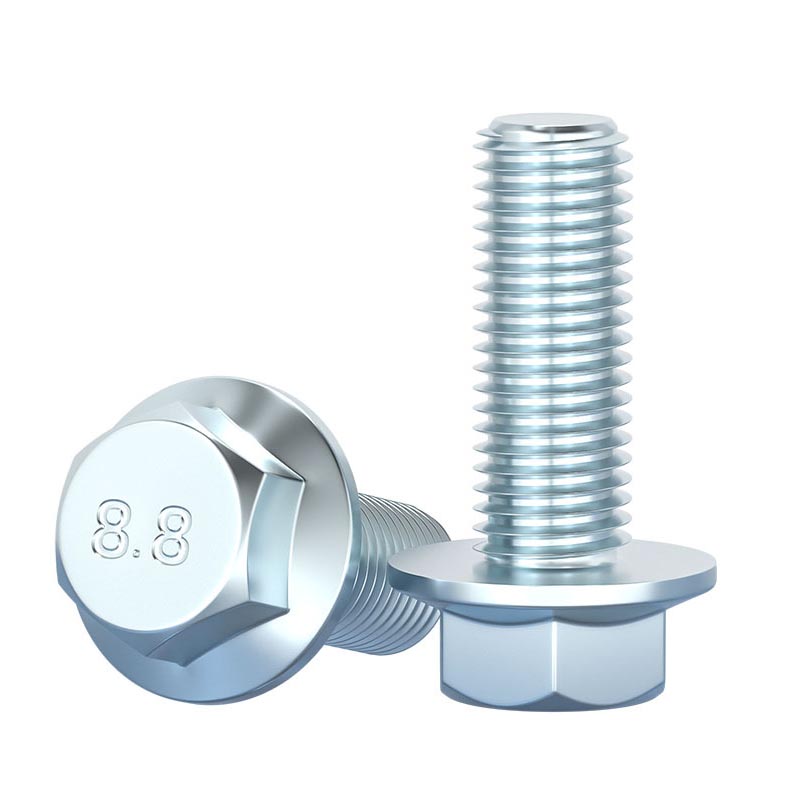
China Supplier Xiaoguo® Flange Bolts come with an integrated flange design that eliminates the need for extra washers in daily assembly work, saving both time and parts cost for your production line. These bolts feature stable torque retention and better load distribution, making them suitable for automotive and machinery applications where vibration resistance matters. Full sizes from M6 to M16 are in stock, ready for same-day shipment upon order confirmation. Strict dimensional inspection is carried out for each batch to ensure consistent fitting with matching nuts and reliable performance under normal working conditions.
Send Inquiry
Product Description
The entire production process of the Flange Bolts follows standard industrial processing steps, without any additional complex treatments. The focus is on stable performance and consistent dimensions to meet the requirements of daily use.
(1)Raw materials
Raw materials are picked from qualified steel suppliers, checked for chemical composition before production to avoid material defects that affect later use. Cold forging is used to shape the main body and integrated flange, which makes the internal structure denser than regular cutting processing, reducing the risk of cracks or breaks under normal working load.
(2)Flange section
The flange part is formed in one step without secondary welding, so there’s no weak joint between the shank and flange, ensuring even stress distribution when tightened.
(3)Thread processing
Thread processing adopts rolling technology instead of cutting, which strengthens the thread surface hardness and wear resistance, and the thread surface is smoother with no burrs, making installation easier and avoiding thread damage during matching with nuts. After forming and threading, parts go through proper heat treatment to adjust hardness and toughness, strictly controlled within standard ranges, not too hard to be brittle or too soft to deform.
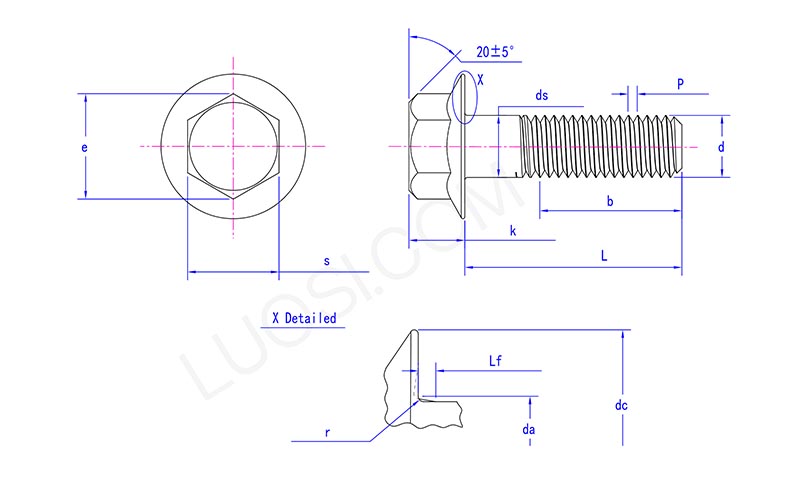
Each batch goes through simple but effective size testing, checking flange diameter, thread pitch and total length, keeping tolerance within industry norms. Surface treatment is done evenly, no uneven coating or missing spots, and the whole process ensures stable quality for bulk orders, with little difference between single pieces.
Q&A session
What is the minimum order quantity for this Flange Bolts?
The MOQ is set based on standard production batches, with a basic starting quantity for regular sizes and materials. We can adjust small-batch orders for trial purchases appropriately, while bulk orders get better unit pricing. We also support mixed container orders for different sizes to meet your trial and stocking needs. Flange Bolts are produced in standardized batches to ensure stable supply and cost efficiency for all buyers.
Product mechanical performance parameters
This type of flange bolts has clear tensile strength standards(The commonly used grades are 4.8 and 5.6, corresponding to the minimum tensile strengths of 400 MPa and 500 MPa respectively.), and it meets common industrial grade requirements for stable load bearing. Within the rated range, it can bear direct pulling force without obvious deformation, so it won’t break during normal installation and daily use. The tensile data is tested under unified conditions, and users can check the marked values directly to match equipment and construction scenes.After heat treatment, hardness is controlled within a fixed range, so the product won’t be too brittle or too soft. It resists surface dents when clamped tightly, and it doesn’t wear out fast even if you take it apart and put it back together often. Hardness values stay stable between batches, so there’s no big difference between single pieces in large projects.This fastener has reliable anti-slip performance under lateral force, thanks to its special contact surface design. Clamping force spreads evenly, which lowers the risk of shifting or loosening from vibration or small movements. It doesn’t need extra parts to keep this performance, and the connection stays stable for a long time without frequent retightening.Fatigue resistance is tested with repeated stress cycles, and performance declines slowly over time. It works well for equipment that runs on and off or has regular vibration, avoiding fatigue cracks after long-term use. All mechanical parameters are printed clearly on the product label, making it easy for users to check and pick the right specs for actual working conditions.
Hot Tags: Flange Bolts, China, Manufacturer, Supplier, Factory
Related Category
Hexagon Head Bolt
Hexagon Head Flange Bolt
Square Head Bolt
Round Head Bolt
Countersunk Bolt
Knuckle Bolt
T-bolt
U Bolt
Foundation Bolts
Anchor Bolt
Hub Bolt
Hexalobular Socket Pan Head Bolt
Twelve Angle Bolt
Send Inquiry
Please Feel free to give your inquiry in the form below. We will reply you in 24 hours.