- English
- Español
- Português
- русский
- Français
- 日本語
- Deutsch
- tiếng Việt
- Italiano
- Nederlands
- ภาษาไทย
- Polski
- 한국어
- Svenska
- magyar
- Malay
- বাংলা ভাষার
- Dansk
- Suomi
- हिन्दी
- Pilipino
- Türkçe
- Gaeilge
- العربية
- Indonesia
- Norsk
- تمل
- český
- ελληνικά
- український
- Javanese
- فارسی
- தமிழ்
- తెలుగు
- नेपाली
- Burmese
- български
- ລາວ
- Latine
- Қазақша
- Euskal
- Azərbaycan
- Slovenský jazyk
- Македонски
- Lietuvos
- Eesti Keel
- Română
- Slovenski
- मराठी
- Srpski језик

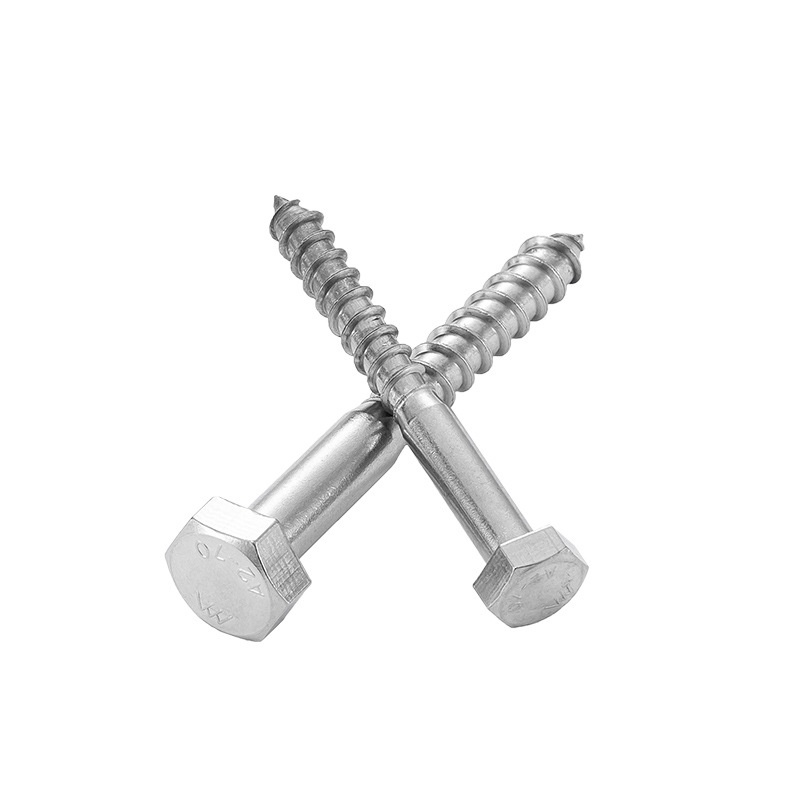
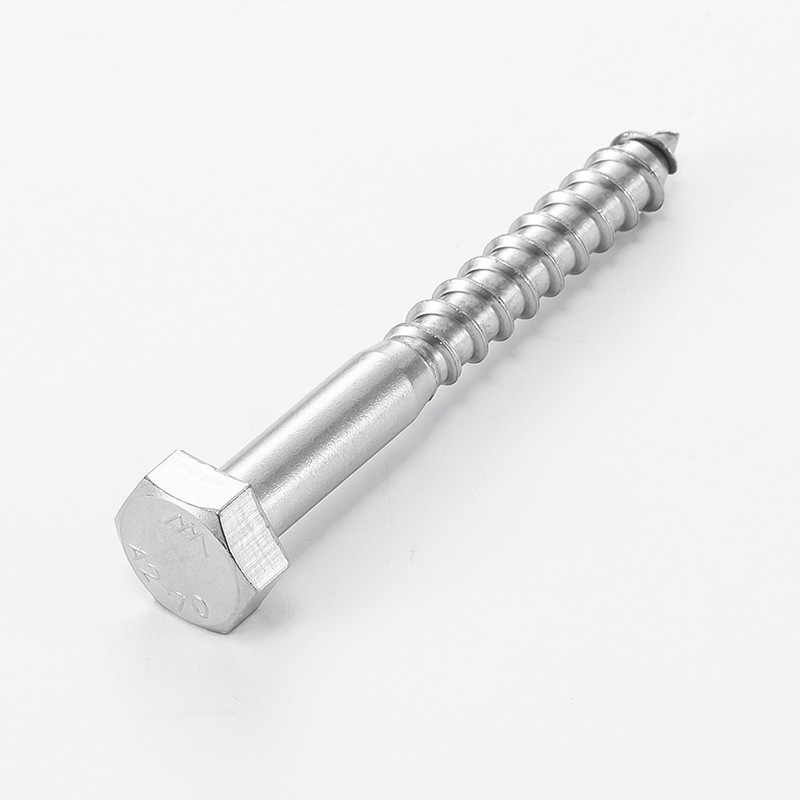
Hex Head Hex Drive Stainless Steel Lag Screw
Supplier Xiaoguo® Hex Head Hex Drive Stainless Steel Lag Screw – heavy‑duty lag bolts for wood frames. Just drill a pilot hole, then drive with a wrench – the coarse threads lock tight. Check once a year and re‑tighten if needed. Bulk orders available. Ask us.
Send Inquiry
Product Description
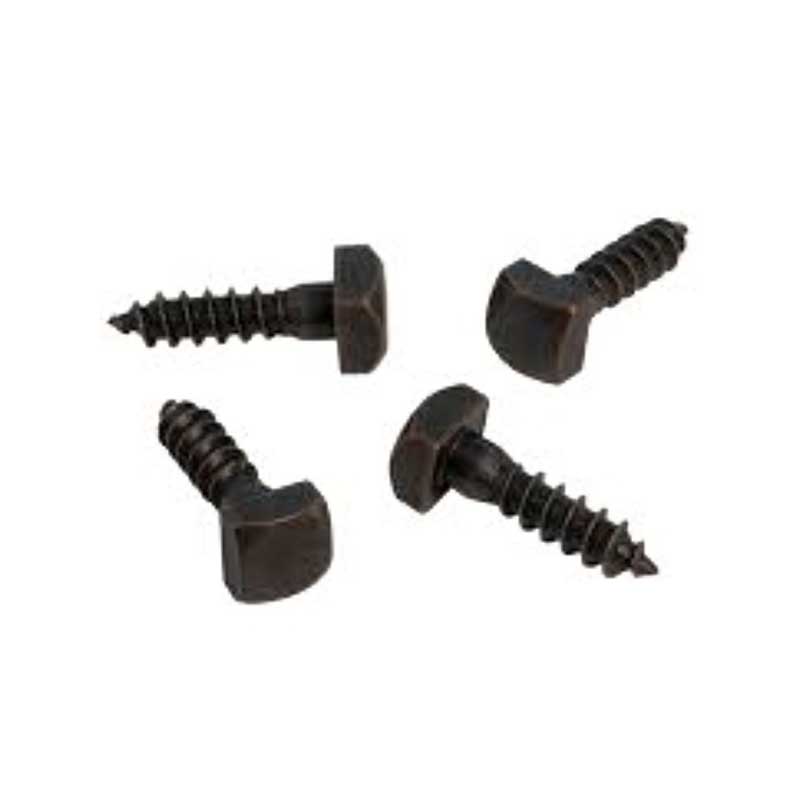
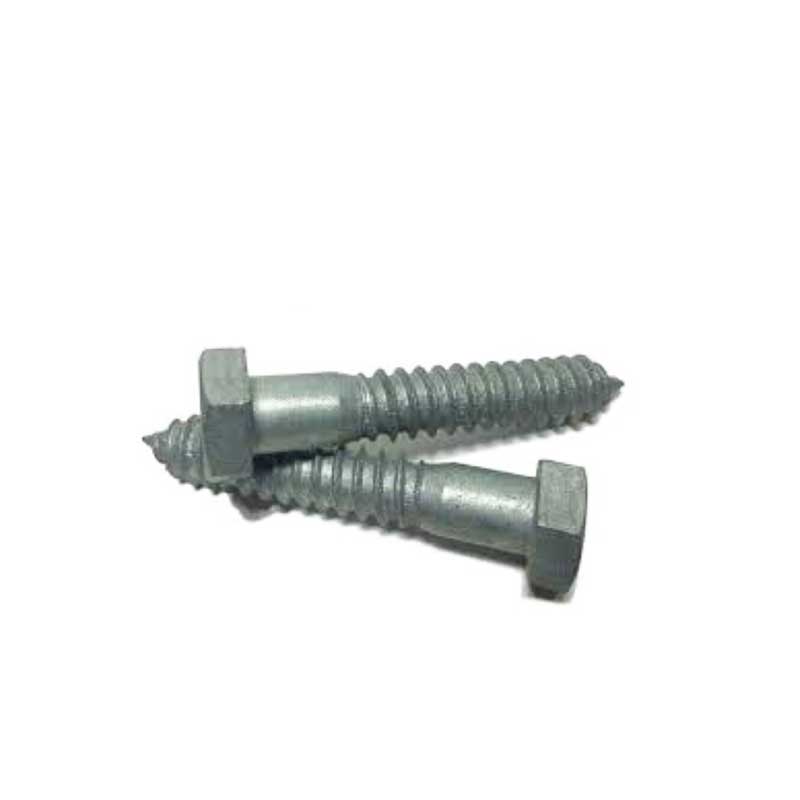
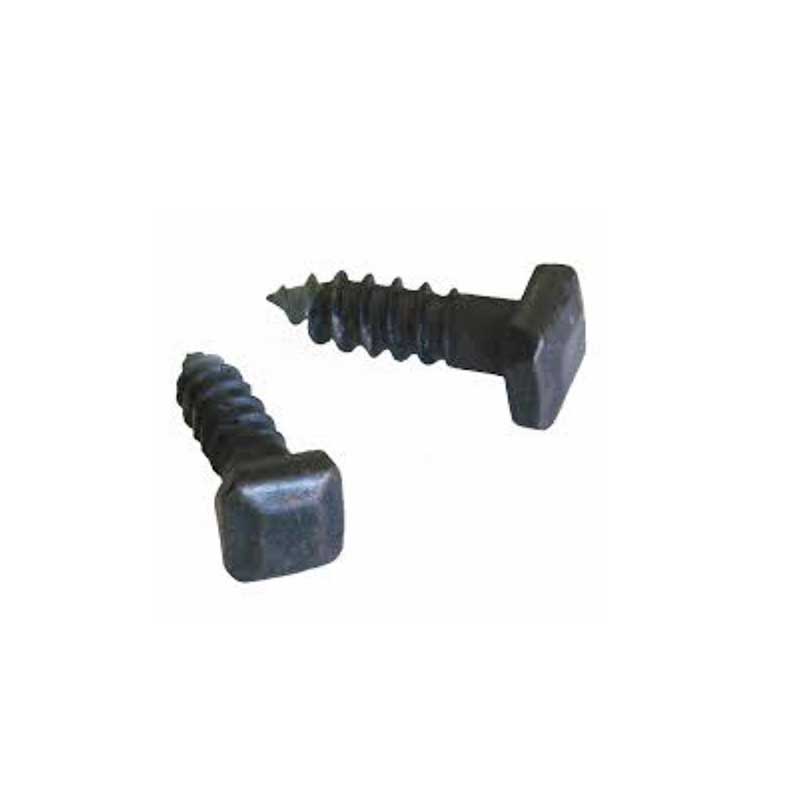
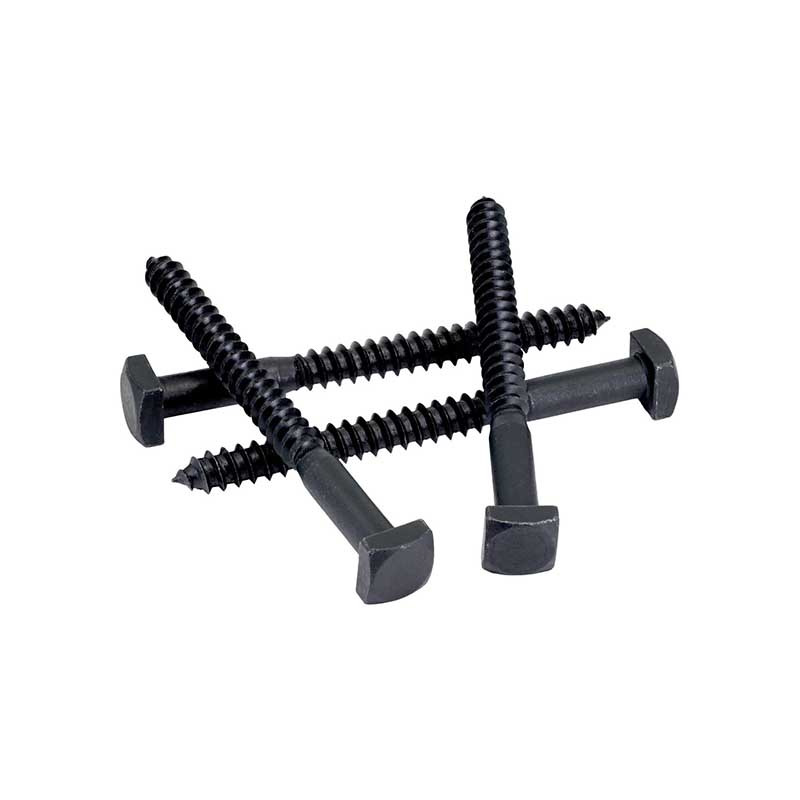
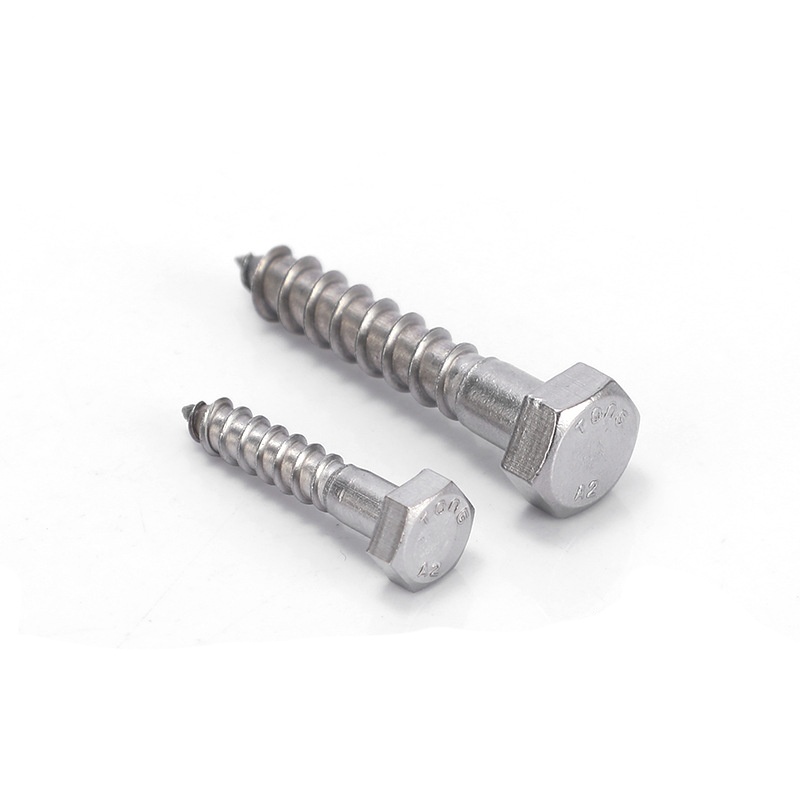
A Hex Head Hex Drive Stainless Steel Lag Screw from factory Xiaoguo® is a large screw used to fix heavy objects onto wood.The head is hexagonal in shape and needs to be tightened using a wrench or a socket, not a screwdriver.The body of the Hex Head Hex Drive Stainless Steel Lag Screw has very thick and deep threads, and the tail is pointed.
When using it, first drill a hole slightly smaller than the screw core into the wood, then insert it. The threads will tightly grip the wood.This type of screw is much thicker and stronger than ordinary wood screws. It is specifically used for load-bearing structures, such as building wooden houses, constructing terraces, fixing machine bases, and installing wooden beams, etc.
Working principle
The Hex Head Hex Drive Stainless Steel Lag Screw achieve high-strength anchoring through the mechanical interlocking with the wood fibers via coarse-threaded screws and the precise cooperation of pre-drilled holes.
1.Guide hole
Before installation, guide holes must be drilled on the wood.
Function:
Guides the screw to enter the wood vertically, preventing skewing
Reserve space for the flow of wood fibers to prevent the wood from cracking.
Reduces the torque required for insertion, facilitating installation.
2.Thread engagement
Insert the tip of the screw into the guide hole, and apply rotational torque and axial thrust with a socket wrench.The orifice slightly expands, and the coarse-threaded part comes into contact with the inner wall of the hole.The threads exert pressure on the wood fibers of the hole wall, causing the wood fibers to undergo plastic deformation under the pressure and form a matching spiral groove with the threads.
3.Fiber locking
Continue to screw in, and the thread teeth completely embed into the wood fibers. The wood fibers rebound within the elastic range, tightly gripping the Hex Head Hex Drive Stainless Steel Lag Screw thread and generating huge radial pressure and friction resistance.
4.Torque transmission and head effect
The hexagonal head transmits the rotational torque of the socket wrench to the entire screw.
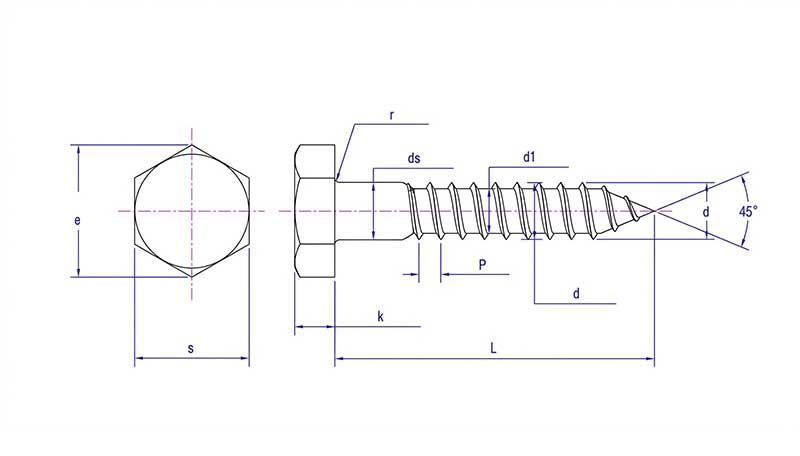
| Mon | #10 | 1/4 | 5/16 | 3/8 | 1/2 | 5/8 | 3/4 | 7/8 | 1 | 1-1/8 | 1-1/4 |
| P | 11 | 10 | 9 | 7 | 6 | 5 | 4.5 | 4 | 3.5 | 3.25 | 3.25 |
| d max | 0.199 | 0.26 | 0.324 | 0.388 | 0.515 | 0.642 | 0.768 | 0.895 | 1.022 | 1.149 | 1.277 |
| d min | 0.178 | 0.237 | 0.298 | 0.36 | 0.482 | 0.605 | 0.729 | 0.852 | 0.976 | 1.1 | 1.223 |
| d1 max | 0.122 | 0.177 | 0.228 | 0.268 | 0.374 | 0.473 | 0.582 | 0.686 | 0.784 | 0.892 | 1.017 |
| d1 min | 0.107 | 0.16 | 0.21 | 0.25 | 0.354 | 0.453 | 0.562 | 0.665 | 0.76 | 0.867 | 0.987 |
| ds max | 0.199 | 0.26 | 0.324 | 0.388 | 0.515 | 0.642 | 0.768 | 0.895 | 1.022 | 1.149 | 1.277 |
| ds min | 0.178 | 0.237 | 0.298 | 0.36 | 0.482 | 0.605 | 0.729 | 0.852 | 0.976 | 1.098 | 1.223 |
| s max | 0.281 | 0.438 | 0.5 | 0.562 | 0.75 | 0.938 | 1.125 | 1.312 | 1.5 | 1.688 | 1.875 |
| s min | 0.271 | 0.425 | 0.484 | 0.544 | 0.725 | 0.906 | 1.088 | 1.269 | 1.45 | 1.631 | 1.812 |
| e max | 0.323 | 0.505 | 0.577 | 0.65 | 0.866 | 1.083 | 1.299 | 1.516 | 1.732 | 1.949 | 2.165 |
| e min | 0.309 | 0.484 | 0.552 | 0.62 | 0.826 | 1.033 | 1.24 | 1.447 | 1.653 | 1.859 | 2.066 |
| k max | 0.14 | 0.188 | 0.235 | 0.268 | 0.364 | 0.444 | 0.524 | 0.604 | 0.7 | 0.78 | 0.876 |
| k min | 0.11 | 0.15 | 0.195 | 0.226 | 0.302 | 0.378 | 0.455 | 0.531 | 0.591 | 0.658 | 0.749 |
| r max | 0.03 | 0.03 | 0.03 | 0.03 | 0.03 | 0.06 | 0.06 | 0.06 | 0.09 | 0.09 | 0.09 |
| r min | 0.01 | 0.01 | 0.01 | 0.01 | 0.01 | 0.02 | 0.02 | 0.02 | 0.03 | 0.03 | 0.03 |
Long-term maintenance
Hex Head Hex Drive Stainless Steel Lag Screw do not have a fixed "shelf life", but their lifespan is determined by the material and the installation environment.
1.The situation where new screws are required
Thread wear: The threads are severely worn. When touching the threads with your hand, you can feel the wear marks.
Hexagonal head deformed or cracked: The hexagonal head cannot be clamped with a socket wrench, and there are cracks on the hexagonal head.
Severe rusting: The surface of the carbon steel screws has more than 20% rust spots, or there are rust pits.
The screw is obviously bent: It has been subjected to a strong impact or overloading, causing the screw to bend.
More than 2 times of disassembly: Each time the assembly is carried out, the fibers of the wood hole wall are damaged once. If disassembly exceeds 2 times, even if the screws are intact, the holding power of the nails will decrease.
2.Replacement steps
Remove old screws: Use a socket wrench to turn them counterclockwise and unscrew them.
Check the original hole:
If the hole wall is intact and the hole diameter has not increased → Simply install new screws of the same specification.
The hole wall has suffered slight wear → Replace with a screw of a larger diameter
The hole was crushed → Fill the original hole with wood plugs or wood chips and epoxy resin. After it cures, drill a new hole for installation.
Clean the hole: Remove the dust and debris inside the hole.
Install new screws: Insert them according to the original installation requirements.
Hot Tags: Hex Head Hex Drive Stainless Steel Lag Screw, China, Manufacturer, Supplier, Factory
Related Category
Slotted Screw
Cross Grooved Screw
Hexagon Socket Screw
Inside Square Screw
Compound Slotted Screw
Torx Groove Screws
Lock Screw
Hand Screw
Oil Screw Plug and Screw Plug
Other Screws
Send Inquiry
Please Feel free to give your inquiry in the form below. We will reply you in 24 hours.